
The North Carolina Native Groundcover You Plant Once That Fills A Bare Slope For Decades
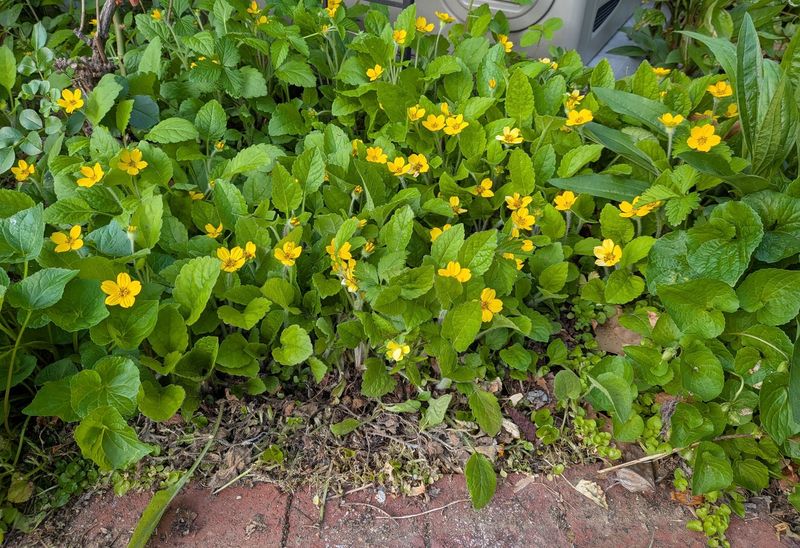
A steep yard slope can turn Saturday mowing into a chore nobody wants. Some North Carolina homeowners look at native groundcovers as a way to cut back on that work.
Carolina green-and-gold is one candidate, but it fits some yards much better than others. Here is how to tell whether your slope is a match and what the planting really asks of you.
A realistic slope goal is less mowing, not a one-time fix
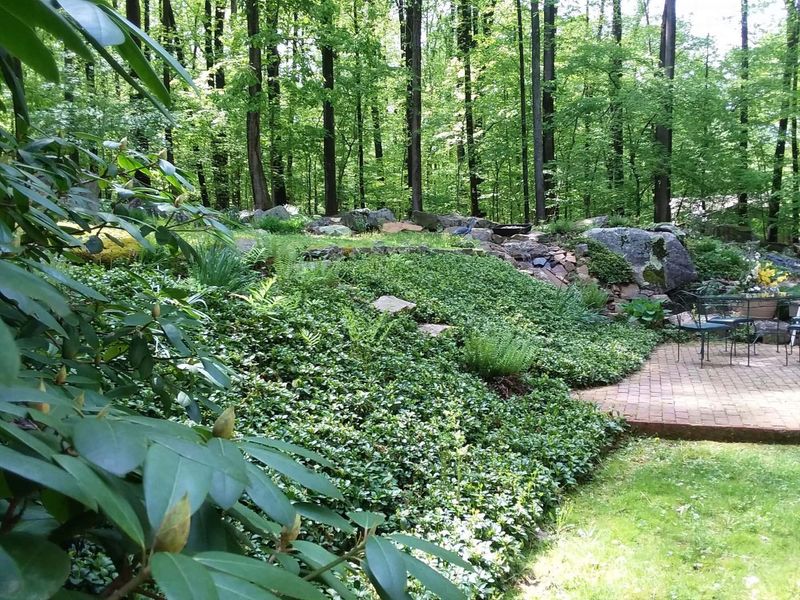
Anyone who has pushed a mower across a slope knows the routine. You fight the angle, worry about slipping, and do it all again two weeks later.
Swapping that patch of turf for a spreading native perennial is a sensible idea, but the goal needs to be set honestly.
The realistic payoff is less mowing after the planting settles in. It is not a promise of permanent coverage, and it is not a care-free landscape.
A groundcover that spreads can close gaps over time, yet how well it does that depends on your light, soil, moisture, and the work you put in early.
North Carolina State Extension publishes a native plant list with groundcovers sorted by region, and that alone tells you something. No single plant is the answer for every yard from the mountains to the coast.
The right pick changes with where you live and what your hillside is like.
Extension also notes in its lawn and groundcover guidance that these plantings need attention while they fill in. Think of the first couple of seasons as an investment.
You trade a few years of watering and weeding for the chance at fewer mowing days later.
The rest of this article looks at one candidate, Carolina green-and-gold, and at the checks that decide whether it belongs on your slope. Site fit and establishment come first, because they matter more than the plant label.
What Carolina green-and-gold can—and cannot—do
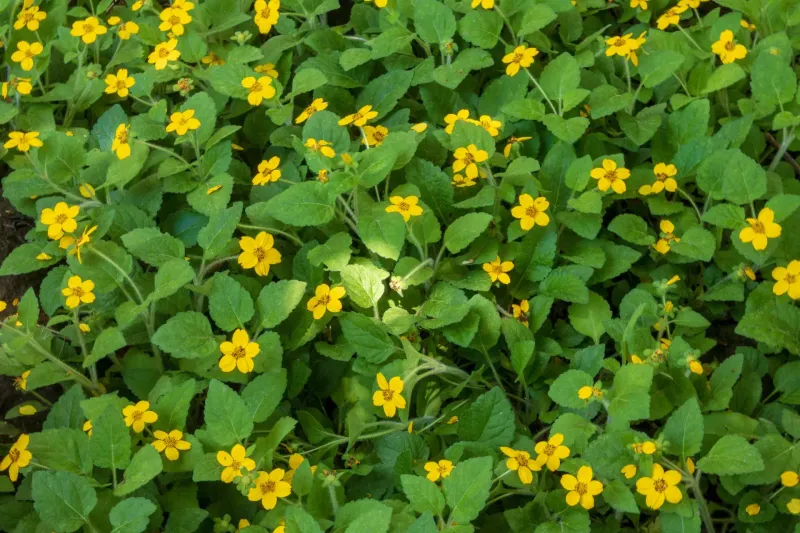
The plant in question is Carolina green-and-gold, Chrysogonum repens. The name matters, because plain “green-and-gold” can point to more than one plant.
The state flora account separately covers Chrysogonum virginianum, a related species with a broader range, so check the Latin name on any plant tag.
According to the NC State Plant Toolbox, Carolina green-and-gold is a native perennial that spreads by stolons, which are runners that creep along the ground and root. Over time it forms mats up to about 2 feet across.
It can also help crowd out weeds, and it is used as a groundcover. It prefers shade to partial shade and well-drained soil, and its listed North Carolina range is mainly the southern mountains and western Piedmont.
Those are traits of the plant, not guarantees for your hillside. A mat that reaches two feet in a good spot may stall in a dry, sunny, or compacted one.
Gaps can linger, and weeds can slip in where the runners have not arrived.
So treat the description as a reason to consider the plant, not as proof it will blanket your yard. If your slope matches what the plant likes, it earns a trial.
If it does not, a different native will serve you better.
Check the region, light, drainage, and slope
Start with a walk around your slope at different times of day. Note how many hours of sun it gets, whether water pools or drains quickly after rain, and what the soil feels like.
Carolina green-and-gold leans toward shade or part shade and well-drained ground, so a baking, south-facing bank or a soggy seep is a poor match.
Next, look at your location. NC State’s native groundcover table lists different plants for different parts of the state.
Green-and-gold shows up for the mountains and Piedmont, while creeping blueberry, for example, is listed for the Piedmont and Coastal Plain. Native does not automatically mean suited to your yard.
Then judge how serious the slope is. An ordinary hard-to-mow bank is one thing.
A steep, crumbling, or actively eroding hillside is another. Extension advice on landscaping a hillside points to choosing plants for the specific conditions, and guidance on stabilizing slopes recommends a mixture of native plants rather than relying on one.
A diagnostic clue: if you see exposed roots, gullies, or soil washing onto a driveway, treat the project as stabilization first. A single low groundcover is not a complete plan there.
Plan for establishment before expecting a spreading mat
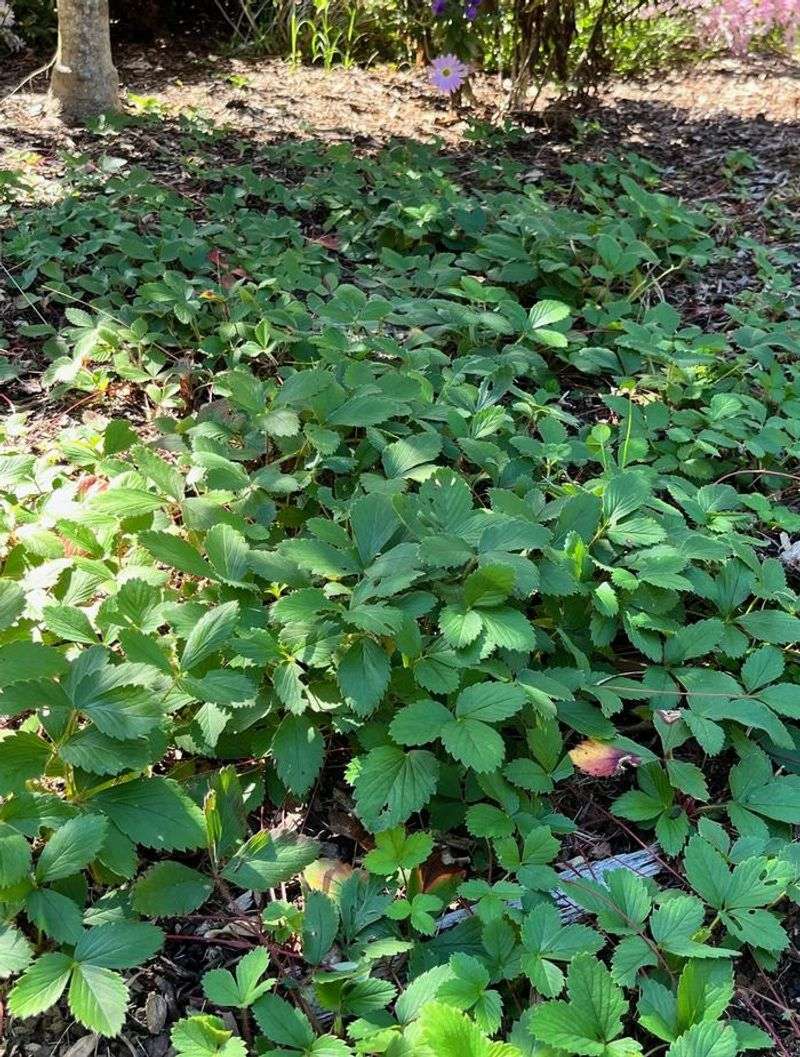
Young plants are not yet the mat you pictured. Early on, you have individual plants with bare soil between them, and they depend on you.
Extension advises watering new native plants until they are established, and that applies here.
No source gives a reliable watering schedule, spacing, or timeline for Carolina green-and-gold, so be wary of anyone who hands you exact numbers. Watch the plants instead.
Wilting leaves, dry soil a few inches down, or a stretch of hot, rainless weather are your cues to water.
The plant’s own habit helps explain the wait. Since it spreads by stolons, as the Plant Toolbox entry describes, it fills in by sending runners outward.
That takes time, and how much depends on your light, moisture, and soil.
Treat establishment as a phase, not a single afternoon of planting. Check the slope regularly, note where runners are moving and where they are not, and pay attention after storms.
If a section keeps failing, that is useful information about the site, not just bad luck.
Protect exposed soil while plants fill gaps
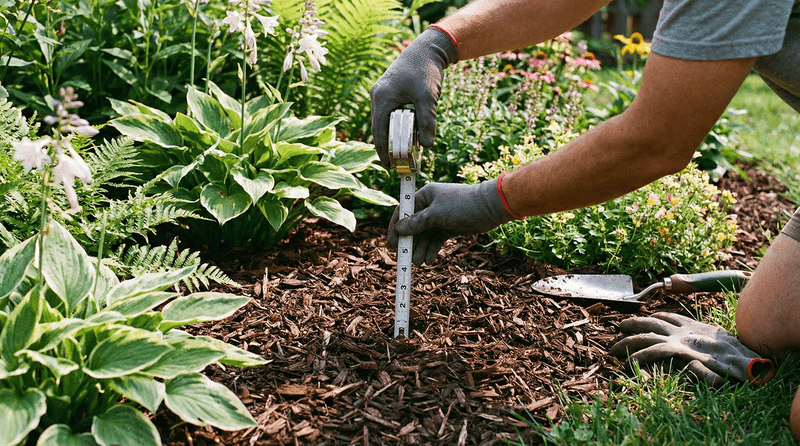
Fresh plugs do not hold soil the way a mature mat does. Until the plants knit together, the ground between them is open to rain.
Slopes and compacted soil are especially prone to washing, as NC State’s lawn care and water quality guidance explains, and it recommends covering soil that will stay bare for more than 30 days.
In practice, that means mulching between plants right after planting. Straw or shredded mulch can shield the surface while roots and runners get going.
Keep it from smothering the young plants, and check it after heavy rain.
Preparation matters too. Extension material on mulch for erosion control notes that long-term performance depends on proper slope preparation and installation.
Loosen compacted ground, shape the surface so water does not funnel, and install cover snugly.
Do not count on the groundcover alone to stop erosion, especially in the first season. If you see rills forming after storms, add cover and rethink the plan before more soil leaves.
Expect some upkeep, and choose a broader plan when needed
Weeds will test a new planting. Extension’s groundcover guidance says weed control needs are greatest during the first year or two and drop as the plants spread.
So expect to pull weeds early, then less as the mat closes. Nothing here promises lifelong low upkeep for Carolina green-and-gold.
Skip the shortcut of English ivy. NC State lists it as invasive in North Carolina landscapes, and it can escape into woodlands.
Stick with natives.
Also keep expectations clear on ticks. Groundcover will not make a yard tick-safe.
CDC advice focuses on trimming tall grass and brush, clearing leaf litter, and keeping a barrier between lawn and woods.
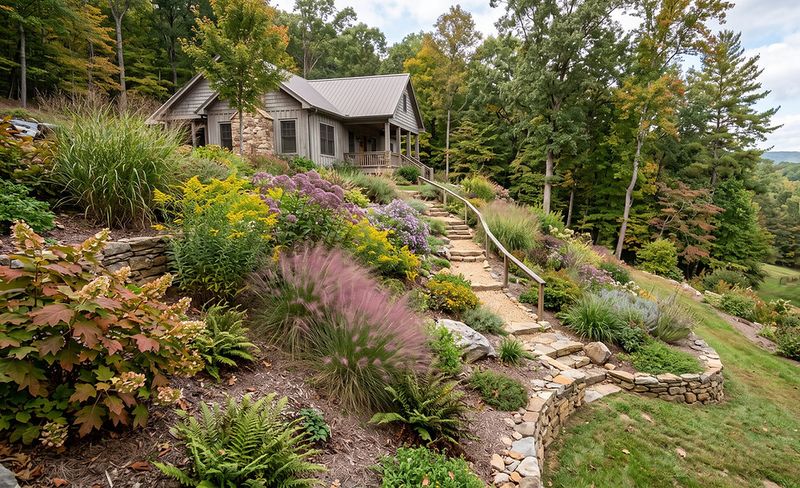
For a steep or actively eroding slope, go broader. Extension recommends a mixture of native plants on slopes, as nature does.
Pair groundcover with shrubs, grasses, and perennials suited to your site.
The decision is simple. Try Carolina green-and-gold if you are in the southern mountains or western Piedmont and have shade and good drainage.
The payoff may be fewer mowing days, if you earn it in the early years.