
Pantry Vinegar May Scorch Small Driveway Weeds, But It Is Not a Proven Winner Over a $20 Spray
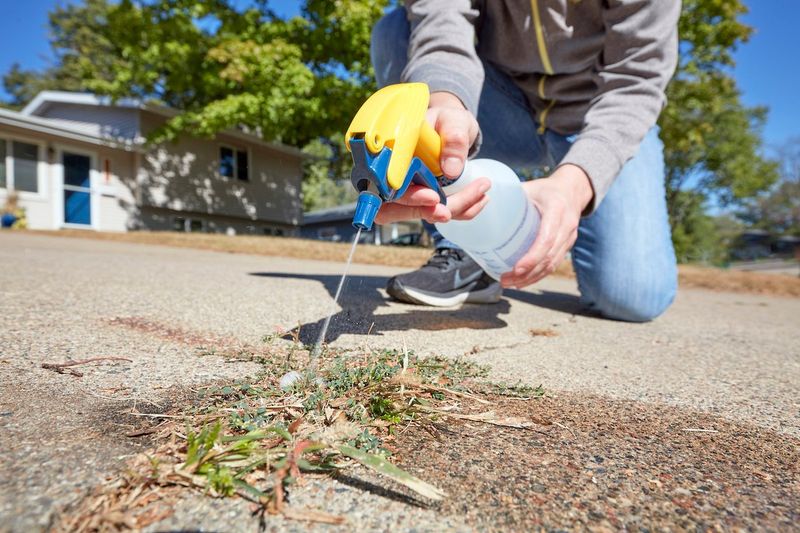
You spot green sprouts poking out of your driveway cracks, and the vinegar bottle in the pantry looks like a free fix. Many gardeners hear that it beats the pricey weed spray at the store.
The real story is more mixed, and knowing it can save you money, time, and a few damaged plants. Here is what vinegar can and cannot do, and what to try instead.
Vinegar burns what it touches—not every weed
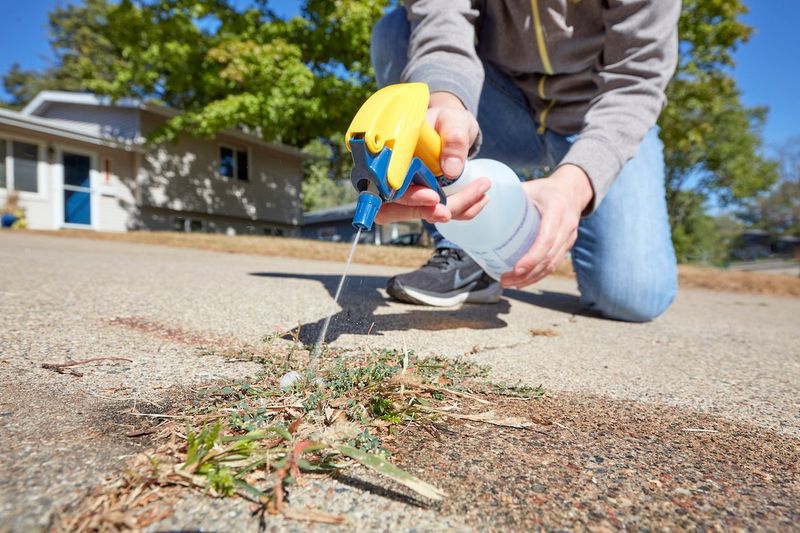
Ordinary kitchen vinegar is typically about 5% acetic acid, though strengths vary from bottle to bottle. Acetic acid works by damaging the plant tissue it lands on, as University of Maryland Extension explains.
That is why a sprayed leaf can look scorched within hours on a sunny day.
The catch is that vinegar does not pick favorites. Spray that reaches your hostas, a lawn edge, or the petunias beside the walkway can burn them just as it burns a weed.
Wind, a heavy squirt, and runoff along a crack can all carry it where you did not intend.
Burning leaves is also not the same as controlling a whole plant. Vinegar does not linger in the soil to stop new seedlings, so weeds can keep sprouting in the same crack next week.
And USDA Agricultural Research Service work on vinegar as a burn-down herbicide shows that results depend on things like acid strength and how much is applied.
So here is the honest answer to the headline. Household vinegar may scorch some small, exposed weeds.
It is not a reliable, general-purpose driveway weed killer, and nothing shows it beats an unnamed $20 spray.
Think of it as a short-term, top-growth burner at best. The next sections show where it helps, where it falls short, and what else you can do.
Small, young weeds are more vulnerable

Picture two weeds in the same crack. One is a seedling with a few tiny leaves, and the other is a thick dandelion that has been there since last summer.
Vinegar tends to do the most harm to the small, young, fully exposed one.
Size and age matter because a seedling has little leaf area and few reserves to bounce back with. A bigger plant has more leaves to lose and more stored energy to push out new growth.
Species matter too, since some weeds shrug off damage that flattens others.
A Cornell Cooperative Extension field study put numbers on this. In that trial, 5% acetic acid gave only short-term control of most perennial weeds, and results differed from one species to the next.
That is one specific study, so it is not a promise for every weed or every driveway.
Coverage plays a role as well. USDA research looked at acid concentrations and application volumes, which tells you that how much you spray and how well you wet the leaves can change the outcome.
A practical clue: if a weed is just a few leaves wide and sitting in full sun, vinegar has its best shot. If it has a thick crown or has flowered, expect a weaker result.
Brown foliage can hide a living root
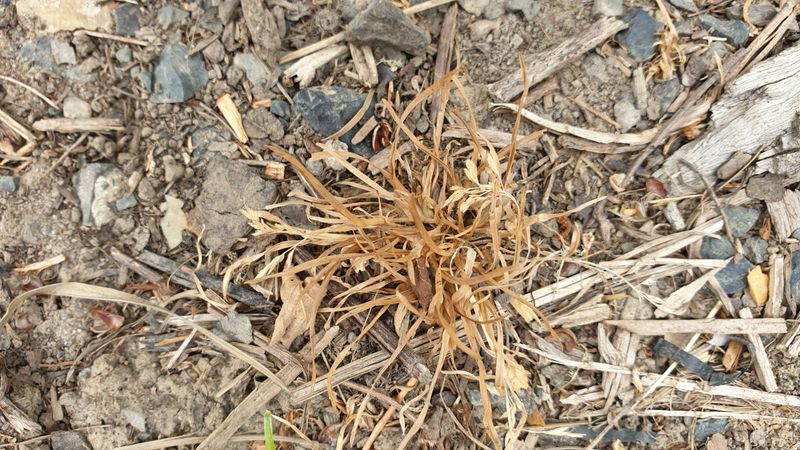
Walk out the morning after spraying and the weed looks crispy and brown. It is tempting to call that a win.
Look again a week or two later, though, and you may find fresh green shoots coming up from the same spot.
What you saw was damage to above-ground growth. The root, the part that stores energy, may be untouched.
University of Maryland Extension notes that vinegar can burn foliage without dependably controlling established roots, so regrowth is possible.
The same pattern showed up in the Cornell field study, where control of most perennials was short-lived. Not every treated weed will bounce back, and a few will stay gone.
You just cannot tell from the brown color alone.
Here is an easy check. Wait about two weeks, then look at the crown of the weed.
Any new green leaves mean the root survived, and you will need a different approach for that one.
For deep-rooted plants like dandelions or thistles, pulling out as much root as you can often beats repeated spraying. Set your expectations at a temporary tidy-up, and you will not be disappointed.
What does “better than $20” actually mean?
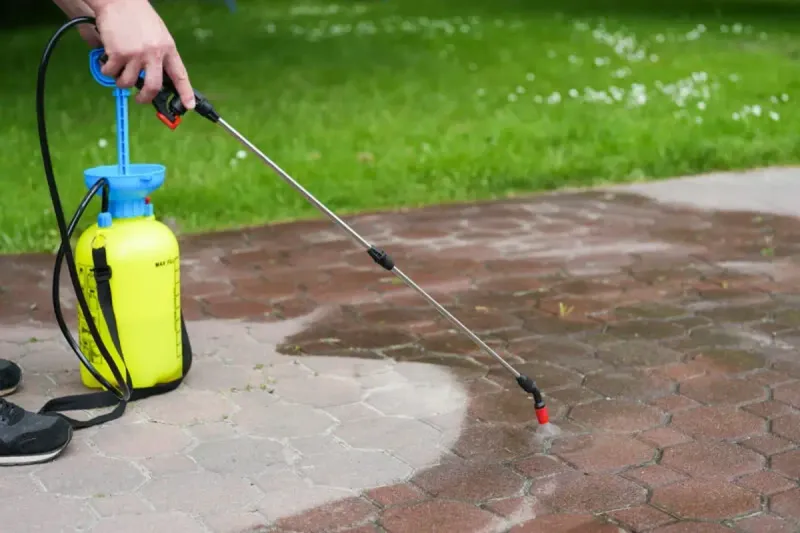
The headline claim sounds simple, but nobody can say who won. Which $20 spray?
Pantry vinegar against what weed? And better in what way?
Without those answers, there is no fair contest.
A real comparison would need a few things spelled out. First, the exact product and its active ingredient, along with the label directions.
Second, the target weed, since a seedling and an established perennial react differently. Third, a clear measure of better, such as quick browning, lasting control, safety, or total cost.
Those measures can point in different directions. Vinegar may brown a leaf faster than some products, yet that says nothing about whether the weed returns.
Cost is a similar trap, because a cheap bottle that needs repeat spraying may not stay cheap.
University of Maryland Extension notes that alternative herbicides can need repeat applications and can cost more than glyphosate. That is a broad comparison, though, not a head-to-head test against one specific bottle.
The Cornell results likewise cover vinegar on certain weeds, not a matchup with a store spray. So the fair takeaway is modest: vinegar is a cheap option for tiny weeds, not a proven champion.
For a few driveway cracks, scraping may be enough
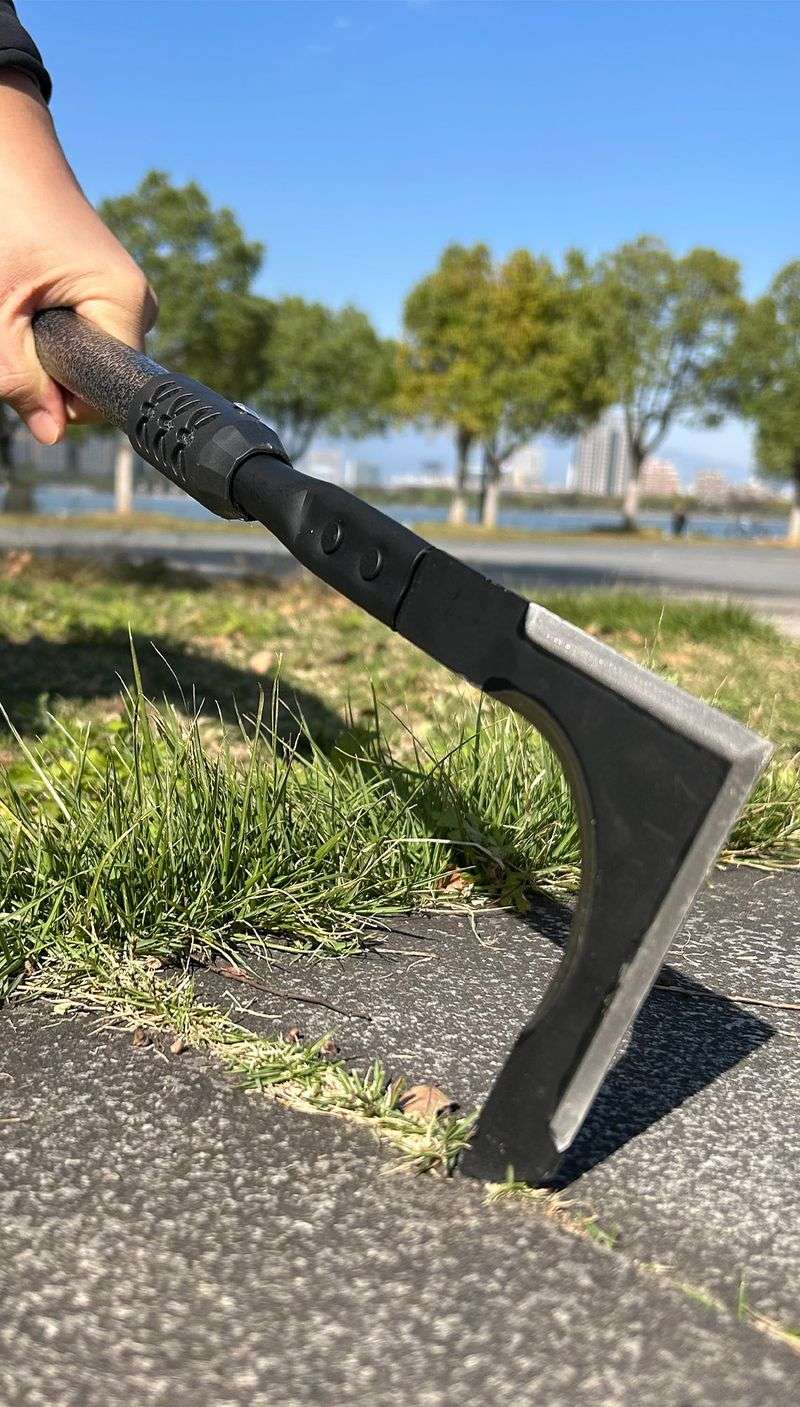
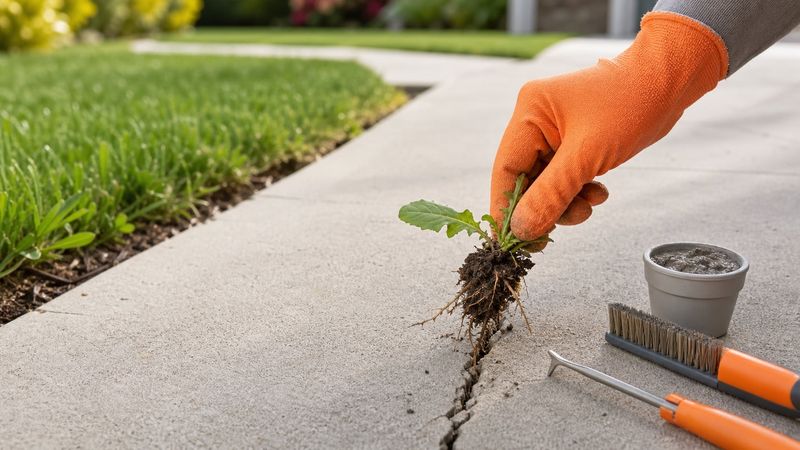
If you only have a handful of weeds poking out of the pavement, you may not need any spray at all. A crack knife, an old screwdriver, or a pair of gloves can clear them in minutes.
It costs nothing extra and leaves no chemical to worry about.
University of Maryland Extension recommends physical removal for weeds in hardscape cracks. It also treats regular monitoring as part of weed management.
A few tips make the job easier. Work after a rain when the soil is soft, since roots slide out more cleanly.
Follow the weed down to its base and pull or scrape out as much of the root as you can.
Then make it a habit. Walk the driveway every week or two and pluck new sprouts while they are tiny.
Small weeds come out easily, and you stop them before they set seed.
This advice stands apart from any claim about vinegar. It simply works well when the job is small, and it fits gardeners who would rather skip the sprayer.
Protect nearby plants and check the product label
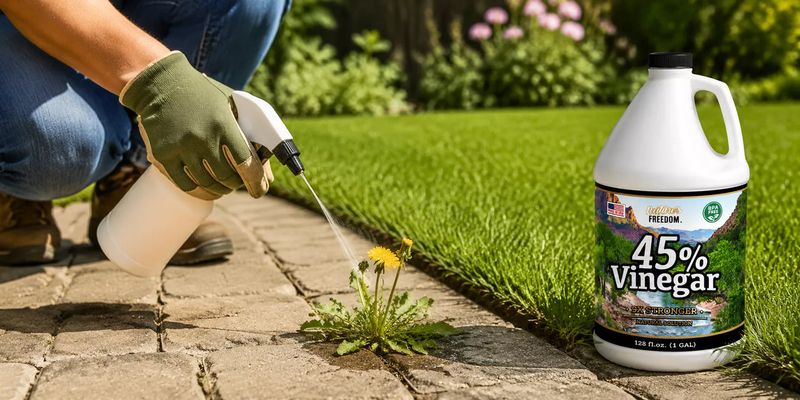
If you decide to spray, a little care goes a long way. Keep the liquid off your flowers, lawn, and vegetables, since it can injure any plant it touches.
Spray on a calm day, hold the nozzle low, and use a piece of cardboard as a shield beside plants you love.
Surfaces need a thought too. University of Maryland Extension warns that some acetic-acid products can stain, mottle, or etch masonry and damage certain metals.
Read the label for surface precautions before treating near pavers, concrete, or metal edging.
Do not assume natural means harmless. Kitchen vinegar is usually 4 to 6% acetic acid, but weed-control products can be far stronger.
The National Pesticide Information Center notes that concentrated acetic-acid products can seriously injure eyes and skin, and it advises choosing a product registered for herbicidal use and following its precautions.
When you want a herbicide, look for one labeled for your target site, and follow its directions. You can check for an EPA registration number on the label.
The EPA treats weed-killing intent as pesticidal and says vinegar is not an eligible active ingredient in minimum-risk pesticide products, so a labeled product is the clearer route.
Skip the salt mixtures you may see online. Washington State University Extension points out that salt can harm nearby plants and linger in the soil.
Mixing more pantry items together does not make a treatment safer or stronger.
Keep the promise small
Vinegar may knock back a few tiny, exposed weeds, and that is a fair job for a bottle you already own. It is not a dependable fix for every driveway weed, and it has not been shown to beat an unnamed spray.
For a few cracks, scraping and regular checks are a simple choice, and a labeled product is there if you need one.
Small expectations make for a tidy driveway. The best weed plan is usually the one you will actually repeat.