
What North Carolina Homeowners Have The Right To Do When A Neighbor’s Tree Hangs Over Their Yard
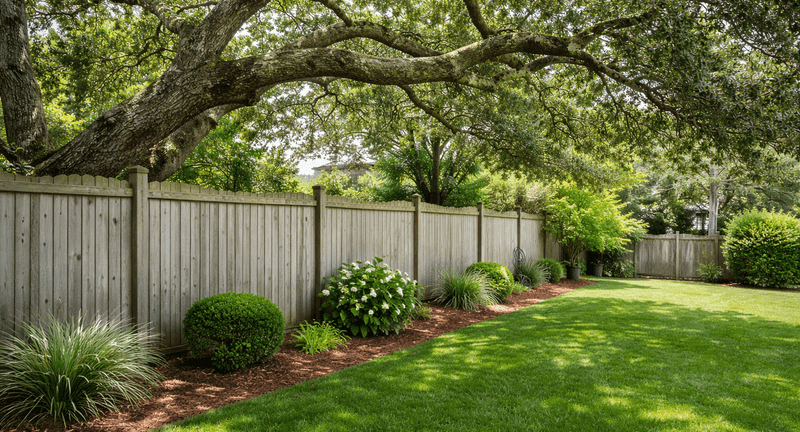
A big oak limb stretching over your patio can feel like a shady gift one day and a worry the next. North Carolina homeowners often wonder what they can trim, what they cannot touch, and who pays if something crashes down.
The answers depend on where the property line sits and what is wrong with the tree. Knowing the basics can protect your yard, your budget, and the tree itself.
You can generally trim branches that cross into your yard
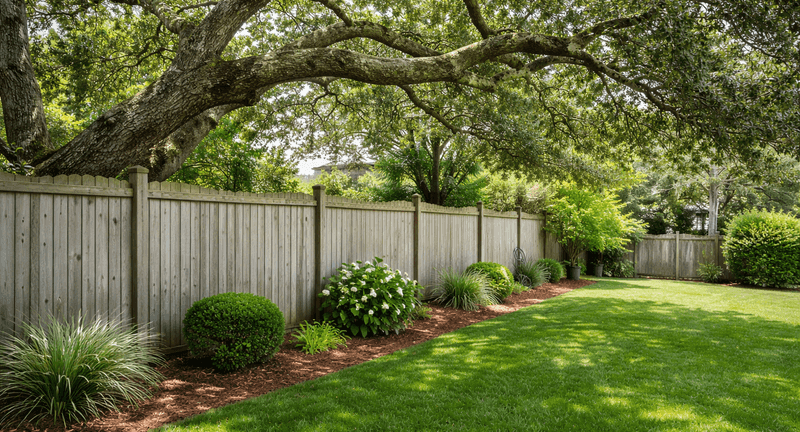
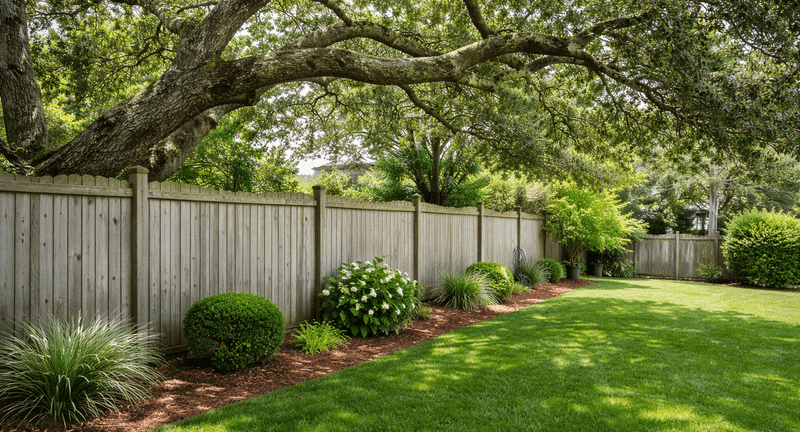
Picture a hardwood limb reaching over your fence and dropping leaves on your tamed flower beds. Homeowner guidance from the NC Pro Bono Resource Center says you may generally trim branches that cross onto your property, cutting back to the boundary line.
That guidance is practical advice for homeowners. It is not a right spelled out in a tree statute.
The same guide also says you generally cannot force a neighbor to prune ordinary overhang, so a branch that simply hangs over your yard is usually your own job to manage.
Here is the big limit. Permission to trim does not mean permission to hurt the tree.
The guide cautions against trimming in a way that kills it. Chopping away half of a canopy, or cutting so hard that the tree cannot recover, could turn a simple chore into a dispute with your neighbor.
Think of the job as a careful haircut, not a demolition. Take only what crosses your side, keep your cuts clean, and leave the tree healthy enough to keep standing.
Your neighbor’s tree still belongs to your neighbor, and so does the wood you trim in many practical situations, so a friendly heads-up before you start can save hard feelings.
For a tiny twig-level cleanup, a pair of pruners may do. For anything heavy or high, the next sections explain how to check the property line, local rules, and when to call a professional.
Where does your authority stop?
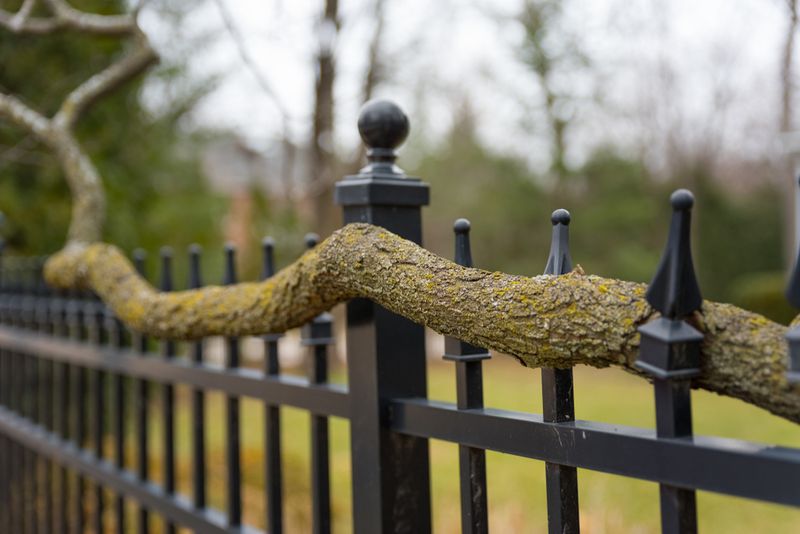
Your trimming authority ends at the property line, so start by finding out exactly where that line runs. A fence is not necessarily the legal boundary.
Fences get built a little off the line all the time, so check your deed, your plat, or a recent survey before you cut anything. The NC Pro Bono guide advises keeping the work on your side and stopping at the boundary.
Two statutes sometimes come up. N.C.G.S. 14-128 addresses specified willful damage to another person’s property, including trees, without consent.
It is not a general grant of pruning rights, so it should not be read as permission to cut overhanging limbs.
N.C.G.S. 1-539.1 provides triple damages, but only within its text, which concerns specified unauthorized entry onto land and injury, cutting, or removal of valuable trees and other listed vegetation. A disputed branch cut does not automatically trigger triple damages.
Still, stepping onto a neighbor’s land to cut is the kind of move that invites trouble.
A trunk that sits right on the boundary is a special case. Both neighbors may have an ownership interest in that tree, and the sources do not give a simple statewide formula.
Do not assume it is split down the middle. Confirm the line and talk with an attorney before cutting or removing a boundary tree.
Roots call for more caution than branches
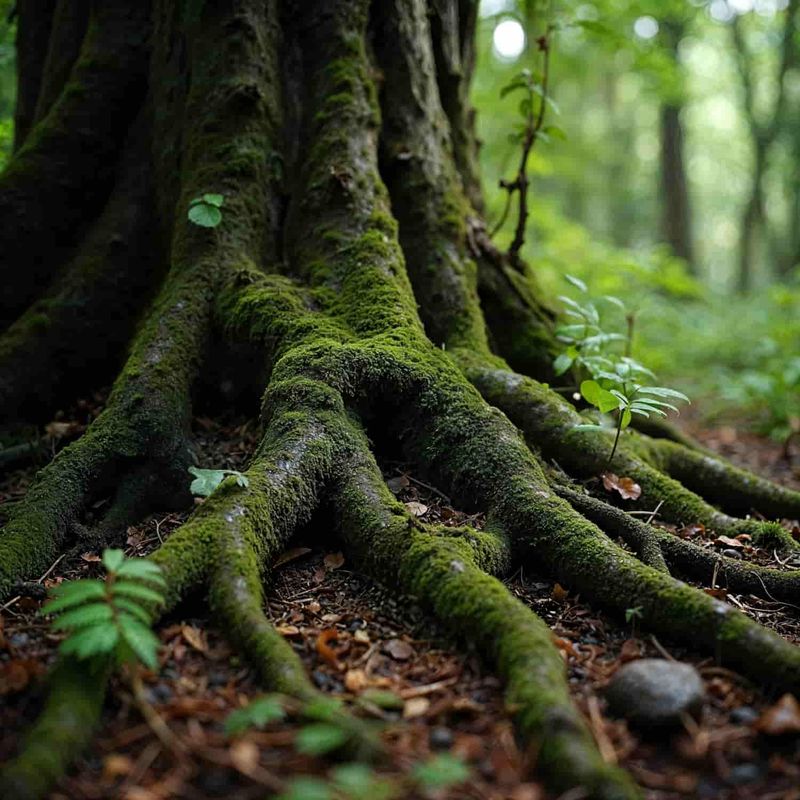
Roots are a different story from branches. The clear homeowner guidance covers limbs that cross the line, but the sources reviewed do not give a blanket right to sever any root that crosses the boundary.
Treat the two questions separately.
North Carolina courts have recognized that encroaching roots or branches that cause damage can support a nuisance claim. Rowe v.
McGee is one case that touches on this. Whether a claim works depends on the facts, such as real damage to a foundation, pipe, or driveway, not just the presence of roots.
Nuisance law is also fact-dependent in general. The state supreme court’s Pendergrast v.
Aiken speaks about unreasonable conduct and substantial interference or injury, but it was not a tree case. Ordinary leaves, shade, or overhang do not automatically count as a nuisance.
There is a safety angle too. NC State Extension notes that cutting a large anchoring root can matter when people later ask whether a tree’s failure was foreseeable.
A tree with a damaged root system may lean or fall in the next storm.
If roots lie close to the trunk, or the work is substantial, hire a certified arborist before you cut. A short consultation costs far less than a fallen tree or a legal fight.
Plan the work before you pick up a saw
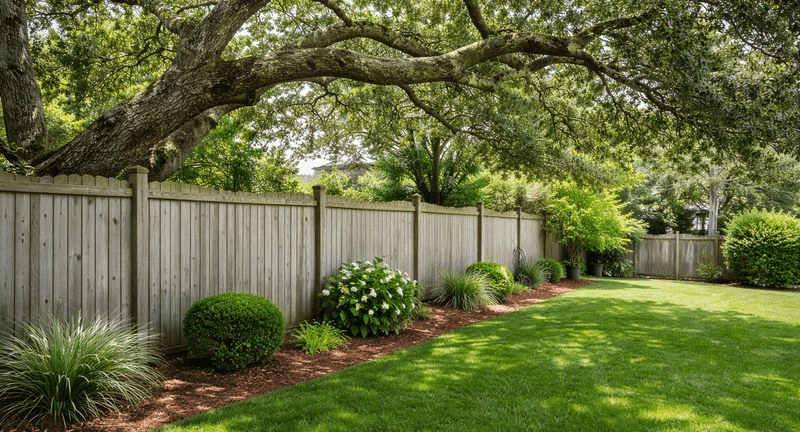
Before any cutting, spend an hour on homework. Local rules can limit what you do, and they vary by place.
NC State Extension’s citizen guide points to protected or specimen trees, stream buffers, easements, and HOA-regulated trees as things to check. No single restriction applies to every tree in the state, so look at your own town, county, and subdivision.
Start with your town or county planning office, then read your HOA covenants. Look at your plat for easements, especially along back lot lines where utilities often run.
A tree near a creek may fall under buffer rules.
Next, decide who should do the work. For large or difficult branches, suspected hazards, or roots near the trunk, a certified arborist is the safer choice.
An arborist can also tell you whether a planned cut might hurt the tree, which matters because the NC Pro Bono guide warns against trimming in ways that kill it.
Power lines deserve special respect. The NC State Extension guide says North Carolina’s Overhead High-Voltage Line Safety Act calls for contacting the electric utility before work within 10 feet of overhead lines or poles.
Never climb or reach near wires on your own.
A written plan of what to cut, who will do it, and where the line sits keeps the job simple and defensible.
A fallen tree does not automatically make its owner liable
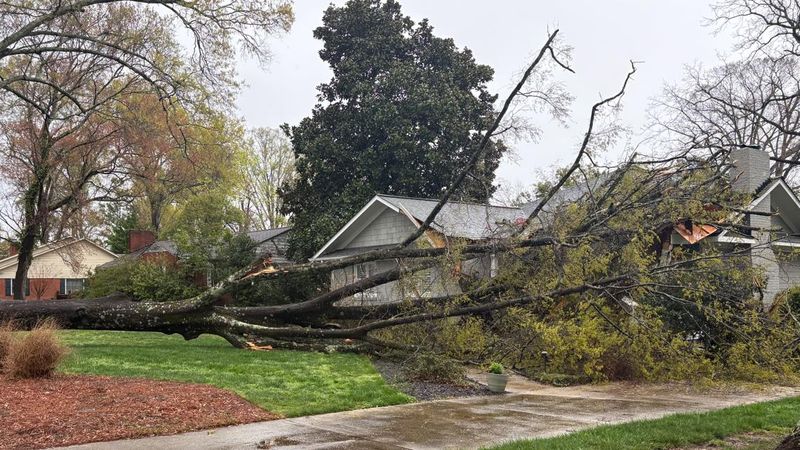
When a limb crashes into your fence or roof, it is natural to think the tree owner must pay. North Carolina sources say it is not that simple.
NC State Extension explains that liability depends on negligence, not ownership alone.
The key question is whether the owner knew or should have known the tree was dangerous, for example because it was badly decayed or leaning. A healthy tree knocked down by a storm does not, by itself, make the owner negligent.
Often that kind of loss is simply an unlucky event.
A storm is not a magic shield, though. If the owner ignored obvious signs of trouble, such as a rotten trunk or dead limbs, the weather may not excuse them.
Courts look at the facts, including what a reasonable owner would have noticed.
Rowe v. McGee shows the idea.
Owners who knew their tree was decayed and liable to fall had a duty to eliminate the danger.
For you, this means the story of the tree before it fell matters. Photos of earlier decay, notes about dead branches, and records of past complaints can become the most useful evidence you have.
Visible warning signs can matter—but notice is not a guarantee
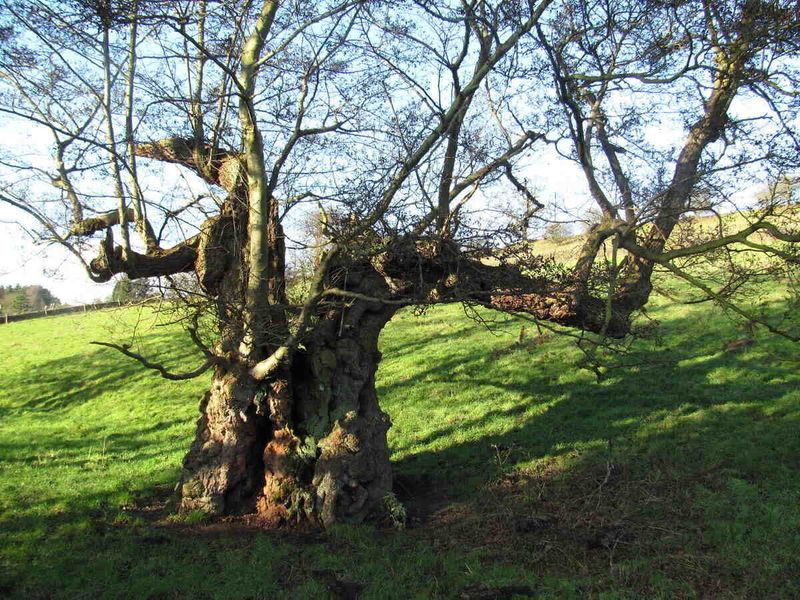
Some trees show trouble long before they fail. Visible decay, a pronounced lean, dead branches, and similar signs may suggest that a fall is foreseeable, which NC State Extension identifies as relevant to liability.
Courts have looked at these facts closely. In Wallen v.
Riverside Sports Center, evidence of conspicuous decay, dead branches, and a strong lean led to a jury question. The court also cautioned that it was not creating an absolute duty to inspect or trim all trees.
If you spot a hazard, gather evidence. Take dated photos from your side of the line, and write down what you see and when.
An arborist’s written opinion can add weight.
Then tell the tree owner in writing and ask them to address it. This is a prudent step, not a statutory procedure.
No certified-mail rule is required, and a letter does not guarantee you will recover anything later.
Notice has limits. In Rowe v.
McGee, the court also let a contributory-negligence question go to the jury based on the adjoining owners’ conduct and their chance to remove the tree. That 1969 decision reminds us that what each neighbor did can matter.
After damage, start with your insurer
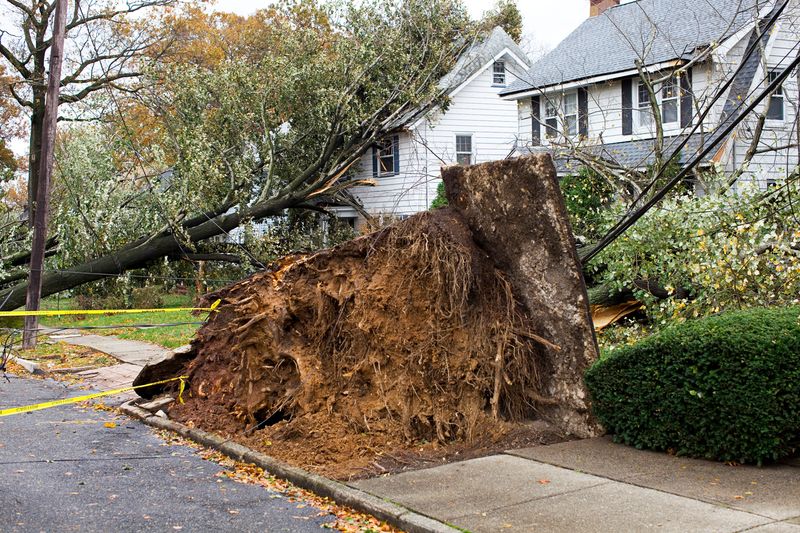
When a tree or limb hits your house, shed, or car, call your insurer early. NC State Extension says a homeowner’s policy may cover damage and removal costs.
Whether it does depends on your policy and the facts.
Keep the scene as documented as safely possible before cleanup. Take photos and video of the tree, the damage, and the spot where it came from.
Save repair estimates and receipts for emergency work.
Also save anything about warning signs. Earlier photos, past messages with the neighbor, and any arborist reports could show whether the danger was known or should have been known.
The same guidance notes that an insurer may pursue a neighbor if the evidence supports negligence. That is not a promise of recovery.
If the tree looked healthy and a storm brought it down, the neighbor may not be responsible at all.
Stay out of any tangle of wires, and keep clear of leaning limbs. Call the utility for anything touching power lines.
Safe steps first, paperwork second, and a calm talk with your neighbor third often make the whole process smoother.
Keep the boundary—and the tree—in view
Know where your line runs, and let that line guide every cut. NC Pro Bono guidance supports trimming overhang on your side without killing the tree, while roots call for extra care and expert advice.
Check local rules and power line safety first, and remember that fall liability turns on negligence, not ownership alone.
A good neighbor and a good record usually beat a good saw.