
Plenty Of Leaves But Not A Single Fig? Your Tree Is Telling You One Of These 7 Things
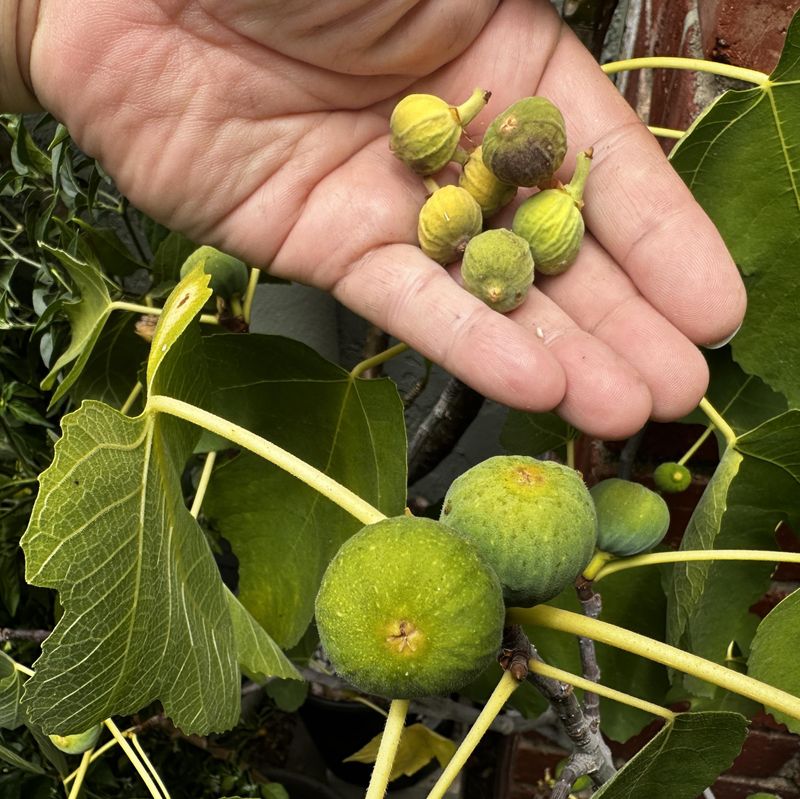
You water it, you admire those big green leaves, and then summer ends without a single fig to show for it. That can feel like a slap in the face from a plant you have babied for years.
The good news is that a leafy fig with no fruit is usually not sick at all, it is just sending you a message. Once you know how to read the signs, most of these problems have simple, cheap fixes you can start today.
1. It Is Simply Too Young
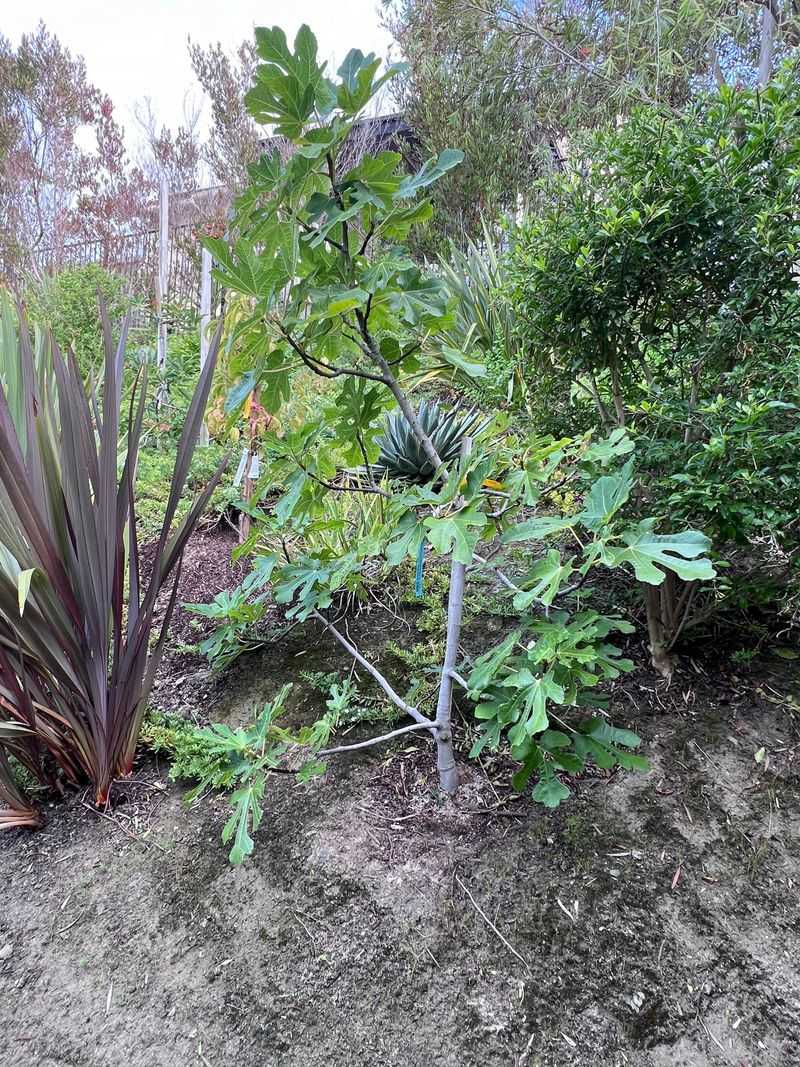
Picture a teenager who eats everything in the fridge but still is not ready for a full-time job. A young fig tree acts a lot like that, pouring all its energy into roots, trunk, and leaves before it ever thinks about fruit.
Some figs start bearing at two years old, while others take up to six years to settle in and produce reliably. If your tree is still on the young side, a lack of figs is completely normal and not a sign you did something wrong.
The fix here is mostly patience. Resist the urge to push it with extra fertilizer or a hard pruning, since both can actually delay that first crop.
Keep it watered, give it sun, and let time do the heavy lifting.
2. Too Much Nitrogen
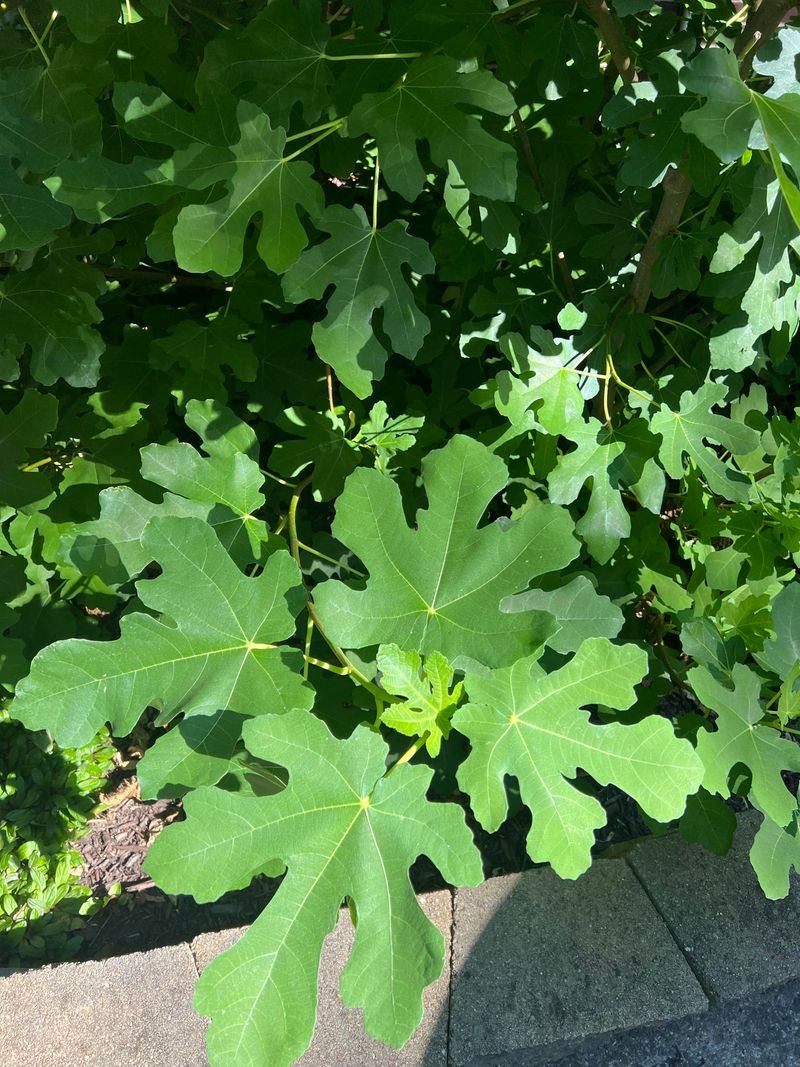
Ever notice your fig looks greener and bushier than any tree on the block, yet the branches are bare of fruit? That jungle look is often a nitrogen overload.
Nitrogen tells plants to grow leaves and stems. When a fig gets too much, it happily builds foliage and forgets about figs.
The culprit is often a high-nitrogen fertilizer, but sneaky lawn fertilizer runoff can do the same thing if your tree sits near the grass.
Cut back or stop high-nitrogen feeding. If your tree needs food at all, switch to a balanced fertilizer or one a little higher in phosphorus and potassium, which support flowering and fruit set.
Also check where your lawn spreader goes, and keep a buffer zone around the fig.
3. Not Enough Sunshine
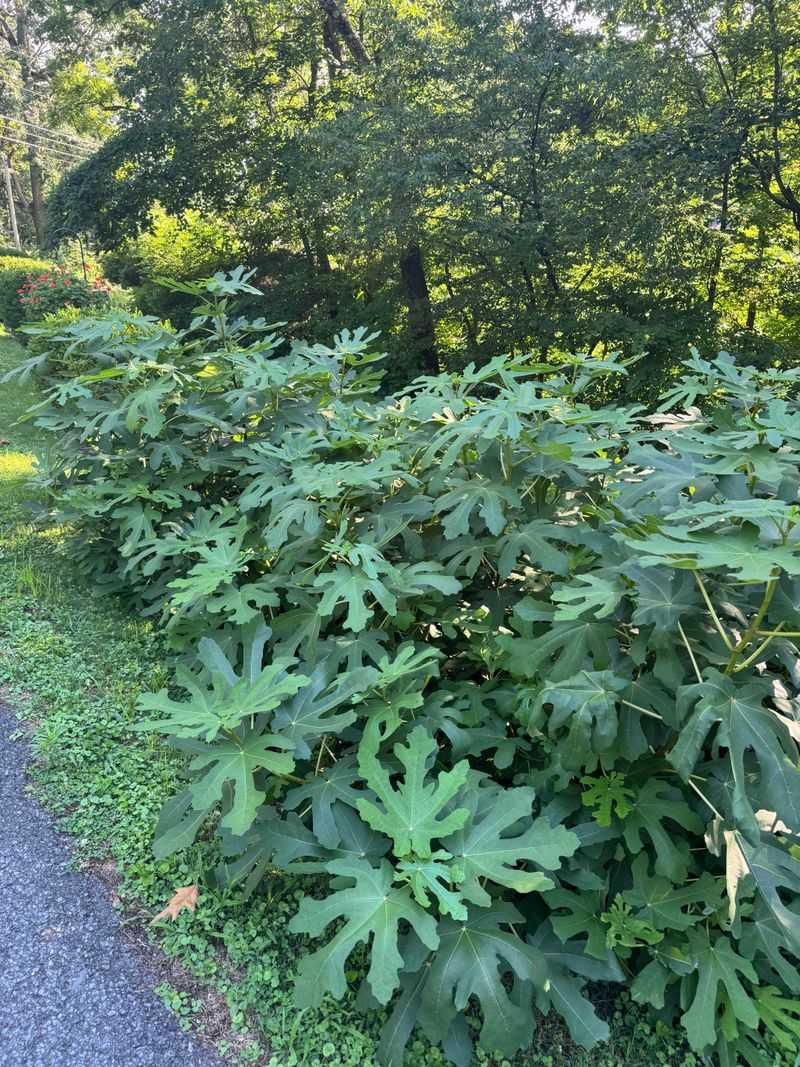
Figs are sun worshippers at heart. Their wild ancestors grew on hot, rocky Mediterranean hillsides, so a shady corner of your yard is a tough place for them to thrive.
A fig can stay alive and leafy in partial shade, but fruit is another story. Without strong, direct sun for most of the day, the tree simply does not have enough fuel to set a good crop.
Walk out at a few different times of day and watch where the shadows fall. Potted figs are easy: move them to your brightest, warmest spot.
For trees in the ground, try thinning nearby branches that block light, or open up the fig’s own crowded canopy while it is dormant in winter.
4. Watering Stress
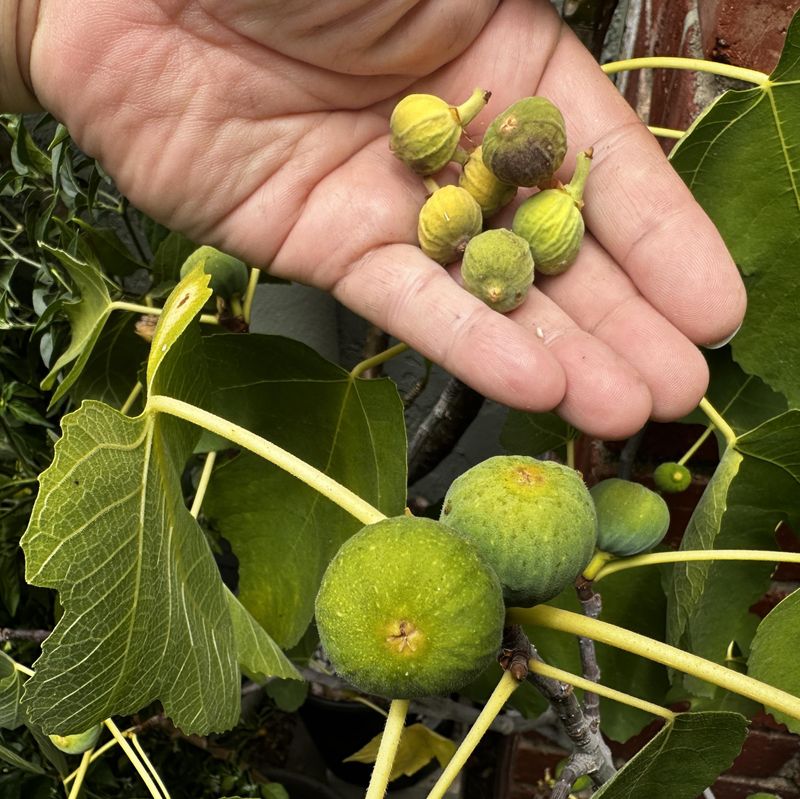
Tiny green figs scattered on the ground under your tree can be heartbreaking. Often, they are a clue that watering has been a little off.
Fig trees dislike extremes. Bone-dry spells during a summer heat wave can make the tree drop young fruit to save itself, while soggy, waterlogged soil can weaken roots and cause the same problem.
Either way, a stressed fig puts survival ahead of dessert.
Aim for steady moisture. Water deeply rather than giving quick sprinkles, and make sure the soil drains well.
A layer of mulch can help hold moisture during hot weather. If your fig lives in a pot, check it often, since containers dry out much faster than garden soil, sometimes daily in July.
5. Pruning Gone Wrong
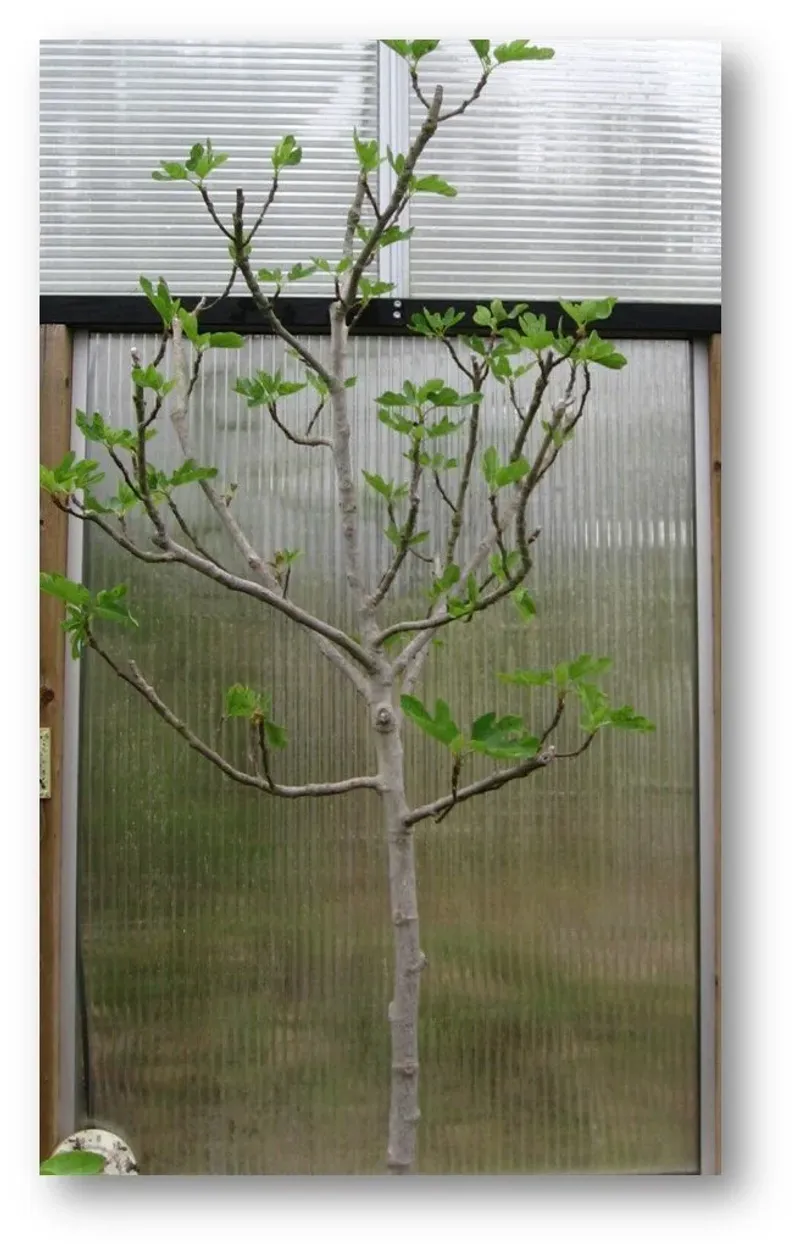
We have all been there with pruning shears in hand, feeling productive and maybe a bit too enthusiastic. A hard winter cut can leave a fig answering back with a flood of leafy shoots and very little fruit.
Heavy pruning tells the tree to regrow what it lost, so energy goes into branches instead of figs. Since many figs bear on new growth, careless cutting can also remove the very wood that would have fruited.
Go lighter in winter, and add a little summer care instead. Pinching or topping the tips of new shoots encourages branching, which creates more fruiting wood.
Think of it as gentle shaping rather than a dramatic haircut.
6. The Wrong Variety For Your Area
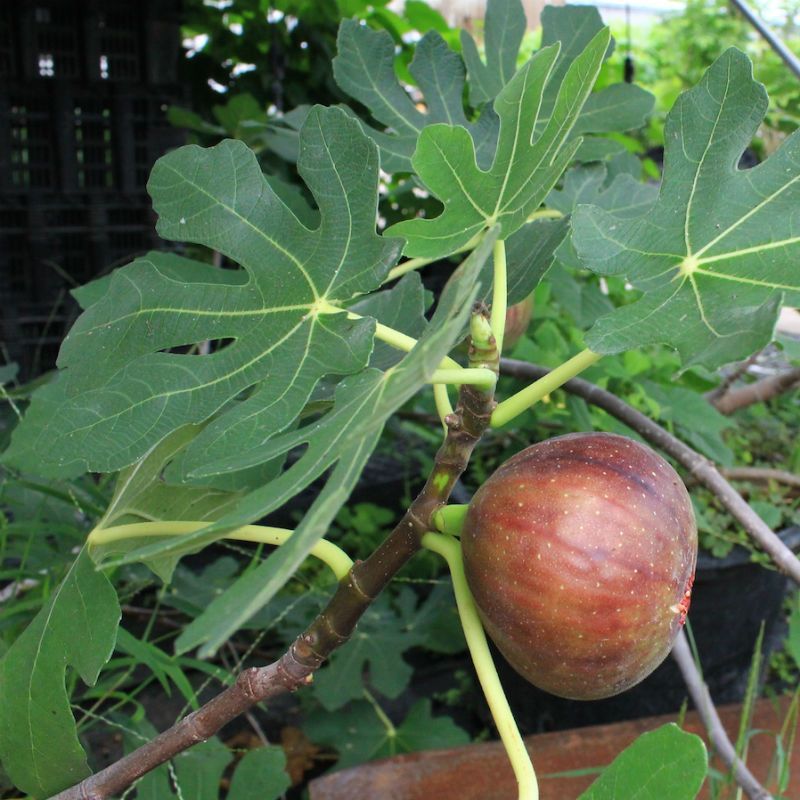
Here is a fun bit of fig trivia: some fig types need a tiny wasp to crawl inside the fruit and pollinate it. Without that wasp, the fruit never fully develops.
Thankfully, most backyard favorites, like Brown Turkey and Celeste, are self-fruiting and need no help at all. But Smyrna figs, and the main crop of San Pedro types, depend on that specific fig wasp, which is missing from most of the US.
If your tree is mature, sunny, well fed, and still fruitless after you have ruled out everything else, find out exactly what you are growing. Check the old nursery tag or ask a local extension office.
If it turns out to need pollination, swapping it for a dependable self-fruiting variety may be the kindest fix for you both.
7. A Pot That Is Too Big
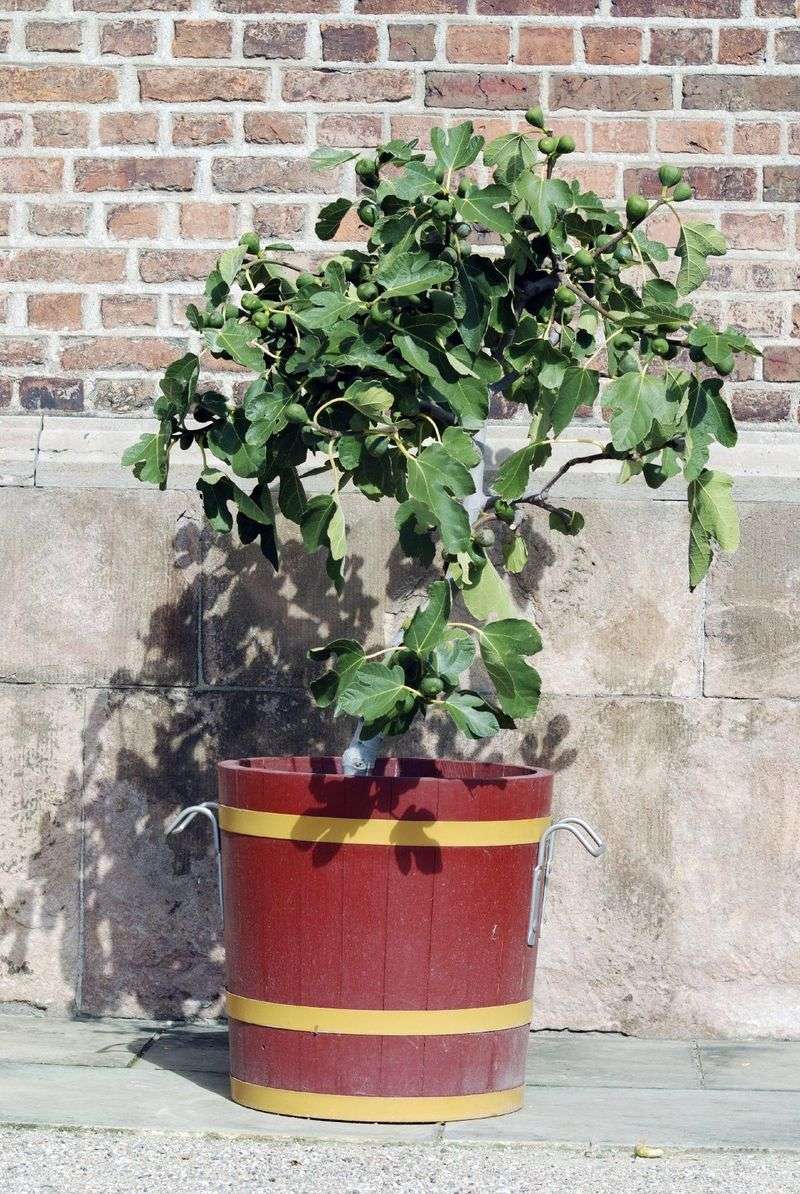
Upgrading your potted fig to a roomy new home feels like a gift. Oddly enough, the tree may thank you with leaves instead of figs.
Container figs tend to fruit best when their roots feel a bit snug. Drop one into a huge pot, and it sees all that empty soil as an invitation to grow roots and foliage first, putting fruit on hold until the space fills up.
When repotting, step up only one size at a time so the root ball fits comfortably without tons of extra room. If you already went big, give it a season or two to settle, and keep the other basics in check: full sun, steady water, and light feeding.
A little confinement can go a long way toward a basket full of sweet figs.