
Red Hot Pokers Tolerate Dry Spells and Deer Better Than Wet Feet: Where to Plant Them
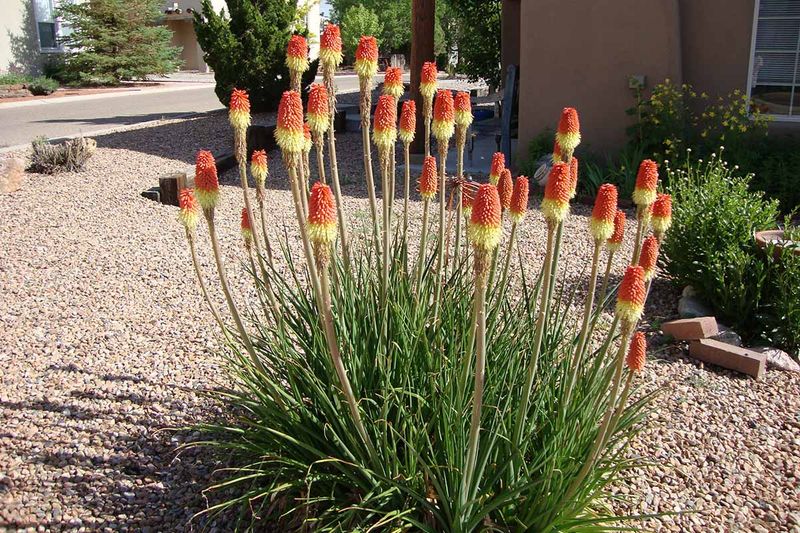
Red-hot pokers send up blazing orange and yellow spikes that look like torches in the garden. They have a reputation for being tough, but one placement mistake can cost you the whole plant.
Knowing which conditions are a real threat and which only slow the plant down can save you a lot of worry. Here is how to pick the right spot and keep your pokers healthy.
Persistently wet ground is the wrong spot
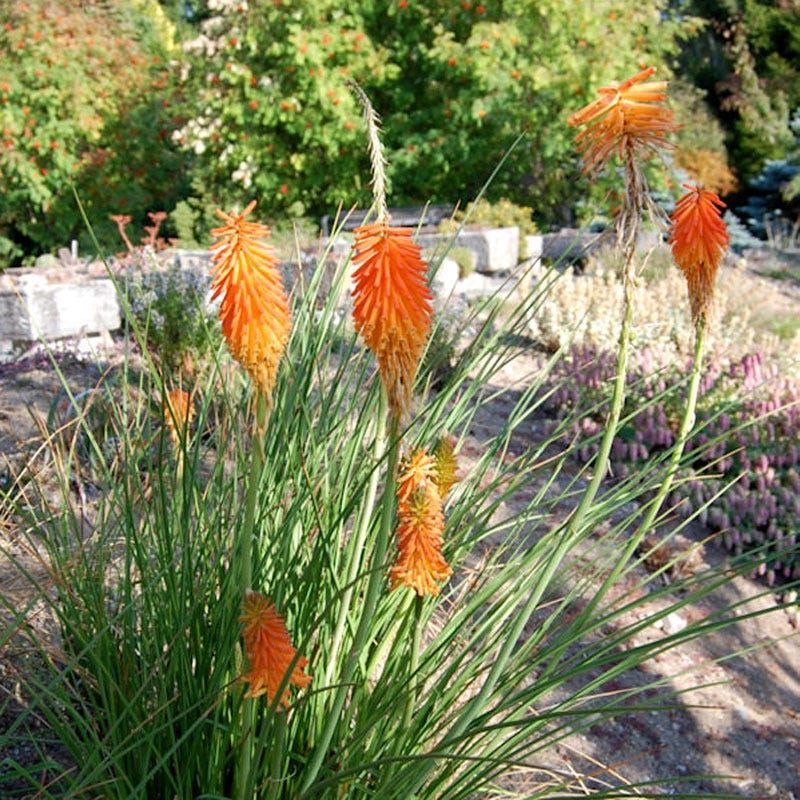
If your red-hot poker is going to fail, soil that stays soggy is the most likely reason. Ground that drains poorly, especially where it stays cold and wet through winter, can lead to root rot or outright plant loss.
NC State Extension points to well-drained soil as a key requirement for this plant.
Not every wet spell is a death sentence. A heavy summer rain or a damp week in spring will not doom an established clump growing in soil that drains well.
The trouble starts when water lingers around the crown and roots for long stretches, particularly when the ground is cold and plant growth has slowed down.
Winter drainage matters in cold regions too. A Chicago Botanic Garden trial looked at selected plants that performed in zones 5b through 9, but hardiness varies among species and cultivars, so that range is not a promise for every poker or every yard.
Before planting, test the spot. Dig a hole about a foot deep, fill it with water, and see how long it takes to empty.
If water is still sitting there many hours later, choose a different location, or plant on a slope or in a raised bed. The Royal Horticultural Society also stresses good drainage for these plants.
A low corner where a downspout empties, or a heavy clay patch that stays gooey after rain, is where pokers tend to struggle. Slightly raised ground near a sunny fence or driveway edge is often a better bet.
Full sun gives the flower spikes their best chance
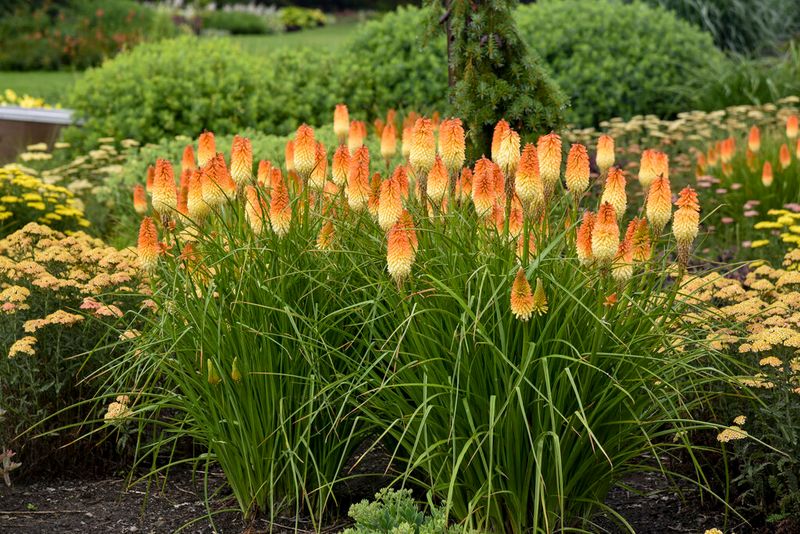
Red-hot pokers form clumps of arching, grasslike leaves, and from them rise upright spikes packed with tubular flowers. Reds, oranges, and yellows are the classic colors, though some varieties come in other shades.
Size and bloom timing vary by species and cultivar, so check the tag on the one you buy.
For the best show, give your poker a spot that gets full sun. The Royal Horticultural Society describes sunny conditions as the right choice for flowering.
Shade is a different kind of problem from wet soil. A plant in part shade will usually survive, but it may bloom less.
In deep shade, it may not flower at all, leaving you with a clump of leaves and no torches.
If your poker is leafy but flowerless, light is a good first suspect. Watch the spot over a day and count the hours of direct sun.
A tree that has leafed out larger over the years may have quietly turned a sunny bed into a shady one.
Moving a poker is a last resort, since NC State Extension advises avoiding unnecessary disturbance. Trimming back an overhanging branch can sometimes fix the light problem without digging anything up.
Lean soil is not a promise of lush growth
You will often hear that red-hot pokers handle poor soil. That is only partly true.
They may put up with leaner conditions, but very poor, dry soil can restrict growth, as the Royal Horticultural Society notes.
In fact, NC State Extension describes a preference for rich, humusy soil. So if your bed is thin, sandy, or depleted, do not expect lush clumps or loads of blooms.
It helps to separate two ideas: fertility and drainage. Drainage decides whether the plant survives.
Fertility mostly affects how well it grows and flowers. A sandy spot drains beautifully but may hold little food or moisture, while a rich clay spot may hold plenty of nutrients but stay too wet.
The ideal is soil that is both reasonably rich and free draining. If your soil is lean, working in some organic matter such as compost at planting time is a sensible way to improve it, though there is no one recipe that suits every garden.
Set your expectations to match the site. A poker in tough ground may grow slowly and produce fewer, shorter spikes.
That is not necessarily a sign you have done something wrong, just a sign the soil is holding it back.
Established plants tolerate dry spells, not every drought
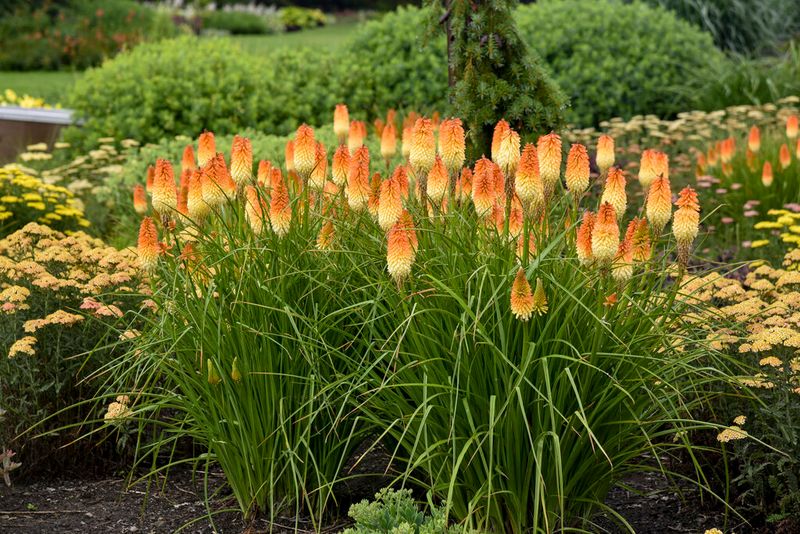
A new red-hot poker needs your attention. During its first year, give it occasional thorough watering so roots can settle in, as the RHS growing guide advises.
A deep soak now and then beats frequent light sprinklings.
Once the plant is established, it generally needs water during prolonged dry spells rather than on a set schedule. Weather, soil type, and plant size all change how thirsty it gets, so watch the plant and the soil instead of the calendar.
Calling it drought tolerant is fair for established clumps, but it does not mean never water. NC State Extension recommends medium-moisture soil and says not to let the plant become water-stressed while flower buds are forming.
Other sources agree it prefers some moisture. Washington State University and Alabama Cooperative Extension both treat it as a perennial that handles dryness fairly well, which is a different thing from thriving on neglect.
A practical clue: if the leaves look droopy or the soil is dry several inches down during a long hot stretch, give it a slow, deep drink, especially when flower stalks are starting to rise. Then let the soil drain before watering again.
Tubular blooms attract hummingbirds, but deer resistance is not a guarantee
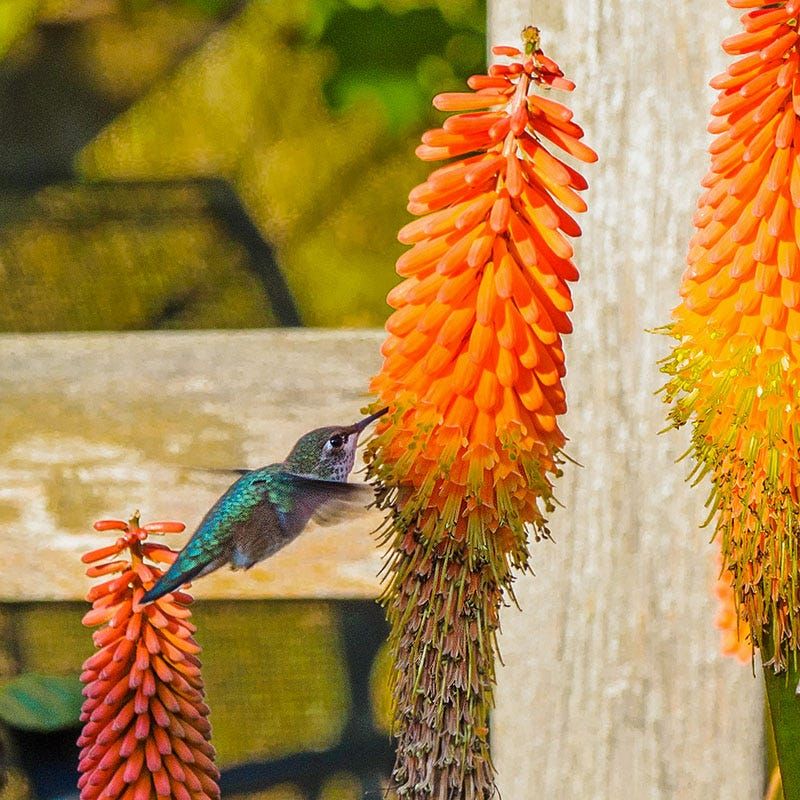
The tubular shape of the flowers is what draws hummingbirds. Both N.C.
Cooperative Extension and the Washington State University plant profile mention this appeal. Whether you see visitors depends on your region, the season, and what else is blooming nearby.
Think of hummingbirds as a possible bonus rather than a sure thing. Plant the poker in a sunny, open spot where you can watch it from a window or patio, and keep an eye out in the weeks when the spikes are in bloom.
Deer are a separate question. NC State Extension lists red-hot poker as resistant to deer damage.
Resistant, though, is not the same as deer-proof.
Iowa State Extension cautions that deer may still browse plants listed as rarely damaged, especially when food is scarce or deer numbers are high.
If deer visit your yard often, try your poker in a spot you can check regularly, and note any nibbled leaves or tips. Pairing it with other plants deer tend to avoid may help, but expect to adjust based on what your own local herd does.
Simple cleanup helps, but clumps do not grow bigger forever
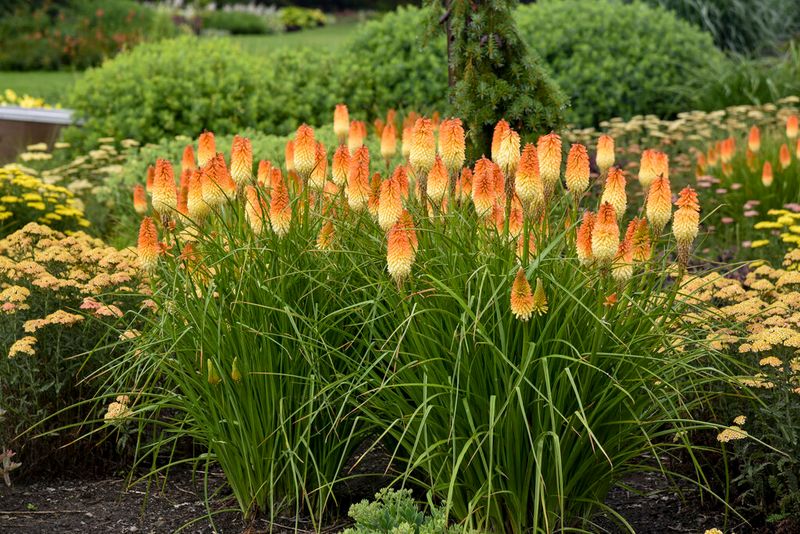
Once a flower spike fades, cut the stem back to its base. The RHS growing guide recommends this for tidiness and to limit seed production.
More flowers may follow, but a second round is possible, not guaranteed.
Gardeners often hear that a poker comes back bigger and bloomier every year. Reality is more mixed.
Clumps spread by rhizomes and can send up side shoots, so they often do widen over time, but growth and flowering vary from year to year and from plant to plant.
A mature clump can also get crowded. The RHS notes that congested clumps may flower less and sometimes benefit from division.
If your older poker has plenty of leaves but fewer spikes, crowding could be part of the story.
Still, do not rush to dig. NC State Extension advises avoiding unnecessary disturbance.
A healthy, blooming clump is best left alone.
As for trimming, N.C. Cooperative Extension also mentions removing spent blooms.
Keep the leaves, since the plant uses them to gather energy.
Divide only when flowering has clearly dropped off and the clump looks packed, and make sure the new spot has the sun and drainage it needs.
Check the site before you plant
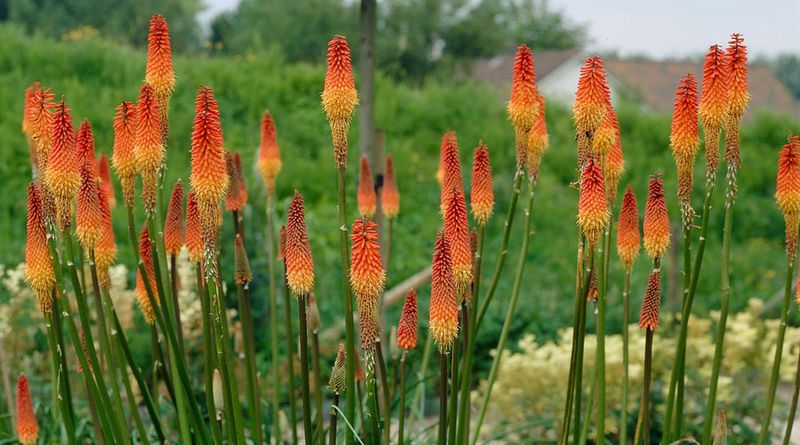
Before the shovel goes in, run through a quick check. Does the spot get full sun?
Does water drain away reliably, even after heavy rain and through winter? If both answers are yes, you are off to a good start.
Water deeply but occasionally during the first year, then during prolonged dry spells and while buds form, as the RHS growing guide and NC State Extension suggest.
A well-placed poker can be a low-maintenance perennial, though no site can promise survival, endless blooms, or a bigger clump each year. Choose well-drained ground and the torches have their best shot at lighting up your summer.