
Creeping Thyme Can Help Limit Weeds Around North Carolina Flower Beds Once It Fills In
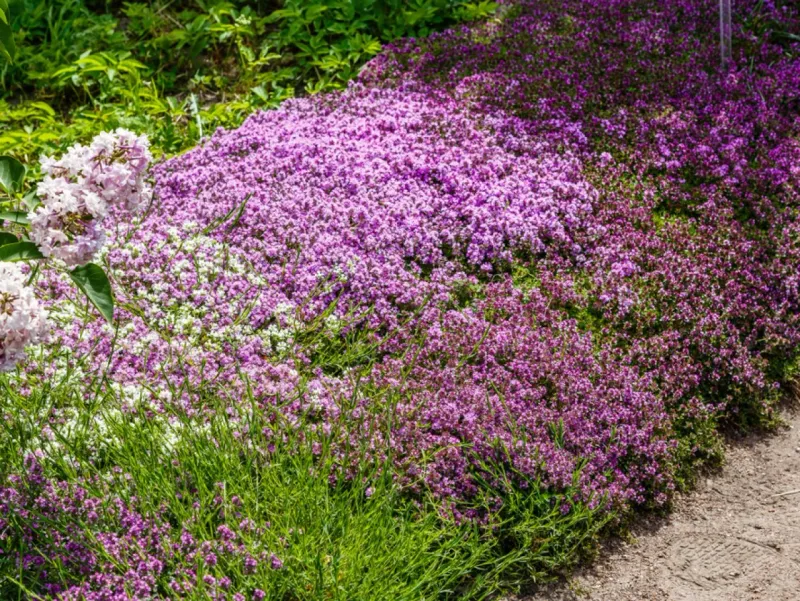
Bare soil around a flower bed is an open invitation for weeds. A low, fragrant herb called creeping thyme is often suggested as a living blanket for that space.
It can help, but it is not a magic fix, and it does not fit every North Carolina yard. Here is how to tell whether it belongs in yours.
The low-growing herb behind the claim
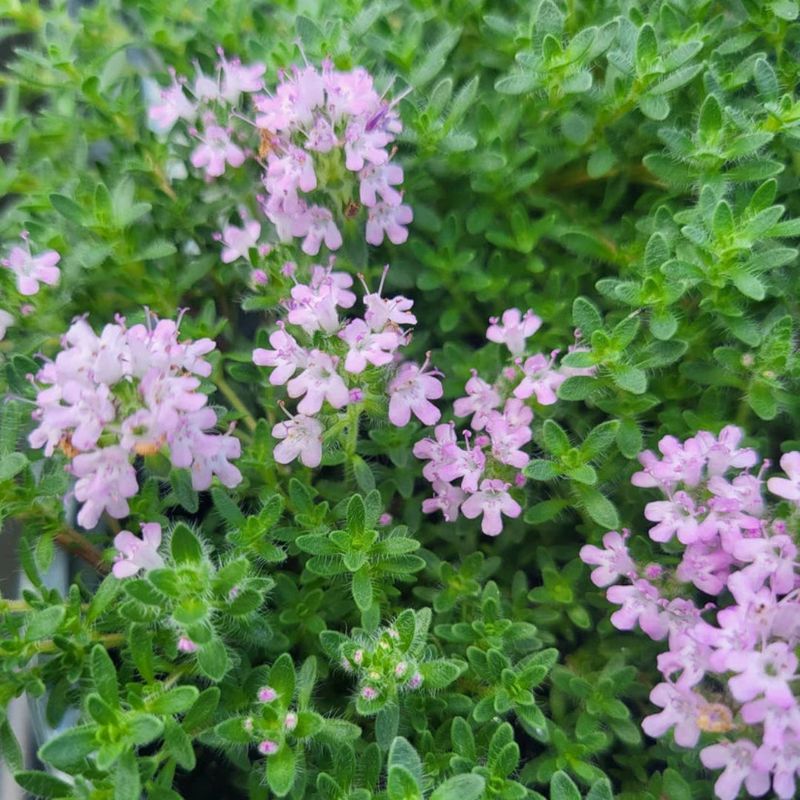
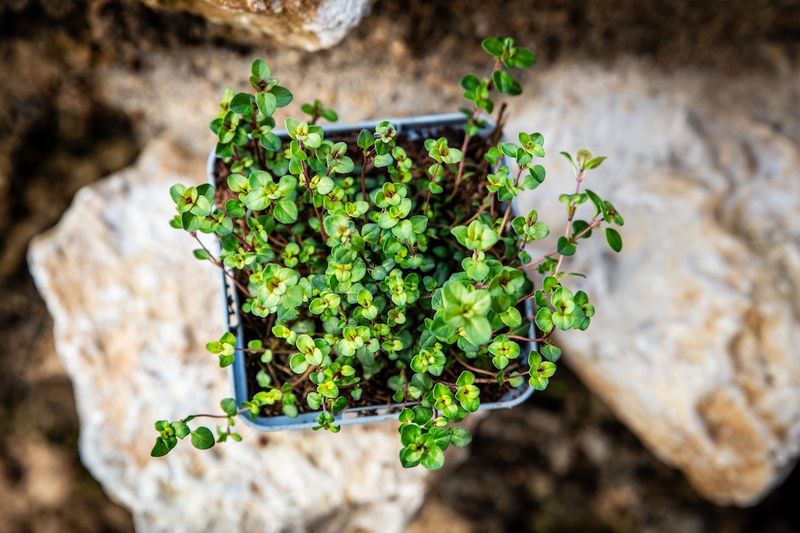
The plant most likely behind this claim is creeping thyme, Thymus serpyllum. NC State Extension’s plant profile describes it as an aromatic perennial that stays only about 2 to 3 inches tall.
Its tiny leaves release a pleasant scent when brushed, and in season it is dotted with pink-to-purple flowers.
Gardeners mostly plant it as an ornamental groundcover. It spreads outward in a low mat, which makes it a natural fit for borders, pathways, and gaps between stones.
Think of it as a landscape plant first.
You may see it called a herb, and it is related to the thyme in the spice rack. But it is grown mainly for looks, not as a dependable kitchen herb.
If you want a lot of leaves for cooking, other thyme types are a better choice.
So where do flower beds come in? Wherever the soil sits bare, weeds tend to move in.
A dense mat of thyme can cover some of that ground. That is a real benefit, but it comes with limits, and the next sections explain what those limits are so you can plan around them.
Groundcover can slow weeds, not erase them
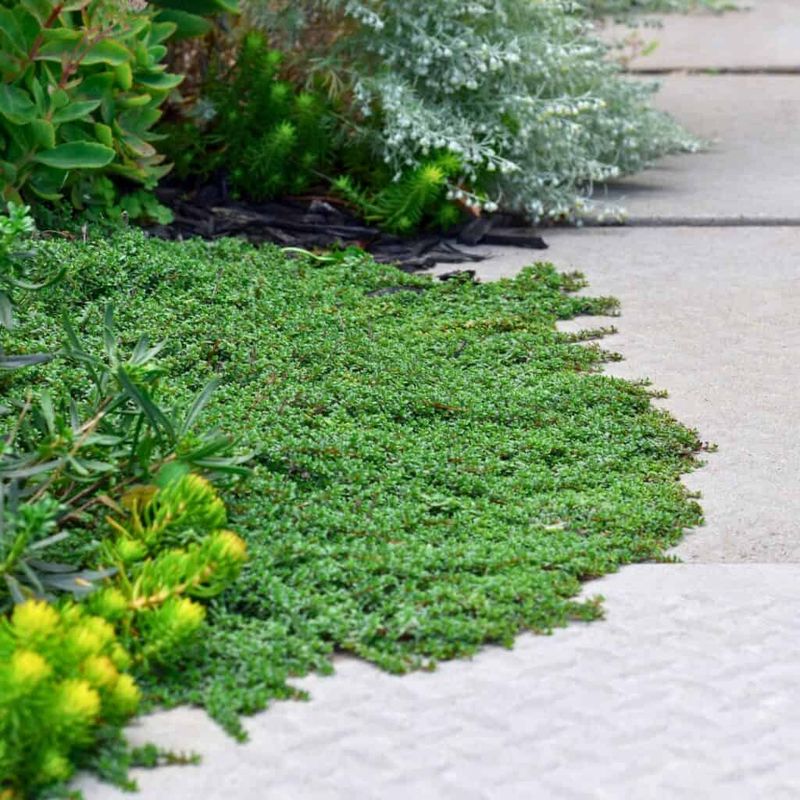
Here is the honest version of the headline. A groundcover that has filled in can help retard weed growth by shading and crowding the soil.
It does not make a bed weed-free, and one planting does not end the work.
The catch is timing. Young plants leave gaps, and weeds happily use them.
NC State Extension guidance notes that weeds can invade while a groundcover is establishing, can emerge through mulch, and can persist from roots, rhizomes, and other vegetative structures.
That last point matters. If bermudagrass or nutsedge is already in the bed, thyme will not smother it.
Those weeds can regrow from pieces left underground and poke up through the new planting.
General groundcover advice from Illinois Extension fits this well: covering bare soil with living plants is a practical way to reduce open space for weeds.
A good habit is to walk the bed every week or two in the first season. Pull any seedling while it is small and the roots slip out easily.
Ten minutes of early weeding beats an hour of wrestling a big weed tangled in thyme later.
Decide whether it suits the flower bed
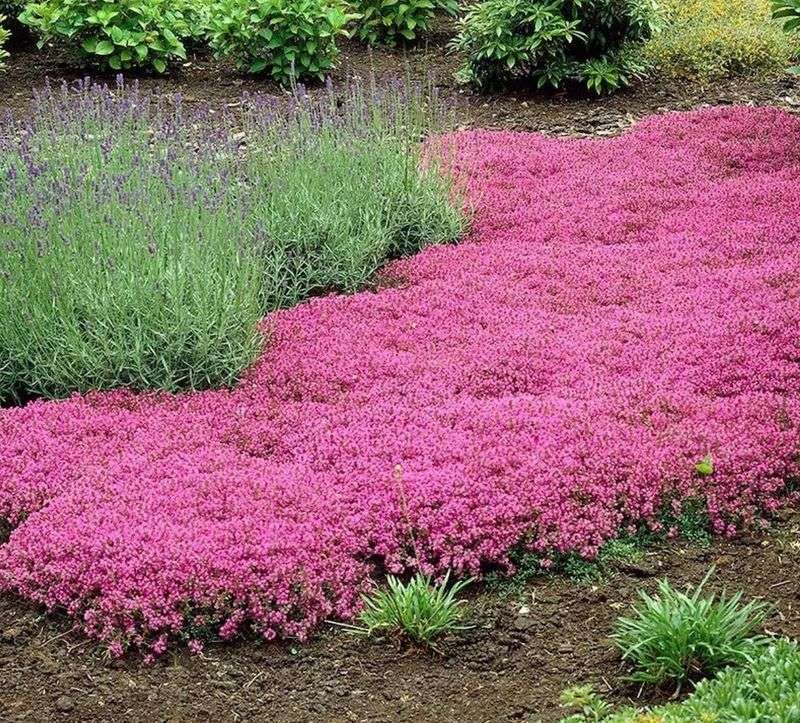
Start with the spot, not the plant. Creeping thyme wants full sun and well-drained soil.
NC State’s profile says it tolerates poor soil and does well in sandy, gritty, or rocky conditions. It also warns that poorly drained or overwatered sites can cause rot.
A quick test helps. After a heavy rain, does water pool in the bed for hours?
Does the area stay shaded most of the day? Heavy red clay that stays soggy, or a bed beside a downspout, is a poor match.
Next, think about what kind of bed you have. Permanent plantings are one thing.
Annual color beds, which you replant every season, are another, and NC State has separate weed-management advice for them.
Planting thyme around showy annuals is a design choice, not a proven pairing. A dense perennial mat may make it harder to reach the soil, swap out plants, or reshape the bed later.
If you redo your beds each year, use thyme only along a fixed edge, where it can stay put.
Prepare the bed before planting
Good preparation saves the most trouble later. Begin by looking for persistent perennial weeds such as grasses with creeping roots or nutsedge.
NC State Extension advises controlling them before planting, because they compete with new groundcover and are hard to remove afterward without disturbing it.
Dig out as much root as you can, and check the spot again after a couple of weeks. Regrowth shows you what you missed.
If you ever consider an herbicide, remember that nonselective products can injure or kill nearby bedding plants, so follow the product label closely.
Once the soil is clear, loosen it. If your yard has heavy clay, mixing in grit or planting on a slight mound can improve drainage.
For spacing, Illinois Extension suggests 8 to 12 inches between plants. That is general guidance.
It does not tell you how fast a North Carolina planting will fill in, which depends on sun, soil, and rain.
Expect some weeds to show up in the gaps anyway. Pull them while small, and your thyme will have a clearer path to fill the space.
Plan for occasional pruning and weeding

Plant once, then walk away? Not quite.
Creeping thyme needs occasional pruning, and NC State Extension recommends it to manage growth and reduce woody stems. Without a trim, older sections can turn stiff and bare in the middle.
A light shearing after flowering is an easy routine. Cut back stray runners that creep over walkways or into neighboring plants.
Keep the shears sharp so cuts stay clean.
Weeding still belongs on the list, especially in the first season or two. The same planning guidance says to expect weeds while a groundcover establishes.
Seedlings that sprout in thyme are easiest to lift right after a rain.
Water is the other piece. Thyme prefers to dry out between drinks, so skip frequent sprinkling once plants are rooted.
If you see patches turning brown and mushy, suspect poor drainage or too much water before blaming anything else.
Weigh its pollinator appeal against its non-native status
NC State says creeping thyme flowers attract bees and butterflies. That is a nice bonus when the plants bloom.
But it is a narrow claim about the flowers, not proof that thyme builds wildlife habitat or protects against ticks.
It is also not a North Carolina native. NC State lists its origin as Northern Europe, Western Asia, and Northern Africa.
The sources reviewed do not call it invasive here, but it is not a native-wildlife planting either.
If native plants are your priority, NC State’s native plant list includes groundcovers for different parts of the state. Pussytoes is listed for the mountains, Piedmont, and Coastal Plain.
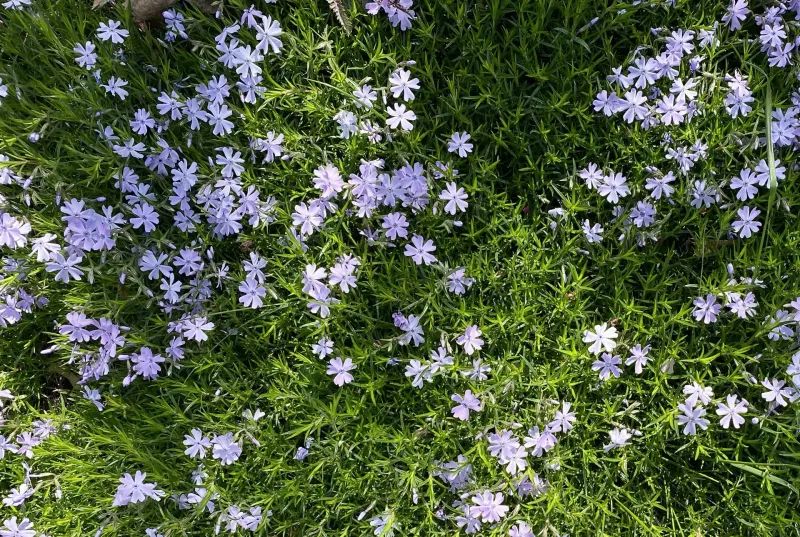
Creeping phlox is listed for the mountains and Piedmont.
You can read more about one option in NC State’s ground pink profile. Whichever plant you consider, match it to your light, soil, moisture, and region.
No single plant is the statewide substitute.
Choose it for the site, not a weed-free promise
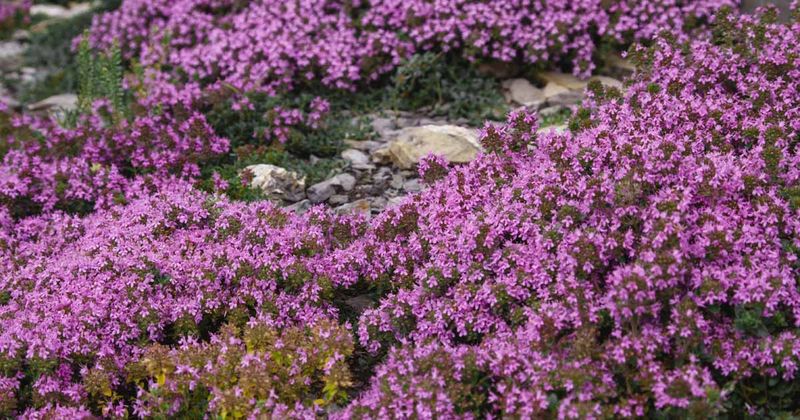
Here is a simple rule: pick creeping thyme for a sunny, well-drained spot where a permanent perennial mat makes sense. Then plan for a season or two of establishment weeds and a yearly trim, as NC State advises.
Treat it as a helper, not a guarantee. Thyme in the right place is a fine edge.
In the wrong place, it is a rotting patch.
A groundcover earns its keep by how well it fits the ground beneath it.