
Creeping Charlie Keeps Coming Back Because Of What You Leave Behind – 9 Chemical-Free Ways To Finally Clear Your Lawn
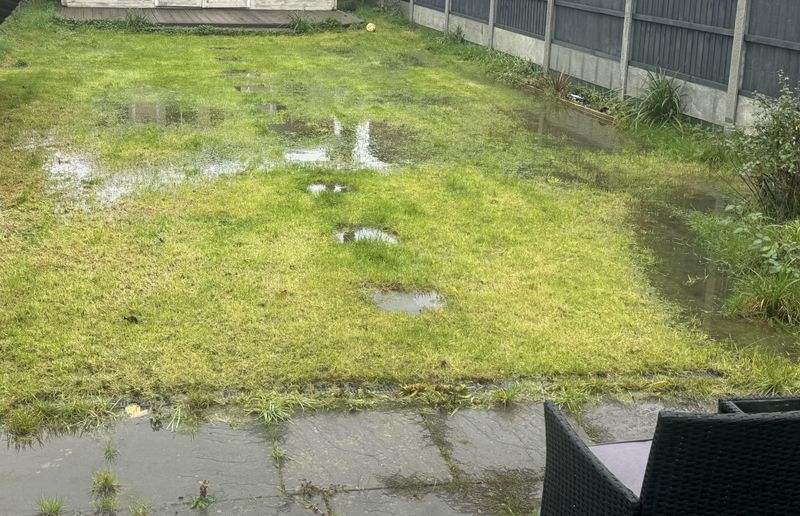
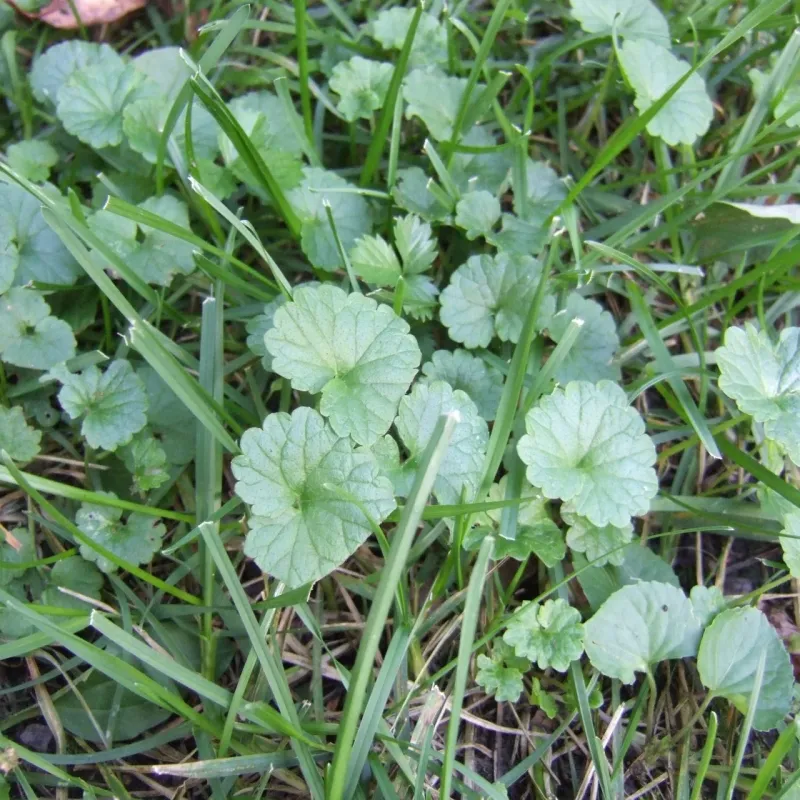
You pull it, you rake it, and two weeks later that low green carpet with scalloped leaves is back and creeping toward your flower beds. Creeping Charlie, also called ground ivy, returns because tiny bits of stem and root stay in the soil and quietly start over.
It also loves the shady, soggy, worn-out spots in a lawn where grass is already struggling. Fix what it leaves behind and what it feeds on, and you can win this fight without spraying a single chemical.
1. Let More Sunlight Reach the Lawn
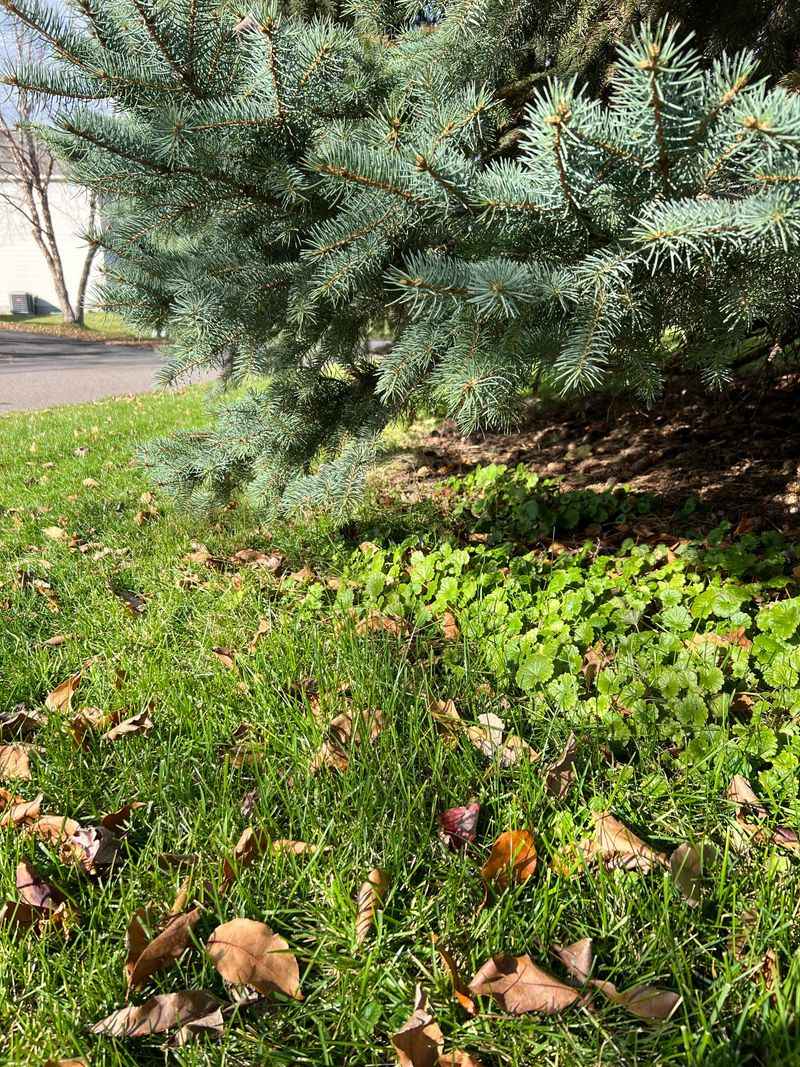
Shade is the welcome mat Creeping Charlie waits for. Walk your yard at noon and notice where the ground ivy is thickest, and you will almost always find it under a maple, beside a fence, or tucked along the north side of the house.
Thinning low branches on trees and shrubs lets more light hit the soil, and grass responds fast once it gets a few extra hours of sun. Remove lower limbs and a few crowded interior branches rather than chopping the whole canopy, which can stress the tree.
Late winter, while trees are dormant, is a good window for most pruning. You will not see results overnight, but sunnier ground tips the balance back toward your turf and away from the weed.
2. Fix Soggy Spots With Better Drainage
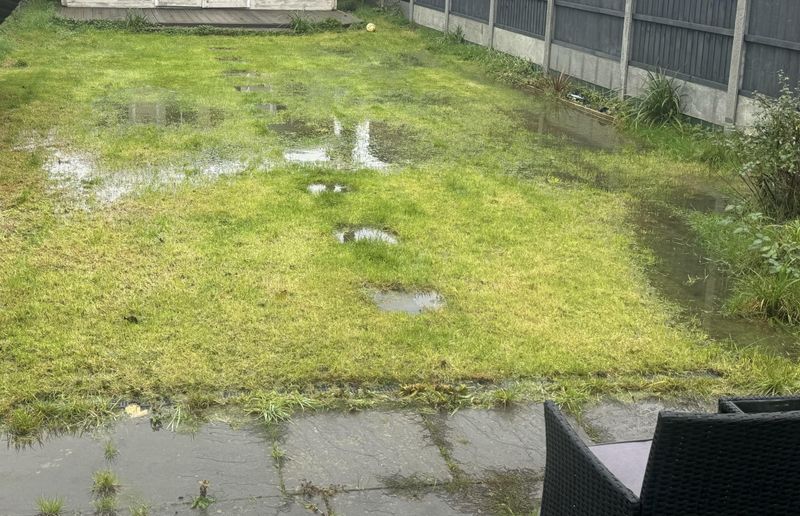
Here is a quick test after the next good rain. Find the spots where water sits for hours, then look down, because Creeping Charlie is probably growing right there.
Moist soil is its favorite home, so drying those low areas out takes away a big advantage. Small fixes include working compost into heavy clay so water soaks in instead of pooling.
Bigger problems may need a shallow swale to steer runoff away, or a French drain to carry water underground. Also check that downspouts are not dumping right onto the lawn, since a simple extension can change everything in that corner.
3. Core Aerate Compacted Soil
Kids playing tag, dogs racing the fence line, a mower crossing the same path every week. All of that foot traffic presses soil into a hard crust that grass roots hate and ground ivy happily tolerates.
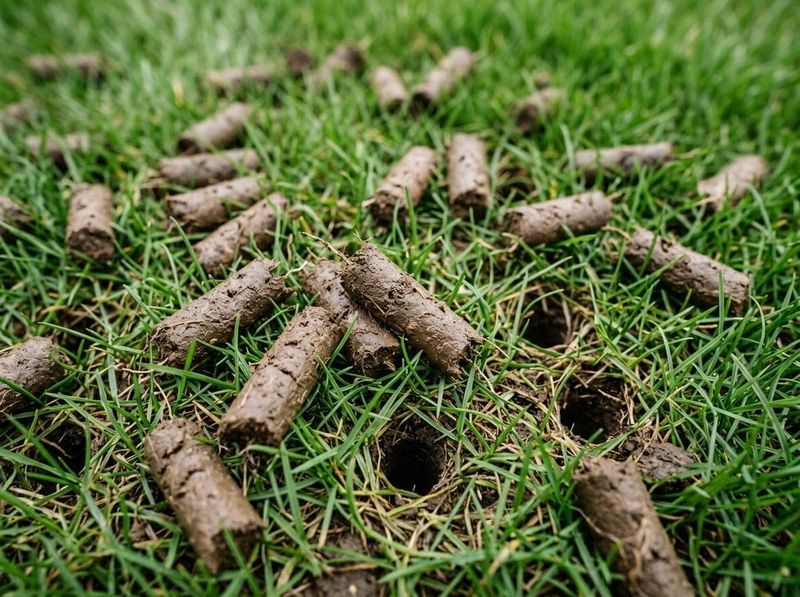
Core aeration pulls small plugs of soil out of the ground, opening room for air, water, and roots. You can rent a machine for an afternoon or hire a lawn service, and the little soil plugs left on top break down on their own.
Once a year is plenty for most yards. Early fall works well for cool-season grasses, while late spring suits warm-season types, and pairing it with overseeding makes the effort go twice as far.
4. Feed Your Grass So It Fights Back
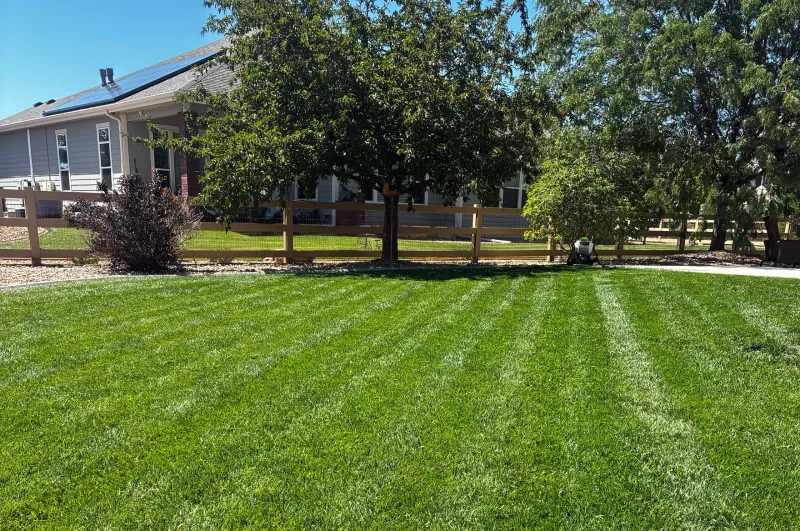
Think of your lawn as a crowd at a concert. When every spot is filled, there is no room for anyone pushing in from the side, and Creeping Charlie is that pushy guest.
A hungry, thin lawn leaves gaps everywhere. Regular feeding, especially with nitrogen, helps grass grow thick and dark green so the weed has fewer open spaces to root into.
Organic choices like compost topdressing or slow-release organic lawn food keep things chemical-free. For cool-season grass, fall is the most important feeding time.
Skip heavy doses in hot summer, since stressed grass can actually lose ground.
5. Overseed With Shade-Tolerant Grass
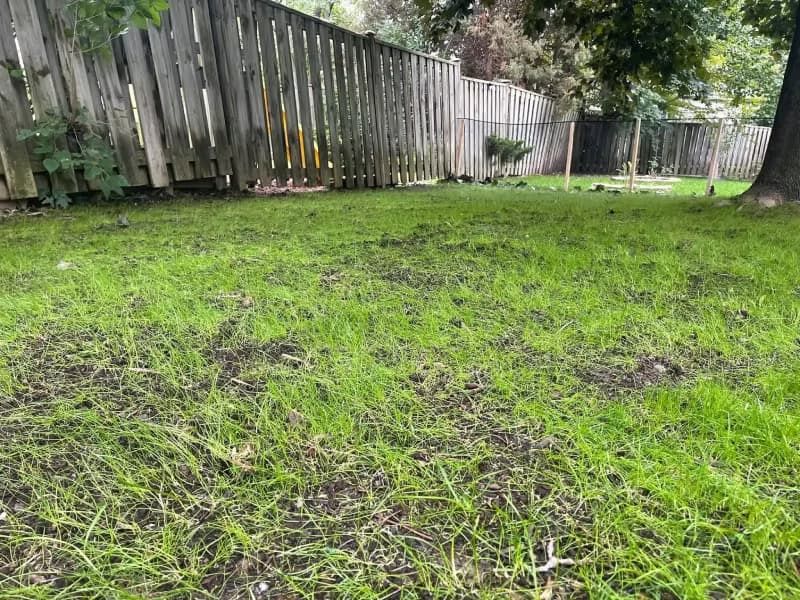
Bluegrass under a big oak tree is a losing bet. Planting a grass built for low light changes the odds in your favor.
Fine fescues, such as creeping red fescue and hard fescue, handle shade far better than many common lawn mixes. Rake out loose debris, scatter seed over thin areas, and keep it lightly moist until the new blades are up and growing.
Early fall is a sweet spot because the soil is warm and leaves have not yet dropped thickly. A dense stand of the right grass is one of the best long-term defenses against ground ivy sneaking back in.
6. Raise Your Mower Blade
Lots of folks love that golf-course look and scalp the lawn short. Sadly, that tidy buzz cut may be rolling out a red carpet for Creeping Charlie.
Ground ivy hugs the ground, so it barely notices a low mower. Taller grass, roughly 3 to 4 inches, shades the soil, keeps it cooler, and makes life harder for low creeping weeds.
Longer blades also grow deeper roots, which helps your lawn handle summer heat. Bump the deck up a notch or two, keep the blade sharp, and never cut more than a third of the height at once.
7. Hand-Pull After a Good Rain

Grab a bucket and wait for the rain. Damp soil lets go of roots much more easily, and that matters more than most people realize.
Every node along a Creeping Charlie stem can grow new roots. If you snap a runner and leave a piece in the soil, you have basically planted a new weed, which is the main reason it keeps coming back.
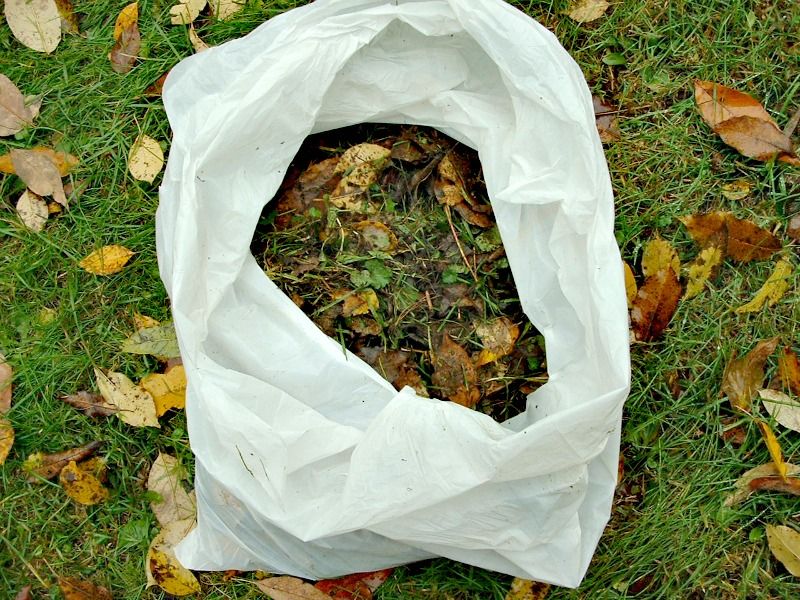
Find the base of a runner and slowly ease it out, following the stem as it lifts. Bag the pieces instead of tossing them in compost, where they may survive.
Small patches can disappear this way with a few weekly passes.
8. Rake It Out in Late Fall
Fun fact: Creeping Charlie gives you a signal when it is weakest. In late fall, the leaves turn a bronze or purplish color as cold weather sets in.
Around then, the plant loosens its grip on the soil. Drag a stiff metal rake through infested areas and you can pull up long strands in one go, sometimes several feet at a time.
Gather up every strand and bag it. Follow up with a little grass seed or compost on bare spots, so spring finds turf ready to fill in.
9. Smother Big Patches With Cardboard and Mulch
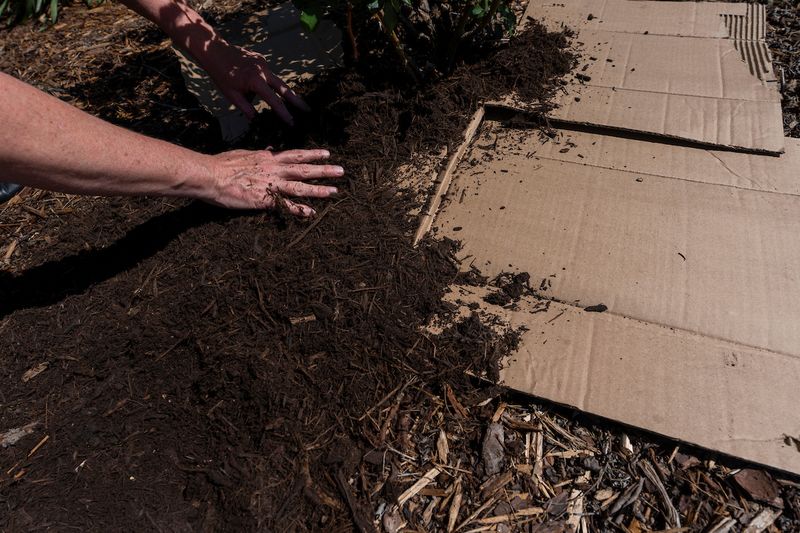
Sometimes the patch is just too big to pull. When ground ivy has taken over a whole corner, cutting off its light is the gentlest heavy hitter you have.
Lay overlapping cardboard, or a thick stack of wet newspaper, right over the weeds. Then pile several inches of wood mulch on top so nothing can poke through.
Leave it for a full season or longer. Afterward, you can plant a shade-loving bed or reseed with grass.
Check edges often, since runners love to escape around the sides.