
What an Owl Box May and May Not Do for a North Carolina Yard
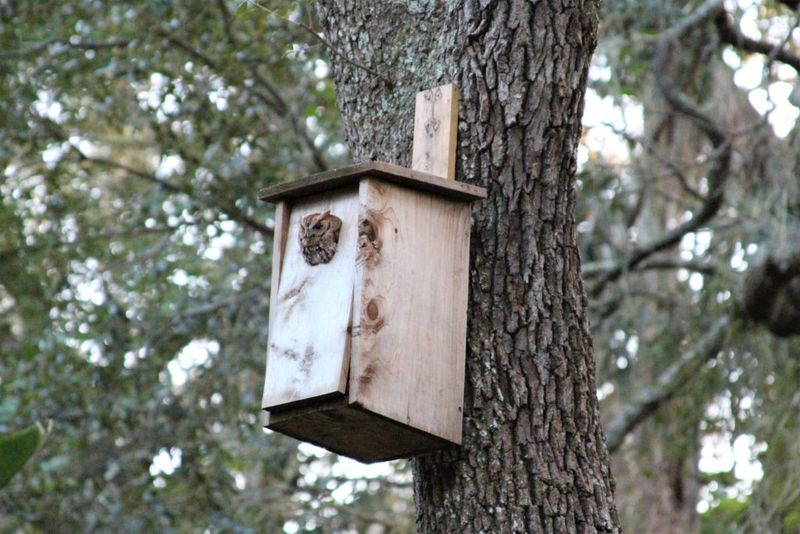
A wooden box on a tree can bring a real owl to your yard, and that is a thrilling thing to picture. Many homeowners wonder if it could also help with mice and voles.
The answer depends on your property, the owl species, and the kind of rodent problem you have. Here is what a box can realistically do, and what still needs traps, sealing, and smart yard care.
What owl-box research can—and cannot—show
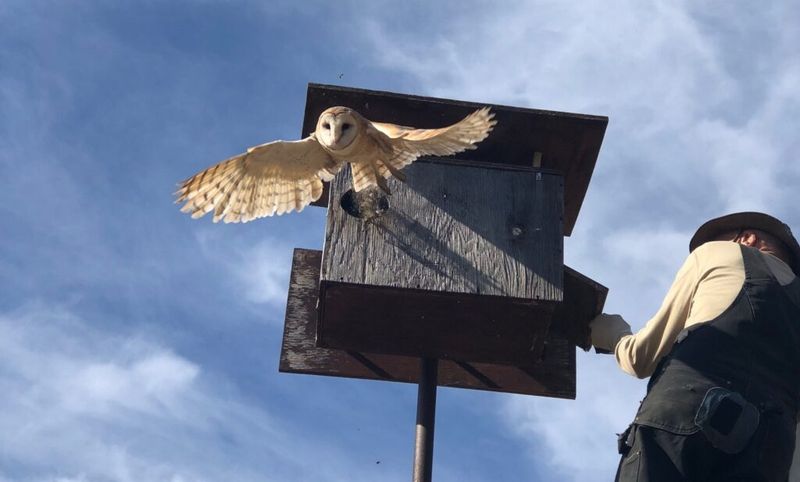
A box may support local owls and could contribute to outdoor rodent control, but it is not a proven stand-in for pest management at home. Most of the research comes from farms, not backyards.
In a 2022 Napa Valley vineyard study, gopher activity dropped where boxes were present, yet researchers found no statistically significant box-related change in mouse numbers. So even on a farm, the results were mixed.
A newer study across six vineyards reported lower rodent numbers at the levels of barn owl activity it observed. That sounds encouraging, but it covered a defined range of owl activity on working vineyards, not a quarter-acre lot in Cary or Boone.
A systematic review of birds of prey and rodent pests found some support for raptors reducing rodents. It also pointed to limited research, flaws in study design, and a lack of long-term evidence.
In plain terms, nobody has shown that a box will dependably cut rodents in a North Carolina yard, and it will not help with mice inside a house. We also found nothing showing that homeowners here are widely swapping traps for owl boxes.
Think of a box as a habitat project that may help with some outdoor rodent pressure.
Your habitat determines which owl might use a box
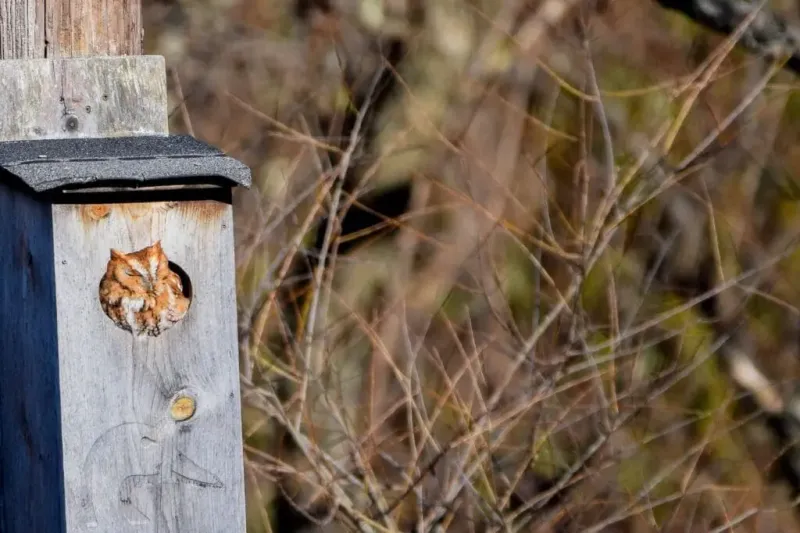
Before buying or building anything, walk your property and look at what is really there. Mature trees, open pasture, and marsh edges attract very different owls.
NC State Extension lists different box dimensions for barn owls and screech-owls, and describes different habitats for each. Barn owls use abandoned fields, pastures, and marshes, while screech-owls use forested habitat and cavities.
That makes a wooded suburban lot in the Piedmont a better match for an Eastern screech-owl. The Cornell Lab notes these small owls eat mice and other small mammals, but also insects, birds, and other prey.
A screech-owl moving in does not mean it will zero in on your rodent problem.
Barn owls are pickier. NC Wildlife says they are not drawn to an area just because a box is installed.
They need nearby open or semi-open hunting ground, and they turn up in cities only where that kind of habitat exists.
If you live on a Coastal Plain edge near fields or marsh, a barn owl box may be worth considering. If your yard is shaded by hardwoods, think screech-owl.
If neither fits, a box may simply go unused, and native trees and cover may do more for owls.
Fall gives screech-owl boxes a head start, not a winter nesting deadline
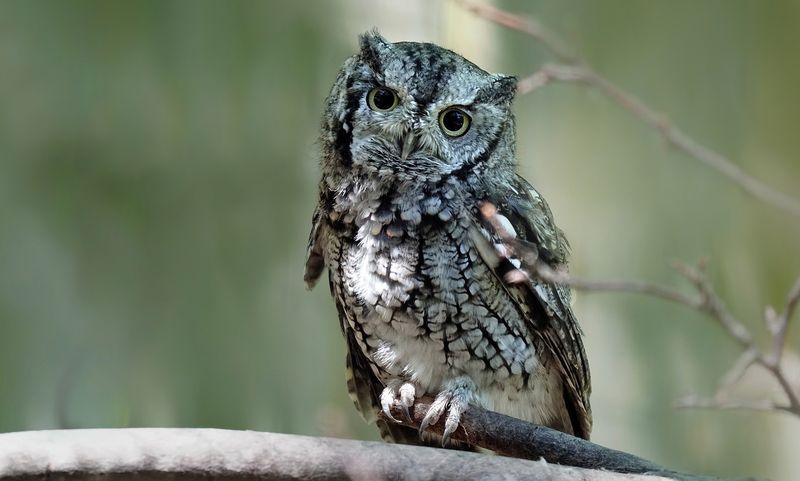
Autumn is a good time to hang a screech-owl box, but not because nesting starts in winter. The Carolina Raptor Center’s nest box instructions recommend installing screech-owl boxes from October through February.
That gives birds time to find the box before the stated March through June nesting season.
For a screech-owl box, the center suggests a mature tree and a height of 10 to 12 feet. It also advises avoiding pesticides nearby, and building in access for an annual cleanout when the box is not in use.
Barn owls follow a different playbook. The same instructions recommend a box at 8 to 15 feet in or near extensive open fields, orchards, open woodland, or marsh.
They say barn owls can nest year-round and recommend winter installation.
Because of those differences, a placement that suits one species can be wrong for the other. A barn owl box on a wooded lot is unlikely to help, and NC Wildlife stresses that foraging habitat has to be nearby.
So treat fall as a comfortable window, not a deadline. Pick your species first, then follow its schedule and height.
A yard box will not keep mice out of the house
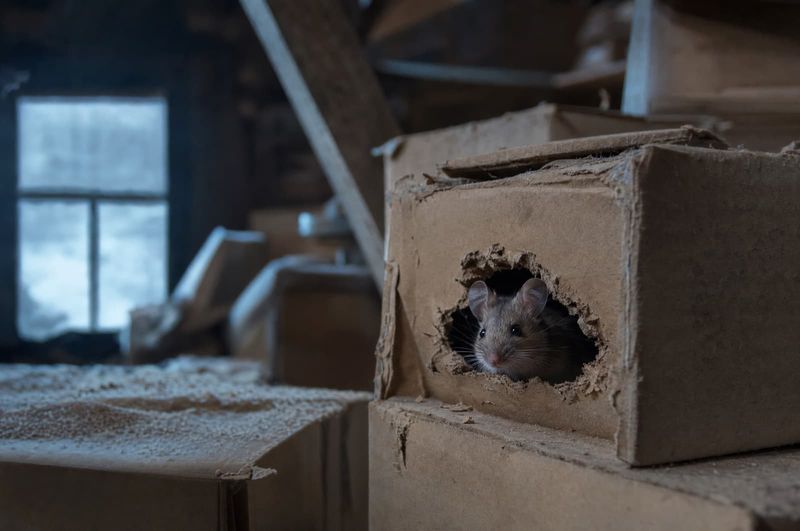
Hearing scratching in the walls at night calls for action inside the house, not a box on a pole. An owl outside cannot reach mice in your pantry, attic, or wall cavities, so waiting for one to show up only gives the problem time to grow.
NC State Extension’s guidance on structure-invading mice starts with identifying activity. Look for droppings, gnaw marks, greasy rub marks, and nesting material, and note where they are heaviest.
Next comes sealing entry points. Adult mice can squeeze through gaps about a quarter inch wide or larger, so check around pipes, utility lines, garage doors, and foundation vents.
Mechanical control, such as snap traps, can then be used as appropriate. Set them along runways, the paths mice travel beside walls, and place them where children, pets, and non-target animals cannot reach them.
Check them daily if possible.
Once the gaps are sealed and the activity stops, you can enjoy any wildlife project outside without confusing it for pest control.
Outdoor vole damage needs its own yard strategy
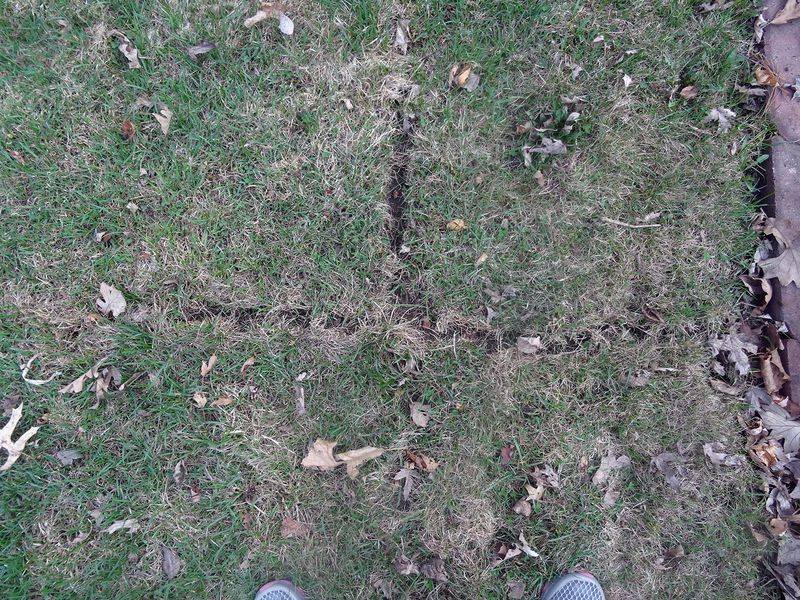
Dead patches and thin trails running through the lawn point to voles, which are a different animal with a different fix than house mice. NC State Extension describes pine voles as mostly underground, so you may see mounded soil and plant damage but rarely the animal itself.
Meadow voles live in grass and leave surface runways.
The extension’s cultural methods are the first line of defense. Reducing ground cover and litter takes away the shelter voles rely on.
Think thick mulch piled against shrubs, leaf litter, and tall unmanaged grass along borders.
Keeping turf mowed and beds tidy will not make voles vanish, but it makes your yard less comfortable for them. Pay special attention to areas around young trees and ornamental plantings, where damage tends to show up first.
Trapping can help, but the extension notes it is more useful for small populations than large ones. If you find a few runways, trapping may be enough.
If the lawn is riddled with tunnels, expect to lean more on habitat changes.
An owl box is not part of this plan. It may add habitat for owls, but vole control comes down to what you do on the ground.
Protect owls while managing rodents you can reach
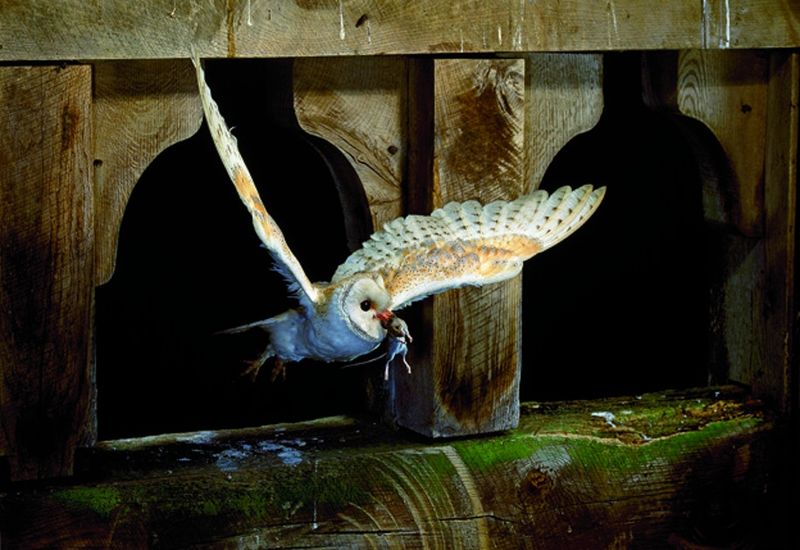
If you want owls around, the way you handle rodents matters. Risk depends on the product, the exposure, and how it is used, so there is no need to assume every bait kills owls or that every trap is harmless.
The EPA says in its rodenticide restrictions that second-generation anticoagulants persist longer in animal tissues and pose greater risks to non-target animals than first-generation ones. That is a good reason to read labels closely.
NC State Extension warns in its mouse management guidance that primary or secondary exposure of non-target animals can be fatal. If bait seems necessary, it recommends consulting professional pest management.
Traps carry their own cautions. Place them along runways and out of reach of children, pets, and wildlife, and check them daily if possible.
Finally, leave owls and their nests alone. NC Wildlife says state and federal law prohibit harming or disturbing birds of prey and their nests.
Do not open, inspect, or clean a box that may be in use.
Treat an owl box as one part of a wildlife-friendly yard
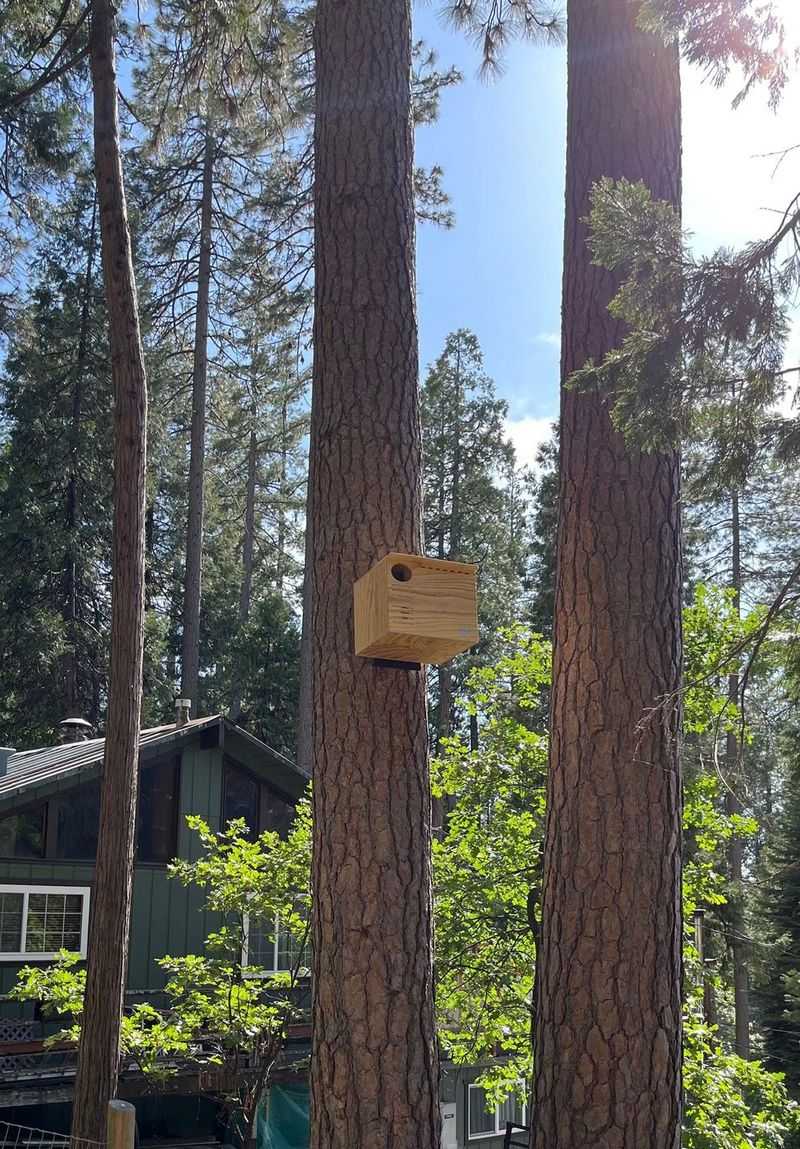
Put up a box only if your property suits the target species, follow that species’ guidance from NC State Extension, and think of it as habitat rather than guaranteed pest control.
Handle mice indoors with sealing and targeted trapping, and outdoor voles with turf and cover management. An owl that moves in is a gift, not a contract.