
Those Dates In Your Pantry Pack More Calcium, Magnesium And Iron Than Almost Any Fruit You Grow
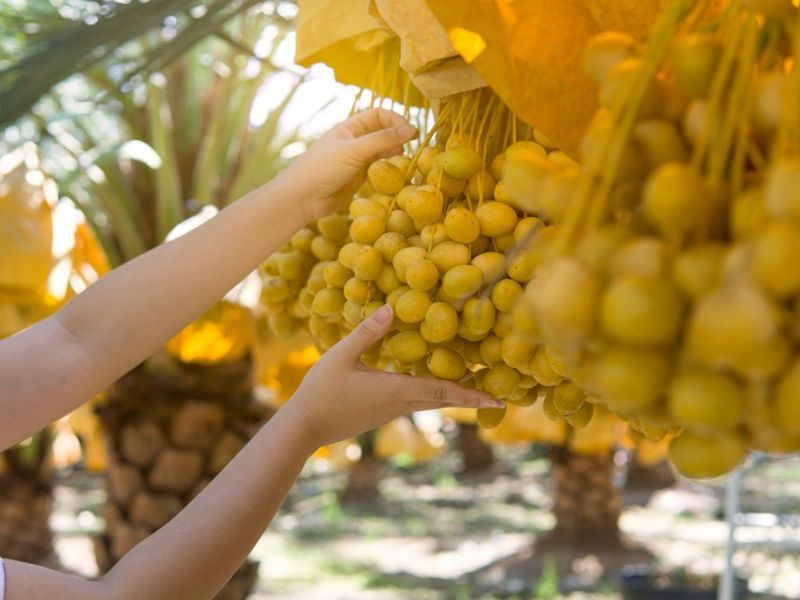
That sticky, sweet date in your pantry holds a few minerals, and it also comes from a palm with some picky growing needs. Dates do contain calcium, magnesium, and iron, but the full story is more interesting than a simple ranking.
Let’s look at what the numbers really say, and what it takes to grow your own dates in the United States.
What two date varieties provide per 100 grams
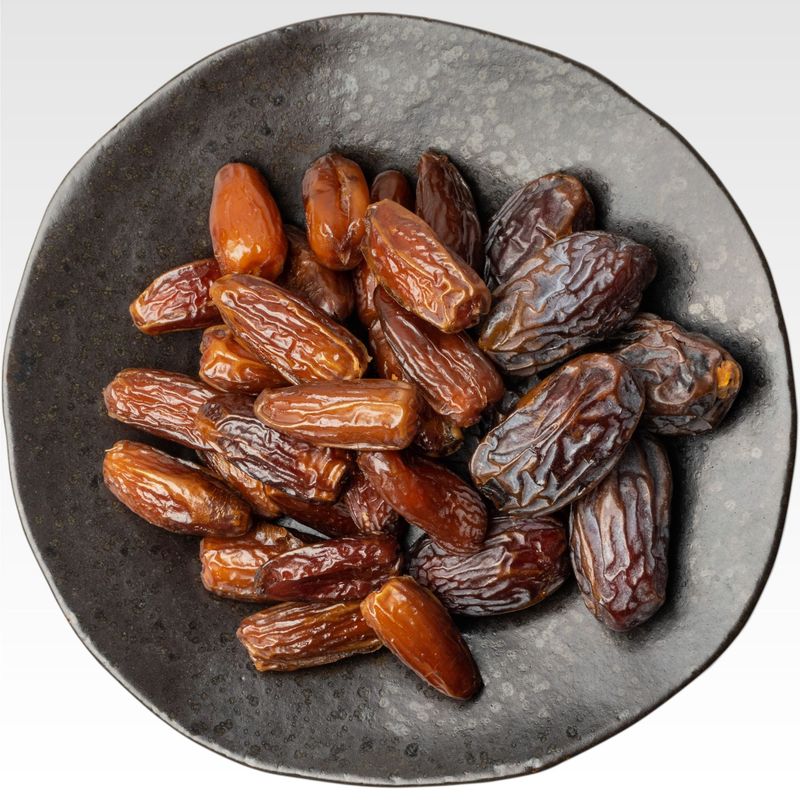
Let’s start with the raw numbers. USDA FoodData Central lists Deglet Noor dates at about 39 mg of calcium, 43 mg of magnesium, and 1.02 mg of iron per 100 grams.
The Medjool entry reports about 64 mg of calcium, 54 mg of magnesium, and 0.9 mg of iron for the same weight. So Medjools lead on calcium and magnesium, while Deglet Noor edges ahead on iron.
Those differences are a good reminder that a date is not just a date. Each figure belongs to one variety, and the date in your pantry may not match either record exactly.
The same records also show roughly 63 to 66 grams of sugars per 100 grams. That is a lot of fruit to eat in one sitting, since 100 grams is a substantial pile of dates and not a typical snack.
Most people eat a couple at a time.
So the fair description is simple: dates contain calcium, magnesium, and iron, in amounts that shift from variety to variety. Calling them a mineral powerhouse would stretch what the records show.
The comparison changes with fruit form
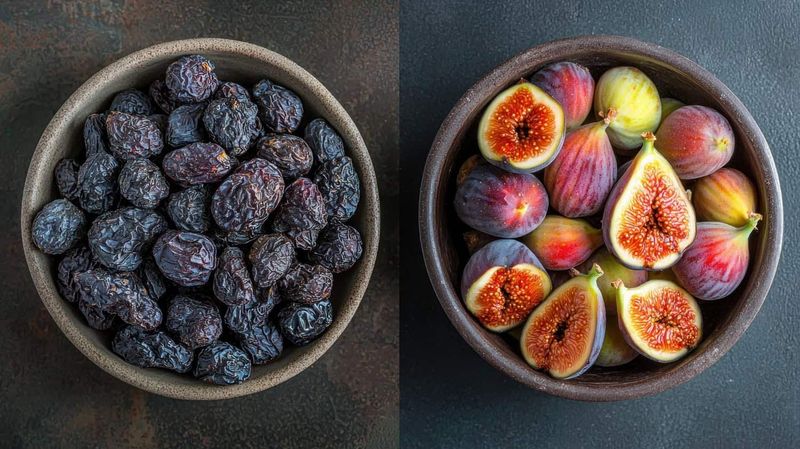
Put dates next to figs and the story gets more nuanced. Per 100 grams, fresh figs come in around 35 mg of calcium, 17 mg of magnesium, and 0.37 mg of iron.
Both date varieties in the USDA records beat those fresh-fig numbers for all three minerals. Deglet Noor and Medjool dates both sit above them.
Now look at the dried version. Dried figs report about 162 mg of calcium, 68 mg of magnesium, and 2.03 mg of iron per 100 grams, which tops both date varieties on every one of the three.
The reason is water. Drying removes it, so the same minerals are packed into less weight.
A fresh fig and a dried fig are very different things to put on a scale, and the same goes for a fresh fruit versus a date.
That means an equal-weight match between dried dates and a fresh fruit is not a fair fight. The comparison here covers only dates, fresh figs, and dried figs.
It does not rank dates above almost any fruit you might grow, because nobody measured that set.
Daily Values put the numbers in perspective
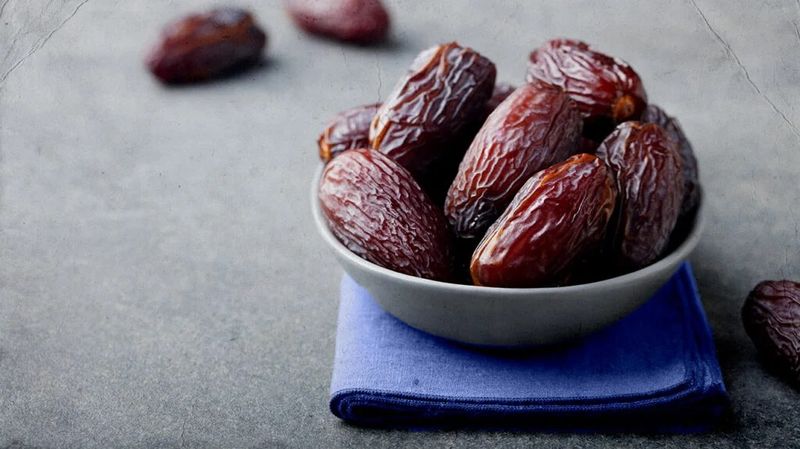
Milligrams are hard to picture, so percentages help. The FDA sets Daily Values of 1,300 mg for calcium, 420 mg for magnesium, and 18 mg for iron, as explained in its Daily Value guidance.
Using the Medjool figures, 100 grams works out to about 5% of the Daily Value for calcium, 5% for iron, and 13% for magnesium.
Remember that 100 grams is a big helping, well beyond a couple of dates. A smaller snack would deliver less than those percentages.
The FDA calls 20% of the Daily Value or more per serving “high” on a food label. That benchmark is for a labeled serving, so it should not be stamped onto a 100-gram calculation.
The takeaway: dates add some minerals to your day, with magnesium the strongest of the three. A small handful is not a major source of calcium or iron.
Date iron is plant-based, not a treatment
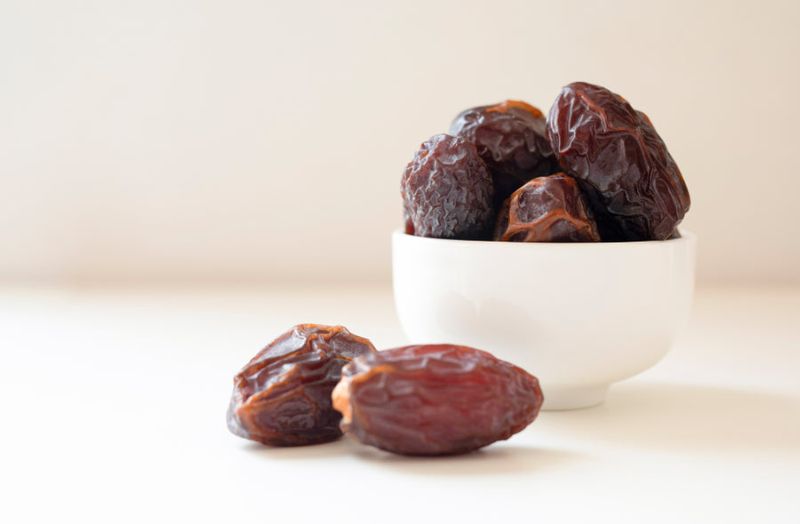
Iron comes in two types, and plant foods supply the nonheme kind. According to the NIH Office of Dietary Supplements, nonheme iron is absorbed less readily than heme iron from animal foods.
The same fact sheet notes that foods rich in vitamin C can improve absorption of iron from plant sources. If you chop dates into a bowl with orange segments or strawberries, you are pairing them in a way that fits that idea.
Keep the scale in mind, though. Medjool dates offer only about 0.9 mg of iron per 100 grams in the USDA entry, so the iron they contribute is modest to begin with.
Dates are a sweet food that happens to contain some iron. They are not a way to prevent or treat iron deficiency, and they do not replace iron-rich foods or care from a clinician.
If you worry about your iron levels, a health professional can check them and advise you. Meanwhile, enjoy dates for what they are.
The edible date palm has a specific name
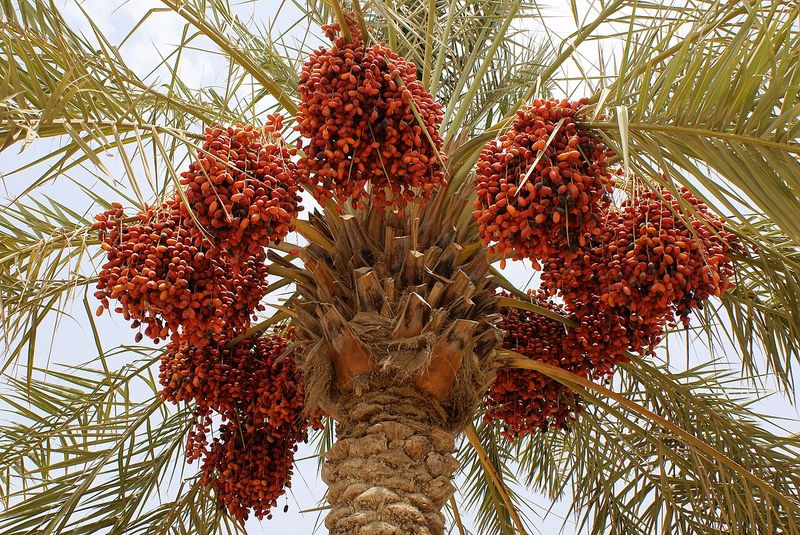
Shop for a “date palm” and you may bring home the wrong tree. The one that makes the dates in your pantry is Phoenix dactylifera.
Other palms also carry the common name. Phoenix canariensis, the Canary Island date palm, is a popular ornamental, and it is grown for looks, not for its fruit.
According to UF/IFAS Extension, date palms want full sun and well-drained soil. Those are easy basics to provide in a sunny, sandy corner of the yard.
Giving a palm that setup can keep it alive and handsome. Alive is not the same as productive, though, and plenty of healthy palms never give a harvest.
A good habit before buying is to read the tag for the full botanical name. If it says Phoenix dactylifera, you are at least looking at the right species.
Where U.S. date palms can ripen fruit
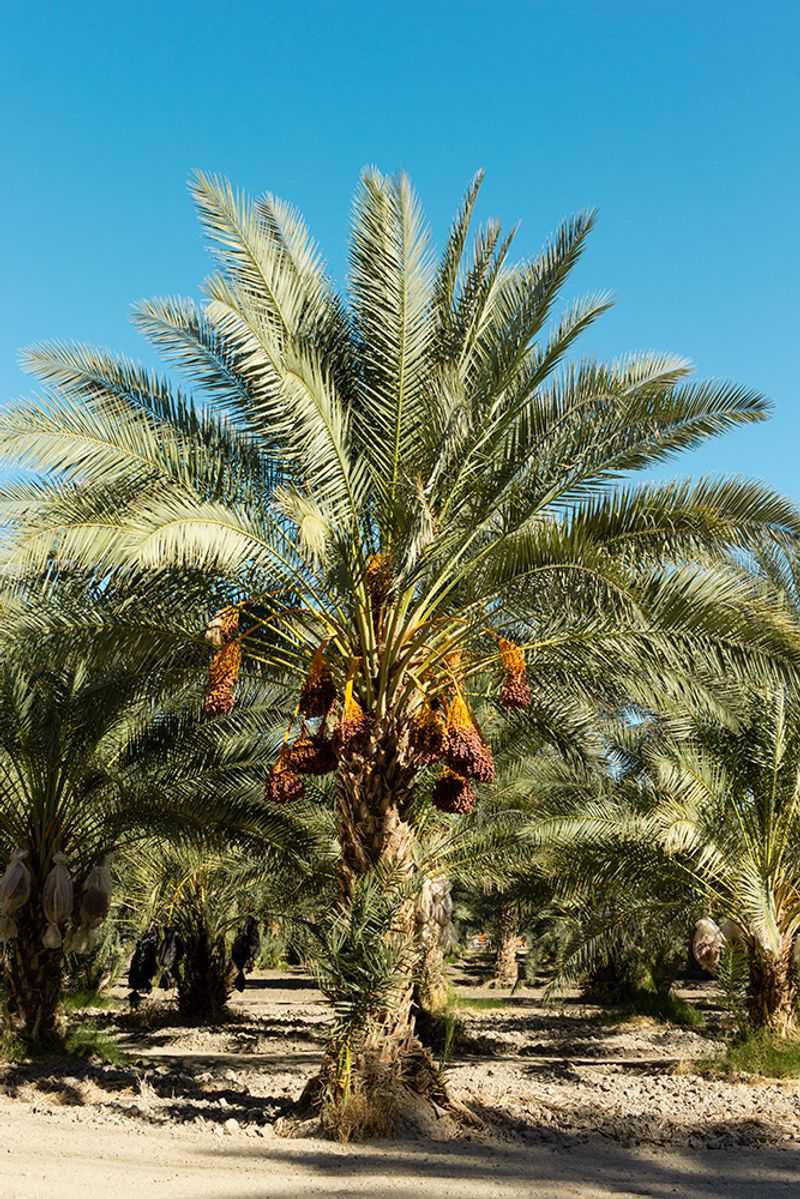
The best U.S. date country is the hot, dry low desert. University of California sources point to valleys in California and Arizona, including the Coachella, Imperial, Yuma, and Hyder valleys.
What those places share is long, hot, arid growing seasons with little rain while fruit ripens. UC Cooperative Extension reporting on irrigation describes growers working in that setting.
A USDA hardiness zone label only tells you about winter cold. It says nothing about summer humidity or rain at harvest, which matter a lot for dates.
That gap is why a palm can thrive in a warm yard and still fail to ripen fruit. UF/IFAS notes that only two varieties produce fruit in areas with humidity similar to the U.S.
Gulf Coast.
So if you garden in a humid warm region, treat a date palm as a landscape tree first and a possible fruit bonus second. Dry desert gardeners have the best odds.
Fruit requires pollination, planning, and patience
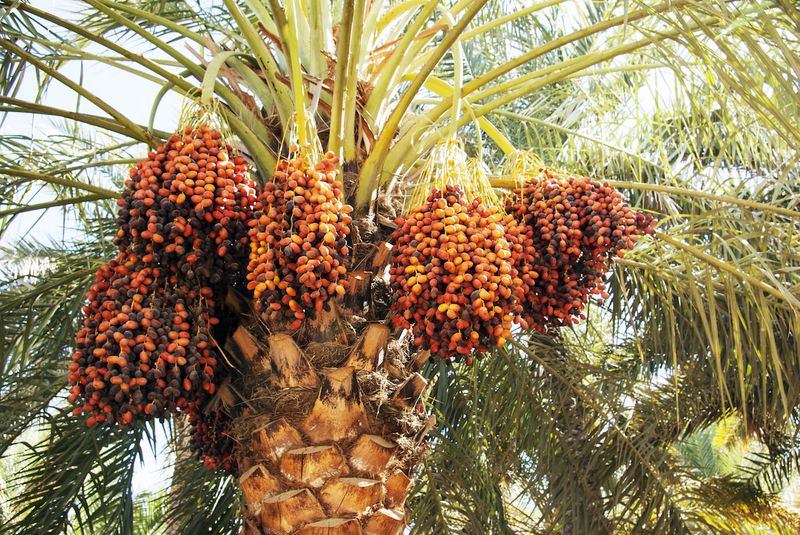
Date palms come as separate males and females, and only the females bear fruit. Even then, fruit depends on pollination, as UF/IFAS Extension explains.
Before you buy, look for a clearly named edible cultivar. Ask the nursery about the sex of the palm and what pollination it will need.
Then there is time. A UC production overview reports commercial female palms starting production at 4 to 6 years and reaching full productivity at 15 to 20 years.
Those are commercial observations from working date farms. They are not a promise for a backyard tree.
The same overview notes that pollination and other care often happen high in the palm crown. Please do not climb a palm to do that work.
If a tree needs crown work, hire a qualified professional with the right equipment.
Keep the pantry and garden claims in perspective
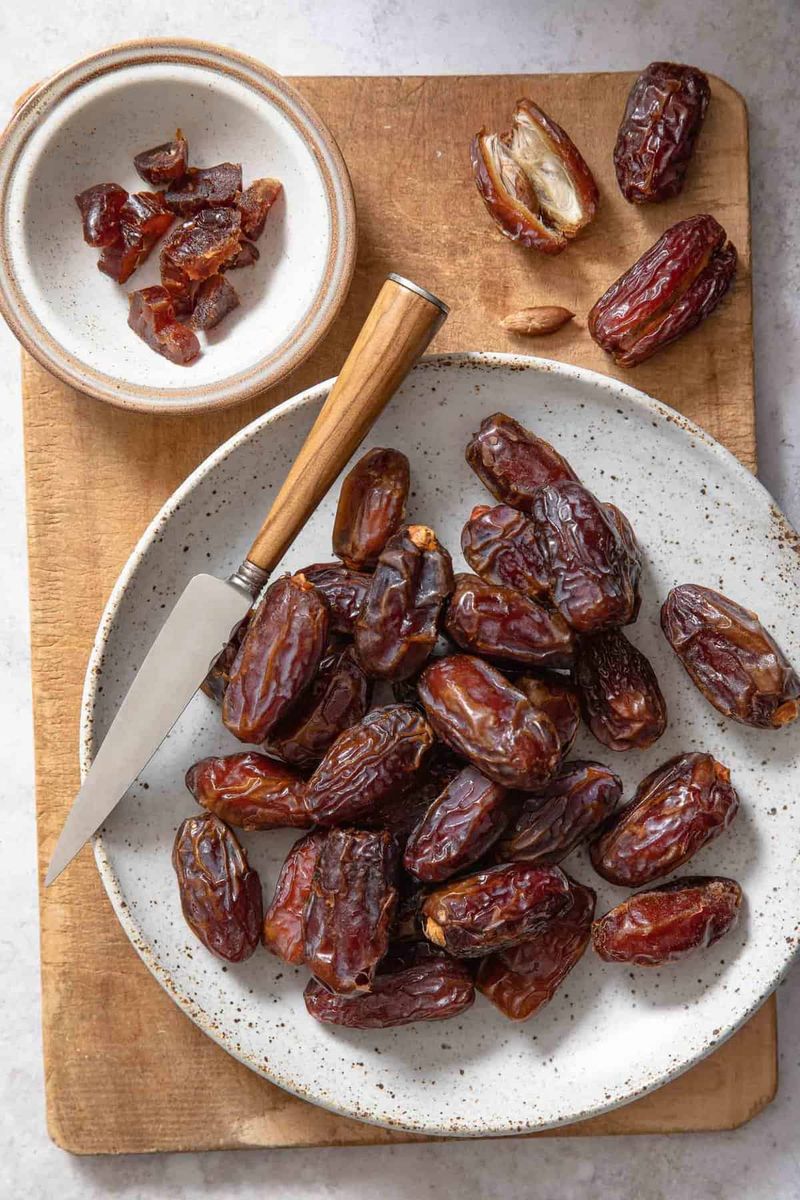
Dates contain calcium, magnesium, and iron. The records here do not show that they outrank almost any fruit, and dried figs beat them on all three minerals.
Even 100 grams of Medjools, per USDA data, gives only about 5% of the Daily Value for calcium and iron.
In the garden, a living palm is not a guarantee of fruit, since climate and pollination decide the harvest.
A date is a small, sweet fruit with a big family tree behind it.