
How Many Plants Per Person You Actually Need – 15 Vegetables Sized For Next Year’s Garden
Every gardener has a story about the year they planted way too much zucchini, or not nearly enough tomatoes. Getting the plant count right saves you money, space, and a lot of wasted food.
A good rule of thumb is about 150 to 200 square feet of garden per person, but the real magic is knowing how many of each crop to grow. Here are 15 common vegetables with honest numbers you can use to plan next year’s beds.
1. Tomatoes
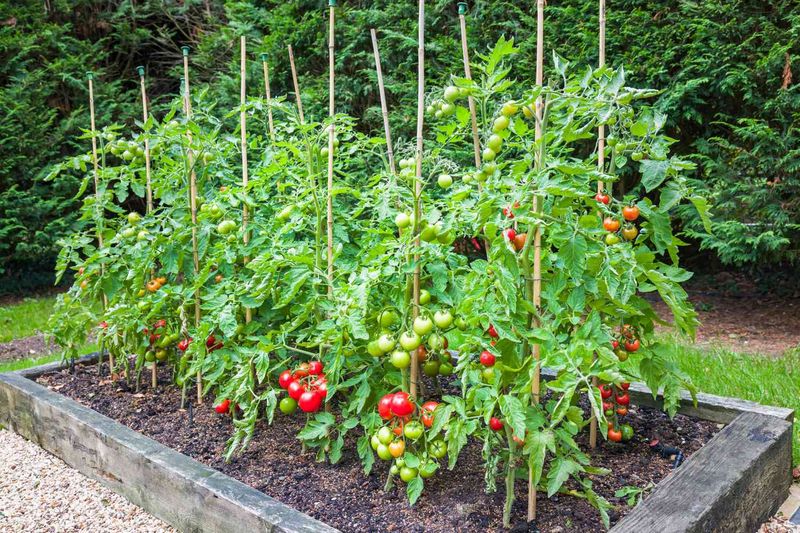
Ask ten gardeners about tomatoes and you’ll hear about the summer they drowned in them. For fresh eating, plan on 2 to 4 plants per person.
That covers salads, sandwiches, and a few handfuls for snacking.
Want sauce, salsa, or canned tomatoes for winter? Bump it up to 5 to 10 plants per person, and lean toward paste types like Roma.
Five to eight Roma plants per person is a solid target for a pantry shelf of sauce.
Cherry tomatoes play by their own rules. One or two plants per person is usually plenty, since a single healthy vine can churn out hundreds of fruits.
Add one extra plant to your total in case blight or blossom end rot slows down a vine mid-season.
2. Zucchini and Summer Squash
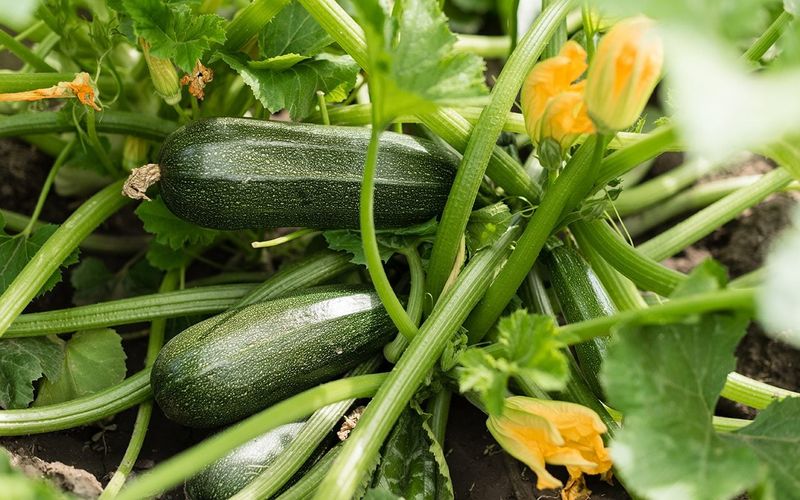
Here’s the crop that leaves anonymous bags of produce on neighbors’ porches. One to two plants per person is the standard advice, and honestly, one plant can feed a whole small household.
A single zucchini can grow from finger-sized to baseball bat in just a few days. If you pick often, the plant keeps producing all summer long.
For a family of four, two or three plants is usually more than enough. Save the extra space for something you’ll actually run short on.
3. Peppers
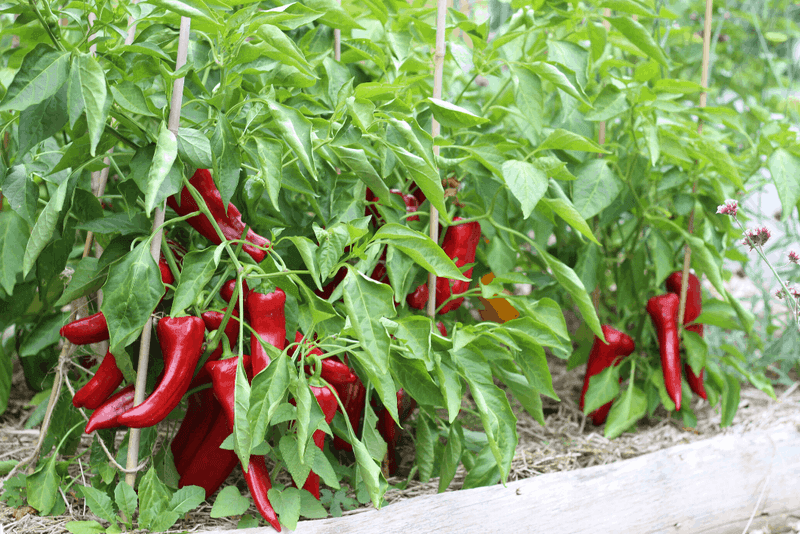
Peppers are slower and steadier than tomatoes, so your count needs to be a bit more generous per serving. Most folks do well with 2 to 3 plants per person.
Variety makes a big difference. Hot peppers like jalapenos produce heaps of small fruit, so one or two plants may cover your salsa needs.
Bell peppers give fewer, larger fruits, so 3 to 5 plants per person makes sense if you cook with them often.
Chopped peppers freeze beautifully without blanching. If you love stir-fries in January, tuck in a couple of extra plants.
4. Cucumbers
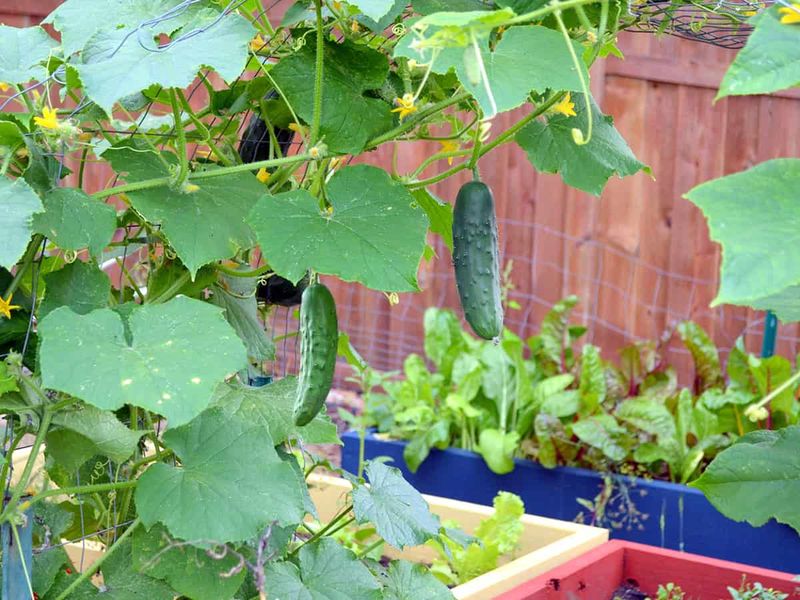
Two or three cucumber plants per person keeps the salad bowl full. A healthy vine can give you 10 or more slicing cucumbers over the season.
Pickles change the math. Add another 3 to 5 plants per person if you want jars of dills, since pickling types can yield up to 5 pounds each.
Growing them up a trellis saves space and keeps fruit clean and straight. It also makes them easier to spot before they turn into yellow balloons.
5. Bush Beans
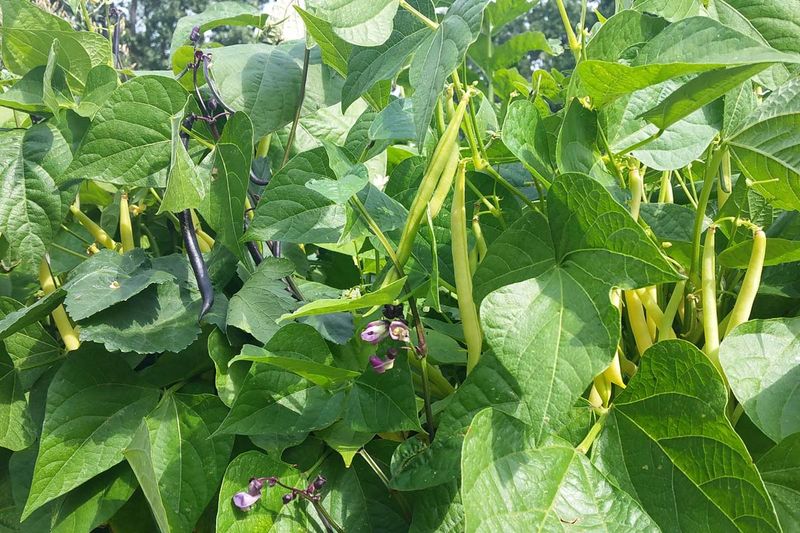
Bush beans are the impatient gardener’s friend. They grow fast, stay compact, and tend to deliver their harvest in one big rush.
For fresh eating, plant 10 to 15 per person. If you want to can or freeze a real stockpile, the numbers jump fast, with about 100 plants needed to get around 50 pounds of beans.
Because they ripen all at once, sow a new batch every two to three weeks. That trick keeps beans coming instead of overwhelming you in a single weekend.
6. Pole Beans
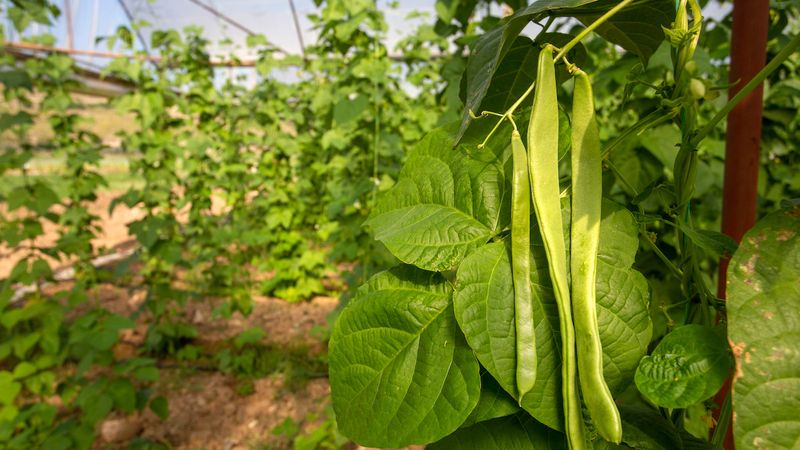
If garden space is tight, look up. Pole beans climb toward the sky and keep producing for weeks longer than their bushy cousins.
Around 5 plants per person handles fresh eating nicely. Going for a full year of green beans?
Plan on roughly 57 plants per person, figuring about a pound per plant.
Keep picking every couple of days. Pods left too long signal the plant to slow down, and nobody wants that in August.
7. Peas
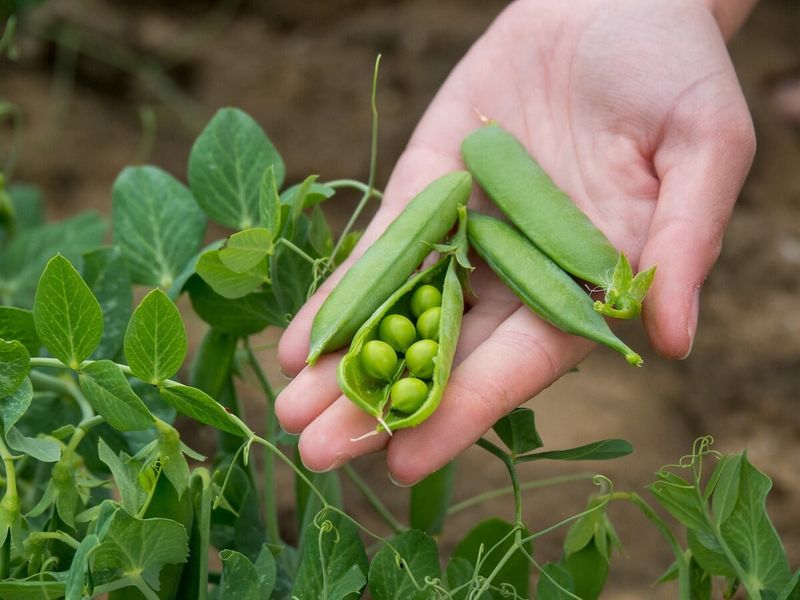
Fresh peas rarely make it into the kitchen. Most get eaten right off the vine, which is why your count should be higher than you think.
Plan for 15 to 20 plants per person for fresh eating. To freeze a supply, aim for 30 to 35 plants per person.
Peas love cool weather, so get them in early spring. Once summer heat arrives, production drops fast.
8. Lettuce
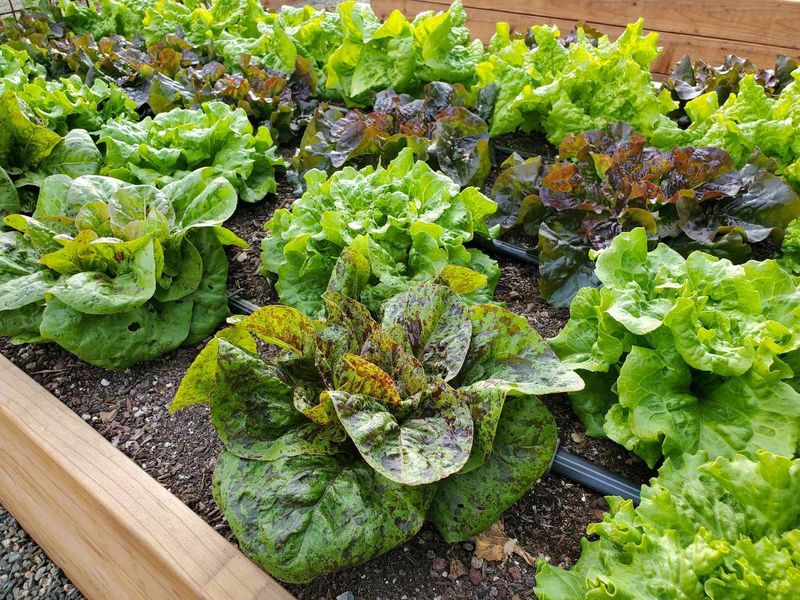
Plant 30 lettuce heads at once and you’ll be tossing slimy leaves by week three. Lettuce is all about timing, not volume.
Four to six plants per person, sown every 2 to 3 weeks, gives a steady supply. A 10-foot row can produce 4 to 6 pounds.
Cut-and-come-again leaf types stretch each plant further. Pick outer leaves and let the center keep growing.
Hot weather makes lettuce bolt and turn bitter. Afternoon shade can buy you a few extra weeks.
9. Spinach
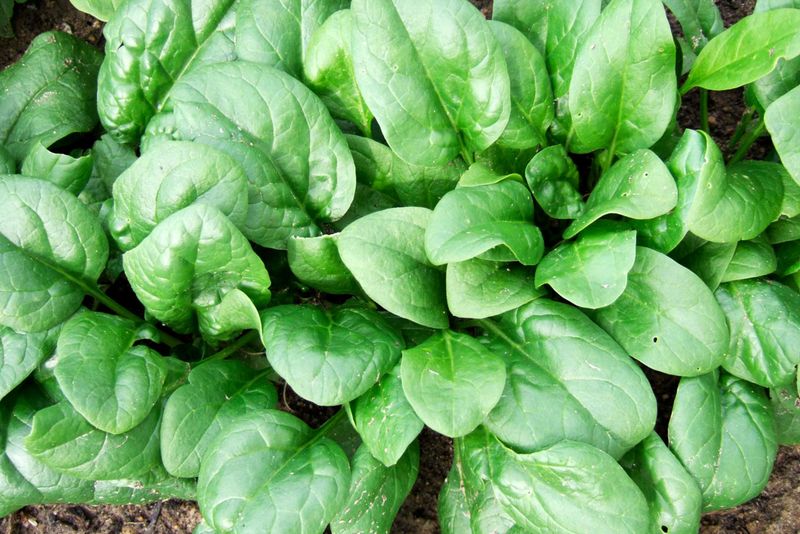
Spinach shrinks dramatically when cooked. A heaping basket wilts into a small side dish, so plant more than seems reasonable.
Around 15 plants per person keeps fresh salads coming. For freezing a year’s supply, aim for 25 to 32 plants per person.
Like lettuce, spinach prefers cool weather. Spring and fall sowings tend to do best across most of the US.
10. Kale
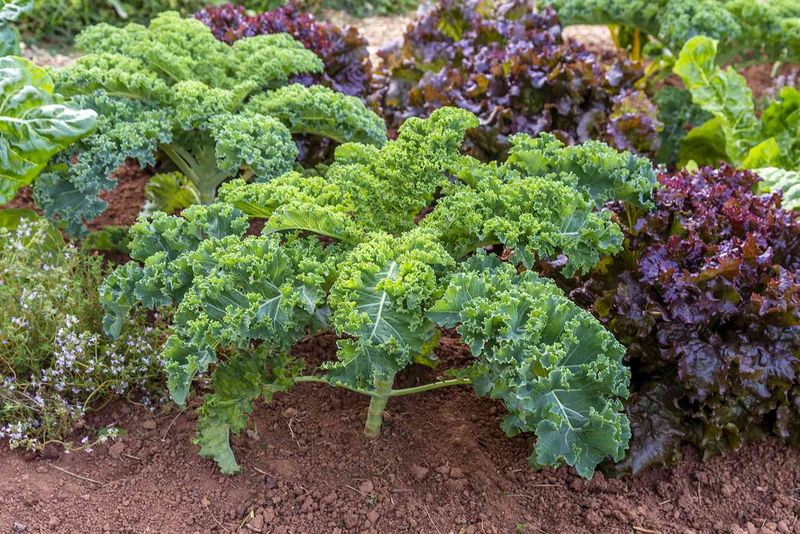
Kale is the marathon runner of the garden. One plant can be picked for months, and a light frost actually makes it sweeter.
Two to three plants per person works for most families. Smoothie lovers might want 4 to 5 for fresh eating, plus another 4 to 5 for freezing or drying.
Harvest the lower leaves and leave the top crown growing. Your plants will keep going well into fall.
11. Carrots
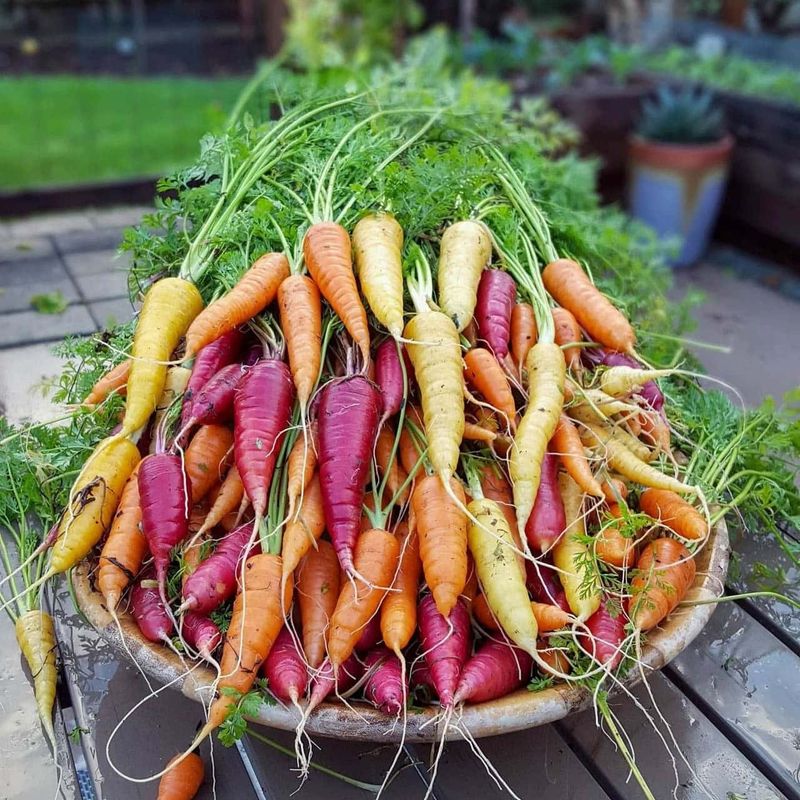
Fun fact: early carrots were mostly purple or yellow, not orange. Whatever color you grow, you’ll need a lot of them.
Plan for 30 to 40 plants per person for fresh eating. For root cellar storage or freezing, increase to 70 to 80.
Sow short rows every few weeks rather than one long row. That way you’re not pulling 80 carrots on the same day.
12. Beets
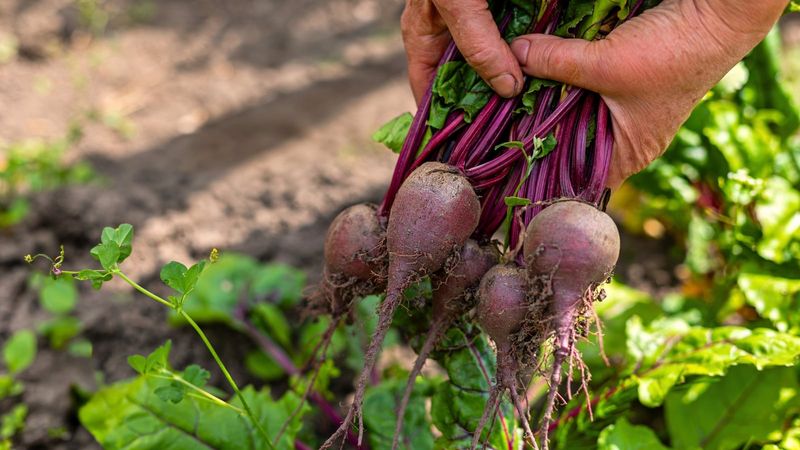
Beets are a two-for-one deal. You get sweet roots and tender greens from the same plant.
Grow 10 to 12 plants per person for fresh eating. For pickling, canning, or storage, plan on 25 to 30.
Sowing 5 to 10 beets every couple of weeks keeps them small and tender instead of woody.
13. Onions
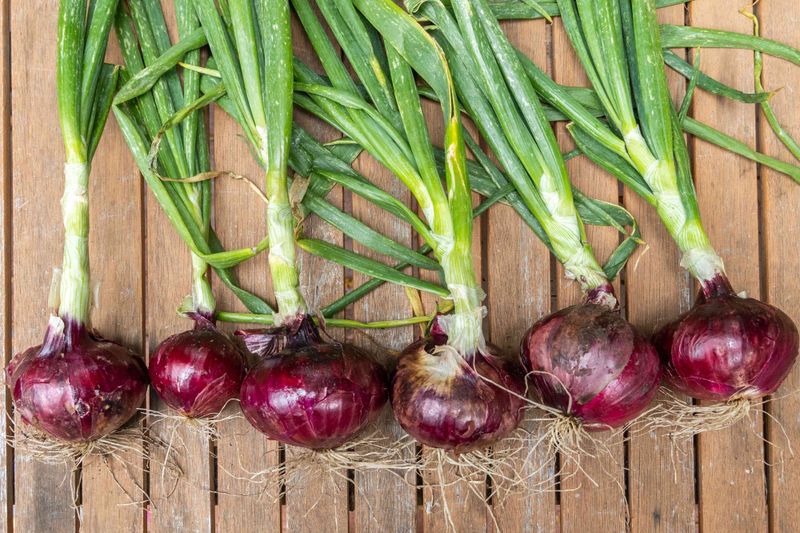
Count how many onions your kitchen goes through in a week and you might be shocked. One person can use around 184 onions a year.
Each set or transplant makes one bulb, so plan for 10 to 20 feet of row per person. If you just want some fresh onions, 15 to 20 plants is fine.
Mix sweet types for summer eating with storage types that last months in a cool, dry spot.
14. Potatoes
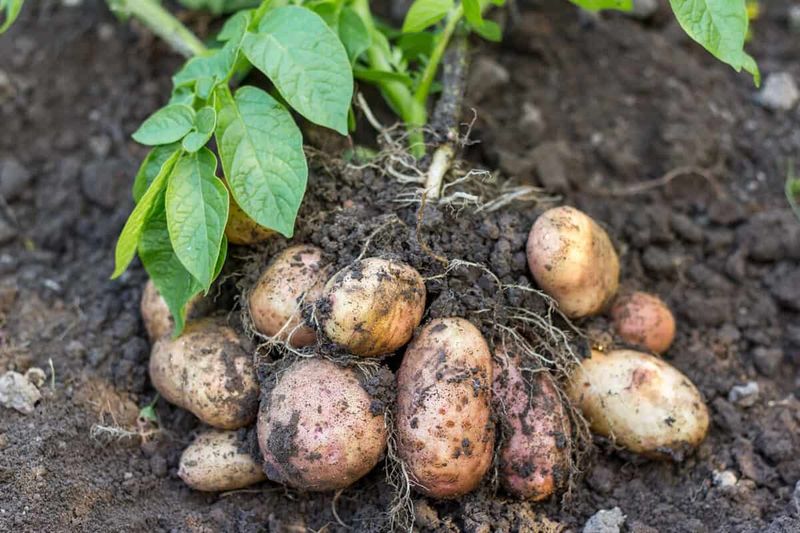
Digging potatoes feels like a treasure hunt. Each plant usually yields 5 to 10 potatoes.
For fresh eating, 10 to 20 plants per person works well. A full year’s supply runs 100 to 150 pounds per person, which takes about 20 to 40 pounds of seed potatoes.
Store them somewhere cool and dark. Light turns them green and bitter.
15. Sweet Corn
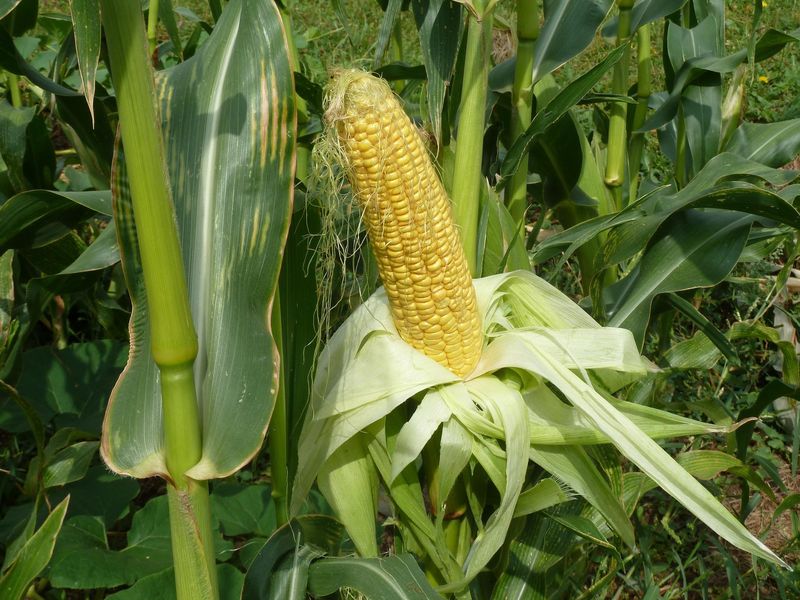
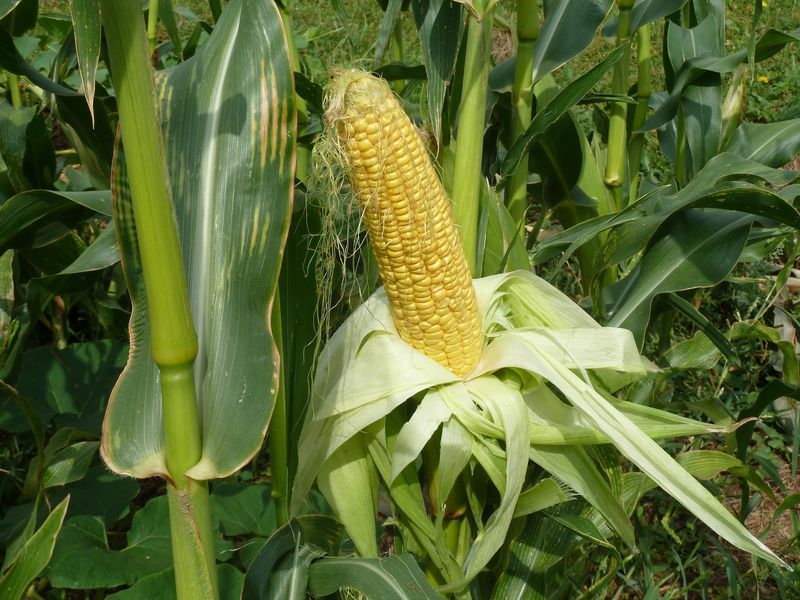
Corn takes up a lot of room for what it gives back. Expect only 1 to 2 ears per stalk.
Plant 10 to 15 per person, and set them in a square block rather than a single row. Corn is wind-pollinated, so blocks give you fuller ears.
If space is limited, corn is the first crop to trim. But nothing beats an ear picked ten minutes before dinner.