
American Beautyberry in North Carolina: A Great Native Shrub, but Not a Proven Tick Barrier
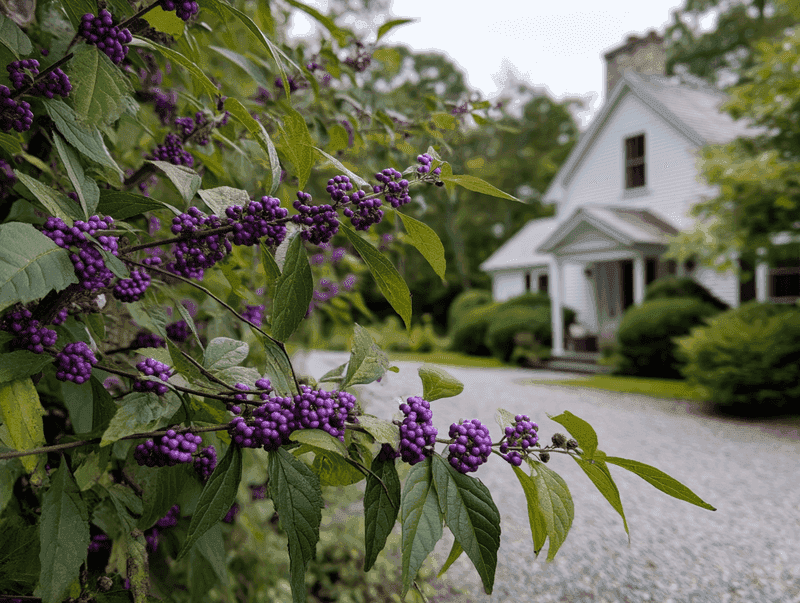
You may have heard that one native shrub planted along the lawn edge can keep ticks away from your patio. The shrub people usually mean is American beautyberry, and it really is a standout plant for North Carolina yards.
The tick part of the story is a different matter, and it is worth getting right before you dig. Here is what the plant can do, what it cannot, and what actually helps when woods meet lawn.
American beautyberry is the native behind the claim
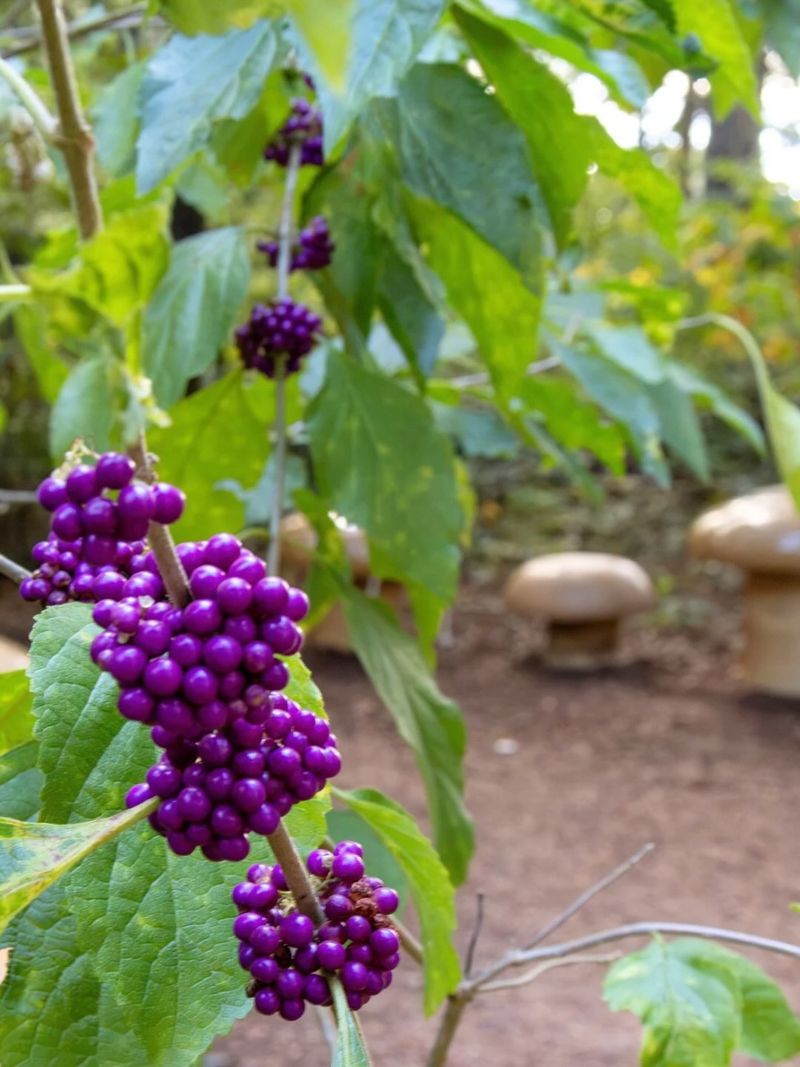
The plant behind the tick rumor is American beautyberry (Callicarpa americana), a native shrub that grows across North Carolina. NC State Extension’s Plant Toolbox lists it in the Coastal Plain, Piedmont, and Mountains, so gardeners from Wilmington to Asheville can grow it.
It usually reaches 3 to 8 feet tall and 3 to 6 feet wide. It does best in full sun or part shade and in well-drained soil.
That makes it a fit for many sunny borders and open woodland edges.
The showstopper arrives in late summer and fall, when tight clusters of glossy purple berries wrap around the arching stems. Birds and small mammals eat those berries, so the shrub works as a food source in a wildlife-friendly yard.
Those are the real reasons to plant it: a native look, a long season of interest, and food for wildlife. None of them are evidence about ticks.
Keep that separation in mind as we look at where the tick story came from.
What the tick-repellency research actually tested
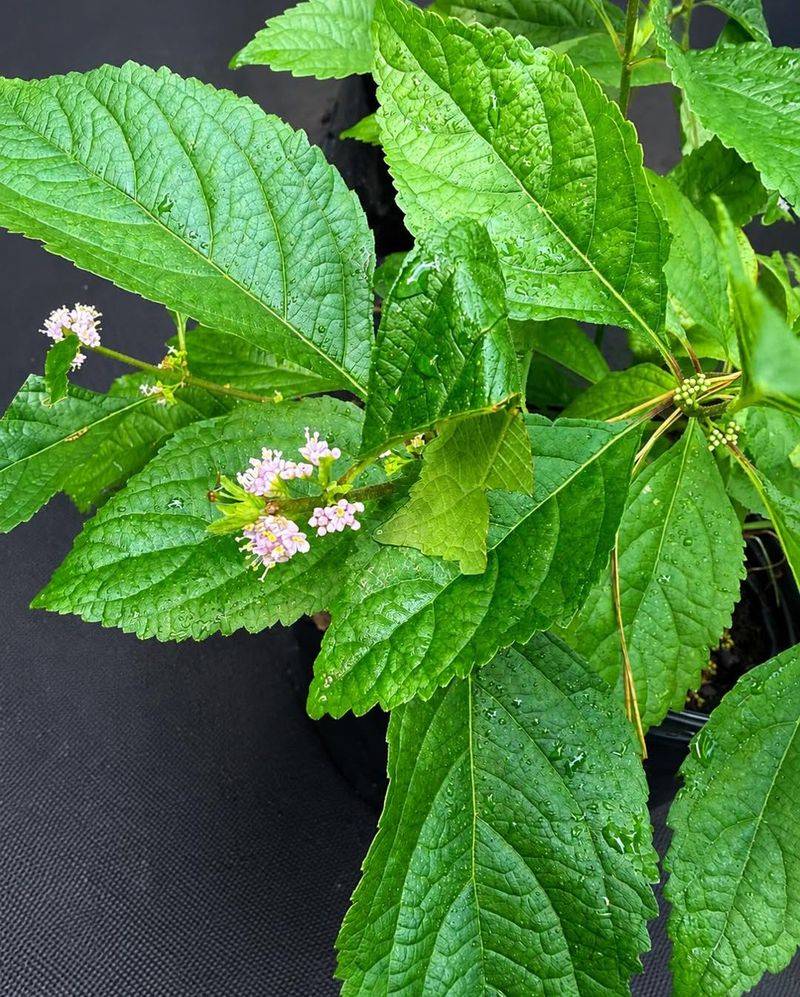
Here is where the buzz began. NC State notes that compounds in beautyberry leaves may repel ticks when the leaves are crushed, according to the Plant Toolbox entry.
Crushing releases the compounds, which is different from a shrub simply standing in your yard.
The best-known work is a 2007 USDA study. Scientists isolated two compounds from the plant and tested them in laboratory assays, with the compounds applied to treated cloth.
Ticks were then given a choice about crossing or staying off that cloth.
Results varied by tick species, and the researchers said further evaluation was needed. That is a careful, early-stage finding, not a finished product.
Just as telling is what the team did not test. They did not plant shrubs, build a residential border, or watch tick movement around a patio.
Nothing in that work shows a living beautyberry hedge changing where ticks go.
For the same reason, skip rubbing crushed leaves on skin or clothes. Nobody has shown that a homemade version works, lasts, or is safe, and it is not a stand-in for a store-bought repellent.
A planted border is not a proven tick barrier
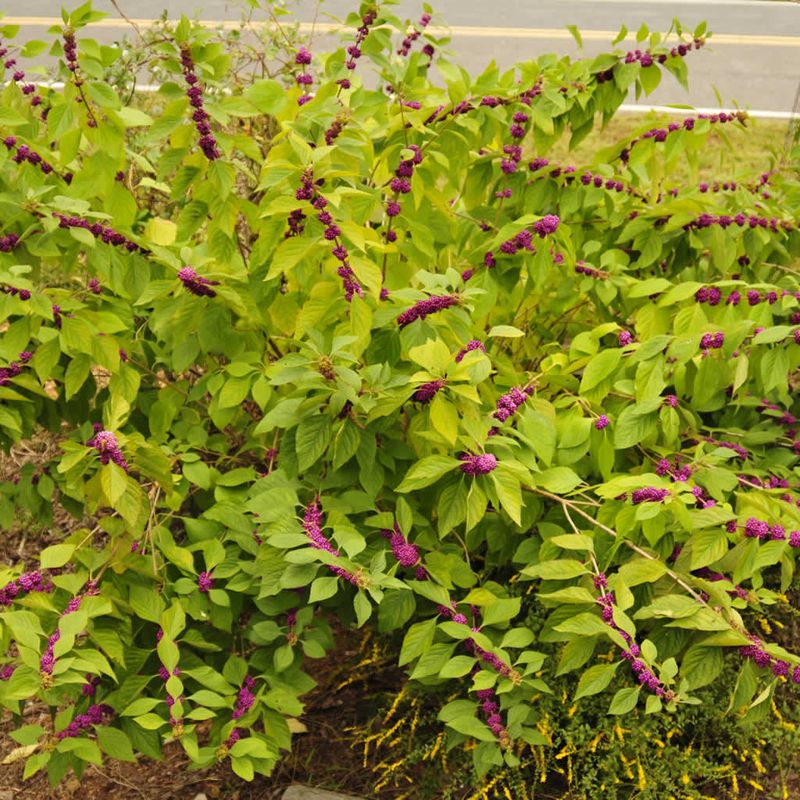
Picture the dream: a handsome line of shrubs, and ticks turning around at the edge. It is a nice thought, but it has not been shown to happen.
An Extension expert response says there are no known studies showing that particular plant species, just by being in a landscape, effectively repel ticks.
That is a gap in what we know, not a ruling that no plant could ever have an effect. Someone may test it properly one day.
Until then, a beautyberry border is a garden choice, not a tick plan.
Beautyberry’s own habits matter here too. According to the NC State Plant Toolbox, it grows naturally in thickets and woodland margins, and its value is its berries and native habitat.
So enjoy it for the birds and the color. Just do not tuck a dense shrub line beside your patio and count it as a safety measure.
Manage the woods-to-lawn edge instead
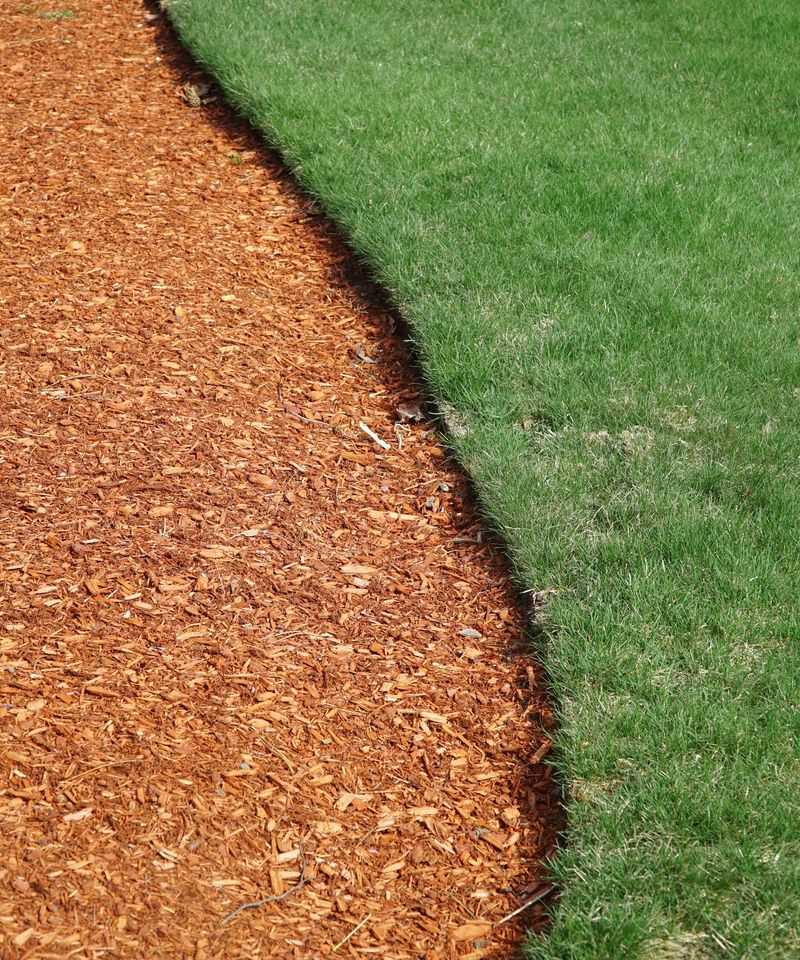
The better tick work happens in how you handle the edge. CDC guidance lists several steps that can help reduce blacklegged ticks: remove leaf litter, clear tall grass and brush around the lawn edge, and mow regularly.
CDC also suggests a 3-foot-wide strip of gravel or wood chips between lawn and woods. The idea is to restrict ticks from moving into recreational areas.
Think of it as a speed bump, not a wall.
A peer-reviewed barrier study concluded that barriers are not a stand-alone way to prevent disease transmission. They can be one useful layer, nothing more.
Species matter in North Carolina, too. The state tickborne disease report points to lone star and blacklegged ticks among those found here.
The landscaping advice is built around blacklegged ticks, and Cornell’s IPM guidance cautions that habitat steps may be less effective against lone star ticks.
A practical weekend plan: rake the leaves along the tree line, cut back brush, and lay the chip strip. Then keep mowing and expect to still take other precautions.
October can be a good time to plant a woody native
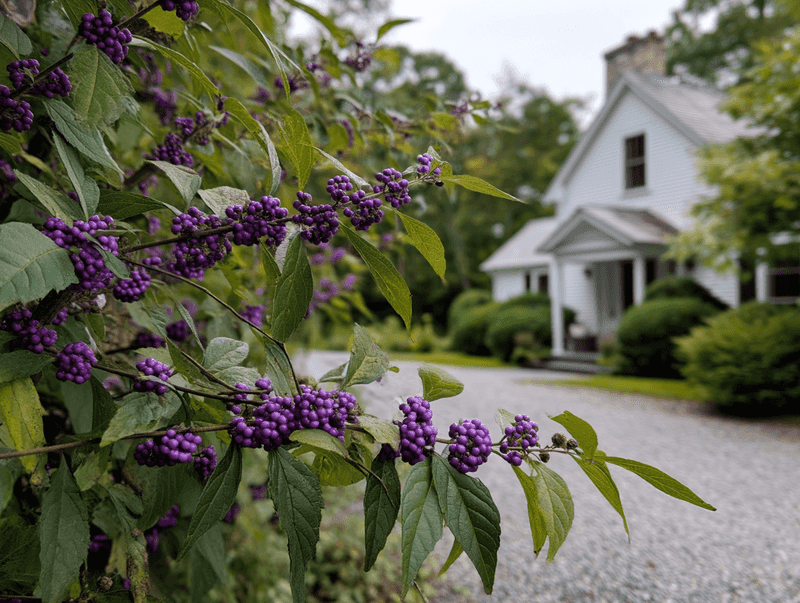
If you want beautyberry for the garden, fall is a sensible time to plant it. NC Cooperative Extension’s October checklist calls October a good time for planting shrubs and trees when rainfall is adequate.
Cooler air and warm soil give roots time to settle in before the plant has to push out leaves. A separate Extension native-plant guide describes October and November as a root-establishment window.
Aftercare is what makes it work. Water thoroughly right after planting, and keep watering for several weeks, especially if fall turns dry.
Treat October as a reasonable window, not a deadline or a guarantee. Timing shifts with plant type, location, and weather.
The October checklist itself says herbaceous perennials are best planted in spring, so do not stretch shrub advice to every native.
Personal protection still matters around the yard
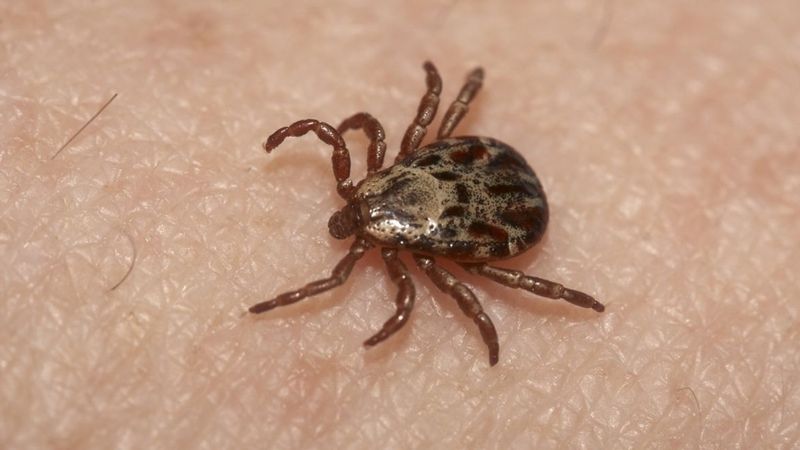
No landscaping choice replaces what you do with your own body. CDC guidance recommends keeping patios, decks, and play areas away from yard edges and trees where practical.
If you are still deciding where to put the seating, that is a stronger move than any plant.
Use an EPA-registered repellent exactly as the label directs. Consider permethrin-treated clothing or gear, again following its label.
Afterward, check people, pets, and clothing for ticks. CDC’s advice on protecting people also says not to rely on yard pesticide applications alone to reduce infection risk.
Make the checks a habit: a quick scan after yard work, a look at the dog’s ears and legs, and clothes into the dryer. These steps cost almost nothing and apply whatever shrubs you have planted.
Plant beautyberry for its garden value, not tick control
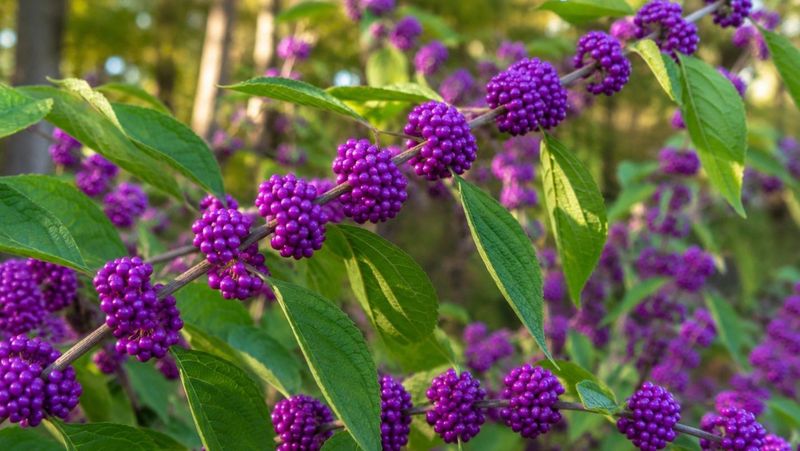
Plant American beautyberry because it earns its place: a native shrub with vivid berries and food for wildlife, and October can be a fine time to put it in with good watering.
Then handle ticks as their own job, using CDC’s habitat and personal steps.
Let the shrub feed the birds, and let your rake, mower, and repellent do the tick work.