
The Garden Shortcuts Experienced Growers Swear By Once They Learn Them The Hard Way
Most seasoned gardeners have a story about the hydrangea that never bloomed or the tomato that flopped in July. They didn’t learn the fix from a book.
They learned it by losing a plant or two first. The good news is you can skip that painful part and go straight to the shortcuts that actually work.
1. Water Hydrangeas Deep, Not Daily
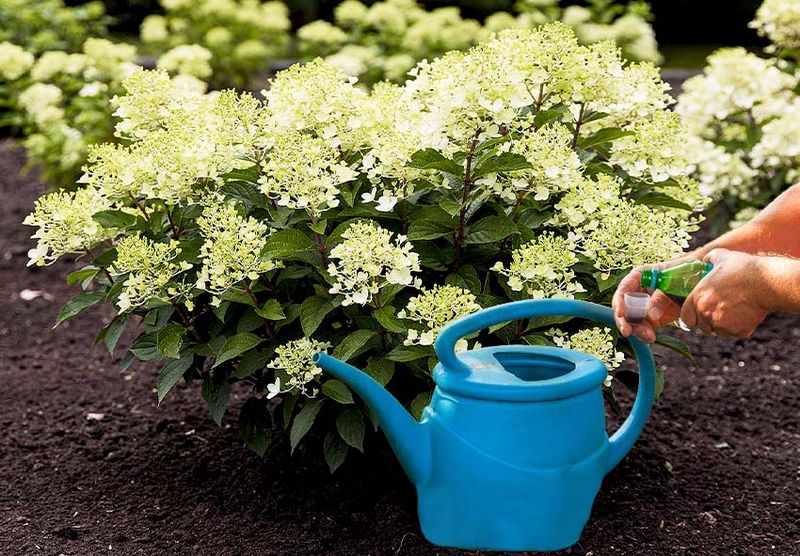
Picture a hydrangea slumped over at 4 p.m. like it just ran a marathon. Many new gardeners grab the hose right away and sprinkle it every evening.
Veterans know that shallow daily splashes keep roots near the surface, where they bake.
The better habit is about an inch of water each week, split into two or three deep soakings during hot spells. Push a finger into the soil first.
If it feels damp two inches down, skip the hose and let the plant recover on its own once evening cools things off.
A three-inch layer of shredded bark or leaves around the base finishes the job. Mulch holds moisture and keeps roots cooler.
Potted hydrangeas can also be rolled into afternoon shade, which may save them from wilting on the hottest days.
2. Know Your Hydrangea Type Before You Prune
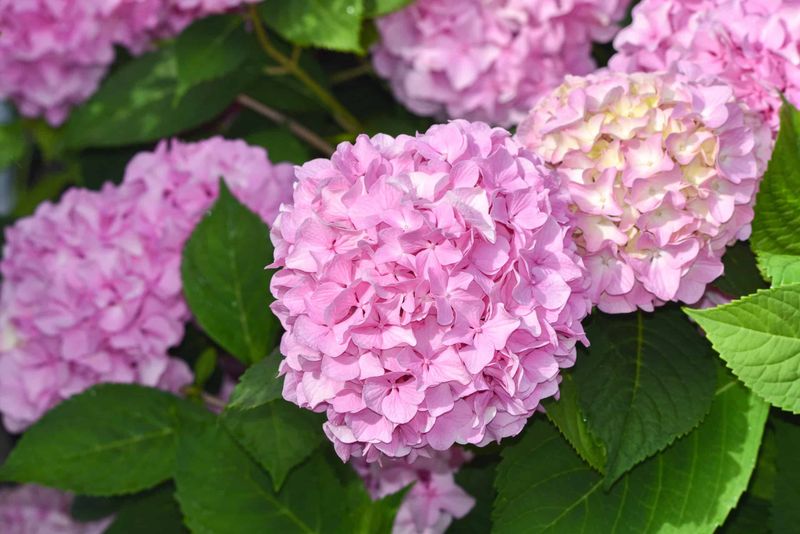
Ask any longtime grower about their worst gardening mistake and pruning a bigleaf hydrangea in spring often comes up. They snipped it neatly, then got a full summer of green leaves and zero flowers.
Ouch.
Here’s the secret. Bigleaf and oakleaf hydrangeas bloom on old wood, meaning last year’s stems already hold this year’s buds.
Cut those right after flowering ends in summer, or not at all.
Panicle types like Limelight and smooth types like Annabelle bloom on new wood. Those can be trimmed in late winter or early spring without any fuss.
Not sure which you have? Check the plant tag, or simply wait and watch where flowers form this year before picking up the pruners.
3. Skip the Lawn Fertilizer Near Flowers
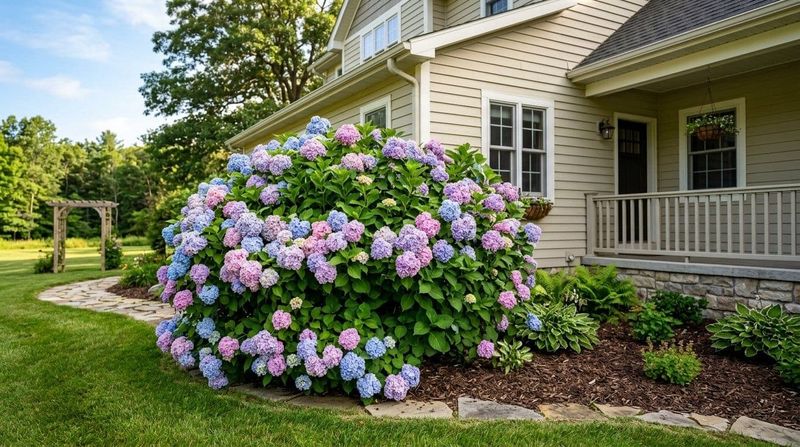
Lawn food is made to grow leaves, and it does that job really well. The trouble starts when it drifts into your flower beds.
High nitrogen pushes hydrangeas, geraniums, and petunias into leafy overdrive while blooms quietly disappear.
Experienced gardeners switch to a balanced feed or one with a little more phosphorus and potassium than nitrogen. On the bag, that means the middle and last numbers are equal to or higher than the first one.
Also aim your spreader carefully near beds. A healthy-looking plant with no flowers is often just overfed, not sick.
Cutting back on nitrogen for a few weeks can help buds return without spending a dime.
4. Give Petunias a Midseason Haircut
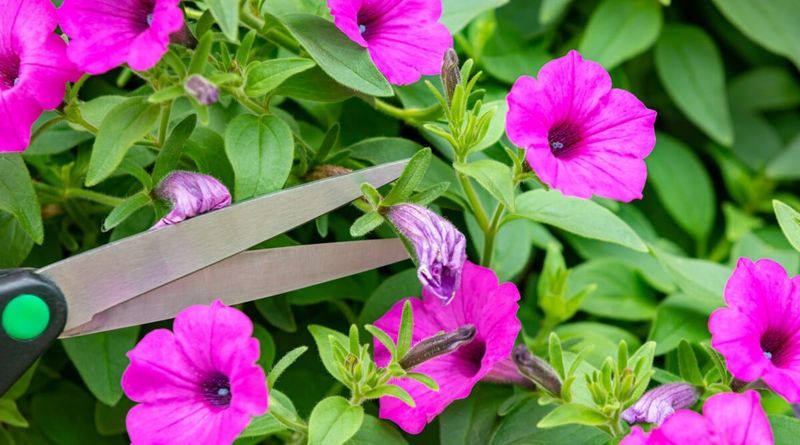
Cutting off half a flowering plant sounds crazy. Yet by mid-July, many petunia baskets look stringy, with flowers only at the tips of long bare stems.
That’s when pros reach for scissors.
Trim the stems back by one-half to two-thirds. Then water well and give a dose of bloom-friendly fertilizer.
In about two weeks, fresh, bushy growth fills in, packed with buds.
Between haircuts, pinch off faded flowers along with the little swollen pod behind them. That pod is where seeds form, and seed-making tells the plant it can quit blooming.
Rootbound pots may also need a bigger home to keep going strong.
5. Deadhead Geraniums Down to the Stem
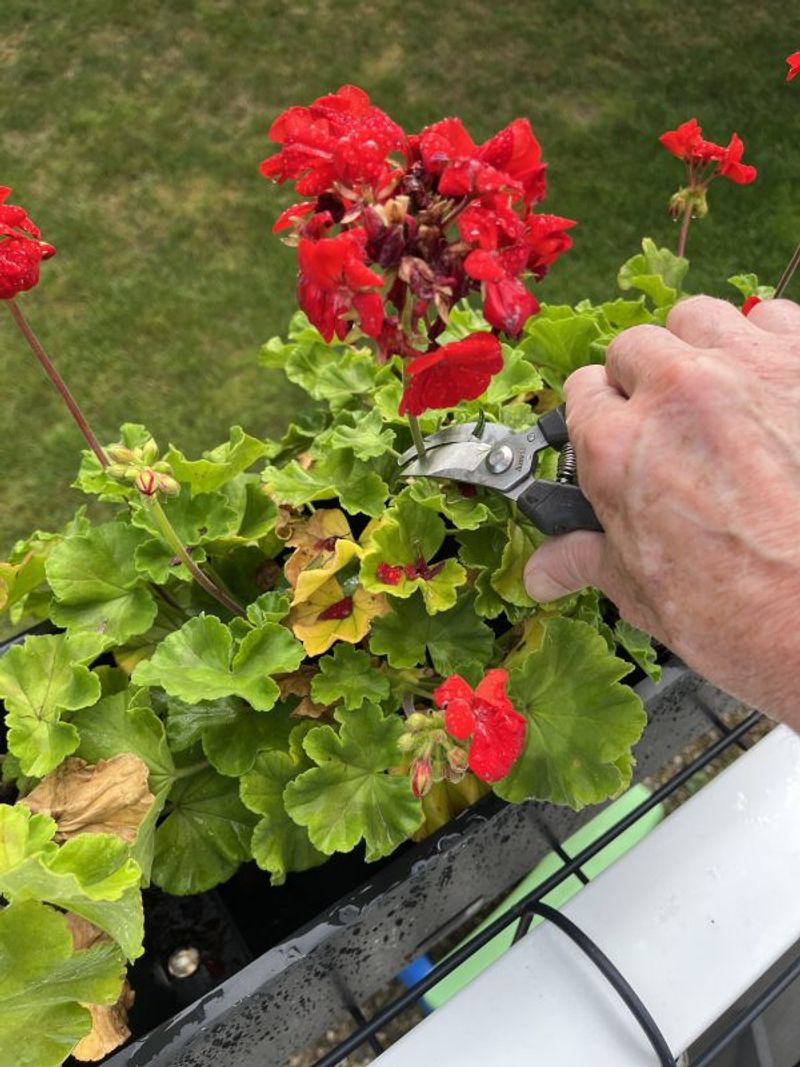
Grandma’s geraniums bloomed all summer, and she wasn’t using magic. She was snapping off old flower heads every few days while sipping her morning coffee.
The trick is removing the whole stalk, not just the dried petals. Follow the stem down to where it meets the main plant and snap or snip it there.
Leftover stubs just turn brown and waste energy.
Geraniums also hate soggy roots, so let the soil dry a bit between drinks. Give them plenty of direct sun, even a hot south-facing spot.
With those three habits in place, your plant may keep pushing fresh color right into fall.
6. Water Tomatoes in the Morning at the Base
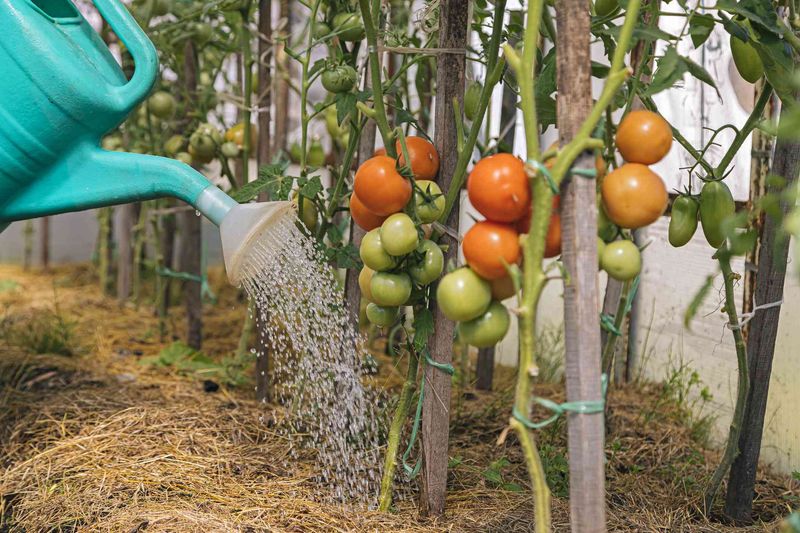
A wilted tomato at 3 p.m. isn’t always thirsty. On blazing days, leaves droop to save moisture, then perk back up by evening.
Watering again in a panic can drown roots.
Seasoned growers water deeply in the morning, right at the soil line, when the top two inches feel dry. Wet leaves overnight invite disease, so overhead sprinklers are skipped.
Steady moisture matters too. Swinging between bone-dry and soaked is linked to blossom end rot, those leathery black bottoms on fruit.
Straw mulch helps keep the soil evenly damp and cool, which can reduce that problem a lot.
7. Pinch Tomato Suckers Early
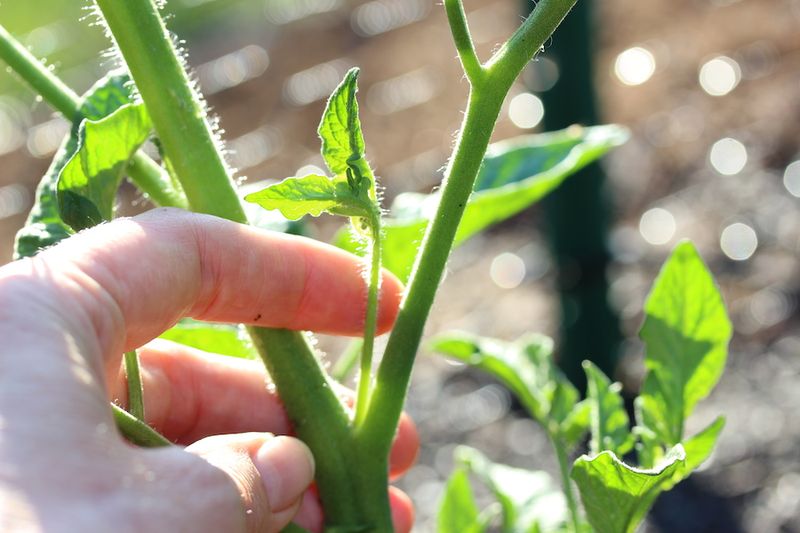
Suckers are sneaky little shoots that pop up in the crotch between the main stem and a side branch. Leave them alone and your tidy plant becomes a tangled jungle with smaller fruit.
Pinch them off when they’re tiny, about finger-length or shorter. Small ones snap away cleanly with no tools and leave a small wound that heals fast.
Removing yellow lower leaves helps as well, since it opens airflow. Fewer crowded stems means more sunlight reaches the fruit.
Pair this with six to eight hours of sun, and your plants put energy into tomatoes instead of extra leaves.
8. Plant Clematis Deep With Cool Feet
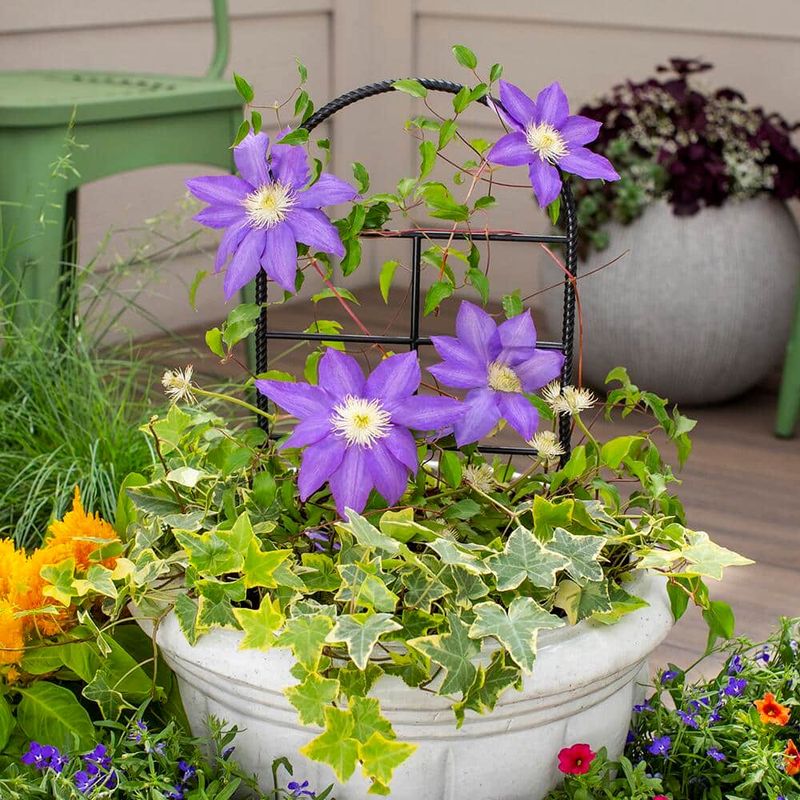
“Head in the sun, feet in the shade.” Old-timers repeat that line about clematis for good reason. The vine loves light up top but sulks when roots get hot.
When planting, set it so at least two sets of buds sit below the soil. If clematis wilt, a fungal disease, strikes the top, those buried buds can send up new shoots.
Mulch or a low plant at the base keeps roots cool.
Spot sudden wilting? Cut affected stems about a foot below the damage and wipe your pruners clean afterward.
Water the soil in the morning, never the leaves, and the vine often bounces back.
9. Keep Hollyhock Leaves Dry and Spaced
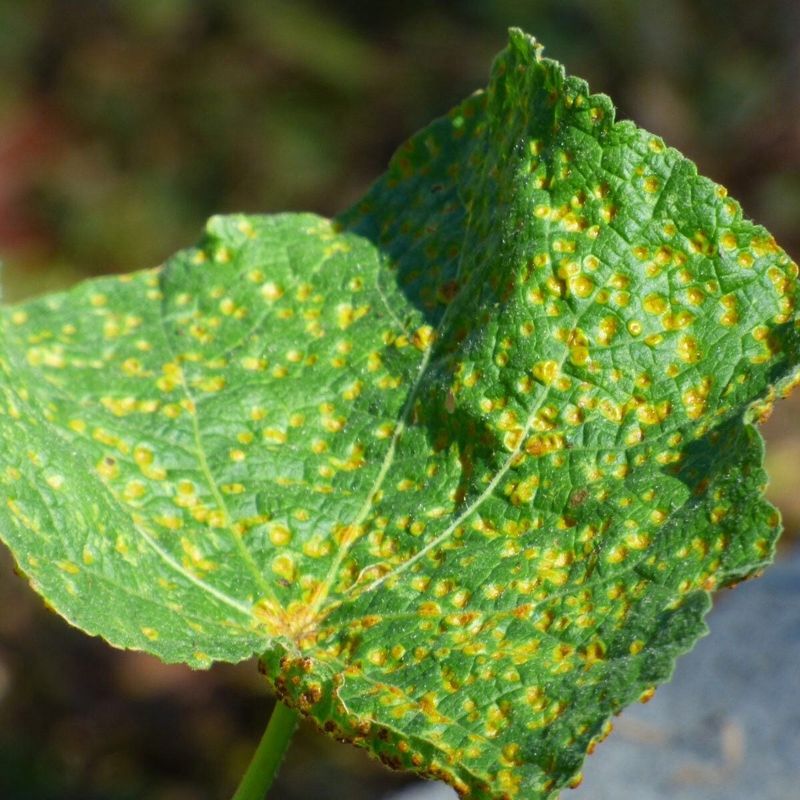
Hollyhocks are the tall cottage-garden stars that seem effortless until orange bumps show up on the leaves. That’s hollyhock rust, and nearly every grower meets it eventually.
The shortcut is simple: keep the foliage dry. Use a soaker hose or watering can aimed at the base.
Space plants so air moves between them.
Pull off spotted leaves the moment you see them and toss them in the trash, not compost. Clean up all debris in fall so the fungus can’t overwinter.
Full sun and well-drained soil help too, and pinching young stems early may give you sturdier plants that need less staking.
10. Swap Petunias for Heat Lovers in Hot Spots
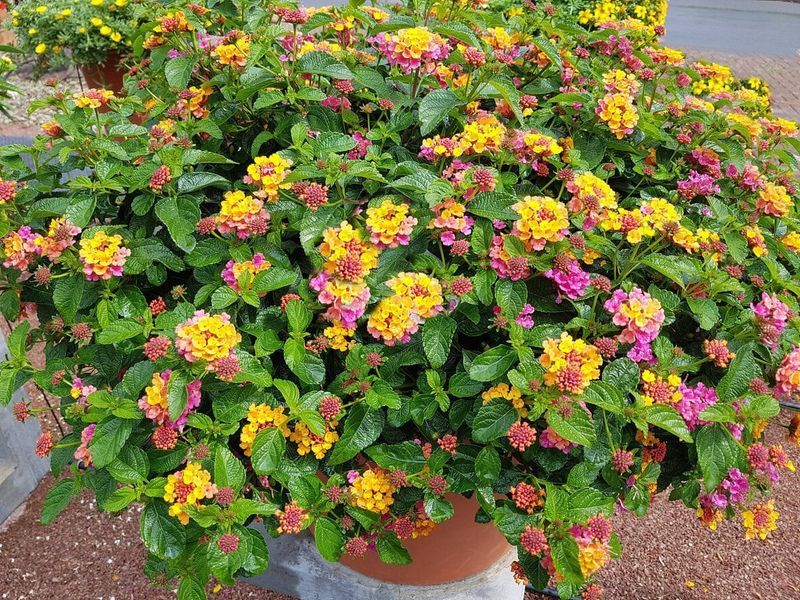
Some spots in the yard are just brutal. Think of that strip by the driveway or the west-facing bed that cooks all afternoon.
Petunias there often fry by August, no matter how much you water.
Rather than fighting it, smart growers switch plants. Lantana, zinnias, vinca, pentas, and salvia shrug off scorching heat and keep blooming.
Purslane and blanket flower handle dry, reflected heat beautifully.
Coneflowers and black-eyed Susans come back year after year, saving money too. Matching the plant to the spot is the ultimate shortcut.
You’ll spend less time rescuing and more time enjoying color.