
Lemon Peels And A Sprig Of Garden Mint Turn Your Mop Bucket Into The Freshest-Smelling Room In The House
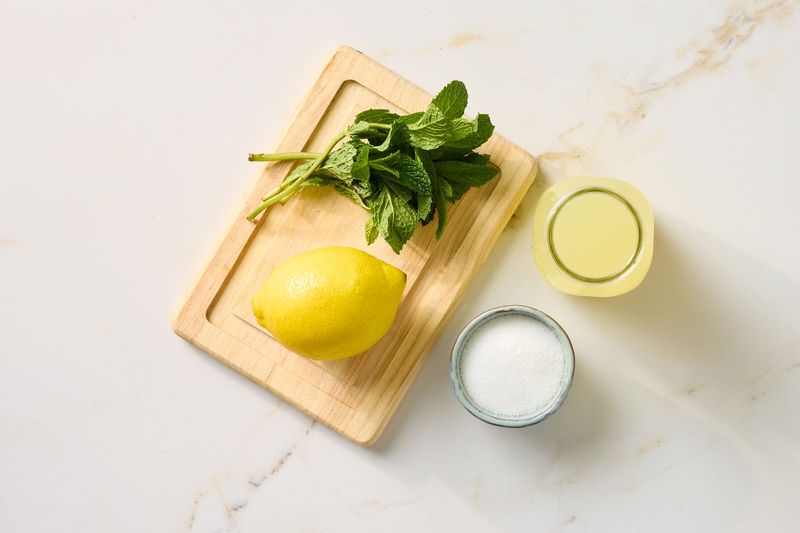
You snip a sprig of mint from the patch by the back steps, and a whiff of it makes you wonder about your mop bucket. Lemon peel and mint smell lovely, so people ask if they belong in floor wash.
The honest answer is that it is an untested scent idea, and floors can be picky. Here is how to think it through without harming your floors or mixing the wrong things.
What can lemon peel and mint actually add?
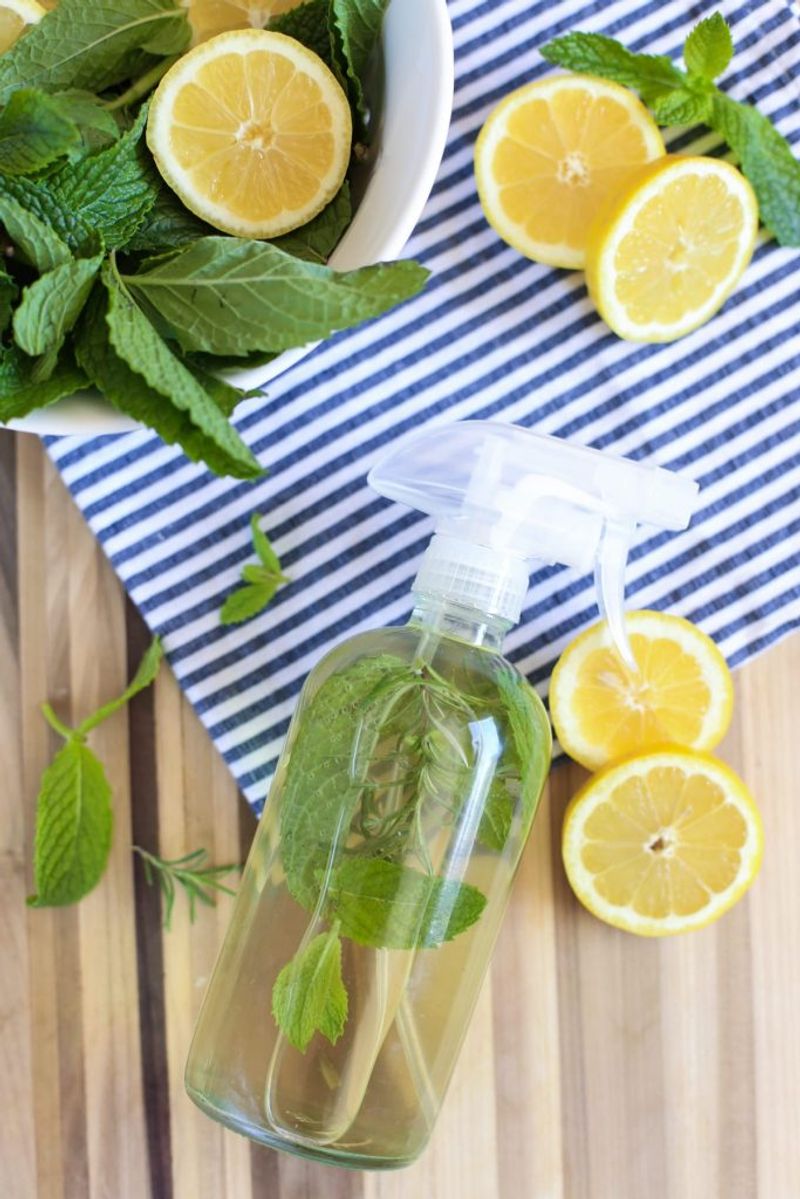
Picture a handful of lemon peels and a sprig of mint from your garden. They smell bright, so it is easy to imagine them turning plain mop water into something special.
That picture is appealing, but it is a scent idea, not a proven cleaning method.
A University of Florida Extension guide does include an orange-peel-and-vinegar cleaner for general cleaning. It does not test lemon peel and mint in mop water, though.
Nothing there shows that this combo cleans floors well, is safe on every floor, or perfumes a room in any reliable way.
So no one can honestly promise that your house will smell better than before, or that one room will smell better than the others. Smell is personal, and results depend on your floor, your water, and how much you use.
Peel and mint can be thought of as optional extras for people who like the aroma, nothing more.
They are not cleaners and they do not sanitize. Soap, water, and the right method for your floor do the actual work.
The rest of this article helps you judge the idea calmly. You will see how to keep a scent experiment separate from floor care, why vinegar and baking soda should not be mixed, and how your flooring decides what is allowed in the bucket.
Keep the botanical scent idea separate from your floor cleaner
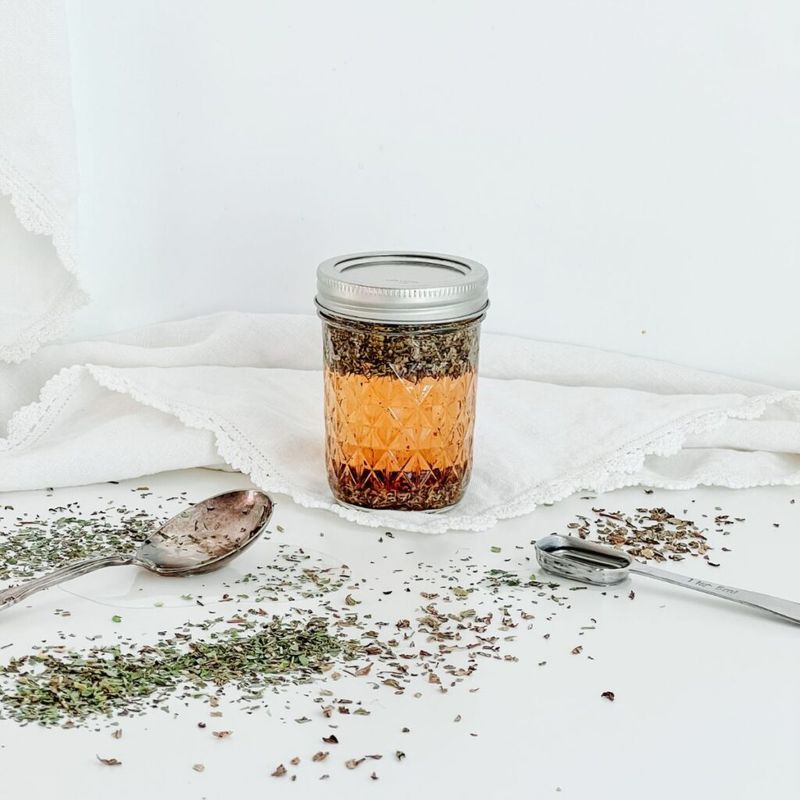
If you want to play with the idea, treat it as a small scent experiment. Steeping lemon peel and mint in water is a practical idea that nobody has validated.
There are no tested amounts, no proven results, and no promise it will leave any fragrance behind.
If you try it, strain out every bit of peel and leaf so no bits end up on the floor. Then test a small, hidden spot first, such as inside a closet, and see how the surface reacts once it dries.
Your floor’s approved cleaning method comes first. For wood, for example, the National Wood Flooring Association warns about excess moisture from traditional mop-and-bucket cleaning.
A bucket of anything wet may be the wrong tool before scent even enters the picture.
Do not pour your infusion into a store-bought floor cleaner. Nothing shows that it is compatible with that product, and the label did not plan for it.
Use the cleaner as directed, on its own.
Think of the mint and peel as an optional extra only if your floor maker’s method allows it. If the method says no, skip it and enjoy the herbs in a glass of water instead.
Why vinegar and baking soda should not share a mop bucket
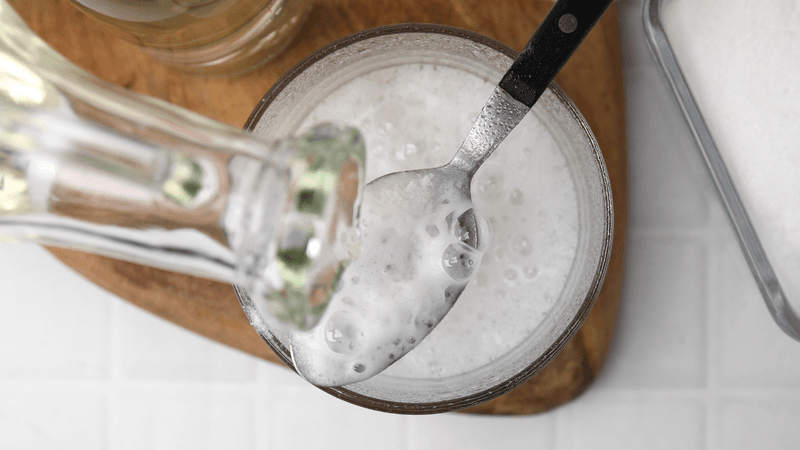
That dramatic fizz looks like power. It is really a chemical reaction.
Vinegar is an acid and baking soda is a base, and a Colorado State University Extension handout on acids and bases explains that mixing them makes carbon dioxide and other products.
As they react, some of each ingredient gets used up. What is left in the bucket is not a stronger cleaner.
The bubbles show that something changed, not that the mix cleans better.
The simple fix is to keep them apart. Each one may suit certain jobs on certain surfaces, so use one at a time and rinse between if the task calls for it.
Never stir both into the same mop water hoping for a boost.
Watch for a clue in your own kitchen. If a recipe tells you to pour one on top of the other for fizzing action, that is a show, not extra scrubbing power.
A bit of elbow grease and the right product for the floor will do more.
Whether either one is suitable depends on the floor. That is the next question.
Your floor’s material decides what belongs in the bucket
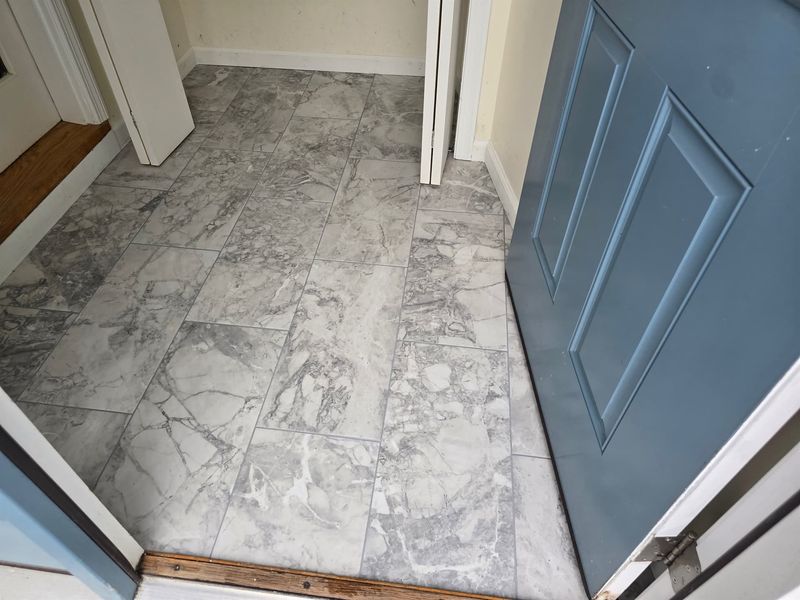
Instead of looking for one recipe, start with the floor under your feet. The material decides what is safe.
For wood, the National Wood Flooring Association advises against vinegar on wood-floor finishes. It also cautions against the extra moisture a traditional mop and bucket can leave.
Use the cleaner and method approved by your floor’s maker or finish maker.
For stone, the Natural Stone Institute says not to use vinegar on marble, limestone, or travertine. It also warns that vinegar may harm some granite or stone sealers.
Ask your stone supplier about your exact material.
Advice you find online can disagree. A UF/IFAS Extension guide gives diluted-vinegar recipes for wood, vinyl, and ceramic tile, with a nearly dry mop for wood.
The wood industry says no vinegar on finishes. When sources conflict, follow the people who made your floor.
Be careful with the word tile. A diluted recipe for vinyl or ceramic tile should not be carried over to natural stone tile or to every surface sold as tile.
If you are unsure what you have, check the paperwork from the installer or call the manufacturer. Until you know, plain approved cleaner is the safe choice, and the mint and peel can wait.
A fresh scent is not the same as disinfection
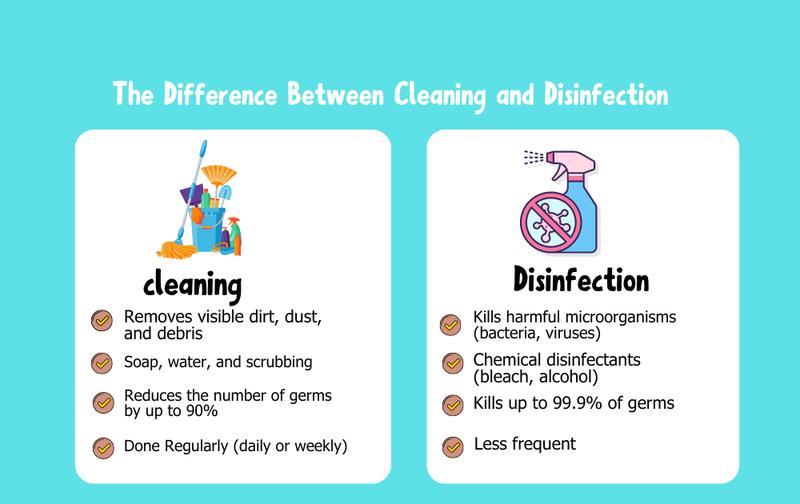
A floor can smell like lemon and mint and still be covered in germs. Scent tells you about your nose, not about what is on the surface.
The EPA separates these jobs. Cleaning removes dirt and organic matter.
Disinfecting uses registered products to kill viruses and bacteria. A peel-and-mint wash is not either of the latter.
If you need to disinfect, pick an EPA-registered product. Read the label for the surfaces it is made for and for the wet contact time, which is how long the surface must stay visibly wet.
Lab tests on household items give mixed pictures. One laboratory study found vinegar and baking soda less effective than the commercial disinfectants it tested.
Another found results varied among household substances and organisms.
Neither study tested lemon peel and mint, so neither shows that this wash kills germs. Enjoy the aroma if you like it, but do not count on it for protection.
Never mix bleach with vinegar or other cleaners
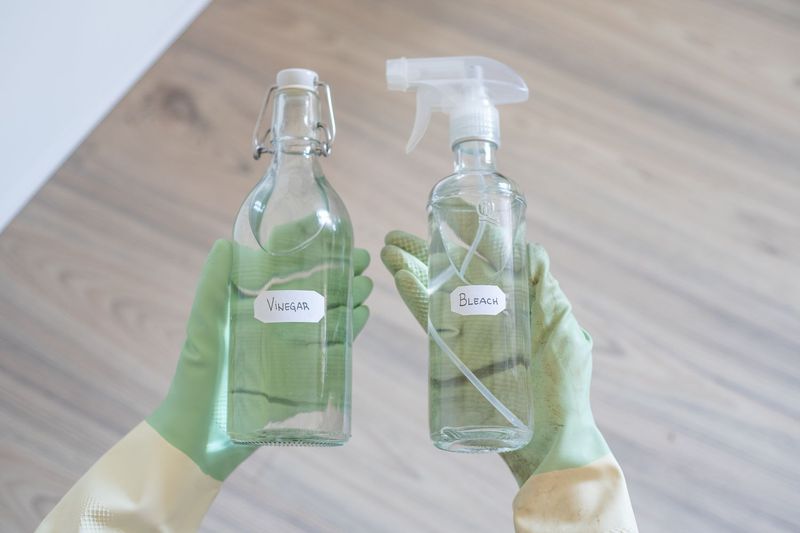
This rule is simple and it matters. Do not combine bleach with vinegar or with other cleaning products.
That includes pouring vinegar or baking soda into a cleaner that contains bleach.
The CDC warns that bleach mixed with vinegar or ammonia can create hazardous gases. Its guidance also says to follow product labels and avoid mixing cleaning products.
A bucket is an easy place for accidents. If a floor was just washed with a bleach product and you reach for the vinegar to freshen it, you could be mixing without meaning to.
Leftover residue, shared buckets, and shared mops all count.
Use a clean bucket and mop for each product, and rinse well when the label says to. Open a window for fresh air while you work.
Do not improvise combinations, even for a nice smell. If a label does not say a product can be mixed with something, treat that as a no, and put the peel and mint away.
Choose the floor-safe method before chasing a scent
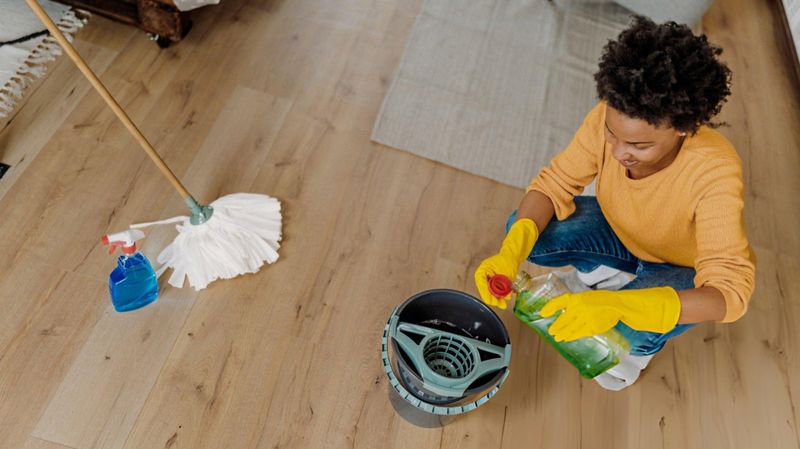
Start with the care instructions from your flooring maker. For wood, check the NWFA; for stone, the Natural Stone Institute.
Use the approved method, then consider lemon peel and mint only if it allows them.
Keep vinegar and baking soda for separate jobs, as the acid and base basics explain. For germs, follow an EPA-registered label.
Mint grows back every spring, but a ruined floor does not.