
13 Ordinary Backyard Trees That Are Quiet Treasures Most Homeowners Never Notice
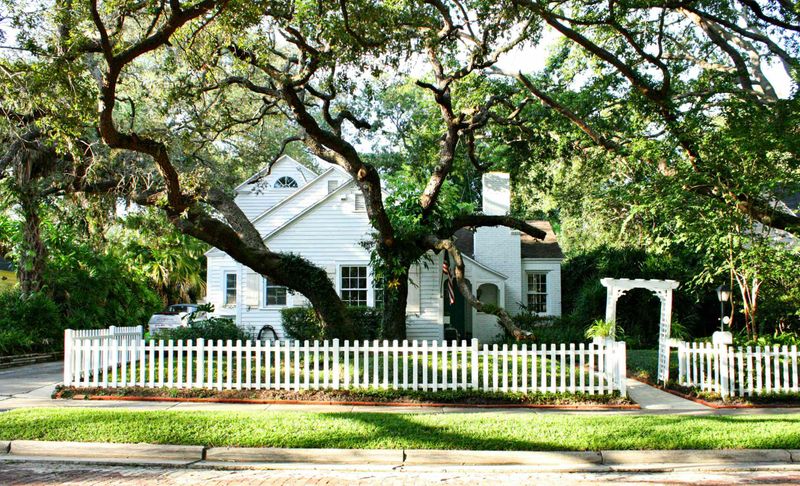
That tree you walk past every morning might be doing more for your yard than any flower bed you own. Many common backyard trees feed birds, cool your house, and handle rough weather without asking for much.
Most of us only notice them when leaves need raking or a branch falls. Here are 13 everyday trees worth a second look, plus simple ways to keep yours healthy and happy.
1. American Sycamore
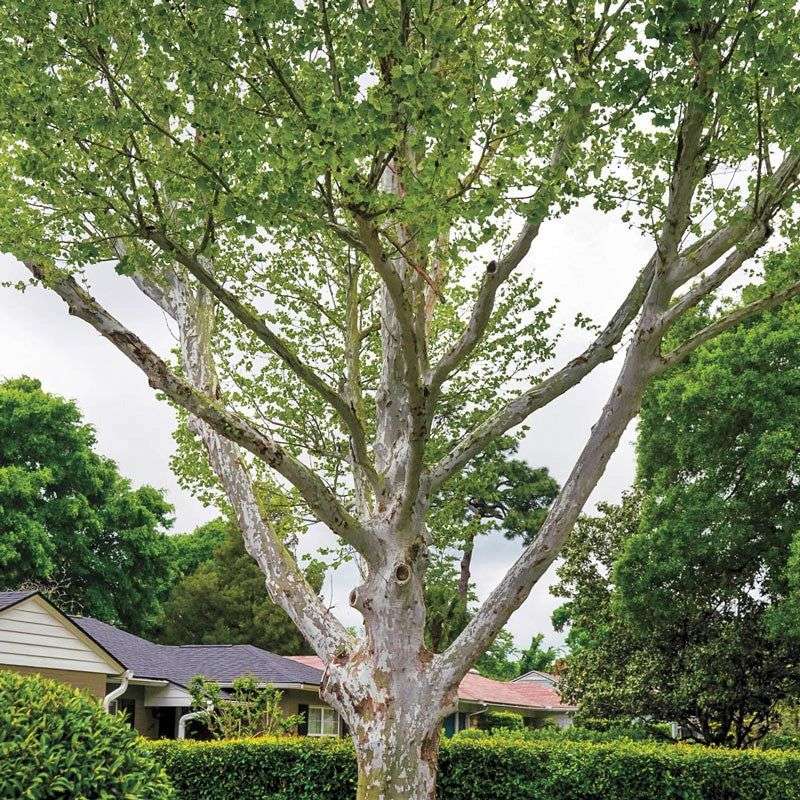
Picture a tree that shrugs off deer, road salt, pollution, soggy ground, and dry spells all in the same year. That is the American sycamore, and it is probably tougher than anything else on your property.
Its patchy white bark looks like camouflage, which makes it easy to spot even in winter.
The real gift is shade. A mature sycamore can reach about 70 feet tall and 50 feet wide, and a canopy that size may help cool a house on hot afternoons.
It grows well in zones 4 through 9, so much of the country can enjoy one.
If yours drops leaves early in a wet spring, do not panic. Sycamores often get a fungus called anthracnose that causes brown leaves, but most trees push out new growth by summer.
Rake up fallen leaves in fall to reduce next year’s problem.
2. Flowering Dogwood
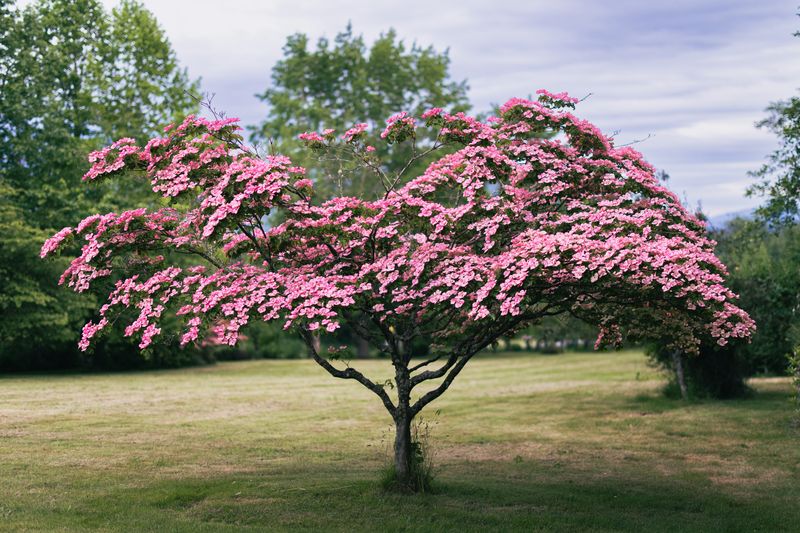
Most folks think of dogwoods as front yard showpieces. Tuck one into a shady back corner, though, and it quietly turns a plain fence line into a woodland scene.
It handles partial shade better than many flowering trees.
At 20 to 30 feet tall and wide, it fits smaller city lots where an oak would be too much. Spring brings white or pink blooms, summer gives clean green leaves, and fall delivers red berries birds love.
Leaves curling or scorching at the edges in July? That usually means the roots are thirsty.
A slow, deep soak once a week during dry spells and a ring of mulch, kept away from the trunk, can make a big difference.
3. Weeping Willow
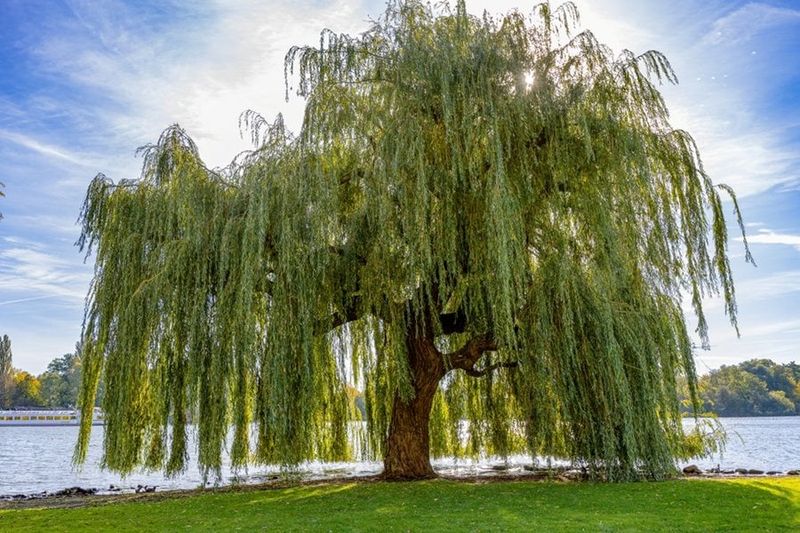
Grandma’s yard had one, and kids loved hiding inside its curtain of branches. The weeping willow is so familiar we forget how adaptable it really is.
Once established, it handles both wet ground and drought, and deer usually leave it alone.
It even tolerates black walnut, a neighbor that poisons many plants. In zones 6 to 8, it can reach around 40 feet tall.
Here is the catch: willow roots go looking for water, including pipes and septic lines. Plant it far from your house, ideally near a low, soggy spot that nothing else enjoys.
Expect twig drop after storms and keep a rake handy.
4. Japanese Maple
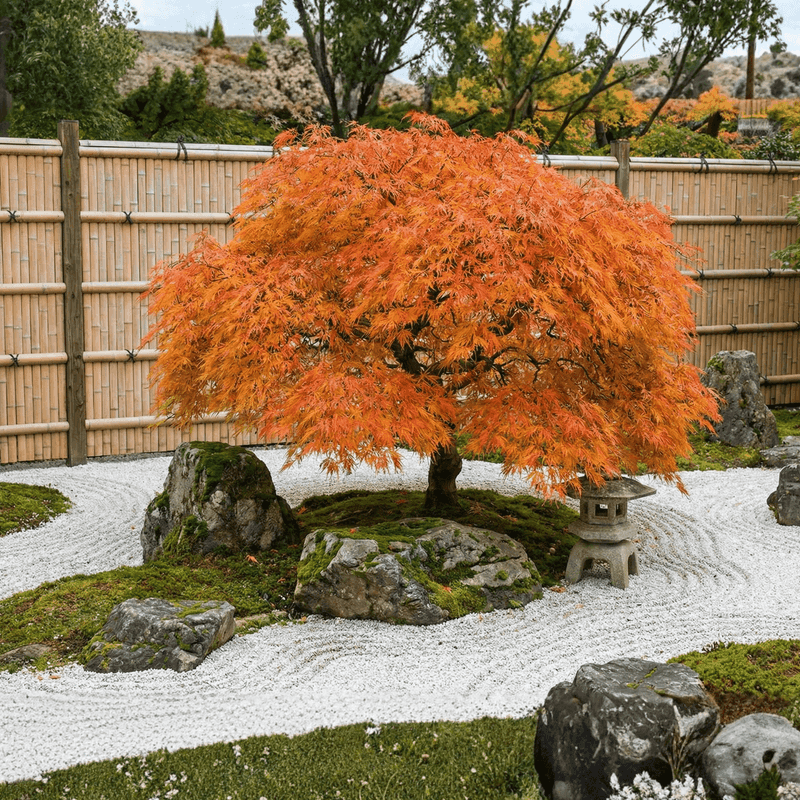
Small yard, big drama. A Japanese maple packs fiery red and purple fall color into a tree that often stays between 10 and 25 feet tall, and many types stay even smaller.
The lacy leaves move with the slightest breeze, which gives a tiny patio a calm, finished look. Grow it in zones 5 through 8.
Crispy brown leaf tips in summer are the most common worry. That is usually sun scorch or dry roots, not disease.
Afternoon shade, steady watering during heat waves, and two inches of mulch often fix it by next season.
5. Shumard Oak
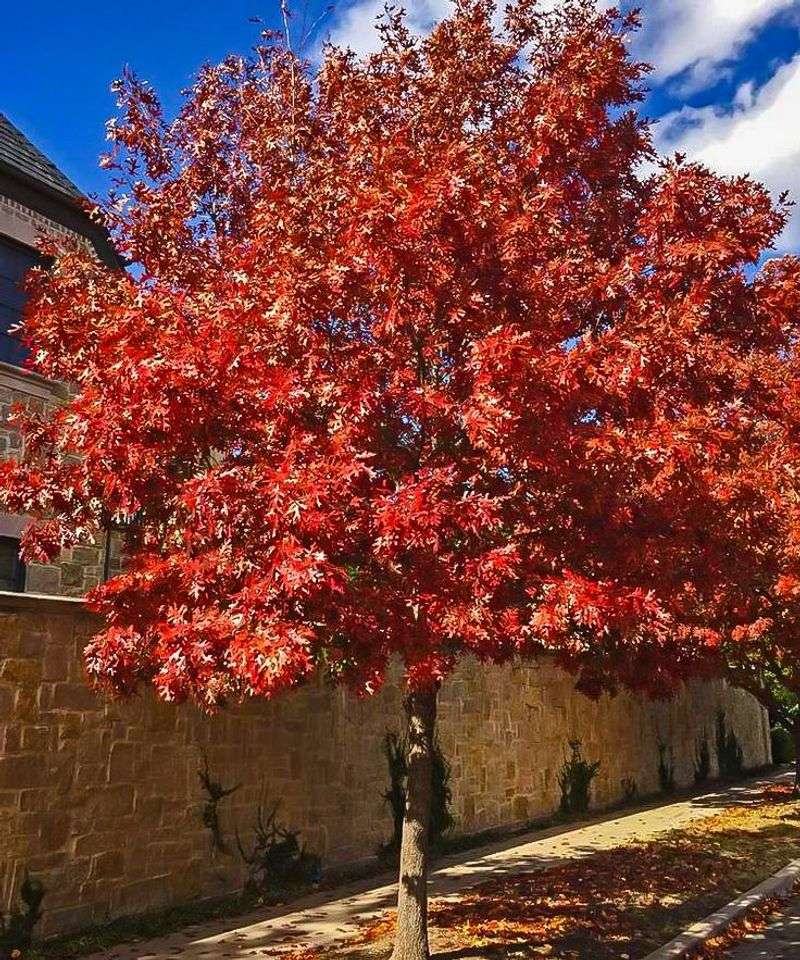
Few trees support as much life as an oak. Caterpillars, songbirds, squirrels, and countless insects depend on them, and the Shumard oak is one of the hardiest of the bunch.
It puts up with compacted soil and city pollution, conditions that stress many shade trees. Grown up, it can reach 60 feet tall with a spread just as wide.
Come fall, the leaves turn a rich scarlet that rivals any maple.
Give it room, and avoid piling soil or parking cars over the root zone. That one habit can protect an oak for generations.
6. Live Oak
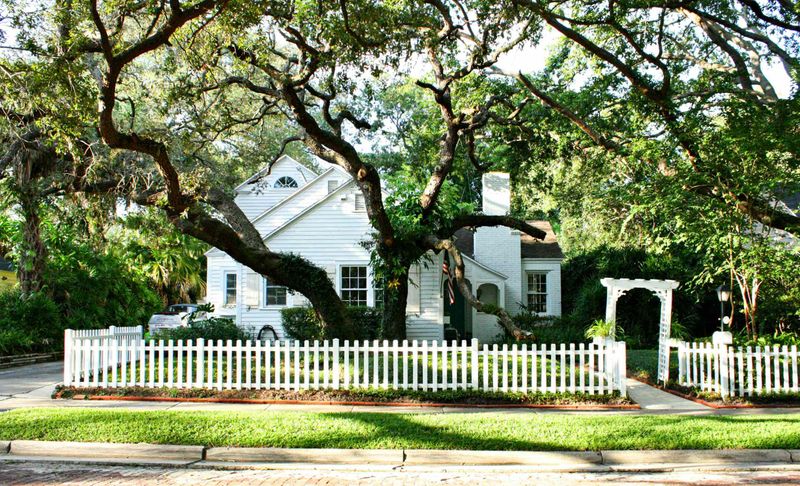
Some live oaks standing today were already old before the Civil War. These Southern giants can live for centuries and stretch up to 100 feet wide, though they usually stand closer to 80 feet tall or less.
They handle salt spray, hurricane winds, and packed soil better than most trees. Planted on the west or south side of a home, one may help shade walls and lower summer cooling bills.
They thrive in warm Southern climates. Keep pruning light and done by a pro, since big cuts on mature limbs can invite decay.
7. Crepe Myrtle
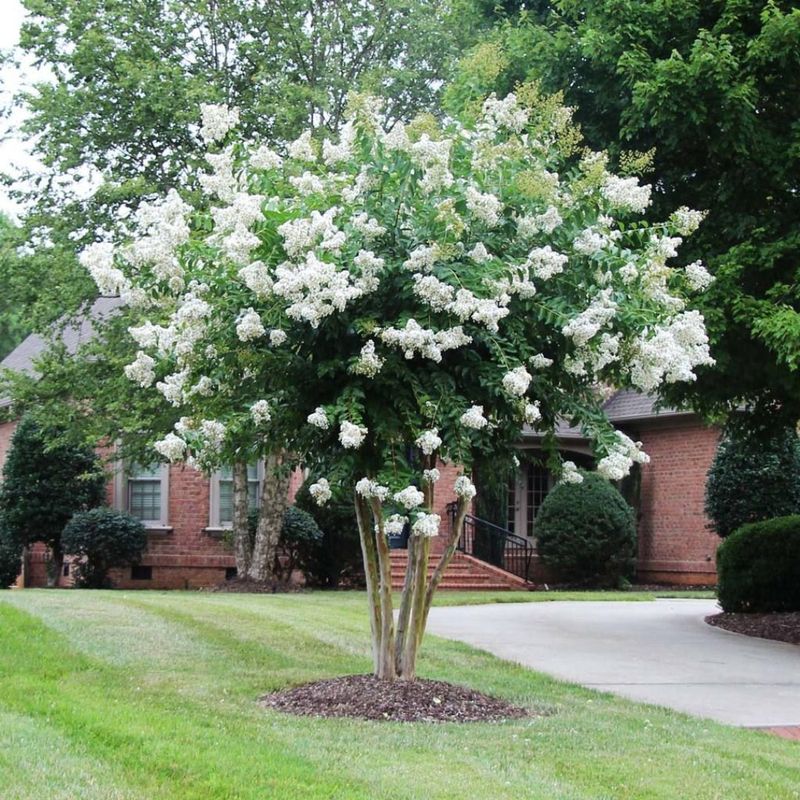
When petunias melt in July, crepe myrtles are just getting started. Blooms in pink, red, white, or purple can last from late spring well into late summer, right through the worst heat.
Most trees reach 15 to 25 feet and grow in zones 6 to 10. Their smooth, peeling bark adds winter interest too.
No flowers this year? The usual culprit is shade or heavy pruning.
Skip the habit of chopping trunks into stubs, often called crepe murder. Simply remove crossing branches and spent seed heads in late winter for more blooms.
8. Magnolia
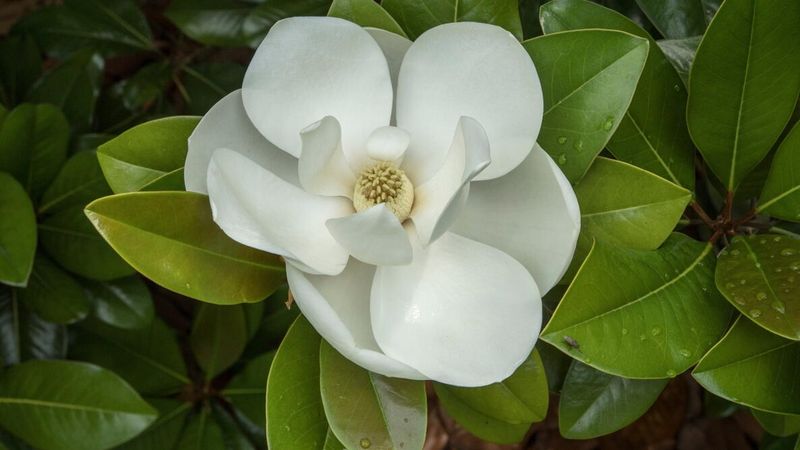
Step outside on a warm evening near a magnolia and you will smell it before you see it. Few backyard trees offer flowers this big or this fragrant.
Saucer magnolias bloom in late winter or early spring before leaves appear. Southern magnolias stay evergreen and flower off and on through warmer months.
Depending on the type, they range from 20 to 80 feet and grow in zones 4 through 9.
Brown, frosted saucer blooms after a cold snap are heartbreaking but harmless to the tree. Choose a spot out of morning sun to slow early opening.
9. Serviceberry
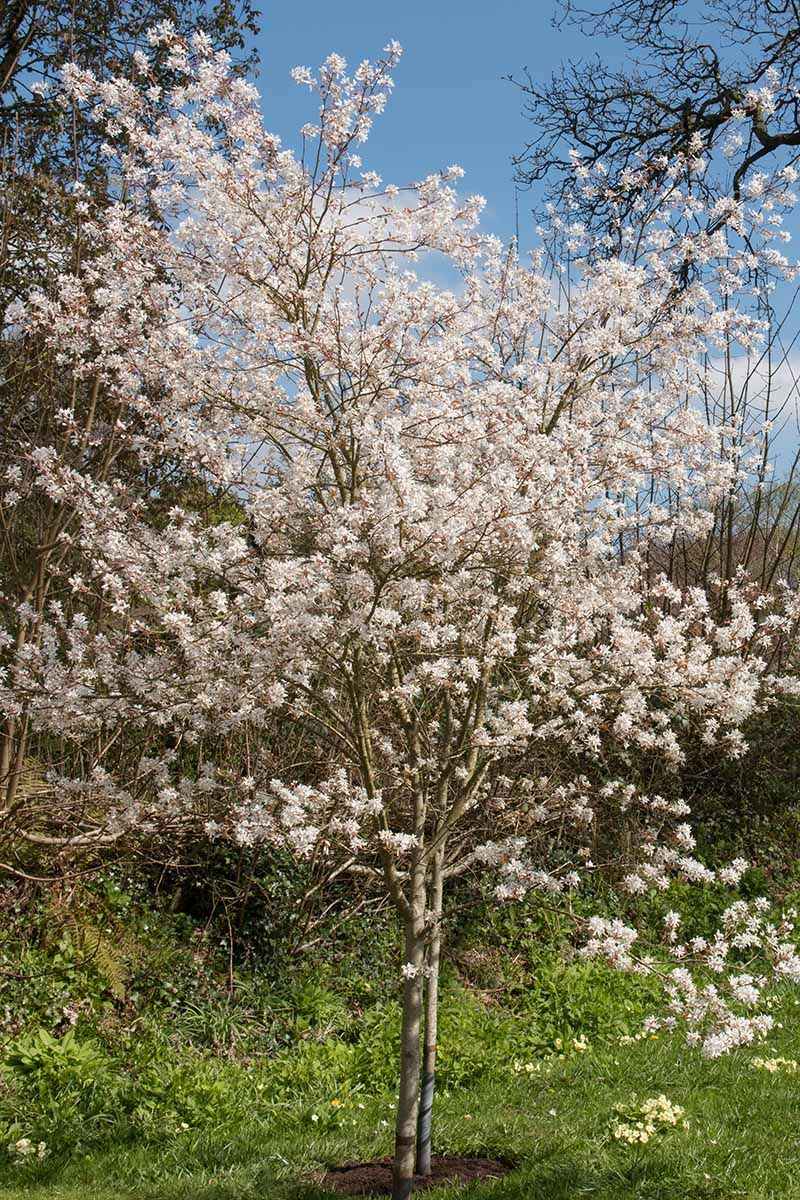
Ask a bird watcher about serviceberry and watch them grin. This small tree works all year: white blossoms in early spring, sweet berries in early summer, then orange and red fall leaves.
The berries taste a bit like blueberries with a hint of almond. You can eat them too, if the robins leave any.
It stays tidy, without heavy fruit drop or messy pods. Plant it where you can see it from a window and enjoy the show.
10. American Holly
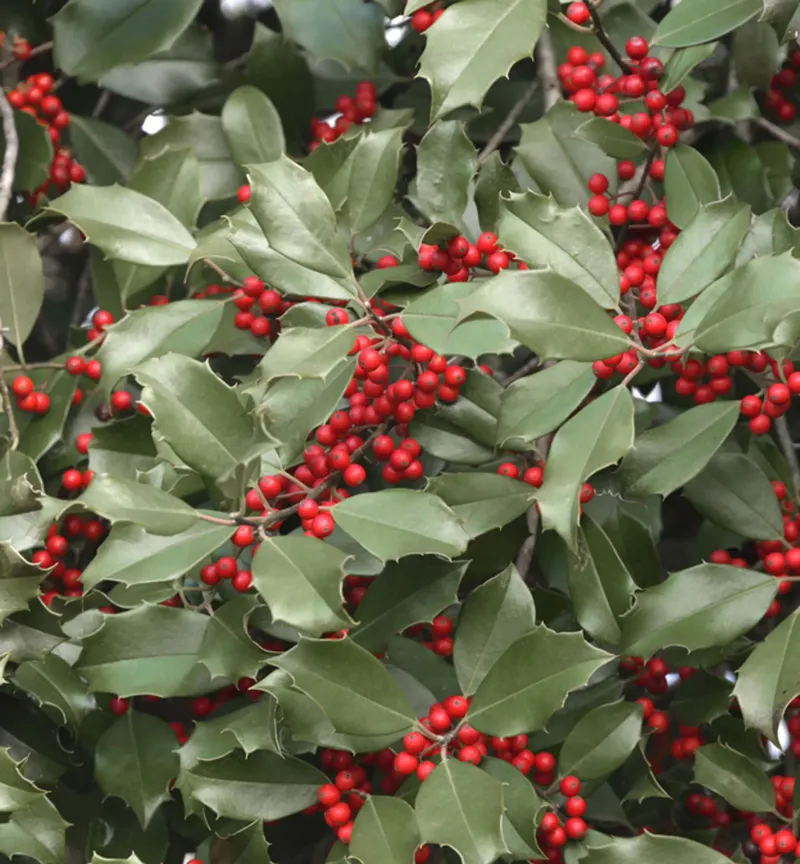
In January, when everything looks gray, an American holly stays green and dotted with red. Those berries feed birds when little else is available.
It grows 15 to 25 feet tall in zones 5 to 9. Small white flowers appear in spring.
No berries on yours? Hollies come as male and female trees, and only females fruit.
A male holly nearby is usually the simple fix.
11. Washington Hawthorn
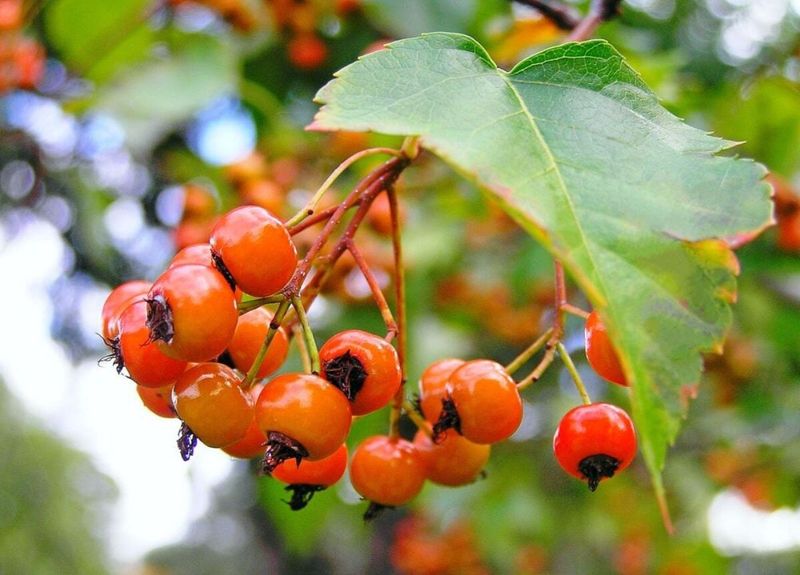
Quietly hardworking describes the Washington hawthorn well. It grows in many soil types, handles drought, and needs little attention from you.
White spring flowers draw butterflies, and glossy red fruit hangs on into winter for birds. It reaches 25 to 30 feet in zones 4 through 8.
Watch for thorns, so plant it away from walkways and play areas. As a living hedge, those thorns become a bonus.
12. Eastern Redbud
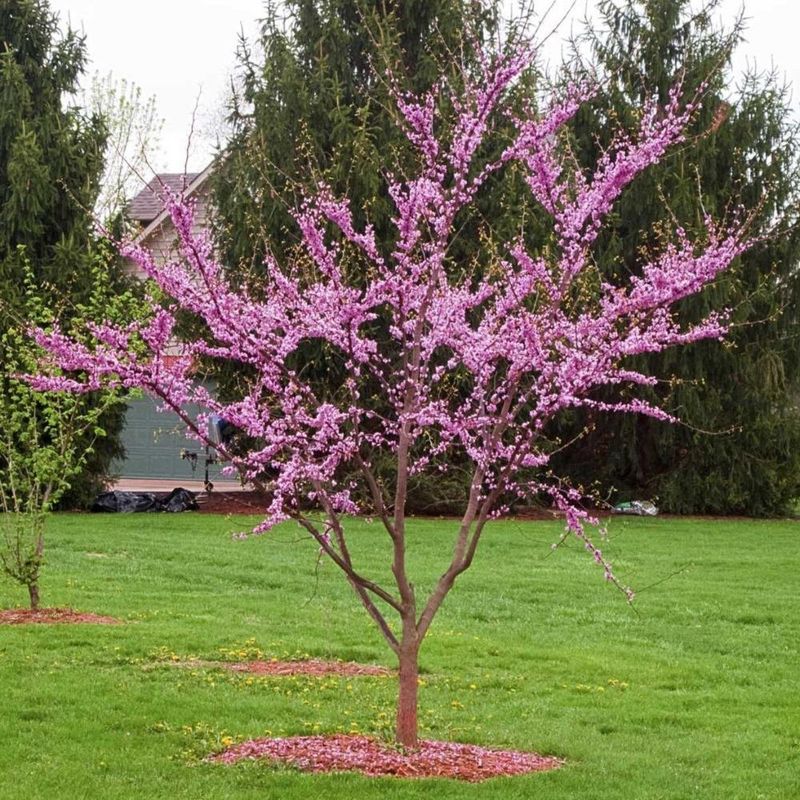
Bare branches suddenly burst into pink and purple. Redbuds bloom before leaves arrive, coloring yards when most plants still sleep.
Heart-shaped leaves follow, and varieties like Rising Sun show off gold and apricot foliage. Being a small tree, it fits easily near patios.
Pollinators get an early meal too. Plant it in spring or fall and water well the first year.
13. River Birch
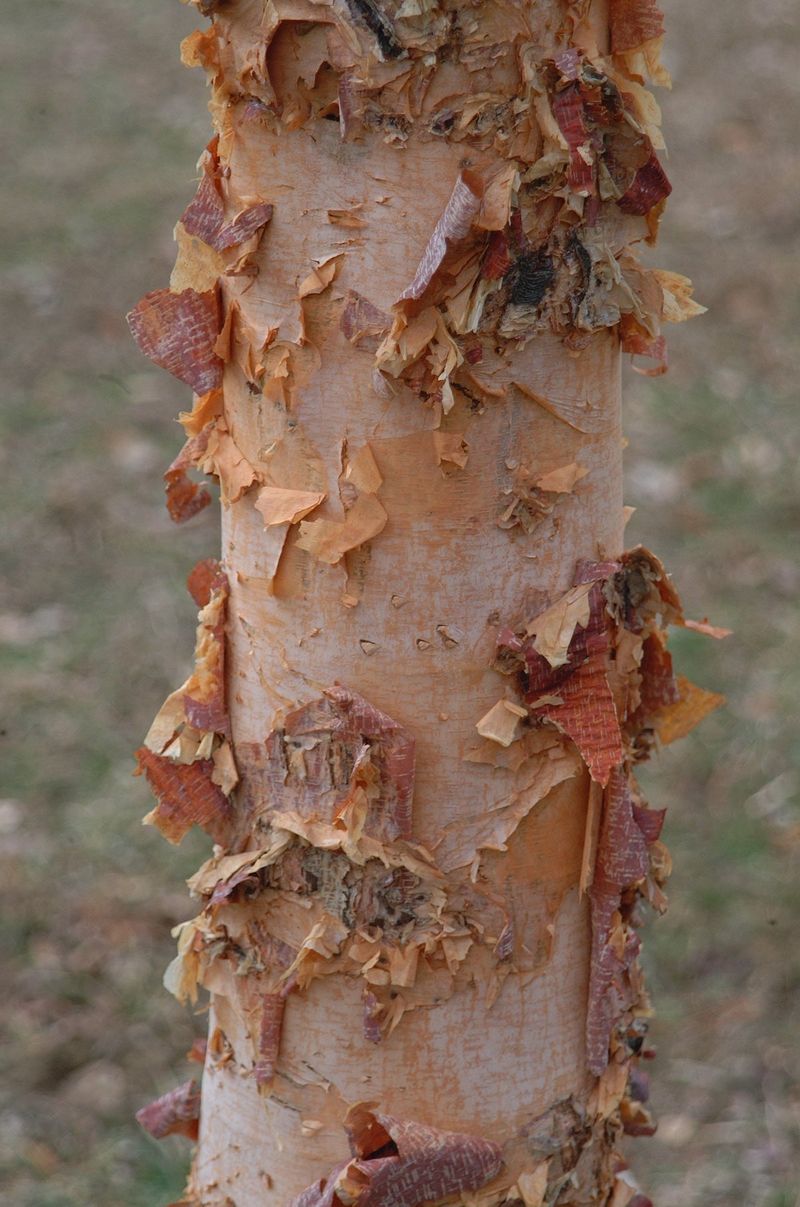
Run a hand over river birch bark and it curls like paper. That peeling cinnamon bark shines in winter.
It grows in wet or dry soil across zones 3 to 8, reaching 40 to 55 feet. Unlike white birches, it resists bronze birch borer well.
Yellowing leaves in late summer drought are common. Deep watering in dry spells usually helps.