
Your Flower Beds Don’t Have To Go Empty In October – 9 Bloomers That Keep Color Coming Until Frost
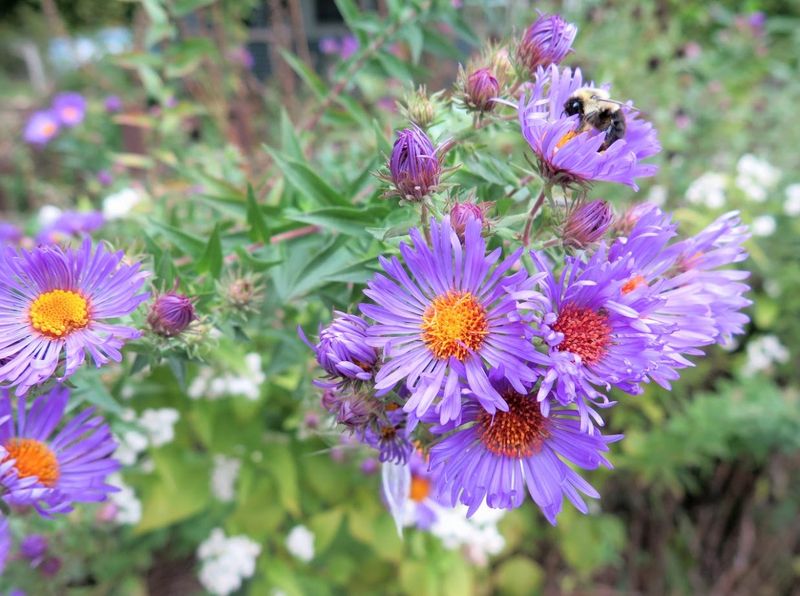
October does not have to mean bare dirt and brown stems in your flower beds. Plenty of tough plants keep blooming right up until the first hard frost, and some of them are probably already in your yard.
With a few easy tricks, like a quick trim or the right spot in the sun, you can stretch your garden’s color for weeks longer. Here are nine bloomers worth counting on when the air turns cool.
1. Petunias
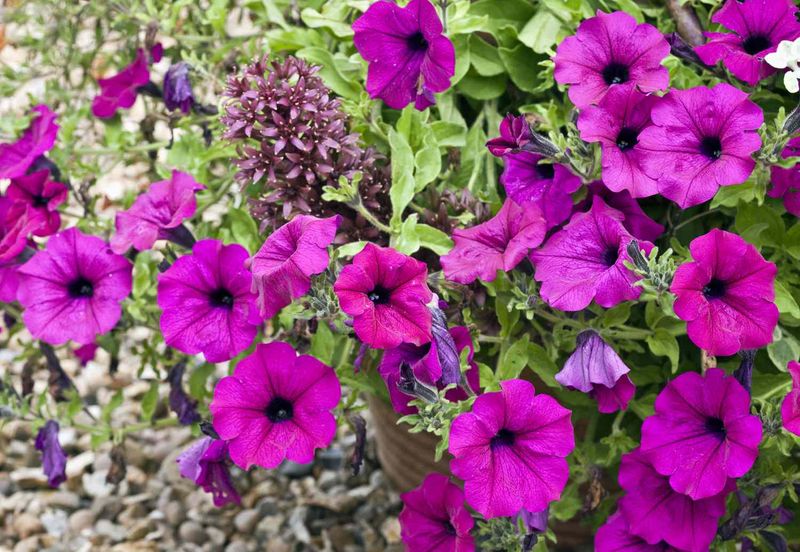
If your petunias looked tired and stringy by late August, don’t pull them yet. A lot of gardeners give up on them right before they could put on a second show.
With a little rescue work, they can keep blooming until a hard frost.
Start with a haircut. Trim leggy stems back by about a third, give the plants a drink, and feed them with a balanced or phosphorus-rich fertilizer.
Within two or three weeks, fresh buds usually return.
Sun matters too. Petunias want six to eight hours of direct light a day, and as fall shadows get longer, a bed that was sunny in July may now be shady by afternoon.
Keep the soil evenly moist, but never soggy, since cool wet roots can rot.
Spreading types like Wave petunias clean themselves, so you can skip deadheading. Older seeded kinds still need spent flowers pinched off, which stops them from making seed and pushes them to bloom more.
2. Geraniums
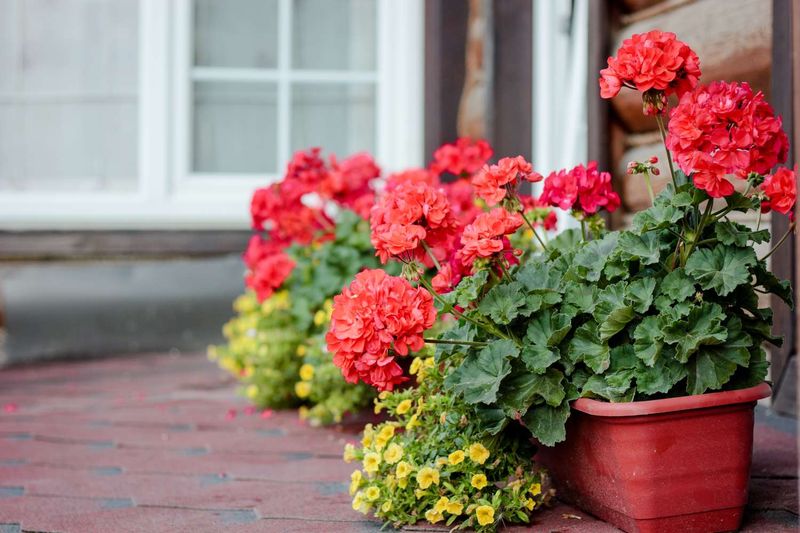
Grandma knew what she was doing when she lined her porch with red geraniums. These sturdy plants, technically called pelargoniums, keep pumping out flower clusters from summer straight through to frost.
They shrug off dry spells better than most annuals.
Give them at least five hours of sun and soil that drains well. The biggest bloom booster is simple tidying: snap off yellow leaves and faded flower heads every few days.
Leaving old blooms on tells the plant its job is done.
Here’s the bonus most people miss. Before frost hits, you can dig up your favorites, shake off the soil, and store them in a cool, dark spot like a basement without water until spring.
Many gardeners have kept the same geraniums going for years this way.
3. Asters
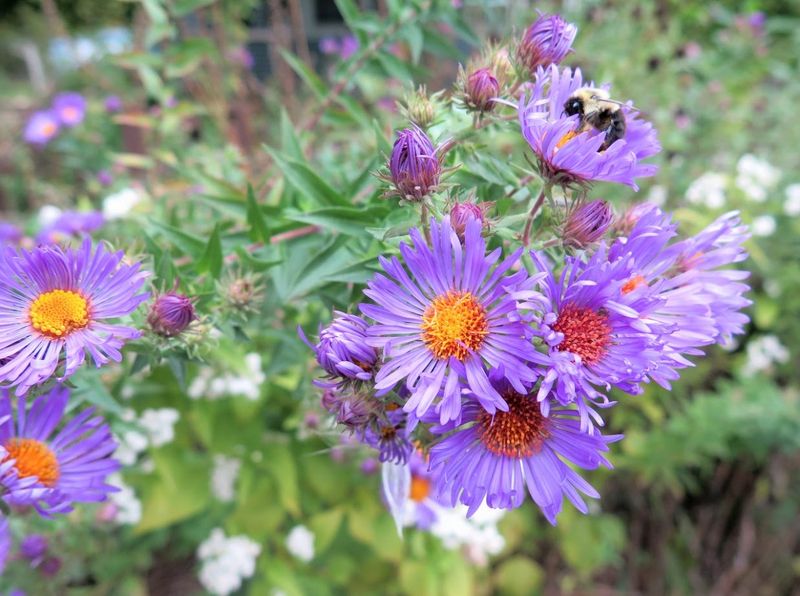
Just when summer flowers start to fade, asters wake up. New England and aromatic types burst open in late August and keep going until hard frost across much of the US.
Purple, blue, pink, and white daisies cover the plants, and late bees and butterflies flock to them.
The common complaint? Floppy stems that sprawl across the path by October.
The fix happens earlier in the year: pinch stems back by about a third in early summer, no later than early July.
That one snip makes shorter, bushier plants with more flowers, and you can skip staking. If yours already flopped this year, jot a note on your calendar for next June.
You’ll thank yourself in fall.
4. Hardy Chrysanthemums
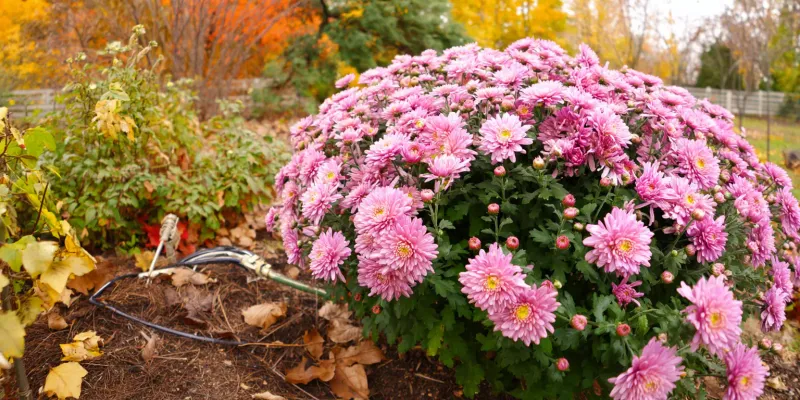
Mums sold in grocery store parking lots are often treated like throwaway decorations. Plant the right ones in the ground, though, and they can come back year after year.
Hardy garden mums bloom right up to a hard frost, and University of Minnesota breeders have developed types that survive winters in zones 3 through 9.
Timing is the secret. Get mums planted at least a month before your expected hard frost so the roots have time to grip the soil.
Late planting is the main reason they don’t return.
After the ground freezes, tuck in a fluffy layer of straw or pine needles. Mum roots sit shallow, and freeze-thaw cycles can heave them right out of the soil.
That loose mulch may help keep them snug until spring.
5. Sedum ‘Autumn Joy’
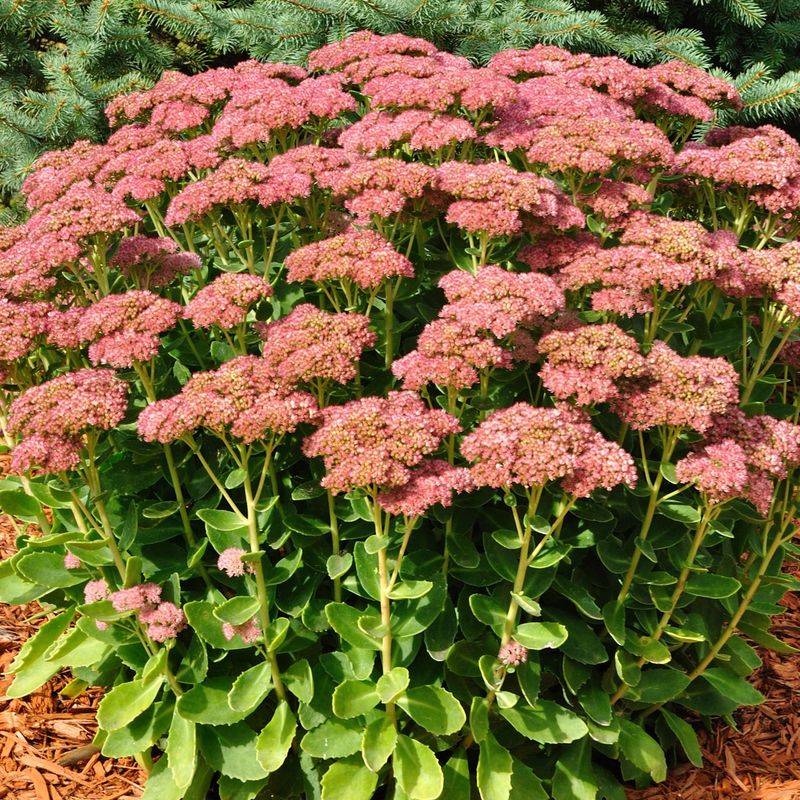
Some plants bloom. ‘Autumn Joy’ sedum transforms. In midsummer it forms pale green buds that look like little heads of broccoli, then those open pink, and by October they deepen to brick red and bronze.
It may be the lowest-effort plant on this list. Heat, drought, and poor soil barely bother it, and it grows happily in zones 3 to 10.
Overwatering is really the only way to hurt it.
Don’t cut it back in fall. The dried flower heads stand tall after frost and catch snow beautifully, giving your bed shape all winter.
Trim the old stems in early spring when new growth peeks out.
6. Sweet Autumn Clematis
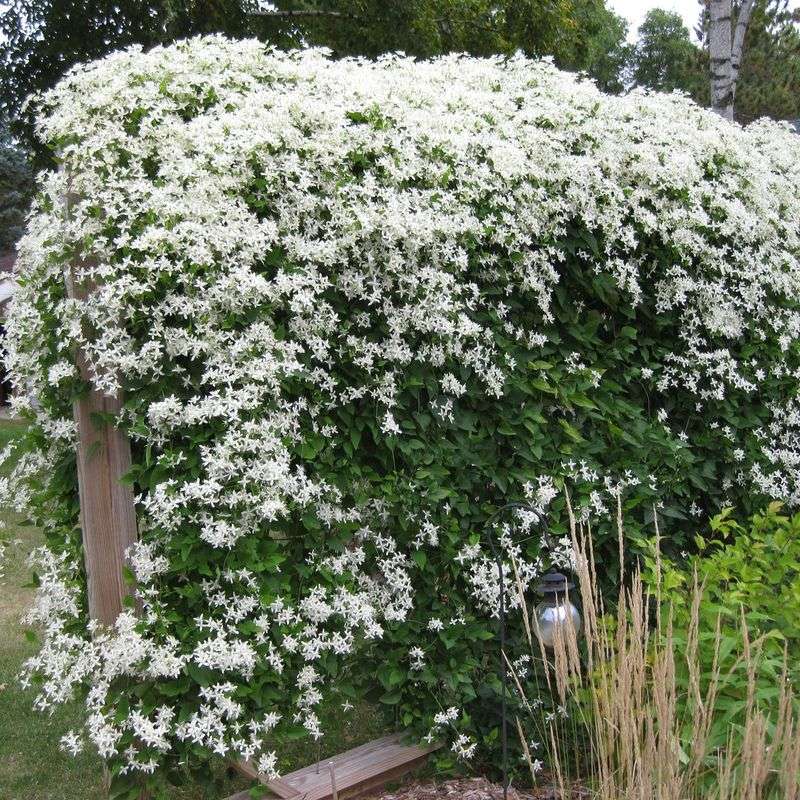
Picture a fence buried under a cloud of tiny white stars that smell like vanilla. Sweet autumn clematis delivers that from late summer into October, often until the first frost, right when most clematis are long finished.
Give the vine full sun on top but keep its roots cool with mulch or low plants around the base. It grows fast and heavy, so it needs a sturdy fence, arbor, or trellis.
A flimsy support can collapse by September.
Since it blooms on new growth, prune hard in late fall or very early spring, cutting stems back to 18 to 24 inches. That keeps it from turning into a tangled mess and can reduce its habit of seeding itself around the yard.
Be aware it can spread aggressively in some areas, so check local guidance before planting.
7. Black-Eyed Susan
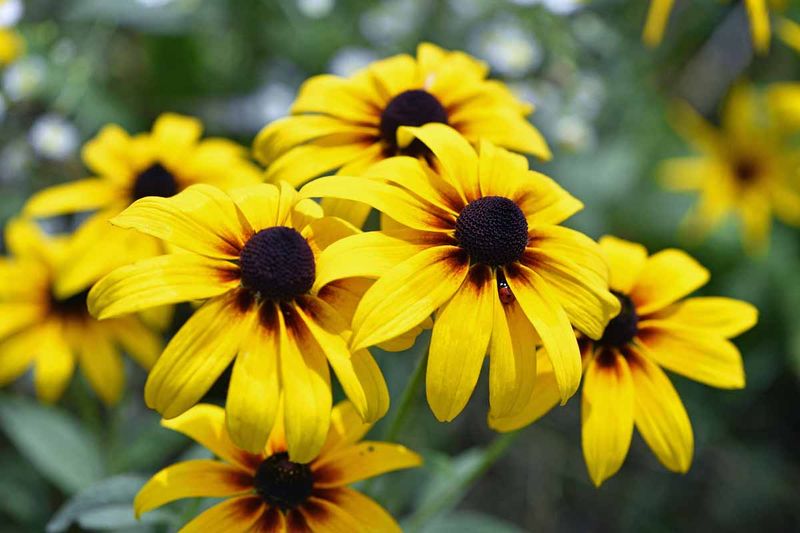
Native to North America, black-eyed Susans have been glowing gold in fields and roadsides long before anyone planted them on purpose. Heat, dry weeks, and plain soil don’t slow them down.
To stretch blooms into fall, snip off faded flowers through August. Each cut encourages fresh buds to form.
Then switch gears around mid-September and stop deadheading. The dark cones dry on the stems and feed goldfinches and other birds into winter.
You get flowers now and bird visits later.
8. Salvia
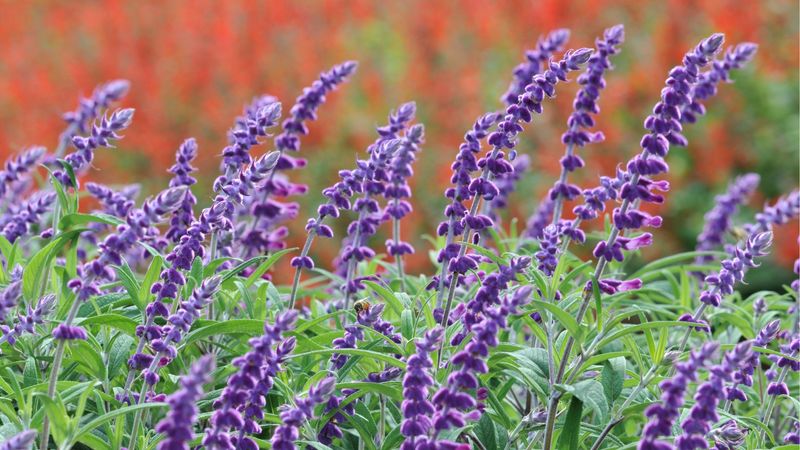
Ask any hummingbird where the October buffet is, and it’ll point to salvia. Annual types like Rockin’ Playin’ the Blues flower from the day you plant them until frost, sending up violet-blue spikes all season.
Mexican bush sage saves its big moment for later. Velvety purple, pink, or white spikes appear in late summer and keep coming until cold weather arrives.
Both handle heat and dry spots, and deer usually leave them alone. If petunias struggle in your hottest bed, salvia makes a smart swap.
9. Pansies
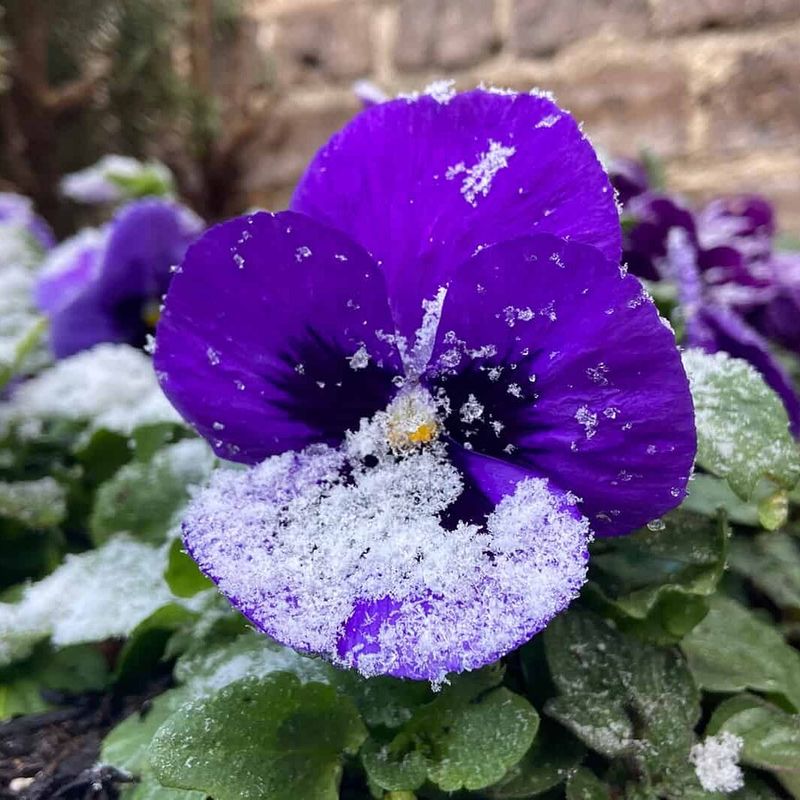
Frost on your pansies in the morning? Don’t panic.
These cool-season charmers handle light frosts and can survive dips into the low teens, perking right back up once the sun warms them.
Plant seedlings in September so roots settle in before the cold. In mild areas, they may flower for up to six months.
Where winters are harsh, a bit of mulch or a frost cloth may help them pull through. Many come back blooming in early spring, filling the gap before tulips arrive.
Swap out tired summer annuals for pansies, and your beds won’t sit empty at all.