
North Carolina Homeowners Planting Native Bulbs This Month Get Spring Pollinator Food Squirrels Never Dig Up
Every fall, squirrels across North Carolina treat freshly planted bulbs like a free buffet. The good news is that some bulbs are simply not on their menu, and many of the best ones are native to our region.
Planting them now means hungry bees and butterflies will find food in early spring, right when they need it most. Here are seven smart picks and tips to help your yard feed pollinators without feeding the squirrels.
1. Wild Hyacinth (Camassia scilloides)
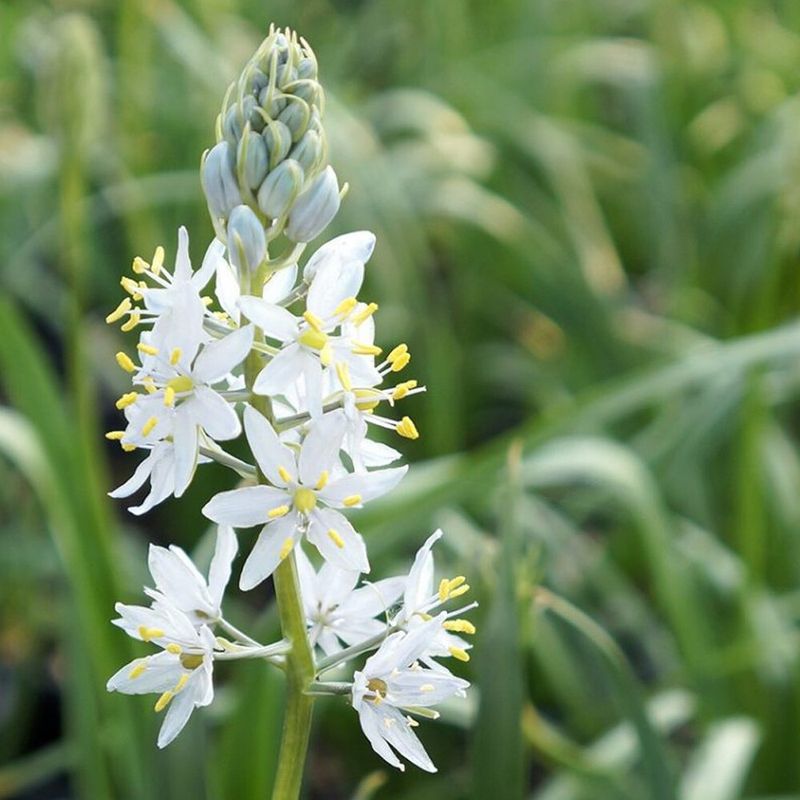
Few homeowners realize North Carolina has its own native hyacinth growing wild along creek banks and open woods. Wild hyacinth, or Camassia scilloides, sends up slender spikes of pale blue to lavender stars in April.
It is the true native star of this list.
Squirrels tend to pass right over Camassia bulbs, so your planting stays put through winter. Better still, the flowers open just as early bulbs fade, filling a gap when native bees are building their first nests of the year.
Mining bees and small sweat bees will happily work the blossoms.
Plant bulbs about 4 to 5 inches deep in moist, rich soil with sun or light shade. Camassia actually tolerates damp spots better than most bulbs, which makes it handy for a low corner of a Piedmont clay yard.
Give it a few years and it will slowly spread into a lovely drift.
2. Atamasco Lily (Zephyranthes atamasca)
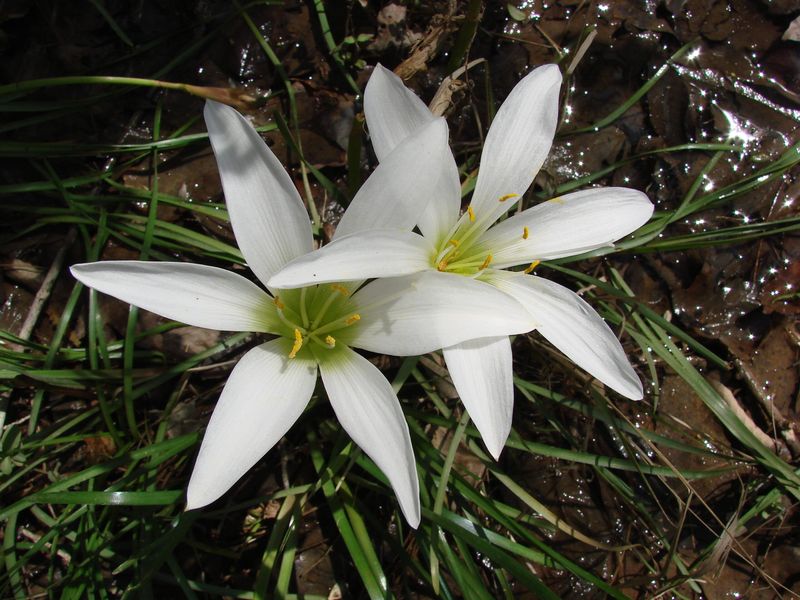
Old-timers in eastern North Carolina sometimes called it the Easter lily, because pure white trumpets pop up in wet meadows right around the holiday. The Atamasco lily is a Southeastern native that feels made for Coastal Plain yards.
Every part of the plant is toxic, and critters seem to know it. Squirrels, voles, and deer generally leave it alone, so you can plant without worry.
The blooms often blush pink as they age, which is a treat to watch over a week.
Choose a spot that stays moist in spring, such as near a downspout or rain garden edge. Set bulbs 3 to 4 inches deep.
Early bees visit the open cups for pollen, giving them a solid meal in March and April.
3. Nodding Onion (Allium cernuum)
Picture a squirrel digging up an onion, taking one sniff, and dropping it in disgust. That is roughly what happens with alliums, which carry a sulfur scent rodents can’t stand.
Nodding onion is the native version, found wild in the North Carolina mountains.
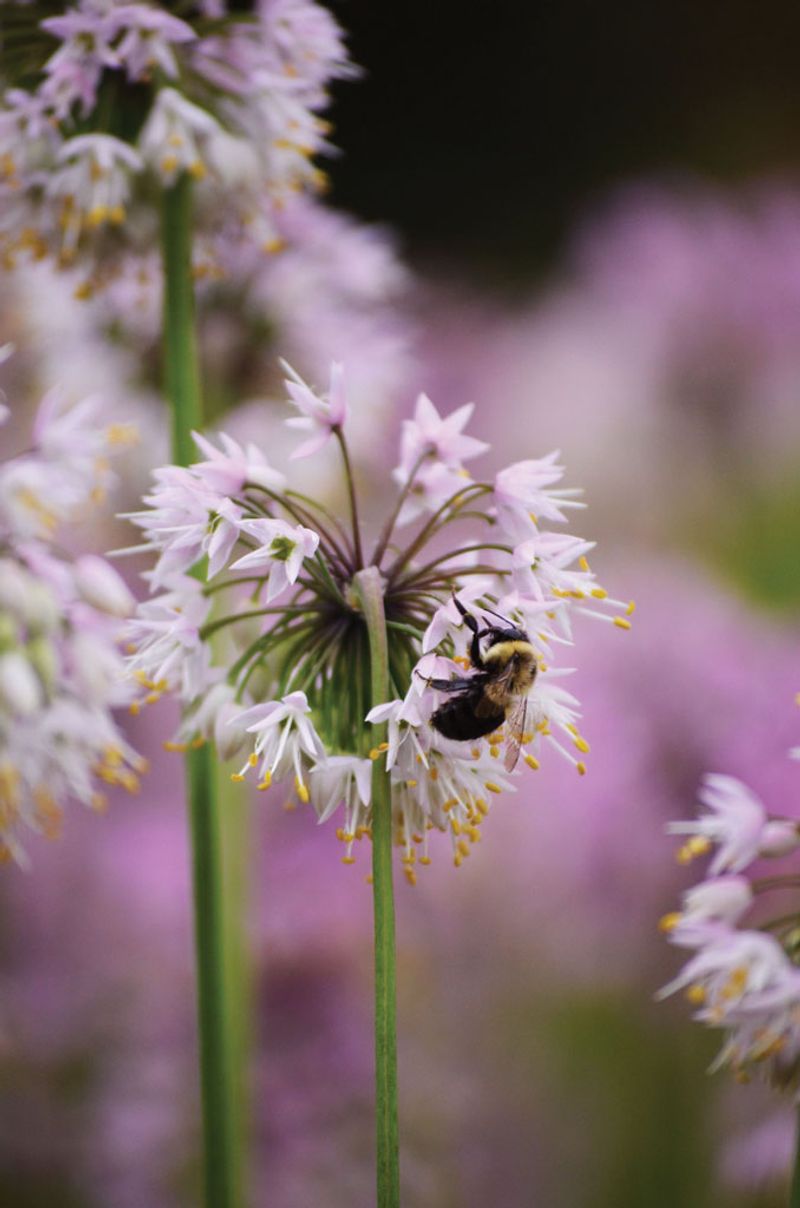
Its pink flower clusters droop like little fireworks frozen mid-burst. Bumblebees, small native bees, and even butterflies stop by.
It blooms later than most bulbs, stretching your pollinator buffet into early summer.
Plant in full sun with good drainage, about 2 to 3 inches deep. It does well in rock gardens and borders.
Skip the invasive wild garlic, Allium vineale, that pops up in lawns and swap in this well-behaved native instead.
4. Trout Lily (Erythronium americanum)
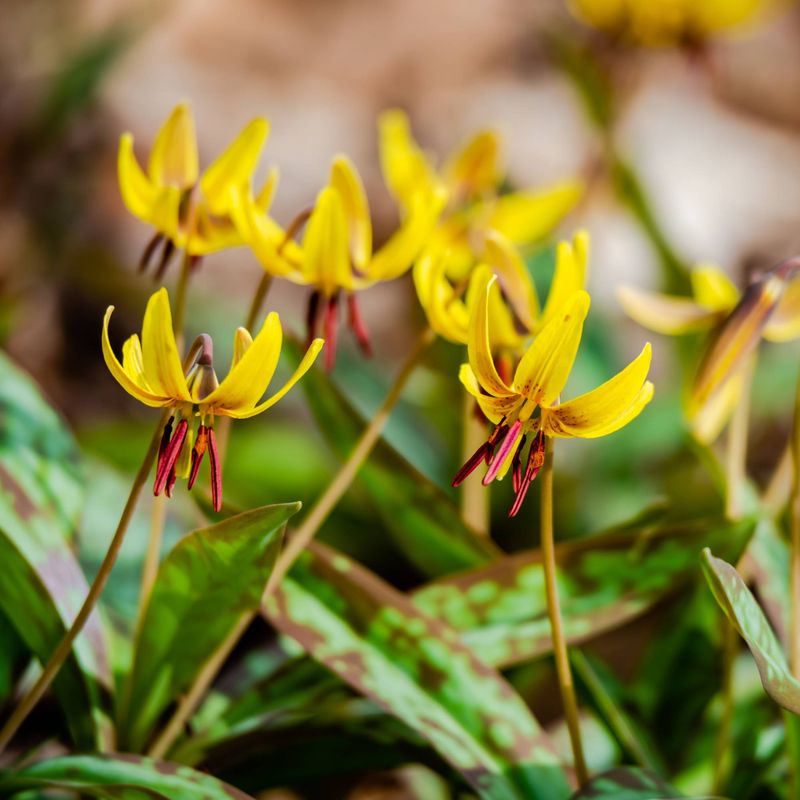
Spotted leaves that look like a brook trout’s back give this woodland charmer its name. Trout lily is native across much of North Carolina, especially in shady mountain and Piedmont yards under hardwoods.
Nodding yellow flowers appear in late winter or very early spring. That timing matters, since queen bumblebees waking from winter need fast food.
A patch of trout lily can be one of the first meals they find.
Small corms go 3 to 5 inches deep in leafy, humus-rich soil. Patience helps here, because plants may take a few years to bloom.
Once settled, though, they form long-lived colonies that rodents largely ignore.
5. Daffodils as a Squirrel-Proof Backbone
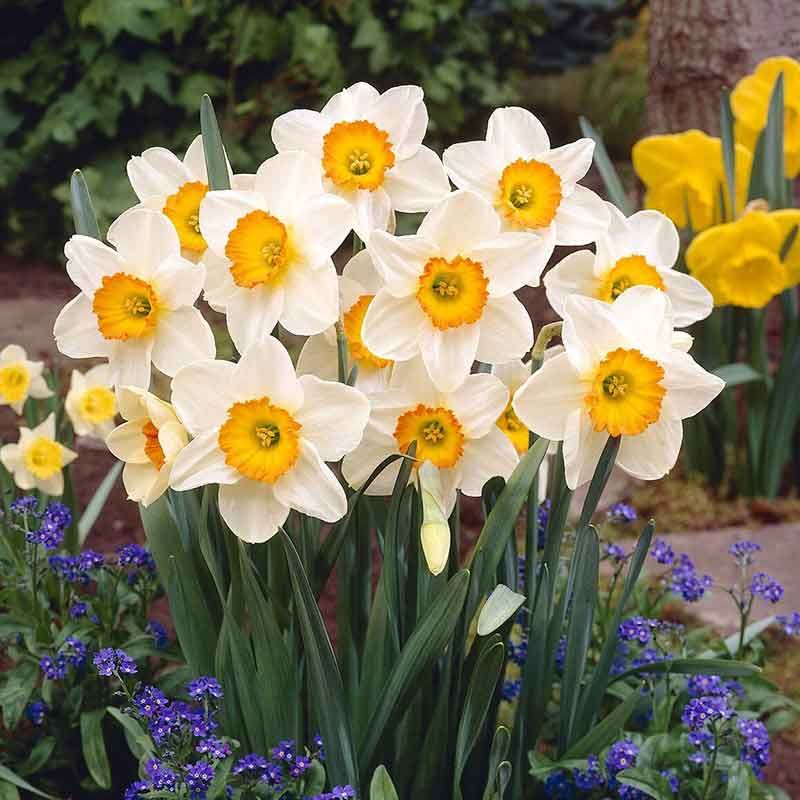
Daffodils are not native, yet they earn a spot as the reliable workhorse. Their bulbs contain bitter, toxic compounds, so squirrels, deer, and rabbits rarely touch them.
Use them as a protective ring around more tender natives. Many gardeners report fewer dig marks when daffodils surround the bed, though results can vary.
Choose simpler, single-flowered types, since heavy hybrids may offer less pollen.
Daffodils are not invasive in North Carolina and naturalize politely for decades. Plant them 6 inches deep in late October through November in the Piedmont.
You’ll likely see old clumps still blooming near abandoned homesteads across the state, proof of their staying power.
6. Plant on the Right Date for Your Region
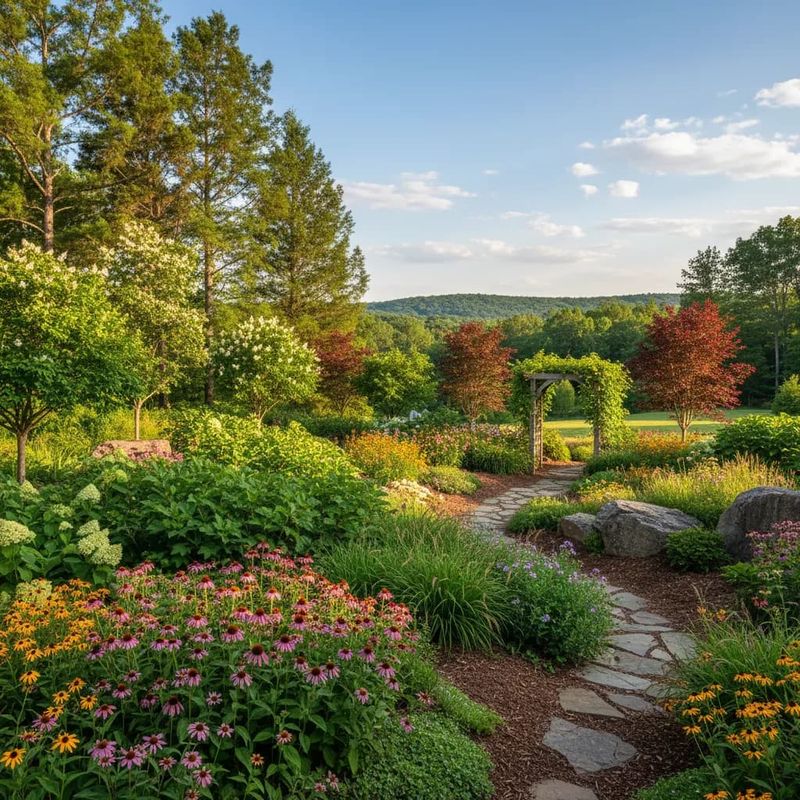
Timing changes depending on where you live in the state. Mountain gardeners can plant from late September through October.
Piedmont yards do best from late October to mid-November.
Coastal Plain and Tidewater homeowners can wait until late November or even early January. The real signal is soil temperature below 55 to 60 degrees, or nights staying under 50 degrees for a couple of weeks.
A cheap soil thermometer takes the guesswork out.
Planting too early in warm soil may cause rot or early sprouting. Planting on time gives roots a calm, cool start.
That steady start pays off with stronger blooms for spring bees.
7. Prep the Soil and Skip the Squirrel Bait
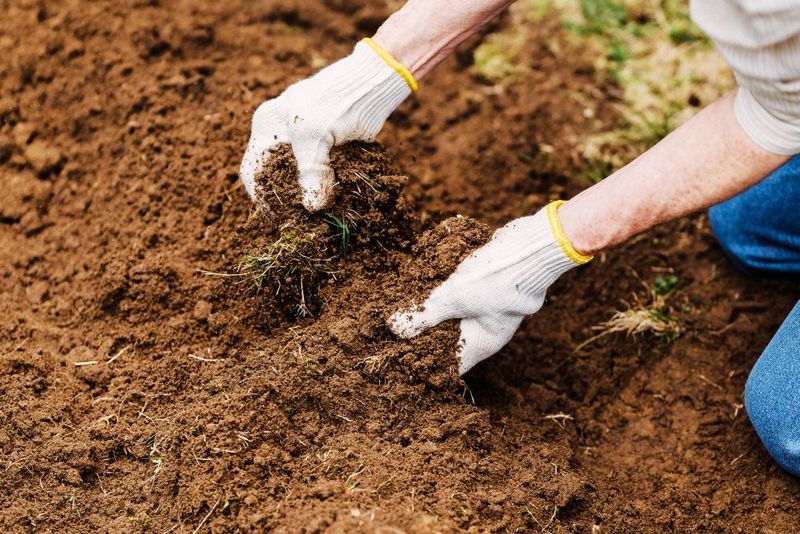
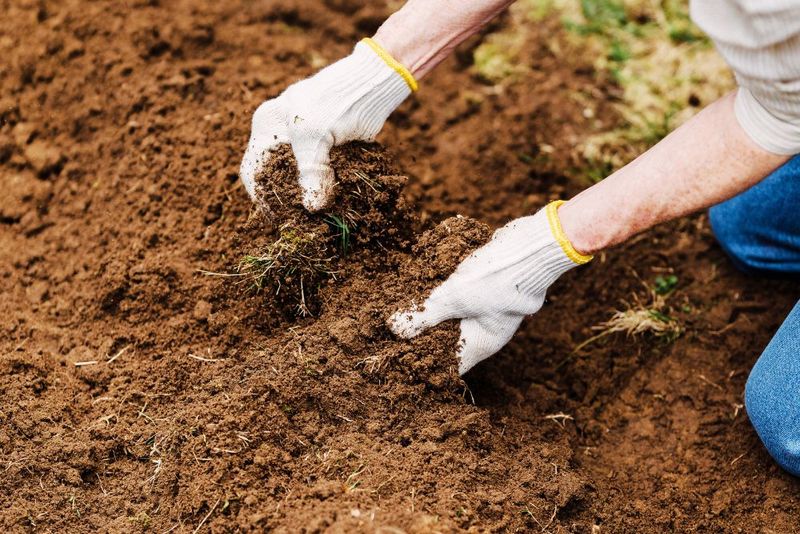
Red clay is a rite of passage for North Carolina gardeners. Heavy, soggy soil rots bulbs fast, so loosen it up.
Mix in compost, pine fines, or coarse sand to help water drain.
Hold off on high-nitrogen fertilizer at planting time. Bulbs carry their own stored energy for rooting.
Bone meal can actually attract digging animals, so leaving it out may help keep beds untouched.
Clean up papery bulb skins after planting, since loose scraps signal food to curious squirrels. Water once to settle soil, then add a light layer of shredded leaves.
Avoid crocus and tulips if critters are a problem, because squirrels and voles love crocus and tulips rarely return in our mild winters.