
Leave a Leaf-Litter Refuge for North Carolina Fireflies: How to Keep the Right Leaves in the Right Places

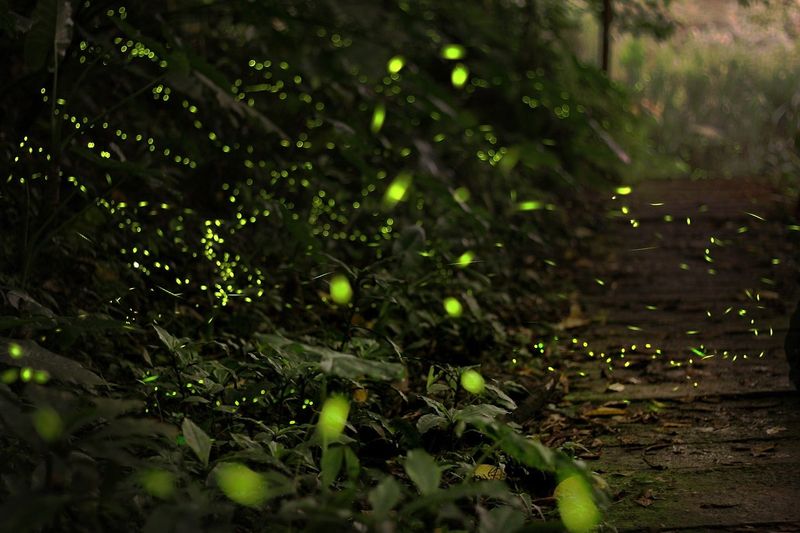
Every June, North Carolina yards fill with blinking lights, and most of us never think about where those fireflies spent the rest of the year. Many of them live as larvae close to the ground, in places we tend to tidy up each fall.
You do not have to give up a neat yard to help. A small, well-chosen patch of leaves can make room for fireflies while the rest of your yard stays usable.
Firefly season begins long before the summer light show
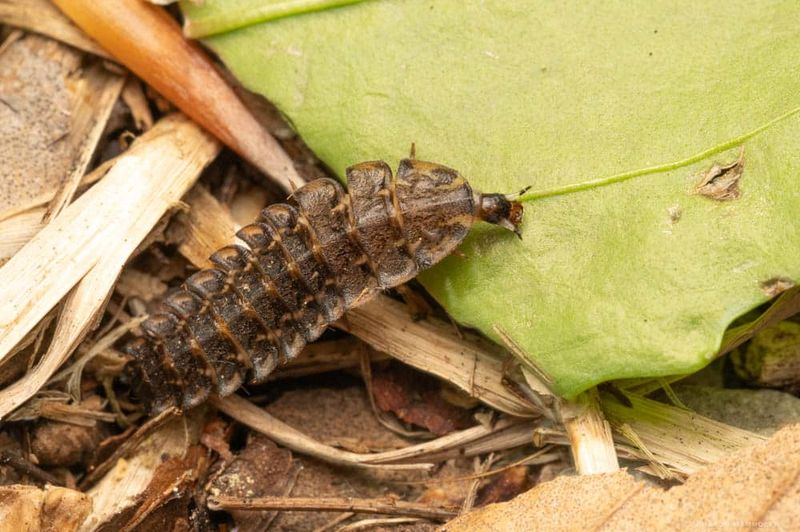
Fireflies are beetles, and the flashing adults you watch in June are only one short chapter of the story. According to NC State’s insect biodiversity expert, North Carolina has about 35 known firefly species.
Much of a firefly’s life is spent as a larva, often in soil or close to the ground.
The common eastern firefly, Photinus pyralis, is a handy example, but it is only an example. Its eggs are laid in moist soil and hatch about a month later.
The larvae then grow over two summers and overwinter twice, according to a University of Maryland Extension report. Other species keep different schedules, so none of this should be treated as a rule for every firefly in your yard.
That timeline changes how we should think about fall cleanup. Raking in October is not simply happening before the fireflies hatch.
If larvae are present, they may already be living at ground level, and that ground-level habitat is what your yard work can disturb.
So the useful question is not whether cleanup wipes out a summer’s worth of lights. It is how much undisturbed ground you can spare, and where.
The next sections walk through that, starting with what we do and do not know about larvae and leaves.
Do all fireflies spend winter in leaf litter?
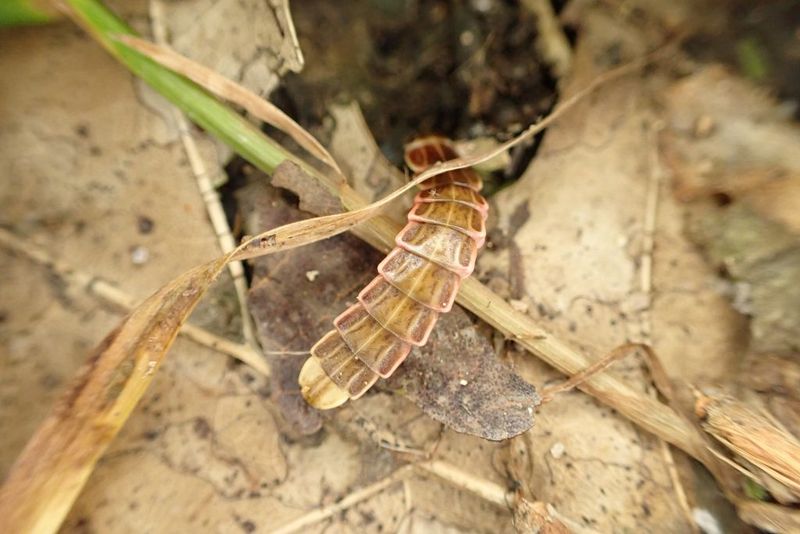
No, and that is worth saying plainly. Leaf litter can be useful ground-level habitat, but it is not every species’ winter home.
Firefly larvae turn up in soil, under leaves, in marshes, and in other damp places, and species differ in where they pupate and overwinter.
The research is still thin. A peer-reviewed review of firefly larvae found that most species have never been studied at this life stage.
That means nobody can tell you exactly which larvae are living under your oak tree.
What we can say is that fireflies as a group face pressure from habitat loss, artificial light, and pesticides, as the Xerces Society describes. Keeping some natural ground cover intact is one low-cost way to address the habitat piece.
Think of it as offering options. A patch with leaves, bare soil, and a bit of vegetation gives different species a chance to find what they need.
It is a reasonable bet, not a guarantee, and it does not require you to claim that leaves are the answer for every firefly.
What does leaf cleanup actually put at risk?
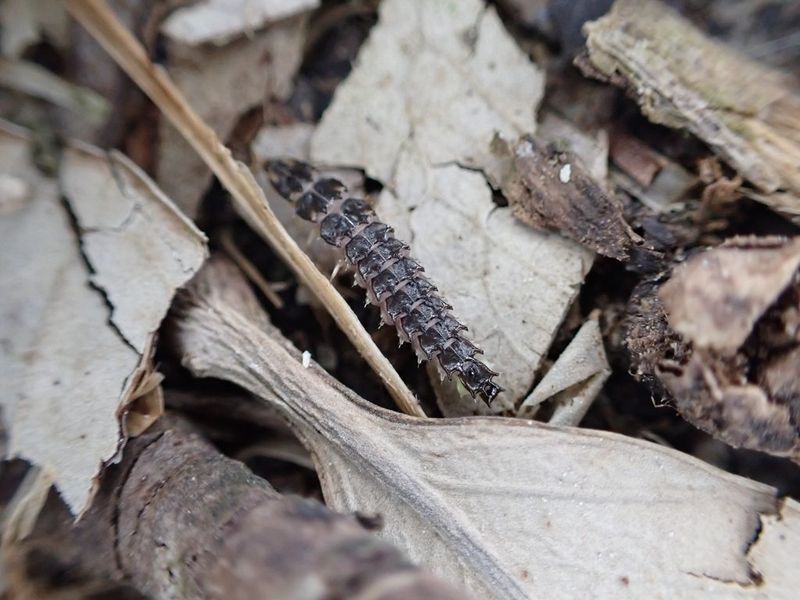
Here is the honest picture. Nobody has measured how many fireflies die from leaf blowers, and there is no evidence that one pass with a blower kills larvae or that most leaf blowing wipes out next year’s fireflies.
Claims with a percentage attached are not backed by anything we have.
What we do have is a hint about habitat. A suburban campus study found more invertebrates, and a greater variety of them, in areas with accumulated leaf litter than in cleared areas.
That study did not look at fireflies and did not isolate the effect of blowers, so treat it as a clue about ground life in general.
The more practical takeaway comes from NC State Extension, which advises leaving a natural area with leaf litter and vegetation. The risk worth taking seriously is losing suitable ground-level habitat, not a specific body count.
That framing lets you skip the guilt. You can keep cleaning where you need to, and still set aside a place where the leaves stay put.
A quiet corner can serve as a firefly refuge

Pick one spot and make it the leaf patch. Good candidates are the ground under a tree, a far edge of the yard, or an out-of-the-way bed that nobody walks through.
A patch a few feet across is a fine start, and you can make it bigger later if you like.
Leave the fallen leaves and any low vegetation there. NC State Extension recommends natural areas with leaf debris, and the Firefly Atlas also points to leaf debris and downed wood as useful features.
A fallen branch or two works well.
Then mostly leave it alone. Skip the raking, avoid routinely clearing it out, and keep kids, dogs, and mowers from cutting through.
A few stakes or a border of logs can help the whole household remember where it is.
Notice what this does not ask for. The rest of the yard can stay as tidy as you like.
One quiet corner is a compromise most households can live with.
Keep excess leaves from smothering the lawn
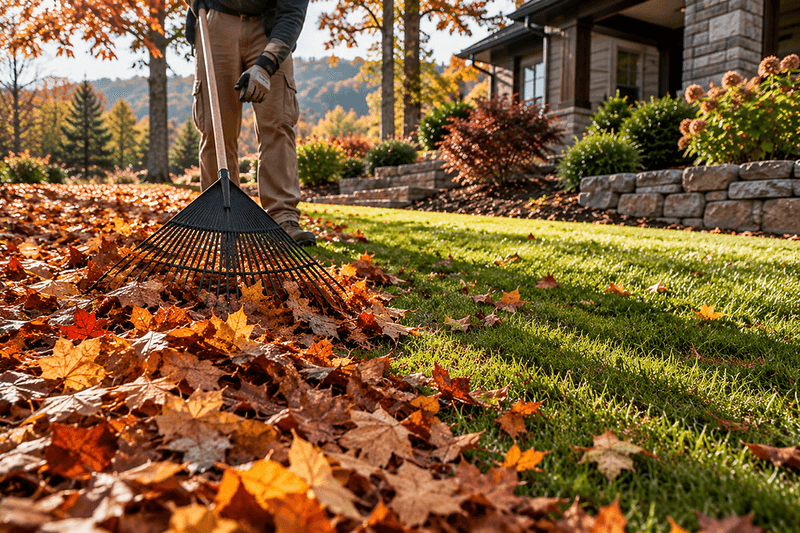
Outside the refuge, leaves are a lawn-care job. A thick, wet blanket can block light and airflow and weaken turf, as NC Cooperative Extension explains.
Leaving all of them where they fall is not good advice for grass.
On turf, run a mulching mower over the leaves so they break into small pieces that sift down and feed the soil. If the layer is too deep for that, rake or blow the extra into beds, a compost pile, or the habitat patch’s edge.
Compost is a good home for what you cannot shred.
Keep walkways and storm drains clear. Leaves on pavement get slippery, and clogged drains cause real trouble in heavy rain.
Blowing leaves off hard surfaces is a sensible use of the blower.
The idea is simple. The refuge is intact leaves in one chosen spot, and the lawn is maintained turf.
Keeping those two jobs separate means neither one gets neglected.
Keep wildlife habitat apart from tick-safe spaces
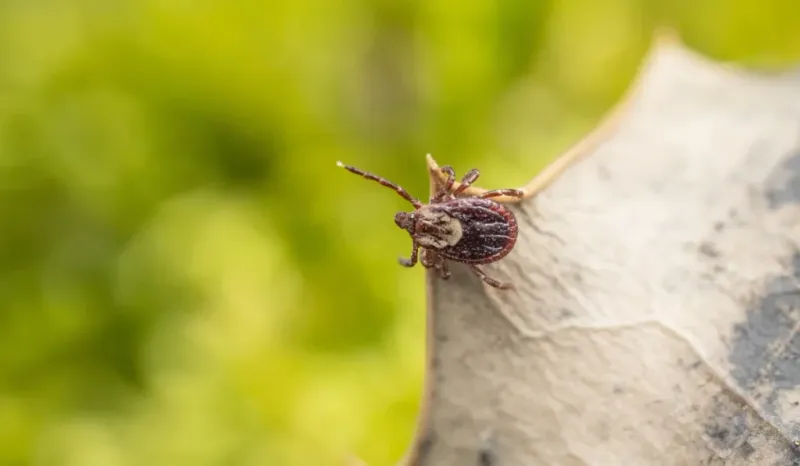
Ticks are a real worry in North Carolina, and leaf litter is not automatically safe for people. CDC guidance on reducing blacklegged ticks in yard areas includes removing leaf litter and clearing tall grass and brush around homes and lawn edges.
That points to a split. Keep the places where people spend time clean: play areas, patios, the lawn near the house, and edges where kids and pets wander.
Rake or blow those leaves, and trim tall grass.
Then put the firefly patch somewhere less used, such as the back corner or a shaded stretch away from paths. Pick a spot you will not need to walk through to reach the mailbox or the swing set.
This approach does not treat all leaf litter as either harmless or dangerous. It places each one where it fits.
Wildlife gets a quiet patch, and people get space they can use with fewer worries.
Leaves are only one part of a firefly-friendly yard

A leaf patch works best alongside other habits. The Xerces Society lists habitat loss, artificial light, and pesticides among the main concerns for fireflies.
Your yard can speak to all three.
Cut back on pesticides, especially broad-spectrum sprays on lawns and beds, since larvae live in the soil and on the ground. Choose native plants where you can, because they help support the shaded, moist habitat many fireflies like.
NC State Extension also suggests less unnecessary outdoor lighting, since bright lights can interfere with the flashing adults use to find mates.
A practical step is to switch off porch and landscape lights at night in summer, or use motion sensors, when you do not need them. Small changes like that cost almost nothing.
None of this promises a bigger show next June. Your local species, soil moisture, and the habitat around your lot all play a part.
What you are doing is improving the odds, not guaranteeing the result.
Save one patch, and manage the rest for your yard
Set aside a defined, undisturbed patch with leaves and vegetation, mulch or compost the extra on turf and keep walkways and drains clear, and maintain the spaces where people play, following CDC tick guidance.
It is a sensible habitat choice, not a claim about how many fireflies cleanup has cost or will save. Some summer evening, a few more flickers at the edge of the yard would be a nice bonus.