
The One Thing North Carolina Peonies Need Before The First Freeze Or Next Spring’s Blooms Never Open
Your peonies may look finished for the year, but their real work happens out of sight before winter. A single fall chore decides whether those fat buds open into big, fragrant blooms next May or just sit there and rot.
Many North Carolina gardeners skip it or do it at the wrong time. Here is the one task to get right before the first freeze, plus the small details that make it work in your corner of the state.
1. A Late, Clean Cutback After the First Hard Frost
Picture a Piedmont gardener in early October, shears in hand, tidying up peonies that still have green leaves. It feels responsible, but those leaves are still feeding the roots that build next spring’s flower buds.
Cut too soon, and you may get a bed of leaves with no blooms at all.
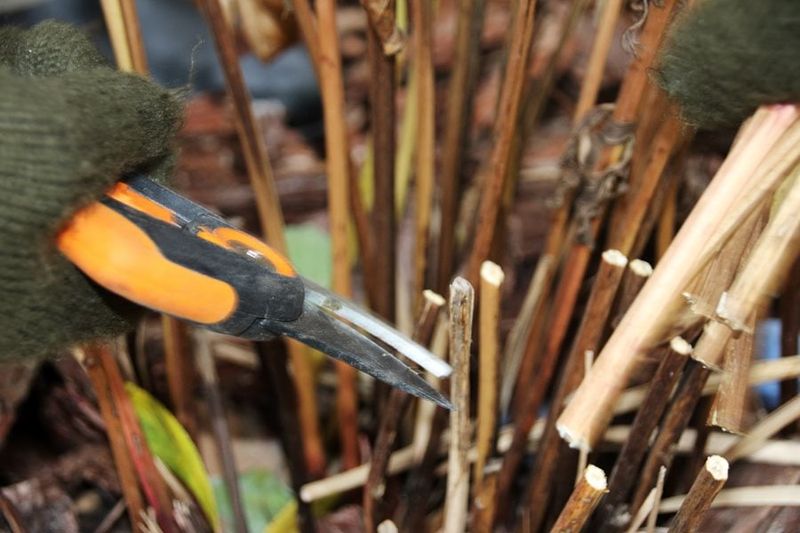
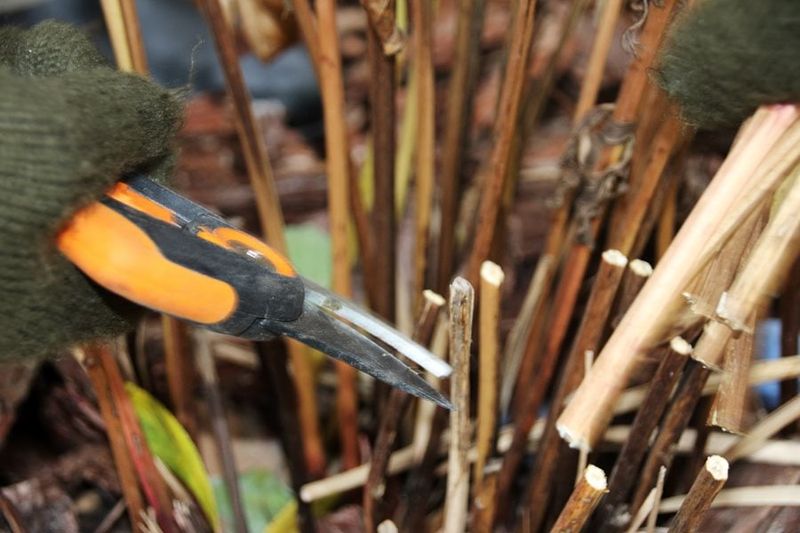
The fix is patience. Wait until after the first hard frost, when the foliage has yellowed or browned on its own, then cut herbaceous peony stems to about 1 to 3 inches above the ground.
Tree peonies are different, so leave their woody stems alone except for dead or crossing branches.
Now for the step most folks miss: bag every scrap. Botrytis blight, that gray mold that turns young buds black and mushy, overwinters in dead peony stems and leaves.
Toss clippings in the trash rather than the compost pile, since a home compost heap rarely gets hot enough to kill the spores.
A few finishing touches help. Give the bed one deep watering before the ground freezes, and skip fall fertilizer, especially high-nitrogen blends.
If you mulch young plants, keep it to a light 2 inches of shredded leaves around the base, never piled on the crowns, because peonies need about six weeks below 40 degrees to set buds.
Coastal Plain gardeners should be extra careful here, since mild winters already limit chilling. Keep crowns no more than an inch deep, and consider proven performers like ‘Festiva Maxima’ or the Itoh hybrid ‘Bartzella’.
As a bonus, leaving nearby native perennials standing gives overwintering pollinators and goldfinches a place to shelter while your peony bed stays clean.