
Your Christmas Cactus Needs These 7 Things From You Before Thanksgiving To Bloom On Time
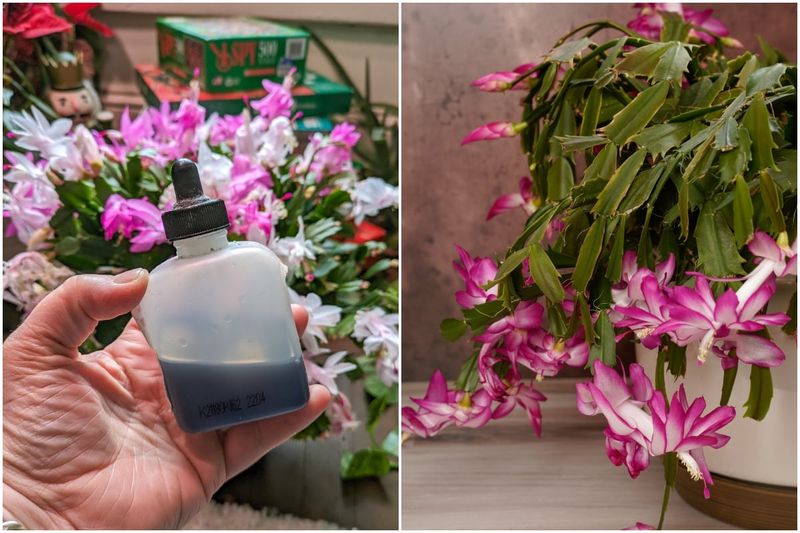
Your Christmas cactus might look perfectly healthy right now, yet still refuse to flower when the holidays arrive. The secret is that this plant decides whether to bloom weeks ahead of time, based on what you give it in the fall.
A few simple changes to light, temperature, water, and food can mean the difference between bare green stems and a pot full of bright pink buds. Here is exactly what your plant needs from you before Thanksgiving.
1. Long, Uninterrupted Nights
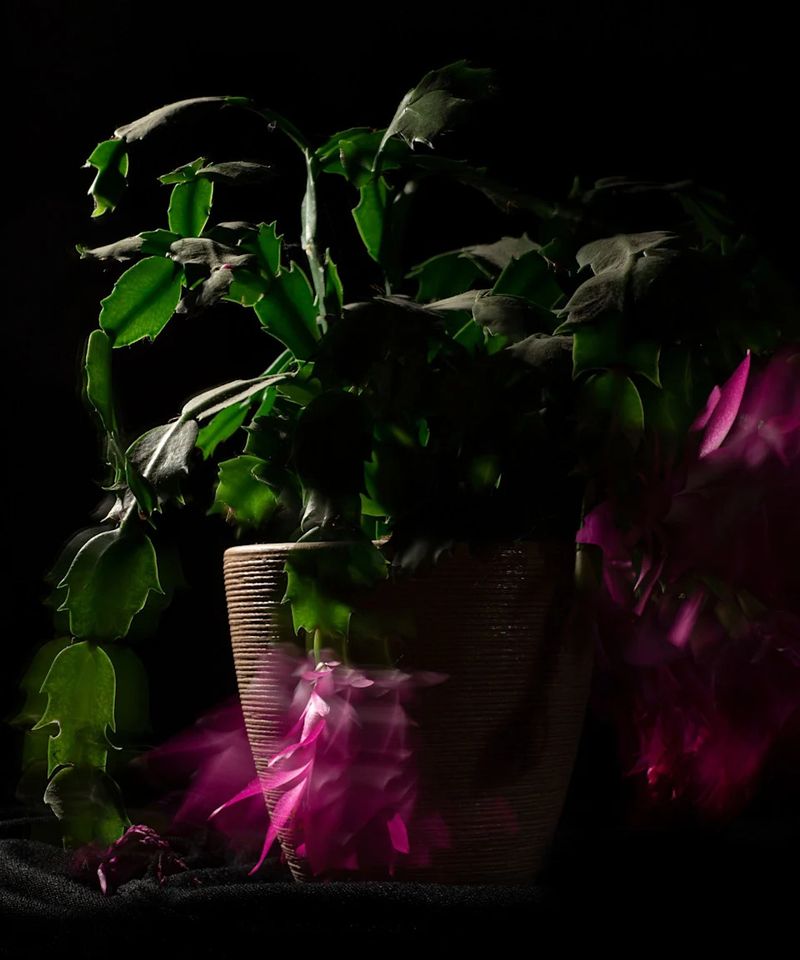
Picture a plant that reads the calendar by counting hours of darkness. Christmas cacti are short-day plants, which means they only set flower buds once nights stretch long enough.
Starting in late September or early October, give your plant 12 to 14 hours of total darkness every night for about 6 to 8 weeks. A spare bedroom, a closet you rarely open, or a cardboard box slipped over the pot each evening all work well.
The tricky part is that even a little light can reset the clock. A lamp switched on for a late snack, a TV glow, or a streetlight shining through the window may be enough to stall bud formation.
If your cactus lives in the living room, that is often the hidden reason it skipped blooming last year.
2. Cool Nighttime Temperatures
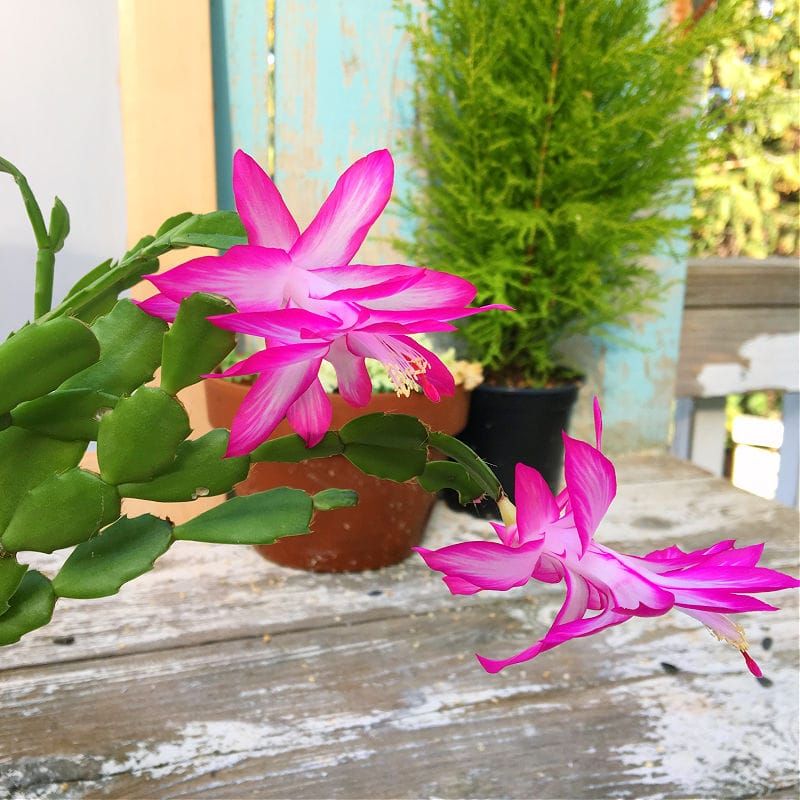
Grandma’s cactus that bloomed like crazy on the chilly back porch window was not luck. Cool nights are one of the strongest bloom triggers this plant knows.
Aim for nighttime temperatures between 50 and 55 degrees Fahrenheit for several weeks in fall, with days around 60 to 70 degrees. An unheated sunroom or a cooler room on the north side of the house can be ideal.
Keep the pot away from heat vents, fireplaces, and drafty doors. Sudden swings in either direction can stop buds from forming or cause the ones you have to drop.
3. A Lighter Hand With the Watering Can
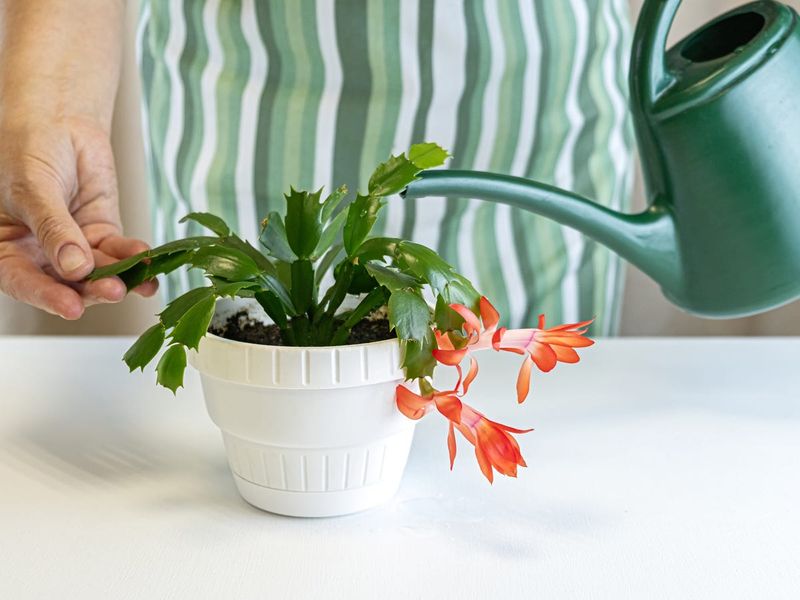
Overwatering kills more holiday cacti than almost anything else. In fall, your plant actually wants a little less to drink.
As you start the dark and cool routine, let the top inch or two of soil dry out before watering again. A quick finger test beats any fixed schedule, since homes dry out at very different rates.
Soggy soil invites root rot and can make buds fall off. Once you spot buds forming, ease back toward evenly moist soil, but never let the pot sit in standing water.
4. Extra Humidity
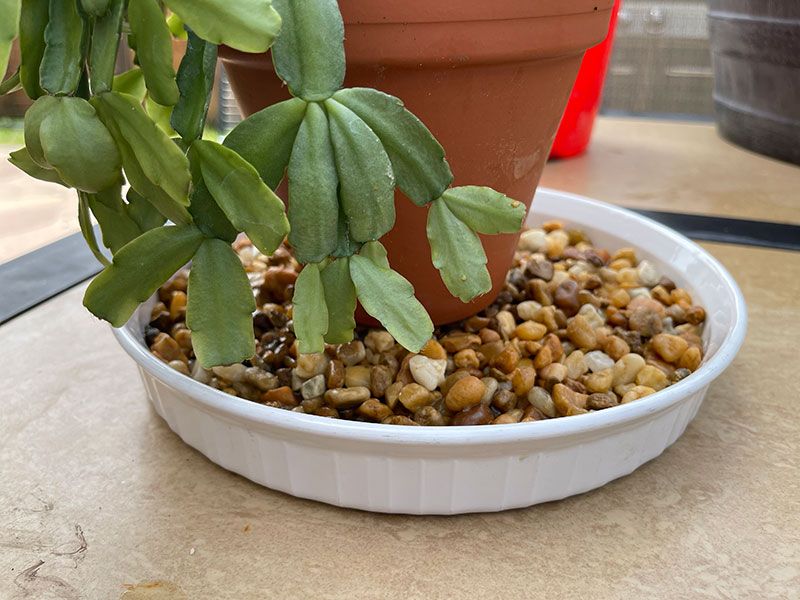
Fun fact: despite the name, the Christmas cactus is not a desert plant at all. It grows wild on tree branches in the misty mountain rainforests of Brazil.
That jungle background explains why it prefers around 50 to 60 percent humidity. Once the furnace kicks on, indoor air can get as dry as a cracker, and the plant may respond with limp stems or dropped buds.
A pebble tray is the easiest fix. Fill a shallow dish with gravel and water, then set the pot on top so it sits above the waterline.
Grouping plants together or misting now and then can also help.
5. A Break From Fertilizer
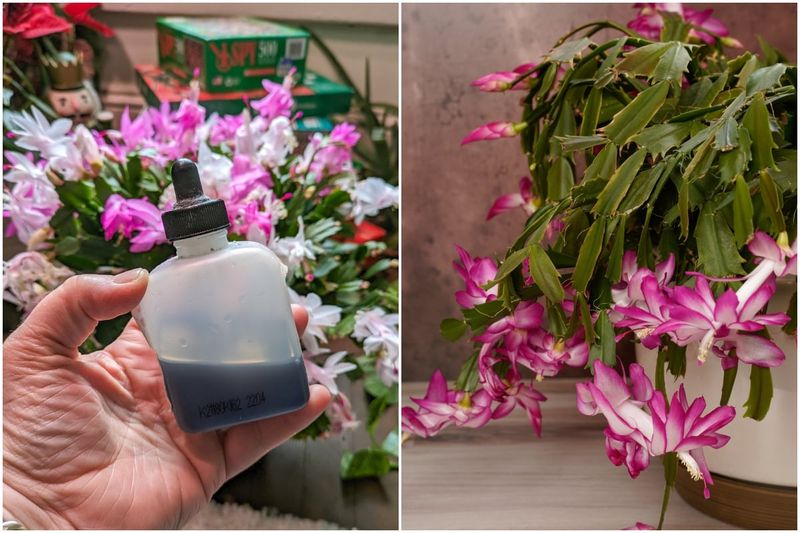
Feeding a plant more to get more flowers sounds logical. With a Christmas cactus in fall, it backfires.
A monthly half-strength balanced fertilizer is great in spring and summer while the plant grows new segments. Once fall arrives, cut back or stop completely so the plant can shift its energy toward buds.
Extra fertilizer during bud set can leave salt buildup in the soil, which may block flowering or trigger bud drop. Put the bottle away until after the blooms fade, and your plant will thank you.
6. Bright, Indirect Daylight
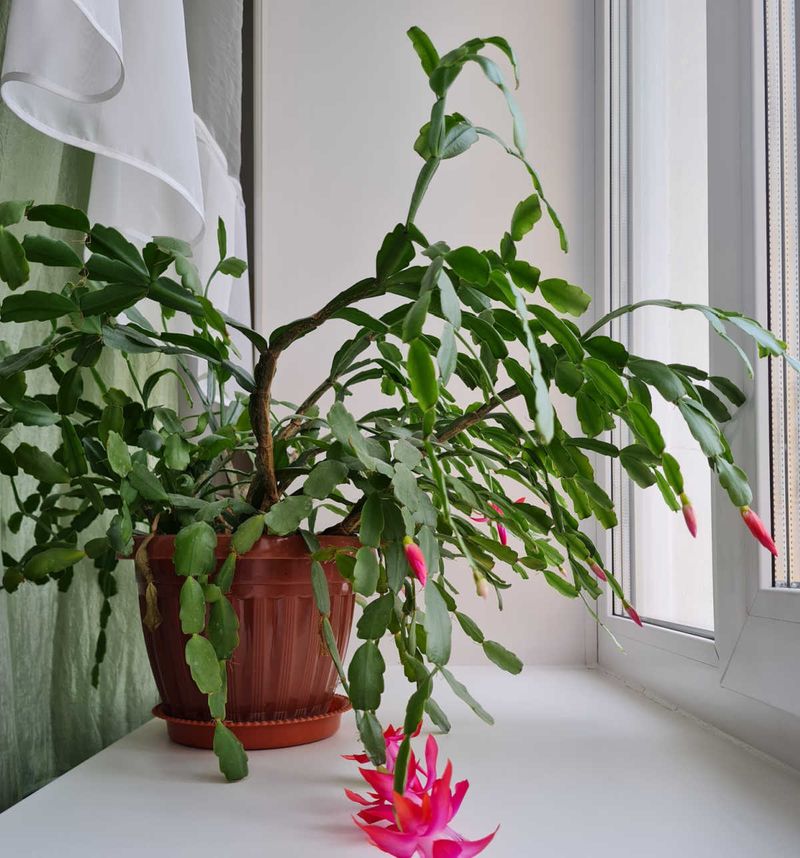
Darkness gets all the attention, but daytime light matters just as much. Your plant needs energy from the sun to actually build those flowers.
Give it about 4 to 6 hours of bright, indirect light each day during fall. An east-facing window or a spot behind a sheer curtain works nicely.
Harsh direct sun can scorch the flat stems and turn them reddish or pale. If you are moving the plant to a dark room at night, bring it back to its bright spot each morning.
7. Staying Put Once Buds Appear
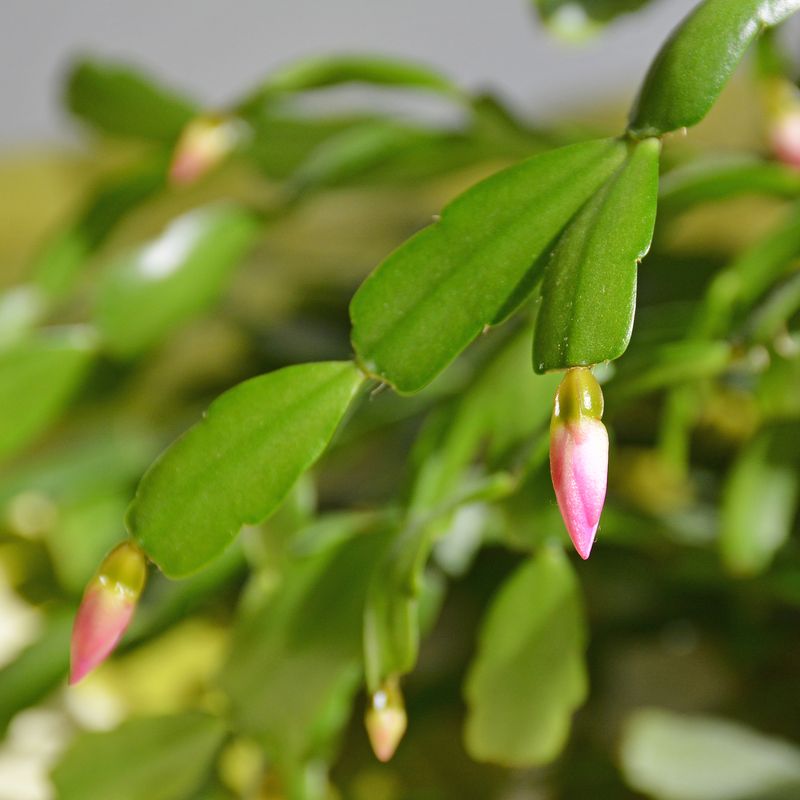
Few things sting like watching tiny pink buds fall onto the table a week before Thanksgiving. Usually, the cause is a change the plant did not like.
Once buds show up at the stem tips, pick a good spot and leave the plant there. Moving it around, turning it often, or exposing it to new drafts and temperatures can make it drop buds in protest.
So resist the urge to relocate it as a centerpiece too early. Let it finish the show where it feels settled, and you can enjoy a full, colorful display right on time.