
Tired Of Weeding The Same Bare Patches? How A Well-Matched Groundcover Can Help Fill Them In
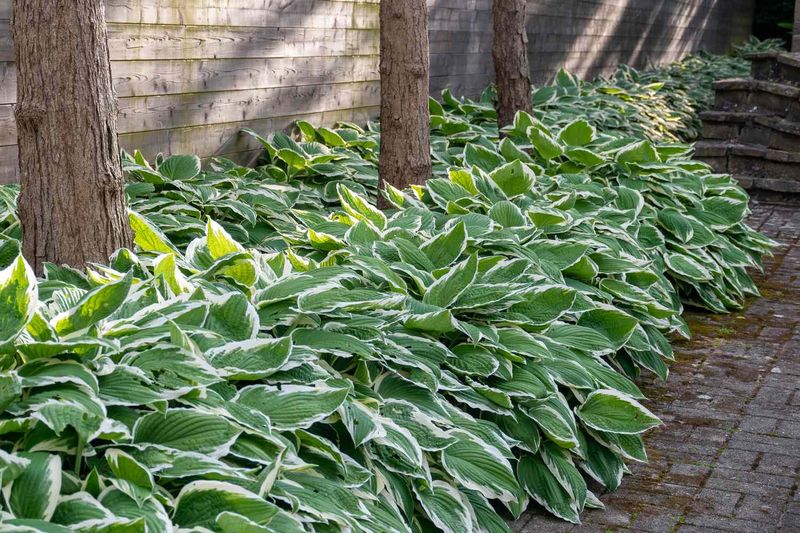
Bare soil in a flower bed seems to invite weeds the moment you turn your back. Pulling the same ones again and again gets old fast.
A thick living carpet of the right groundcover can shade that soil and cut down on how many weeds take hold. It takes some planning and patience, but the payoff can be a calmer, easier bed.
How groundcover can suppress weeds
Picture a bare patch in full sun. Every weed seed sitting in that soil gets light, space, and room to sprout.
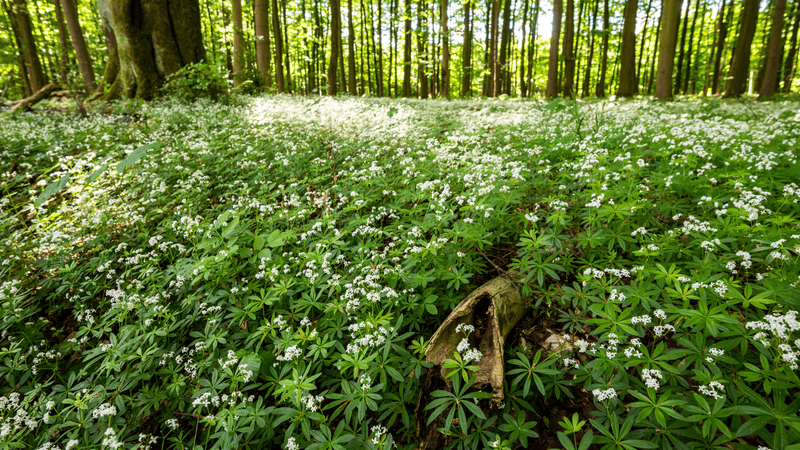
Dense groundcover changes the setup, because its leaves shade the ground and take up the space weeds want.
According to University of Maryland Extension, that shading limits the chances for many weed seeds to germinate and get established. The key word is many, not all.
Some seeds will still sprout, especially at the edges or in thin spots.
So think of groundcover as a way to lower weed pressure, not wipe weeds out. A thick planting simply gives fewer weeds a place to start, which means fewer to pull.
The payoff is a planting that may need less upkeep once it has filled in. That word, once, matters.
A freshly planted bed has gaps, and gaps are open invitations for weeds. Success depends on the plants actually growing into a dense mat that covers the soil.
If the plants struggle, sulk, or die back, the shade never arrives and the weeds carry on as usual. That is why the next steps matter as much as the plant itself: choosing well, preparing the patch, and caring for it while it spreads.
Go in expecting a gradual improvement rather than an overnight fix. A bed that goes from constant weeding to occasional weeding is a real win, even if it never reaches zero.
Choose a plant that fits the site
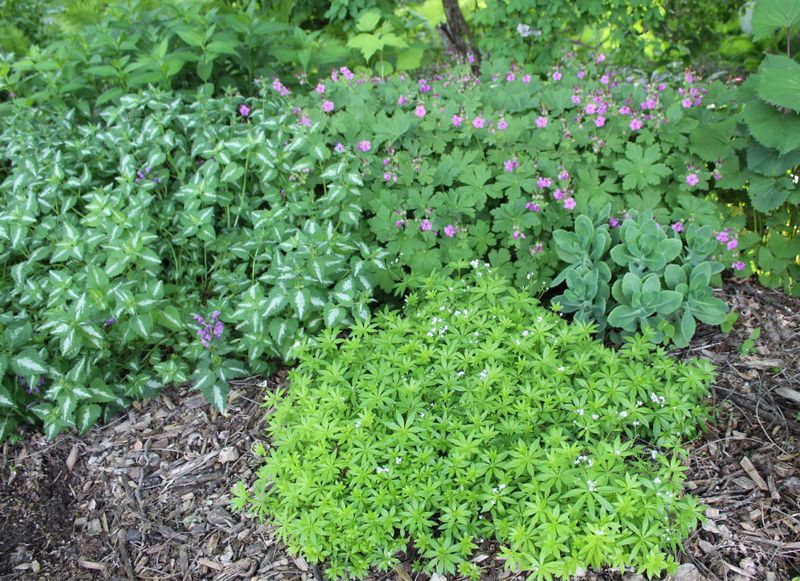
A pretty plant tag does not guarantee a plant will thrive in your yard. Before shopping, spend a few minutes studying the patch.
How many hours of sun does it get? Is the soil sandy, heavy clay, or somewhere between?
Does water drain quickly or sit around?
Add your local climate to the list. Winter cold, summer heat, and rainfall all decide whether a plant fills in or struggles.
University of Illinois Extension stresses matching the plant to the light, soil, and moisture of the spot rather than assuming one groundcover suits every bare patch.
Next, look at how the plant grows. Growth rate, mature habit, and how fast you want coverage all affect your choice.
University of Delaware Cooperative Extension points to these traits, along with spacing, as factors in how quickly a planting closes up. Closer spacing can fill a patch sooner but takes more plants.
A fast spreader can sound ideal, but speed has a cost. Some quick-covering plants escape beds and invade nearby landscapes.
University of New Hampshire Extension lists several groundcovers as prohibited or watch-listed in that state. That list applies to New Hampshire only, so it is not a nationwide ruling.
Your next step is simple. Call or visit your local extension office, or check your state invasive-plant list, before buying anything that spreads aggressively.
Then pick a plant that suits your conditions.
Control persistent weeds before planting
Here is the step most people want to skip: clearing the patch first. Once groundcover is planted, getting weeds out of it gets much harder.
Pulling a weed from a tangle of new plants often disturbs the roots of the plants you want to keep.
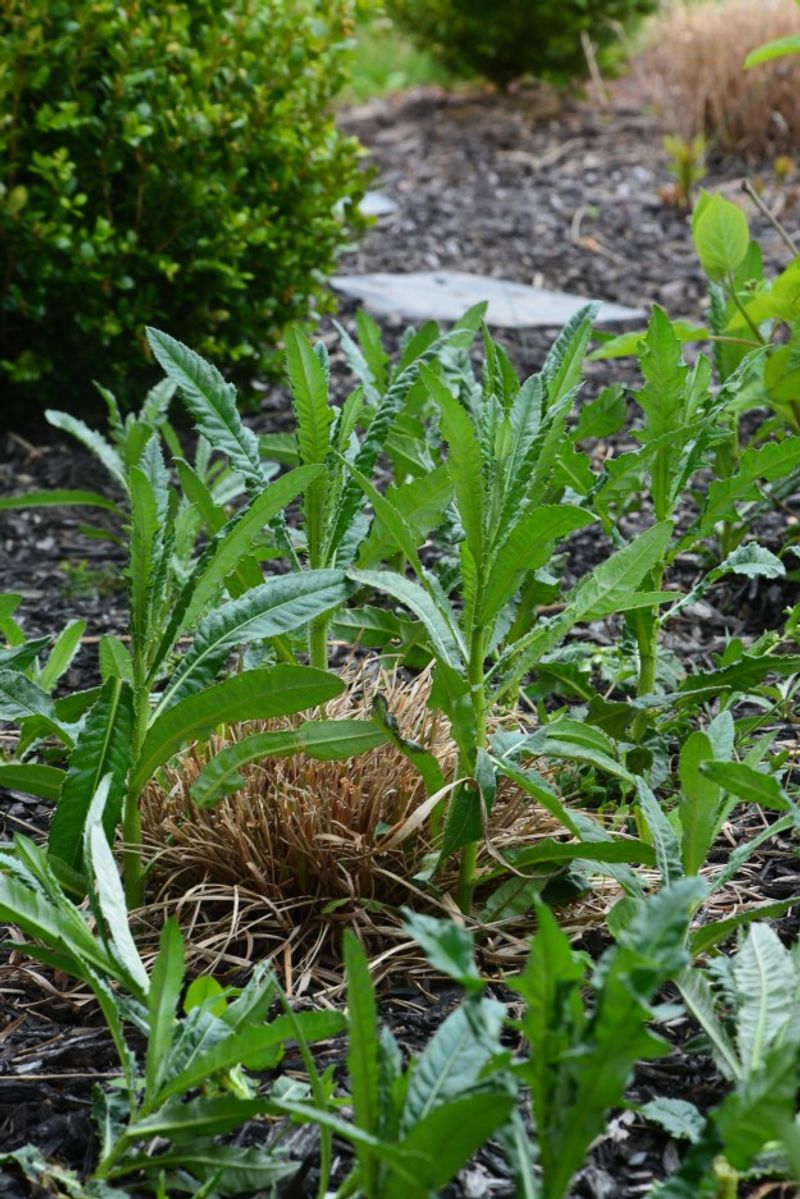
The worst offenders are established perennial weeds. These come back from roots or other underground parts, not just seeds.
University of New Hampshire Extension names quackgrass and Canada thistle as examples that can be very difficult to remove once they are mixed into a groundcover planting.
So walk the patch before planting. Look for weeds that return year after year in the same spot, or ones that send up shoots in a line from a hidden root.
Those are clues that a perennial is living underground.
Dig out as much as you can, roots included, and check back over a few weeks for regrowth. Pull or dig new shoots as they appear.
Your goal is a clean start, not a perfectly bare patch forever.
Shading from a mature groundcover can limit many weed seeds, but it is not a tool for beating established perennials. Deal with those first, and you give your new plants a fair chance to take over the space.
Plan for a gradual establishment period
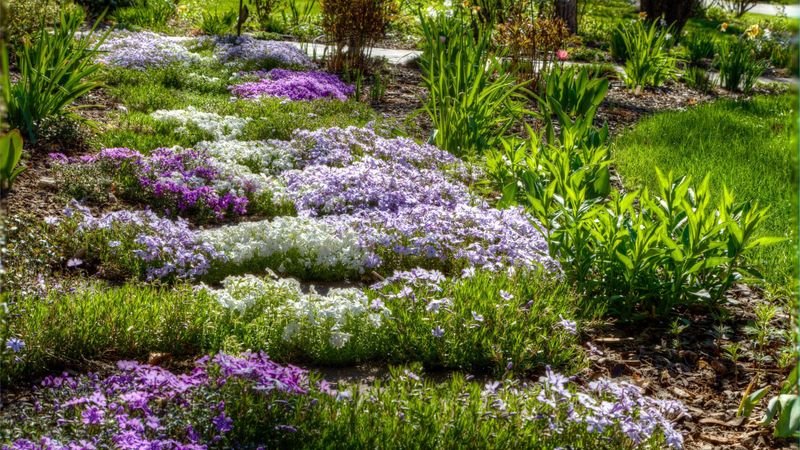
Right after planting, your patch will look sparse. Small plants sit in wide stretches of open soil, and that open soil is exactly where weeds love to settle.
This is normal, and it does not mean the plan has failed.
Plan on patience. University of Illinois Extension advises allowing at least one to two growing seasons for groundcovers to establish.
University of Delaware Cooperative Extension says weed-control needs are highest during the first year or two.
That means you will still be weeding during this stretch. A quick walk every week or so, pulling small weeds before they set seed, keeps the job manageable.
Small weeds come out easily and leave less disturbed soil behind.
Watch for clues that things are moving along. Stems should lengthen, plants should begin touching their neighbors, and the bare gaps should shrink.
If plants look stuck after a full season, revisit the match between plant and site, such as too much shade, poor drainage, or dry soil.
Once the leaves knit together into a dense cover, the work changes. The heavy weeding season eases, and upkeep can become lighter.
That lighter stage is the reward for the effort you put in early, so treat the first year or two as an investment.
Water and mulch while plants spread

Young plants have small root systems, so they cannot reach far for moisture. Water new plantings regularly until they are established, especially during dry spells.
Check the soil a few inches down rather than guessing from the surface.
Mulch can help during this gap-filling period. University of Illinois Extension describes mulching between plants as a way to conserve moisture and suppress weeds while the groundcover fills in.
Spread mulch in the open spaces, and keep it from smothering the plants you just installed. Pull it back a little from stems and crowns so they can breathe.
How much mulch should you use? There is no single answer.
University of New Hampshire Extension and other sources give different recommendations depending on the plant and setting. Check what your local extension office suggests for your soil and your chosen plants.
These are establishment chores, not forever chores. As the plants spread and cover the soil, the mulch becomes less important because the leaves start doing the same job.
Top it off only where gaps remain, and let the groundcover take over as it grows.
Expect fewer weeds, not no weeds
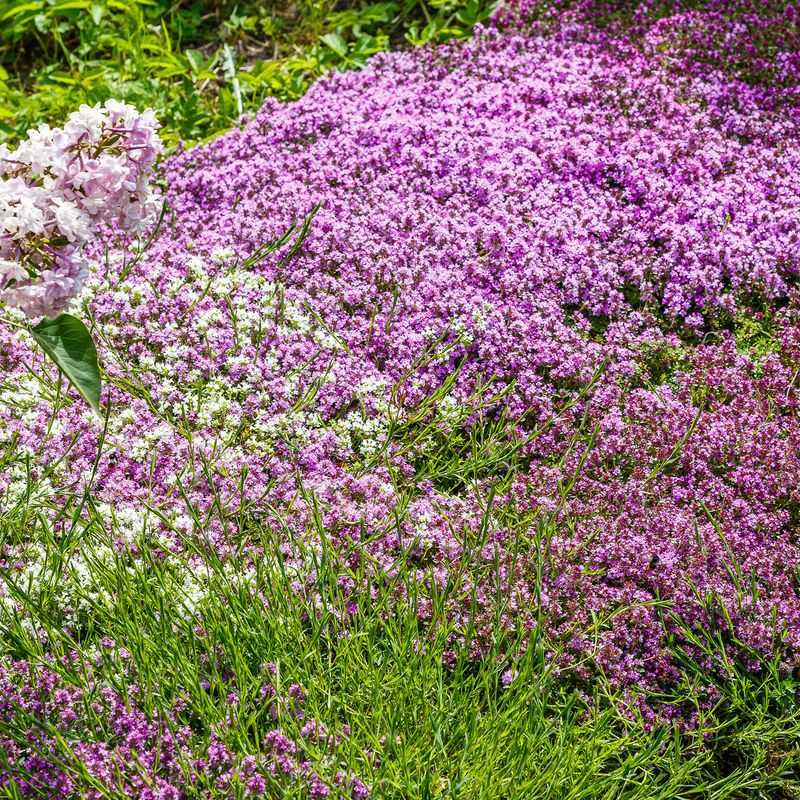
A mature, healthy groundcover patch can feel like a different garden. Fewer weeds, less bending, and less time on your knees.
That is a realistic and worthwhile goal.
It is not a weed-free promise. Seeds keep arriving on the wind, in rain, and with animals, and some persistent weeds can survive through their roots.
University of Maryland Extension frames dense cover as a way to reduce weed pressure, not end it.
Low maintenance does not mean no maintenance. According to University of New Hampshire Extension, groundcovers may still need pruning or management to keep them within bounds.
Add some watering during drought and the occasional weeding, and you have a realistic picture of upkeep.
One caution for edible gardeners: do not automatically copy this idea under vegetables. Maryland Extension notes that living mulches can compete with crops for water and nutrients and reduce yield, so they need careful management.
If you keep this approach in ornamental beds, a quick monthly check is usually enough. Pull the odd weed, trim any edges that wander, and water when it is truly dry.
A good groundcover will not give you a perfect bed. It gives you a quieter one.