
Why Your Snake Plant Makes Pups on Its Own Schedule, and How to Support It
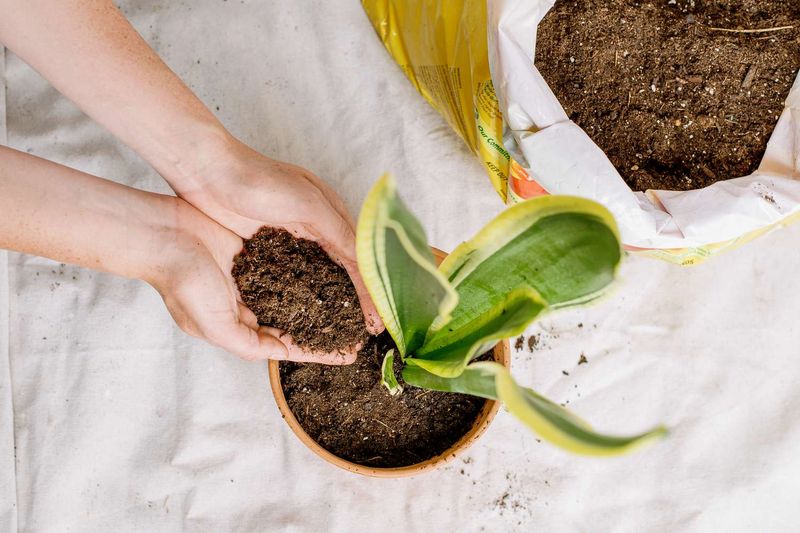
Snake plants have a reputation for being tough, yet many owners wait years for a single baby shoot to appear. It is easy to worry that you are doing something wrong, especially when online tips promise a quick fix.
The truth is a bit more relaxed, and it will save your plant from risky experiments. Here is how pups really form, what care helps, and how to turn a pup into a free new plant.
Rhizomes produce pups as the plant spreads
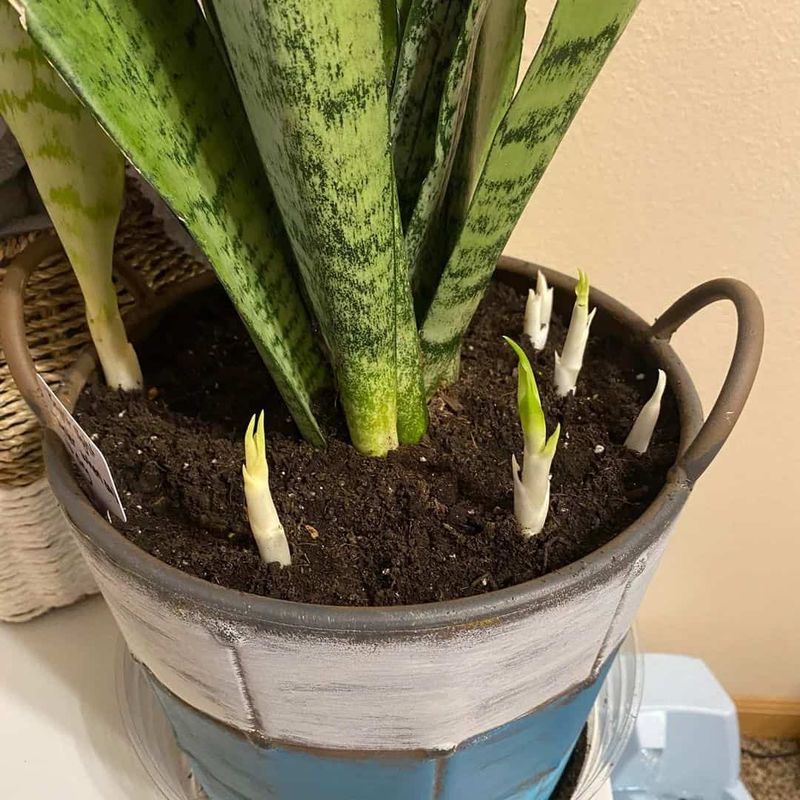
Those little upright shoots that pop up beside a mature snake plant are called pups, or offsets. Each one is a young rosette of leaves.
It grows as the plant spreads underground by thick stems called rhizomes.
According to UC Agriculture and Natural Resources, snake plants spread this way, and the offsets can be separated and grown as new plants. The Royal Horticultural Society also describes propagating by taking well-rooted offsets from the parent.
Notice what is missing from that picture: a secret trick. Pups are simply part of how the plant grows.
A shoot may appear after a year, or it may take much longer, and nobody can promise a schedule or a number.
Some plants send up several in a season, and others stay a single clump for a long stretch. A plant with no pups is not necessarily sick or failing.
If the leaves are firm, upright, and slowly growing, your snake plant is probably doing just fine.
You may also see the botanical name Dracaena trifasciata on plant tags. Older books and nurseries still use Sansevieria trifasciata, but both names mean the same plant.
Could a crowded pot be the missing switch?
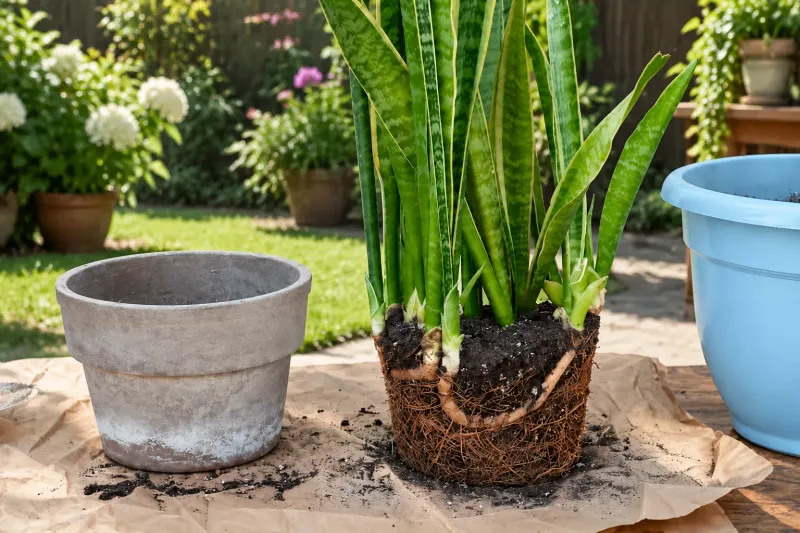
You have probably heard that snake plants make pups when they are squeezed in a tight pot. It sounds logical, and it is a popular tip.
But nobody has shown that crowding is what causes offsets.
What is true is that snake plants handle tight roots well. University of Georgia Extension says they tolerate, and may even prefer, being root-bound, though they still need repotting as they grow.
Tolerating a snug pot is very different from being pushed into making pups by one.
Here is a clue to tell the two apart. A plant that fills its pot has usually grown for a while, and rhizome spread is part of that growth.
The crowding is a result of the growth, not necessarily the cause.
So there is no single change, whether tight roots, a new pot, or something else, that is established as a way to fill a pot with pups. Leave the plant where it is happy, and skip any plan to deliberately cram it in.
If you are curious about when a bigger pot makes sense, Iowa State Extension has general houseplant guidance we will use in a later section.
Better growing conditions help without guaranteeing pups
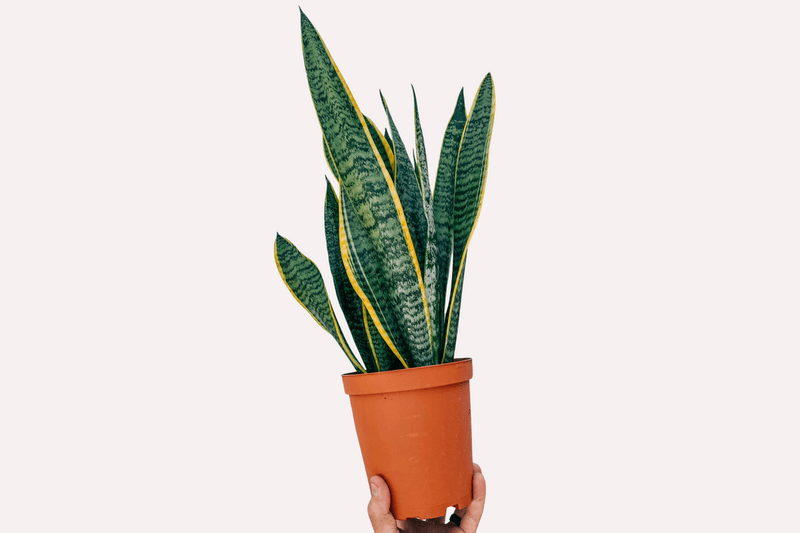
Good care will not force pups, but it gives your plant the best chance at steady growth. Start with light.
Snake plants live happily in low light, but North Carolina State Extension describes a range of light tolerance, and tolerating dim rooms does not mean dim is ideal for active growth.
A spot with bright-to-moderate light, such as a few feet from an east or south window, is a good target. Be careful with sudden harsh sun.
If a plant has lived in a dim corner, moving it straight into a blazing afternoon window can scorch the leaves, so shift it gradually.
UC Agriculture and Natural Resources notes that more light may prompt flower buds on a snake plant, but that is flowers, not pups. Brighter light is a growing condition, not a pup switch.
Now the soil. Use a free-draining potting mix and a pot with drainage holes.
The Royal Horticultural Society advises letting the compost dry out between waterings, because soggy soil can cause root rot.
Do not water extra in hopes of speeding things up. Wet soil is one of the fastest ways to lose a snake plant.
A plant that dries out between drinks is on the right track.
If you share your home with pets, remember that the ASPCA lists snake plant as toxic to cats and dogs, so place it out of reach.
Repot when the plant needs room, not to force pups
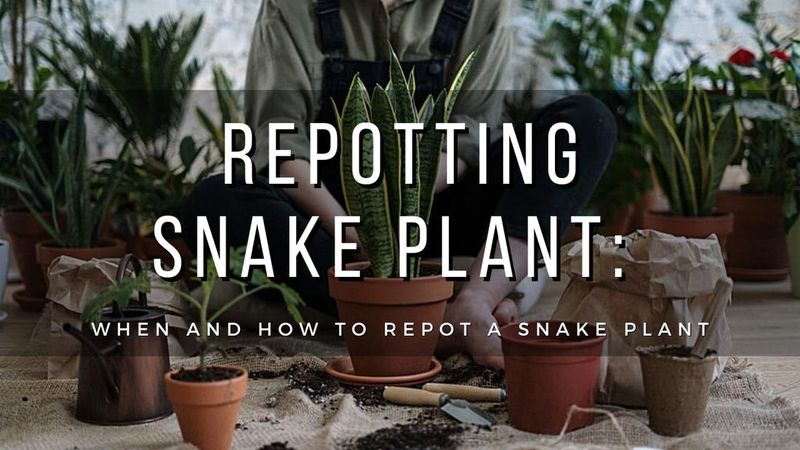
Think of repotting as routine maintenance. Roots that push up out of the soil, a pot that bulges or cracks, or a plant that tips over because it is top-heavy are all signs it needs more room.
Repotting is a response to size and condition, not a proven way to make pups.
Snake plants are strong enough to break containers, since their rhizomes expand with force. That is why a plastic pot that looks warped deserves attention.
University of Georgia Extension notes these plants do need repotting as they grow, even though they put up with snug roots.
When you do move up, keep it modest. Iowa State Extension advises going up only one or two container sizes, because an oversized pot holds soil wet for too long.
Picture a plant in a pot twice as wide as it needs. Much of the soil sits unused around the roots and stays damp, which is exactly what a snake plant dislikes.
Choose a pot with drainage holes and fill it with free-draining mix. Set the plant at the same depth as before, and wait a few days before the first watering.
That small pause lets any damaged roots settle.
A well-rooted pup can become a free new plant
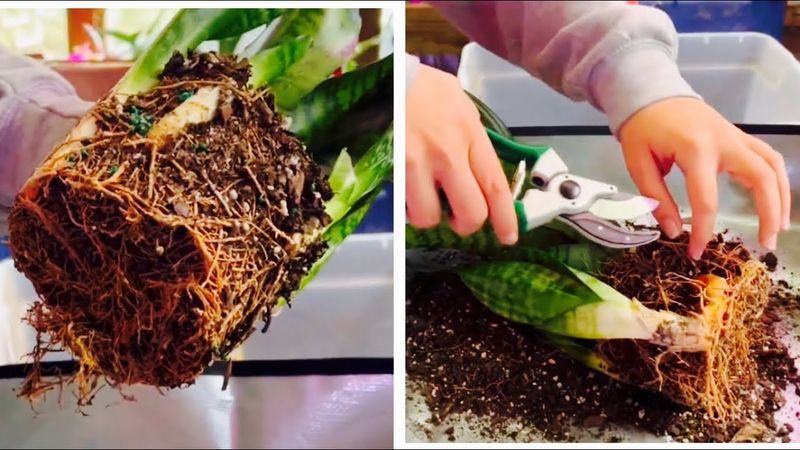
When a pup does show up, you can turn it into a second plant. The key is patience.
Wait until the offset is well-rooted, since a pup with few roots has a harder time on its own.
The Royal Horticultural Society says spring is a suitable time to do this. Here is the simple sequence:
First, slide the whole plant out of its pot. Next, find where the pup joins the rootball and gently separate it, keeping roots on the pup.
Larger clumps can also be divided this way, as UC Agriculture and Natural Resources explains.
Finally, pot the pup on its own in a small container with drainage and free-draining mix. Water lightly, then let the soil dry before watering again.
If the rhizome is tough, a clean knife can help, but work slowly and avoid tearing the roots. Put the parent plant back in its pot with fresh mix.
One honest note: dividing a pup gives you a new plant, but it does not make the parent produce more pups. Think of it as sharing what the plant already made, a free plant with no promises attached.
Let your snake plant set the pace
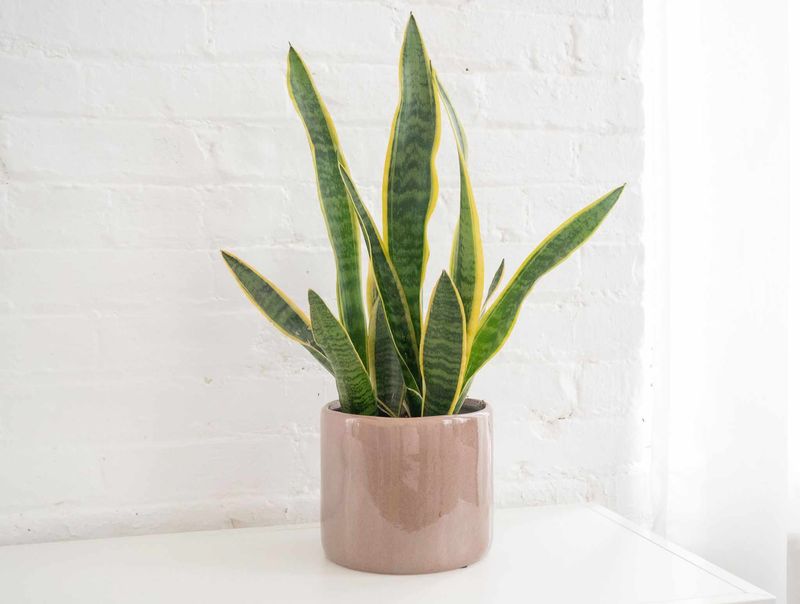
Give your snake plant decent light, a pot that drains, and dry spells between waterings, then keep an eye out for new shoots beside the leaves. When a well-rooted pup appears, you can divide it, as UC Agriculture and Natural Resources describes.
Skip the urge to crowd, soak, or repot it just to force pups. A snake plant is a slow, steady grower, and it tends to reward the owner who leaves it alone.