
The North Carolina Perennials You Plant Once This Fall And Never Have To Buy Again
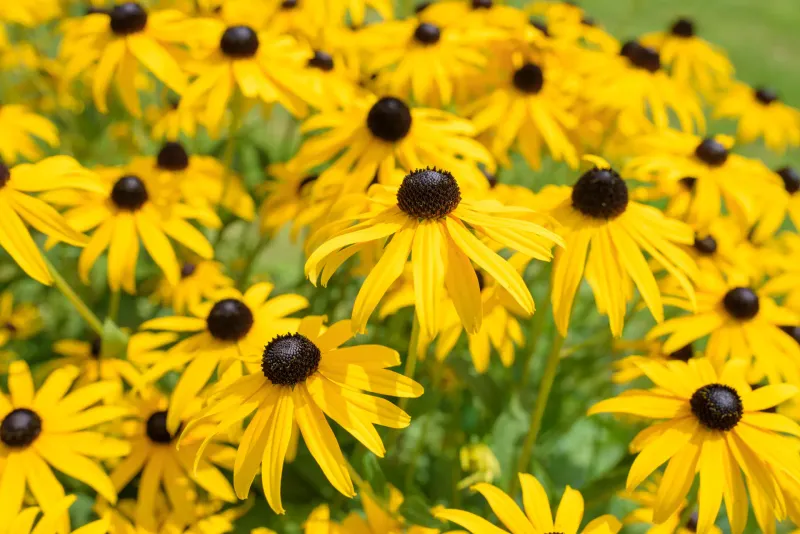
Every spring, garden centers fill up with flowers that look great for one summer and then die off. North Carolina has a better option growing right in its own woods and fields.
Native perennials planted this fall can come back year after year, feed goldfinches and fireflies, and even help make your yard less friendly to ticks. Plant them once in the cool fall soil, and your yard can keep paying you back for a long time.
1. Purple Coneflower
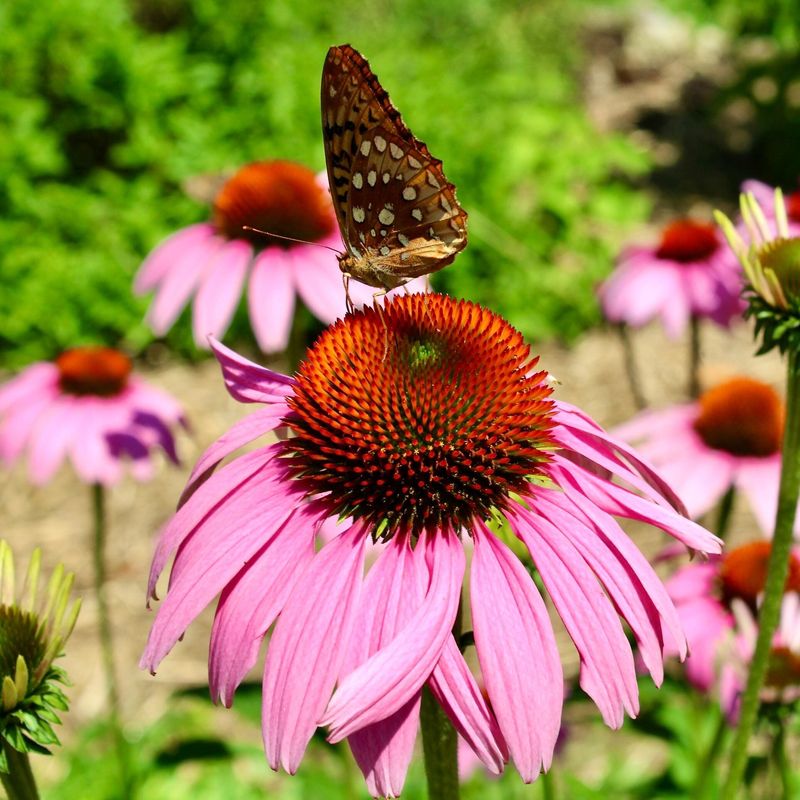
Leave the seed heads standing in October and watch what happens. Within days, bright yellow goldfinches start landing on the spiny centers, picking out seeds one by one like kids at a snack bar.
Purple coneflower (Echinacea purpurea) is one of the easiest natives a Piedmont or Coastal Plain gardener can grow. Bees and butterflies work the pink-purple petals all summer, and once the roots settle in, the plant shrugs off dry spells that would wilt a bed of annuals.
Fall planting gives those roots a head start while the soil is still warm and rain is steady. Pick a sunny spot with decent drainage, water it through the first few weeks, then mostly leave it alone.
Over time the clump gets wider and may drop a few seedlings nearby, which means free plants for a friend’s yard.
One stewardship tip: skip the fall cleanup on this one. Those brown heads are winter food, not mess.
2. Butterfly Weed
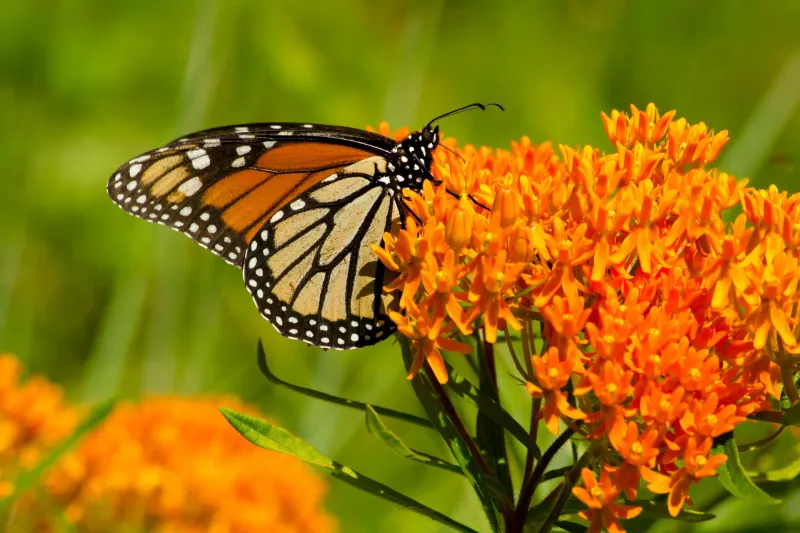
A monarch caterpillar can only eat milkweed. No milkweed, no monarchs, and that simple fact makes butterfly weed (Asclepias tuberosa) one of the most meaningful plants you can put in the ground this fall.
Its flowers are a blaze of orange from early to midsummer, and they pull in swallowtails, native bees, and hummingbirds too. Unlike many milkweeds, this one stays compact and tidy, so it fits a small suburban bed.
Here is the trick most people miss. Butterfly weed grows a deep taproot and hates being moved, so choose its home carefully and plant it in sunny, well-drained soil.
Sandy Coastal Plain yards and rocky Piedmont slopes suit it beautifully.
Be patient in spring, too. It is one of the last perennials to wake up, so mark its spot before you start digging around in April.
3. Black-Eyed Susan
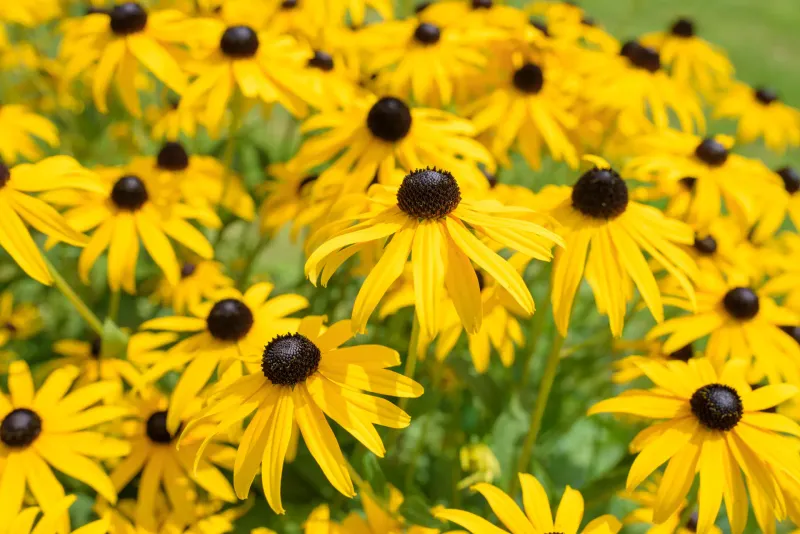
Grandmothers across the Tar Heel State have grown these golden daisies for generations, and for good reason. They are cheerful, tough, and nearly impossible to mess up.
Black-eyed Susans (Rudbeckia fulgida and Rudbeckia hirta) bloom for weeks in summer, feeding bees and butterflies. In fall the dark centers turn into seed buffets for goldfinches and sparrows.
Their fuzzy leaves give them another bonus. Deer and rabbits usually pass them by, which matters if you garden near wooded edges in the mountains or Piedmont.
Plant a clump this fall along a fence line or a mailbox bed, and it will spread into a bright patch that comes back on its own. Rudbeckia fulgida is the longer-lived of the two, while hirta reseeds itself to keep the show going.
4. Bee Balm
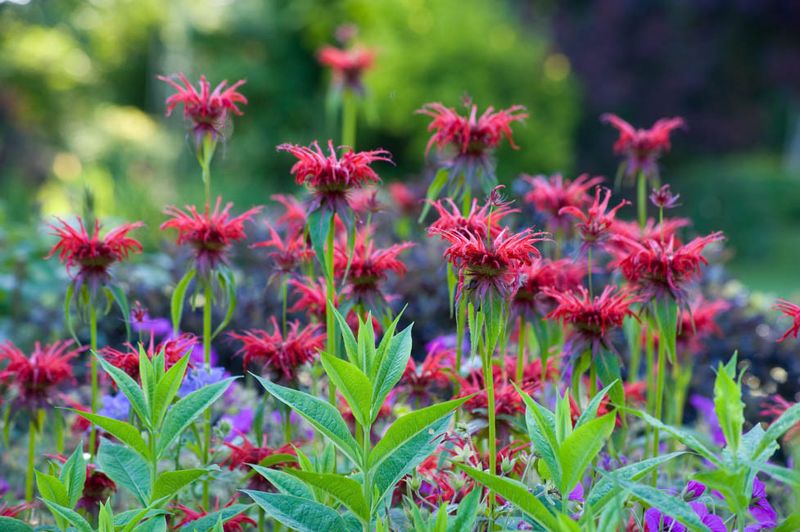
Crush a bee balm leaf between your fingers and you will smell something close to oregano and mint. That scent comes from thymol, a natural compound that may help deter ticks, which makes this plant a smart choice along paths where your family walks.
Monarda didyma, with its scarlet tubular blooms, is a hummingbird favorite, especially in cooler mountain yards. Wild bergamot (Monarda fistulosa) offers lavender flowers and handles drier Piedmont soil better.
To be clear, no plant can stop ticks on its own. Pair bee balm with a clear mulched or gravel edge between lawn and woods, and you build a border that can reduce tick traffic while still feeding pollinators.
Give it good air flow to limit powdery mildew, and divide the clumps every few years. Those divisions become new plants, so you really never need to buy another one.
5. Mountain Mint
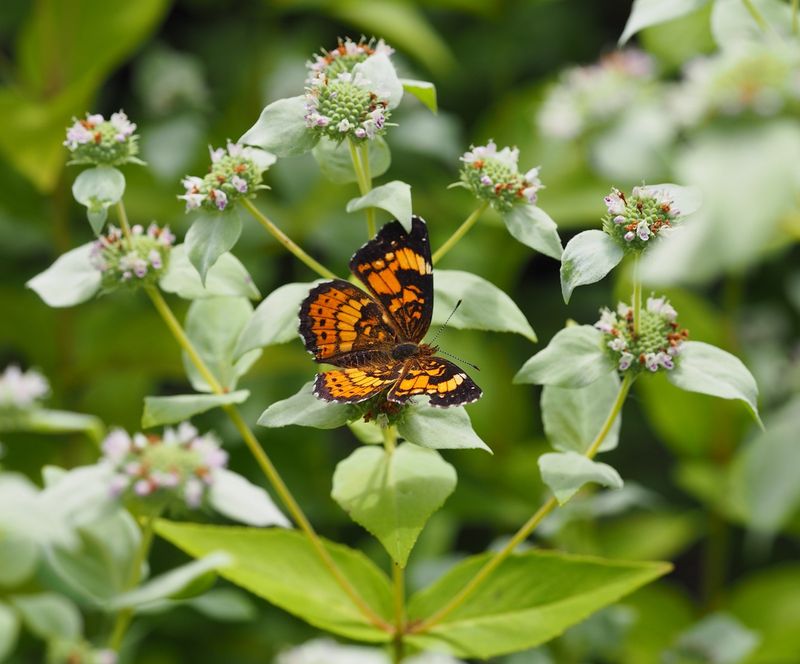
Stand next to a blooming patch of mountain mint in July and you will hear it before you see it. The plant hums with bees, wasps, beetles, and tiny butterflies.
Pycnanthemum muticum is often ranked among the very best native plants for pollinators. Its silvery leaves and small white flower clusters stay attractive for weeks, and the leaves carry pulegone and menthone, compounds that can help repel ticks.
Unlike the spearmint from the grocery store, this native spreads at a manageable pace. It handles sun or part shade and works in most NC soils, from mountain loam to Piedmont clay.
Tuck it along the edge of a patio or walkway, where you get both the bug show and that fresh minty scent when you brush past.
6. Goldenrod
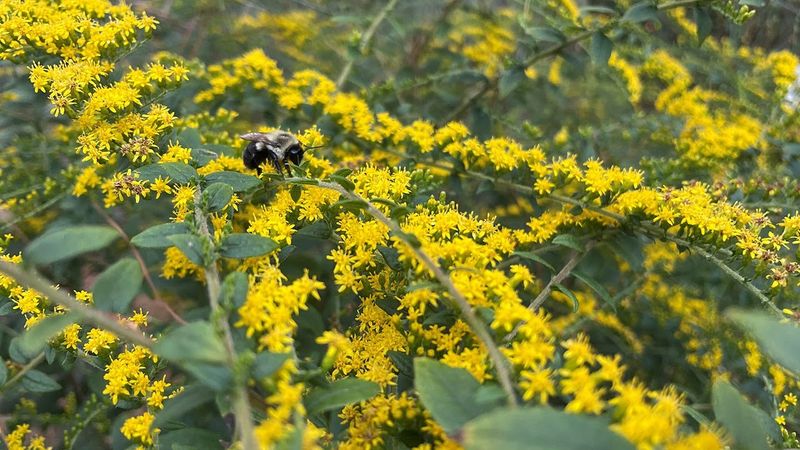
Goldenrod has been blamed for fall sneezing for decades, and it is innocent. The real culprit is ragweed, which blooms at the same time and spreads its pollen through the air.
Goldenrod pollen is heavy and sticky, built for bees rather than breezes. In late summer and fall, when most flowers are done, Solidago species are one of the biggest food sources left for native bees and migrating monarchs.
The seeds later feed winter birds.
For backyard beds, axillary goldenrod (Solidago caesia) is a great pick. It stays well-behaved, tolerates shade, and grows in all three NC regions.
Plant it this fall under the edge of trees where little else blooms in September.
7. New York Ironweed
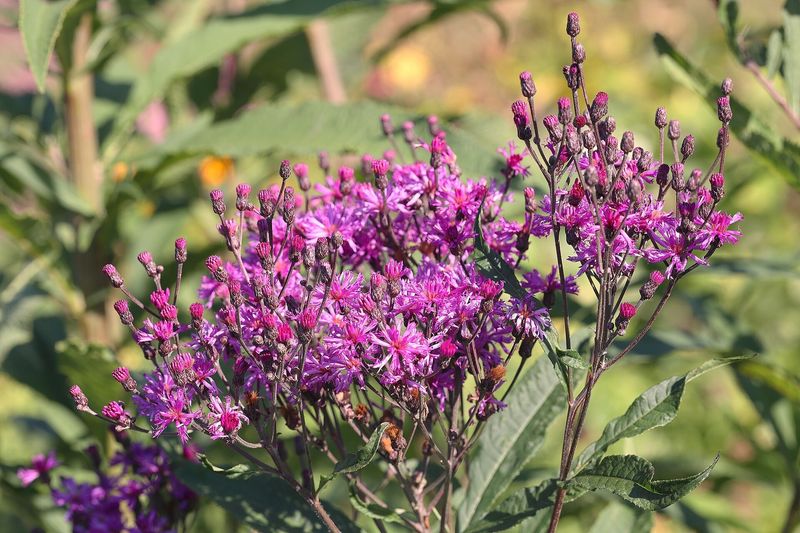
Some plants whisper. Ironweed shouts, rising five or six feet tall with fluffy clusters of deep purple flowers in late summer.
Vernonia noveboracensis blooms when many gardens look tired, drawing in tiger swallowtails, skippers, and native bees. Later the spent flower heads give goldfinches another seed stop on their fall rounds.
It loves moist spots, so that soggy corner by your downspout could finally become useful. Ironweed self-seeds to slowly fill gaps, which is exactly the never-buy-again promise in action.
Put it at the back of a bed so shorter plants can shine in front.
8. Aromatic Aster
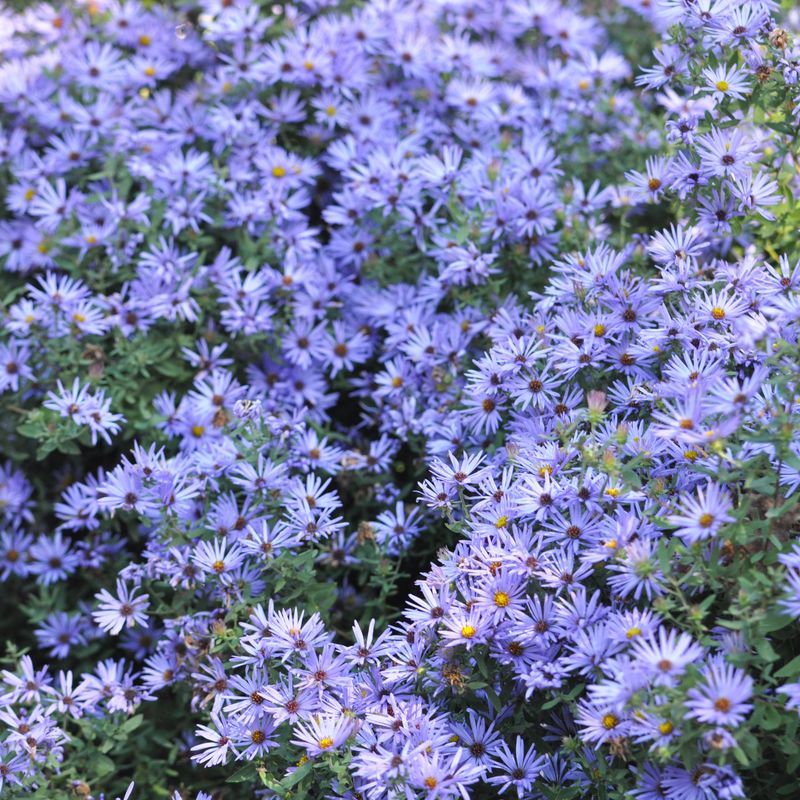
October in North Carolina can feel like the garden has given up. Then aromatic aster explodes into a mound of purple daisies and proves it has not.
Symphyotrichum oblongifolium is one of the last natives to bloom, often carrying flowers into November. Late bees and butterflies depend on that final burst of nectar before cold weather settles in.
The leaves smell pleasantly spicy when crushed, which is how the plant got its name. It loves sun, handles dry soil, and stays fairly compact.
Here is a simple swap worth making. If you have been buying potted mums every fall, plant aromatic aster once instead and enjoy a fall show that returns on its own while actually feeding wildlife.
9. Cinnamon Fern
Want more fireflies next June? Start with the ground under your feet.
Firefly larvae spend most of their lives in damp soil and leaf litter, hunting slugs and snails, and they dry out fast in a bare, raked yard.
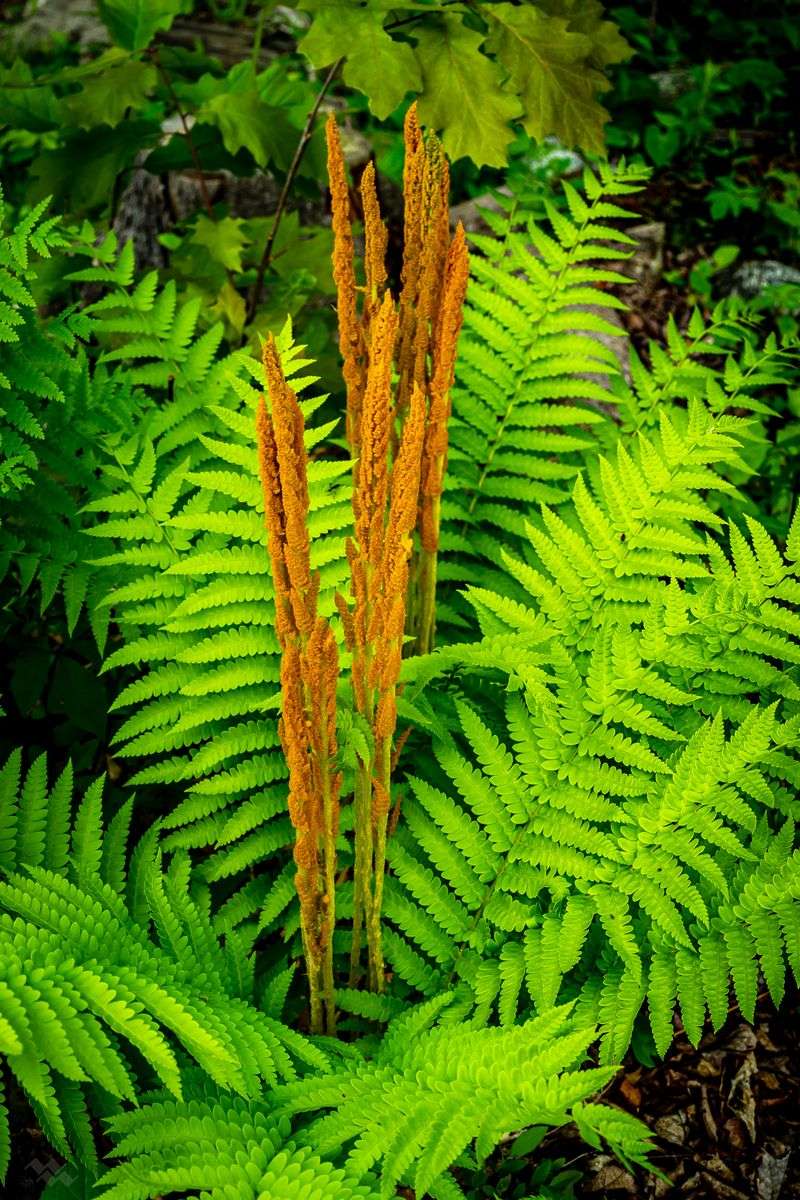
Cinnamon fern (Osmundastrum cinnamomeum) creates the cool, humid hideout they need. Its tall arching fronds shade the soil and hold in moisture, and the same sheltered patch can give box turtles a quiet place to rest on hot days.
Plant it in a shady, wet corner this fall and leave the leaves where they fall around it. If you spot a box turtle there, enjoy the visit and let it be.
Never relocate a box turtle, since they live their whole lives in a small home range and often die trying to get back.
10. River Oats
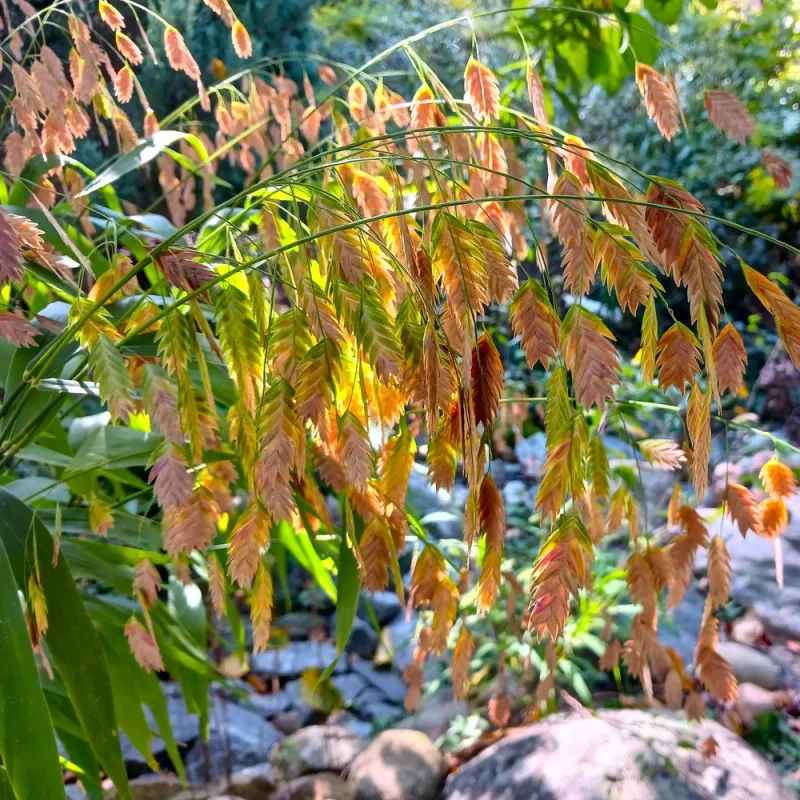
Picture tiny flat seed heads dangling like charms, swaying in every breeze. River oats (Chasmanthium latifolium) is the grass that gets people asking what you planted.
Beyond looks, it does real work. The loose clumps give adult fireflies a place to hide during the day, and birds pick at the seeds in winter.
It grows in shade where most grasses struggle, and the seed heads turn bronze in fall.
Use it to replace invasive Chinese silvergrass or liriope along a shady bed. It reseeds freely, so pull a few extras each spring, then enjoy a native grass you planted just one time.