
Still Seeing Hummingbirds This Late In The Year? Don’t Take Your Feeder Down Just Yet
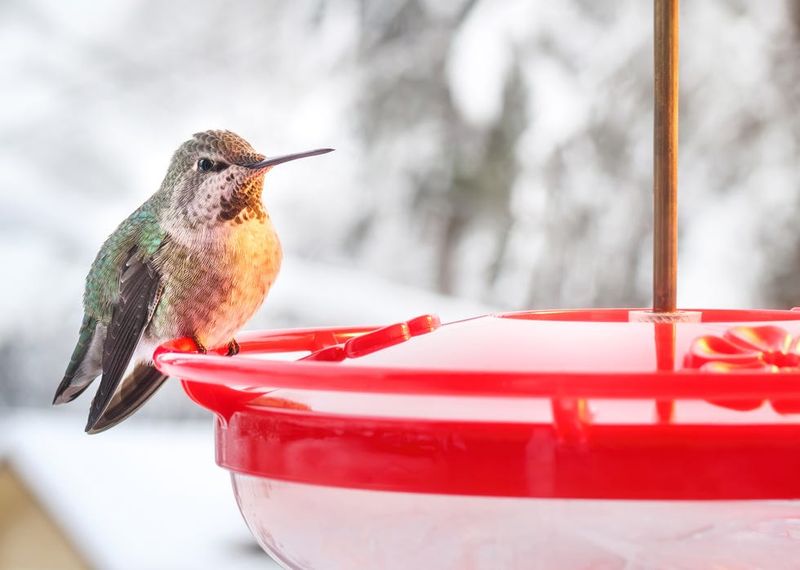
A hummingbird zipping up to your feeder in October can leave you wondering if you should pack the feeder away or keep it filled. Many gardeners worry that leaving it out might hold a bird back from its trip south, or that taking it down could leave a tired traveler hungry.
The good news is that the guidance is clear and easy to follow. Here is how to decide what to do, one step at a time.
A late sighting does not identify a bird’s destination
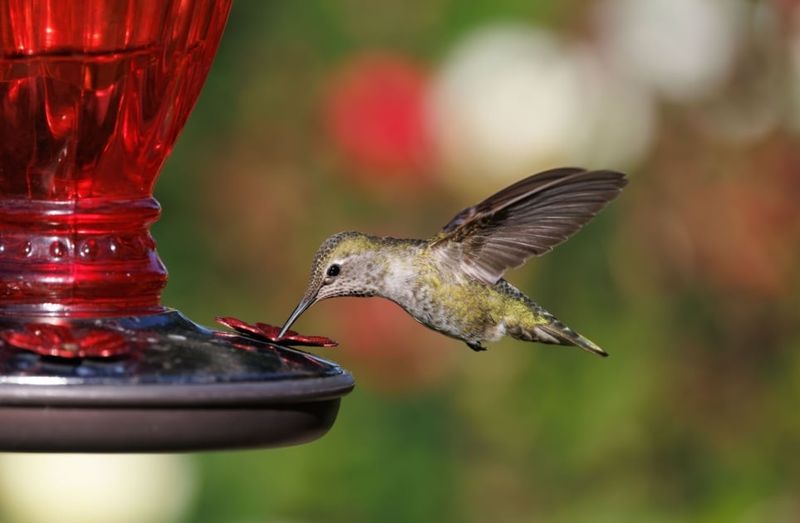
Seeing a hummingbird in fall is a nice surprise, and it is natural to think the bird is on its way south. That is one good explanation.
But a single bird at your feeder cannot tell you where it is headed.
Depending on your species and location, a late visitor could be a migrant passing through, a resident, or an out-of-range bird that stays into winter. Some regions have hummingbirds year-round, and Alabama Cooperative Extension guidance describes migration as a journey with many individual variations.
Species, region, and each bird’s own history all play a part.
So think of the sighting as a clue, not an answer. You do not have to identify the bird to make a sound decision about your feeder.
The practical advice holds up either way. If hummingbirds are still visiting, a clean feeder with fresh nectar is a useful extra food source for them.
Audubon’s hummingbird feeding FAQ also says feeders do not keep normal migrants from leaving.
That means you can skip the guessing game. Watch for visits, keep the feeder tidy, and let the birds decide when they are done.
If you are curious, a quick look at a field guide or a local bird club can help you work out which species is stopping by.
Migration timing depends on species and place
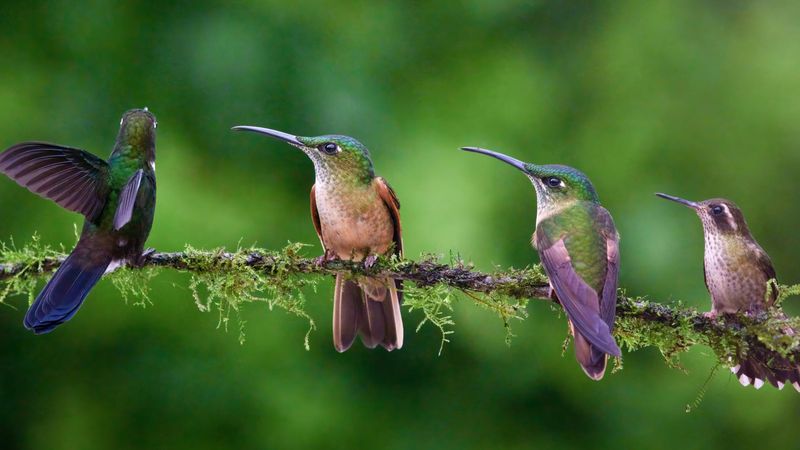
No single date tells every gardener when to take a feeder down. Hummingbirds in Maine, Texas, and Oregon do not share one timetable.
Here is one local example. In a study of Ruby-throated Hummingbirds at a Gulf Coast stopover in Alabama, birds passed through from August 26 to October 27, with a mean date of September 25.
Those are findings from that one study, not a calendar for the whole country.
Even within a single place, birds move on different schedules. Day length is an important cue for migration, but it is not the only factor, and individual birds do not all follow an identical plan.
Some leave early, and others linger.
That is why a fixed calendar date makes a poor feeder rule. Your neighbor two states away may see their last bird weeks before yours shows up.
A better approach is to watch your own yard. Cornell Lab of Ornithology guidance notes that migration is driven by internal cues and conditions, not by whether a feeder is out.
Jot down the date you spot your last visitor each year, and over time you will build a record that fits your own backyard.
A feeder can supplement a migrant without holding it back
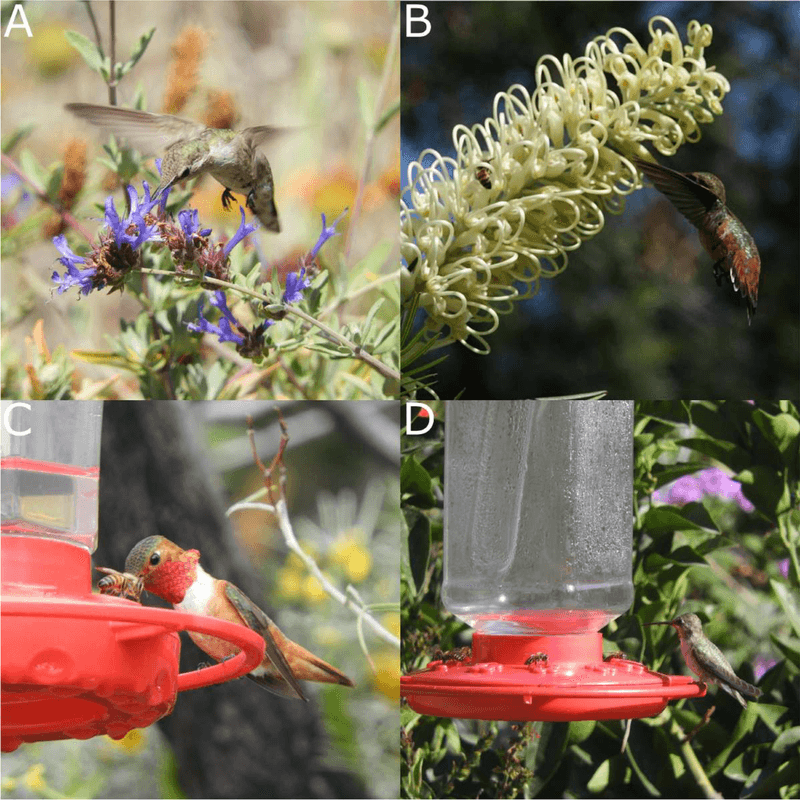
Here is the reassuring part. Hummingbirds can refuel at stopover sites, and feeder nectar can add to the natural foods they find along the way.
Nectar is only part of the menu. Hummingbirds also eat insects and spiders, which supply things sugar water does not.
A feeder is a bonus, not a full meal plan, as Cornell’s feeding guide explains in describing how feeders fit alongside flowers and insects.
What about the worry that a feeder keeps birds from leaving? Cornell Lab of Ornithology says feeding does not appear to delay normal migration.
Birds leave when their own internal cues tell them to.
Late migrants may use feeders as one source of energy during the trip. Still, no one can say that a particular bird at your feeder depends on it.
Alabama Cooperative Extension treats feeders as one helpful resource among several.
So the takeaway is simple and calm. Your feeder is a small, useful extra, and leaving it up while birds visit is not something to feel guilty about.
Keep the feeder available while visits continue
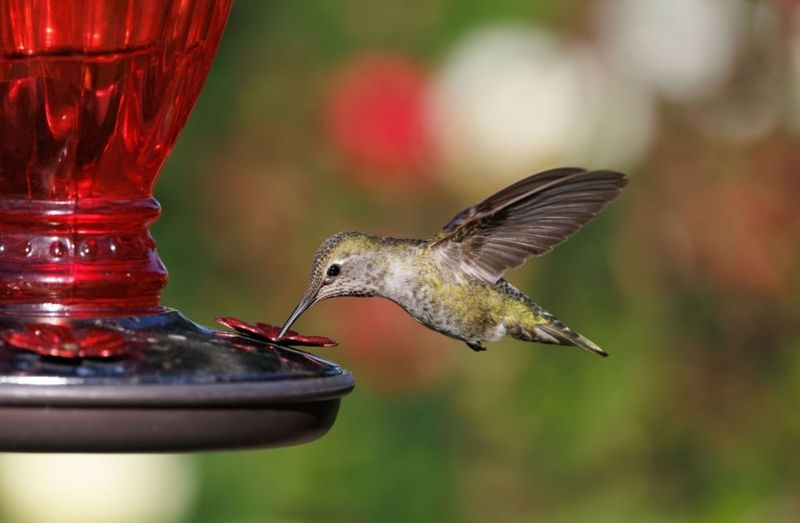
Here is the decision in plain terms. Keep a clean, working feeder available as long as hummingbirds are visiting.
Then use about two weeks after the last visit as a rule of thumb. It is a practical guide, not an exact biological cutoff.
Some guidance suggests leaving it up for several weeks, and Cornell Lab of Ornithology leans toward the longer end.
Why wait at all? A bird you never noticed might pass through on a quiet day, and late travelers sometimes show up well after the main wave.
Waiting costs you very little.
Leaving the feeder up will not trap a normal migrant. Audubon says birds head out on their own schedule regardless of feeders, and taking one down does not force a bird to leave.
Local conditions matter, too. In places where hummingbirds stay all year, you may keep feeding through winter, and Alabama Cooperative Extension notes that some winter visitors are possible in parts of the South.
Check with your local extension office or bird club if you are unsure what is normal near you.
Make the nectar correctly and keep it fresh
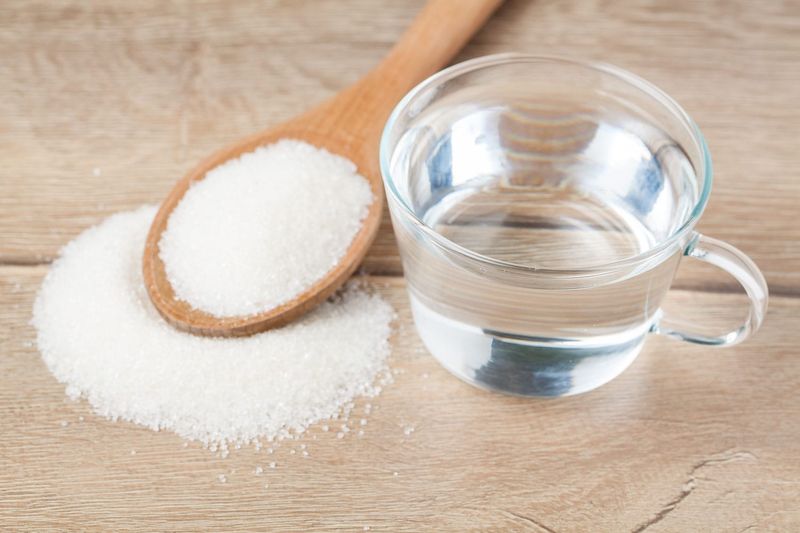
The recipe is short. Mix one part refined white sugar with four parts water, and stir until the sugar dissolves.
Leave out the red dye, honey, artificial sweeteners, and any other additives. Cornell’s feeding guidance recommends the plain sugar and water mix, and the feeder’s own colors are enough to attract birds.
Sugar water spoils, so freshness matters. Cornell advises leaving nectar in the feeder no more than two or three days, and changing it more often in very hot weather.
Audubon’s advice is similar, ranging from every day or two when it is hot to about twice a week in cooler weather, as laid out in its hummingbird-friendly yard guide.
If the nectar looks cloudy or you see mold, toss it right away. Then scrub the feeder, rinse it well, and refill with a fresh batch.
Late in the season, you might be tempted to leave the same nectar sitting because only a bird or two stops by. Fewer visits do not make spoiled nectar safe.
A small amount in the feeder, changed on schedule, keeps things simple and wastes less sugar.
Freezing weather changes the feeder routine
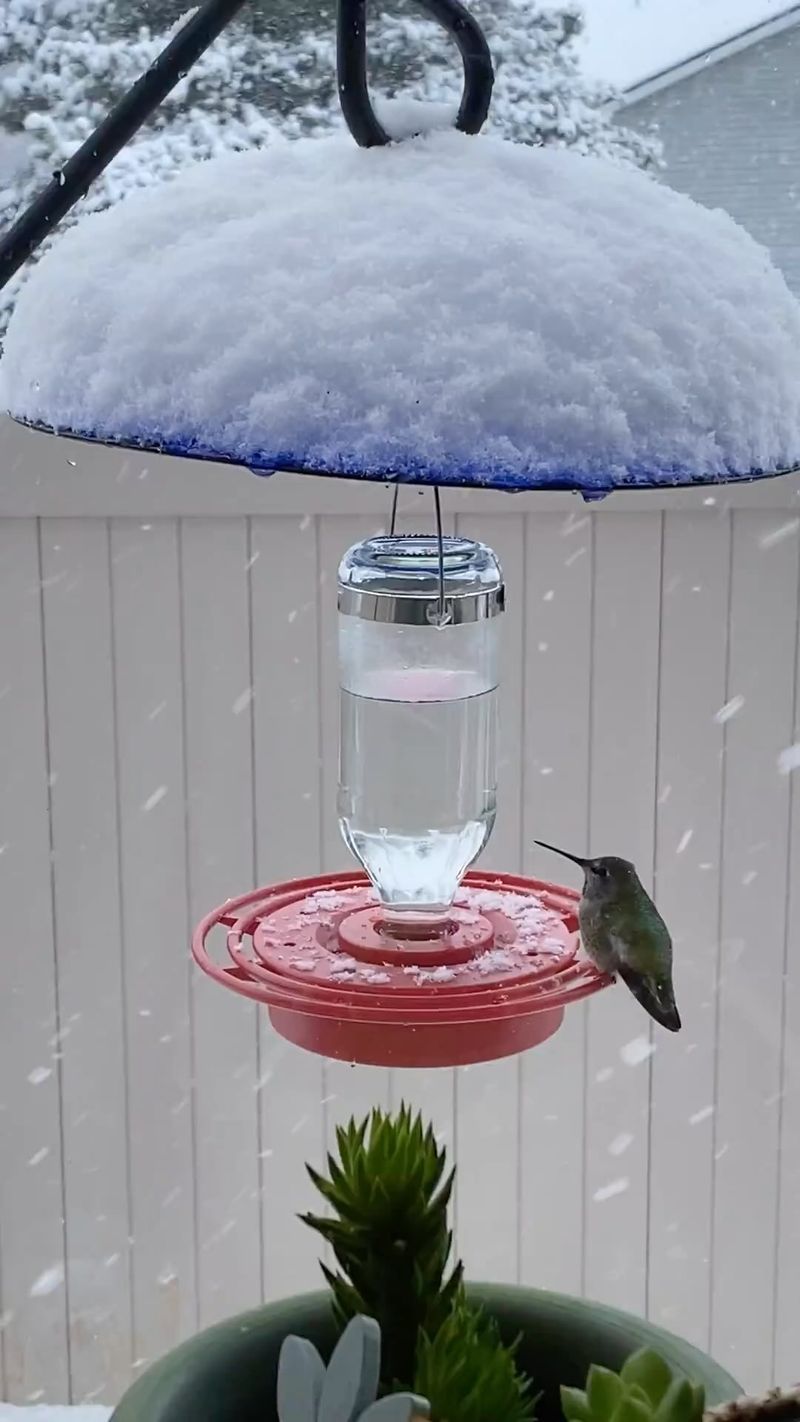
Some hummingbirds keep visiting as nights turn cold. If yours do, the main goal is to keep the feeder reachable and the nectar from freezing.
Frozen nectar is no help to a bird. Oregon State University Extension advises bringing the feeder indoors overnight in frigid temperatures, then putting it back out in the morning.
A simple routine works well. Take the feeder in at dusk, hang it out again at first light, and check that the ports are open and the nectar is liquid.
Keep it in a spot the birds already know.
Do not change the recipe to fight the cold. Stick with one part white sugar to four parts water, with nothing added, since extra sugar or other ingredients are not recommended.
You may read that cold nectar can harm hummingbirds. Audubon’s own materials do not agree on this, with one FAQ treating it as a minor concern.
So the safe focus is on unfrozen, fresh nectar. The same cleaning rules from Cornell’s feeding guide still apply, even in cold weather.
A feeder is only one part of hummingbird habitat
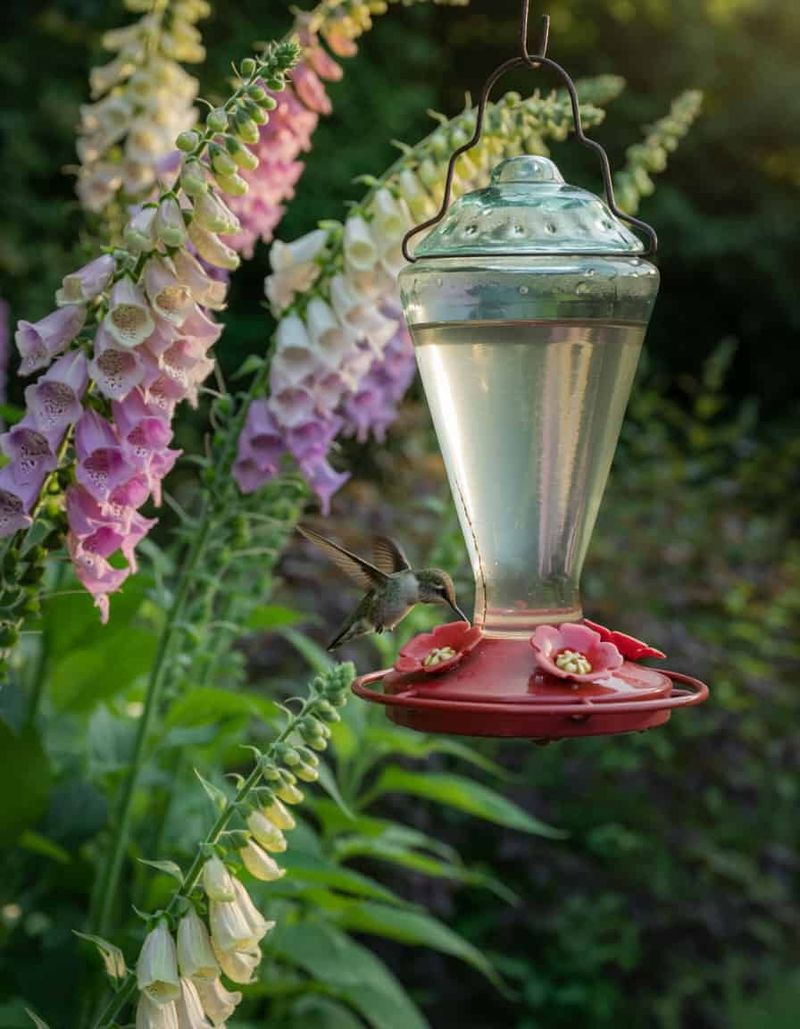
Hummingbirds get food from more places than a feeder. Nectar-bearing plants and small insects and spiders are a big part of what they eat, and a feeder only adds to that supply, as Alabama Cooperative Extension points out.
Planting tubular flowers such as salvia or trumpet vine, and skipping heavy pesticide use, helps keep the natural menu full. Cornell’s feeding advice pairs feeders with a garden for this reason.
The short version: keep a clean feeder out while birds visit, leave it up for about two weeks after the last one, and keep it from freezing if you feed into cold weather.
A garden that feeds hummingbirds all year is the real welcome mat.