
The Storage Mistakes That Turn North Carolina Garden Carrots Limp And Bitter Long Before Spring
You pulled a beautiful row of carrots from your backyard bed, and a few weeks later they bend like rubber and taste like soap. That letdown usually has nothing to do with your growing skills and everything to do with how the roots were stored.
In North Carolina, our mild, damp winters and warm fall spells make storage trickier than most garden books admit. Fix these ten common mistakes and your harvest can stay sweet and snappy well into March.
1. Leaving the Green Tops Attached
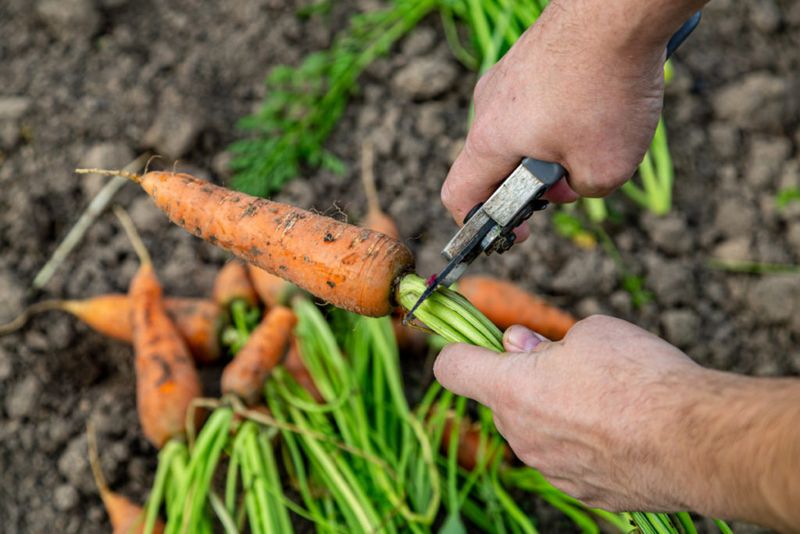
Those feathery tops look great in a harvest basket photo, but they are quietly working against you. Leafy greens keep pulling water out of the root long after the carrot leaves the soil.
Within days, a crisp carrot can start going soft at the tip.
Trim the tops right away, leaving about half an inch of stem. A clean cut with garden shears works better than twisting, which can tear the shoulder of the root and invite rot.
Here is the steward bonus: don’t toss those greens in the trash. Add them to your compost pile, where they feed the soil life that helps your whole yard thrive.
Black swallowtail caterpillars also love carrot-family leaves, so a few spare tops left near the garden edge may help these native butterflies.
2. Scrubbing Carrots Clean Before Storing
Grandma had a habit that drove tidy cooks crazy. She stored her carrots with dirt still on them, and they lasted for months.
She was onto something. Scrubbing strips away a thin protective layer on the skin and leaves water behind, which opens the door to mold and slime.
Our sticky Piedmont red clay can feel too messy to leave on, but it actually does no harm.
If roots come up caked in mud after a rainy week, let them air dry in a shady spot for a few hours. Then gently brush off the loose soil with your hands or a soft brush.
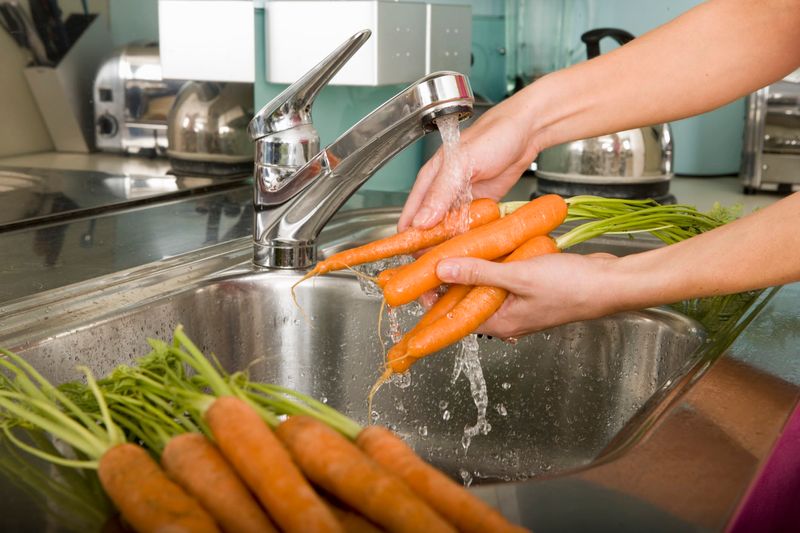
Save the real washing for the day you cook them.
3. Tossing Them Loose in the Crisper Drawer
Bend a stored carrot into a U-shape without it snapping, and you have found the classic sign of dry storage. Refrigerators are built to pull moisture out of the air, and loose carrots pay the price.
Carrots want humidity of 90 to 100 percent, which is far wetter than an open drawer offers. Without that moisture, cells shrink and the texture turns rubbery in a week or two.
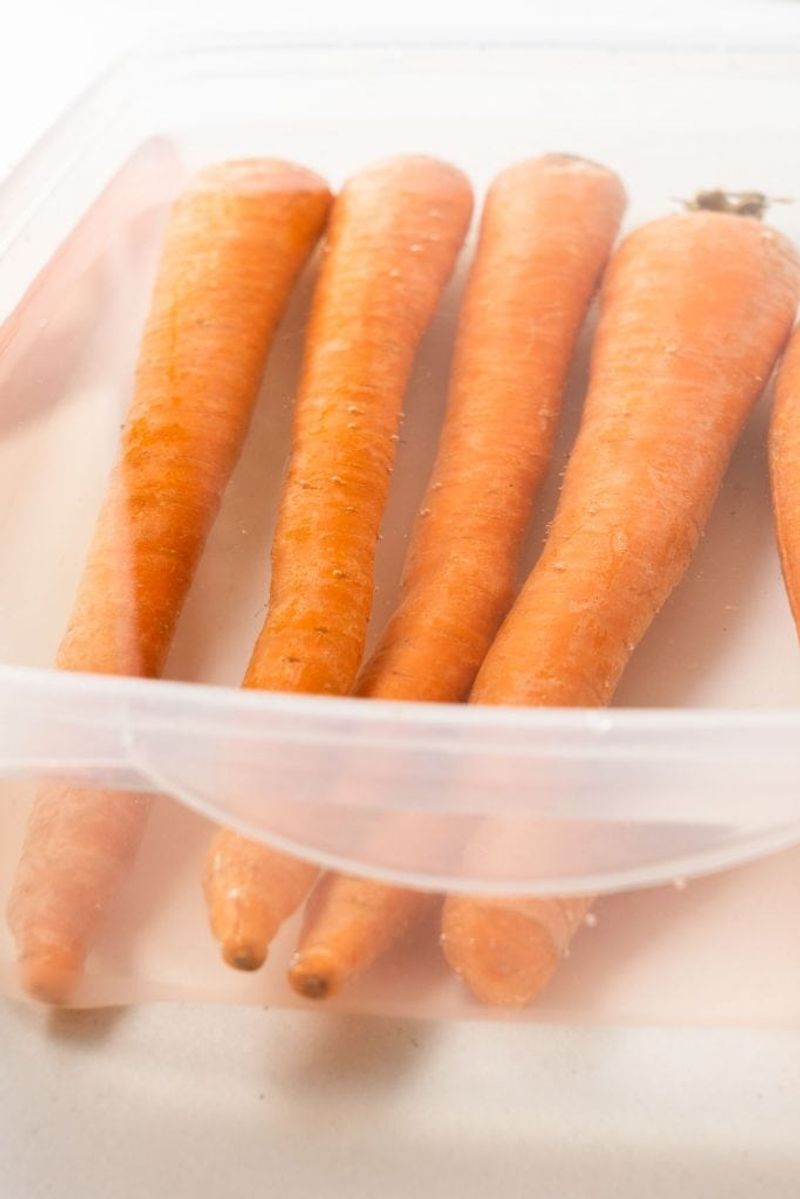
Seal your trimmed carrots in a zip-top bag or airtight container. Push out most of the air before closing it up.
That simple bag can be the difference between a carrot that lasts ten days and one that lasts ten weeks.
4. Sealing Them Up Soaking Wet
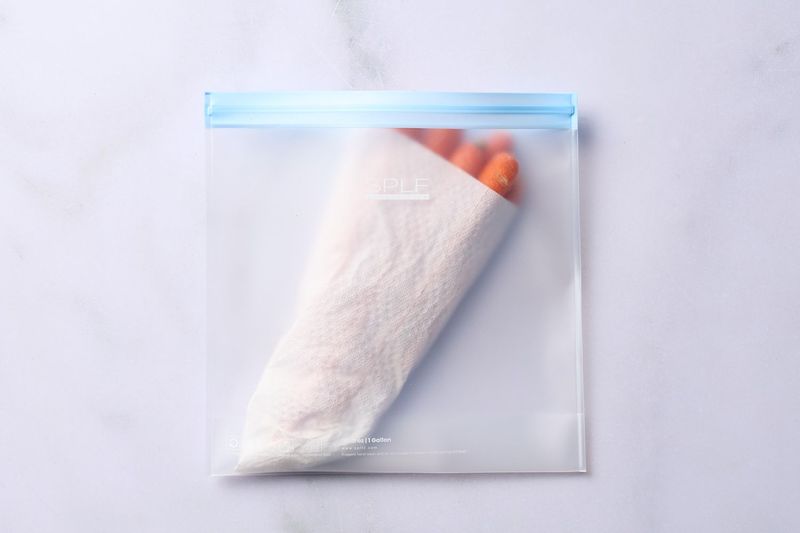
Too dry is a problem, but too wet is its own trap. Plenty of gardeners rinse their carrots, drop them straight into a bag, and find a slimy, moldy mess two weeks later.
Water pooling in the bottom of a bag is an open invitation to bacteria. The fix is cheap and easy.
Tuck a clean, dry paper towel into the bag to soak up extra drops while still keeping the air humid.
Some growers also poke a few tiny holes in the bag so a little moisture can escape. Check the towel every week or so and swap it out if it feels soggy.
Balance is the goal here, not a swamp.
5. Storing Carrots Next to Apples
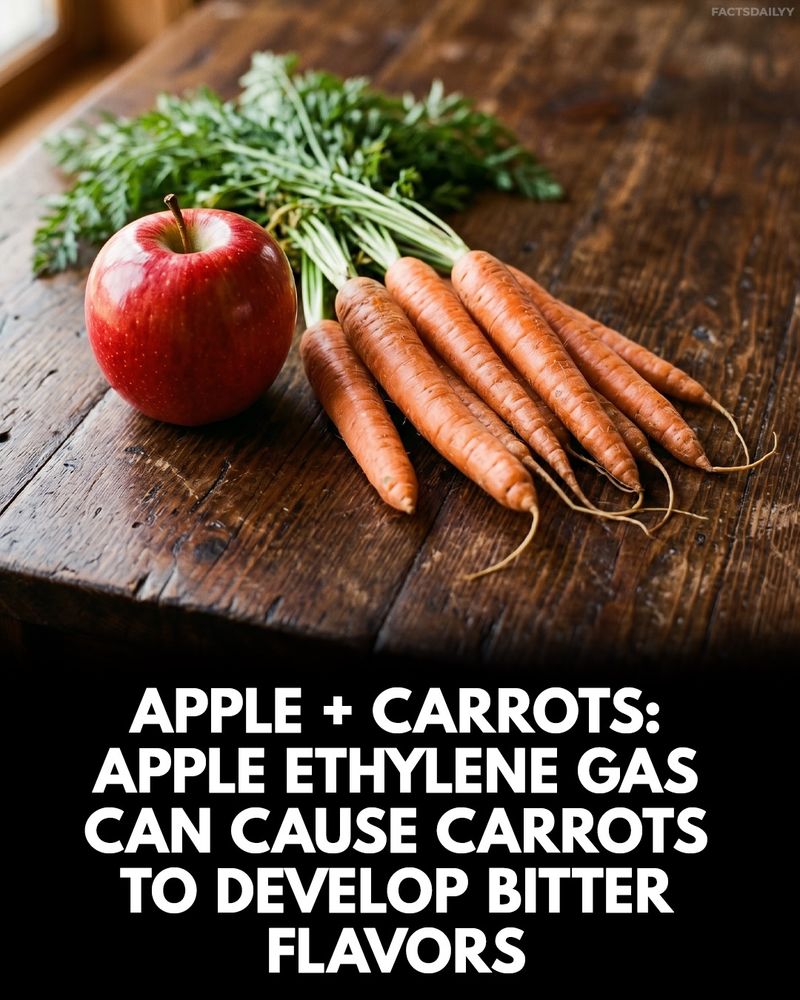
Fun fact: a single apple in your fridge can make your carrots taste like soap. It sounds like a kitchen myth, but the science is solid.
Apples, bananas, pears, avocados, tomatoes, and peppers release ethylene, a natural ripening gas. Carrots react to it by making extra terpenoids, the compounds behind that harsh, bitter bite.
A carrot that was sweet in October can turn unpleasant by December.
Give your carrots their own drawer, far from the fruit. If your fridge only has one crisper, move the apples to a separate shelf or a cool porch.
This is especially worth doing during fall, when many NC families bring home bushels of mountain apples from Hendersonville orchards.
6. Trusting a Warm Garage or Shed
Mountain gardeners in Boone might get away with garage storage. Folks in Raleigh or Wilmington usually cannot.
Carrots keep best between 32 and 40 degrees. North Carolina winters swing wildly, and a garage can climb into the 60s during a sunny January week.
Warm air wakes the roots up, which can make them sprout, soften, and lose sweetness.
Hang a cheap thermometer in any space you plan to use and watch it for a week. If the reading regularly drifts above 40, move your carrots into the fridge instead.
A steady chill matters more than a big storage space.
7. Skipping the Sand Box for a Big Harvest
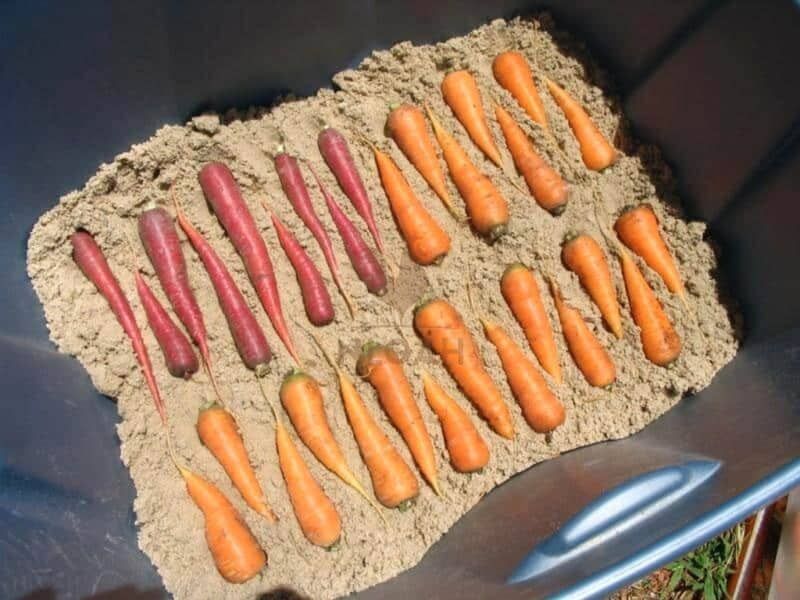
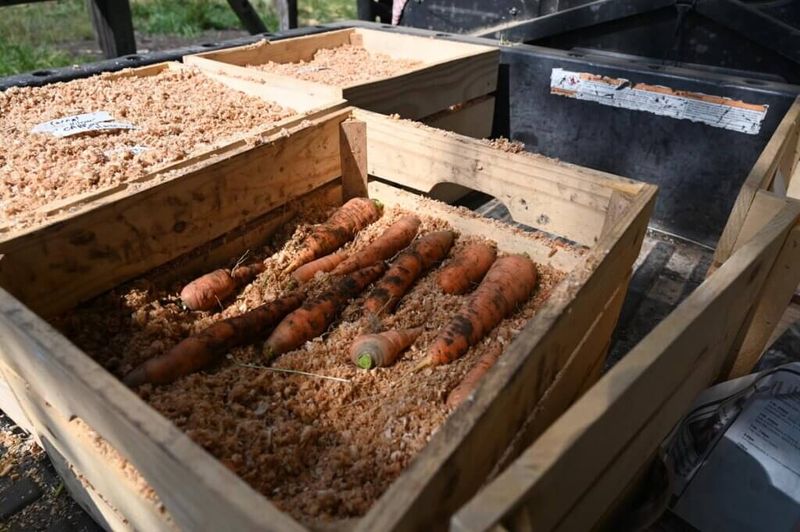
When a fall sowing really pays off, your fridge fills up fast. That is when an old root cellar trick earns its keep.
Layer unwashed, trimmed carrots in a crate or bucket of slightly damp sand or sawdust. Keep them from touching each other, then set the container somewhere cool and dark, like a crawl space or unheated basement.
Stored this way, carrots can stay firm for several months.
Check the sand now and then and mist it lightly if it dries out. Use builders sand rather than beach sand, which may carry salt.
Keep the lid snug, too, so curious mice or voles don’t treat your stash as a winter buffet.
8. Packing Damaged Roots With Good Ones
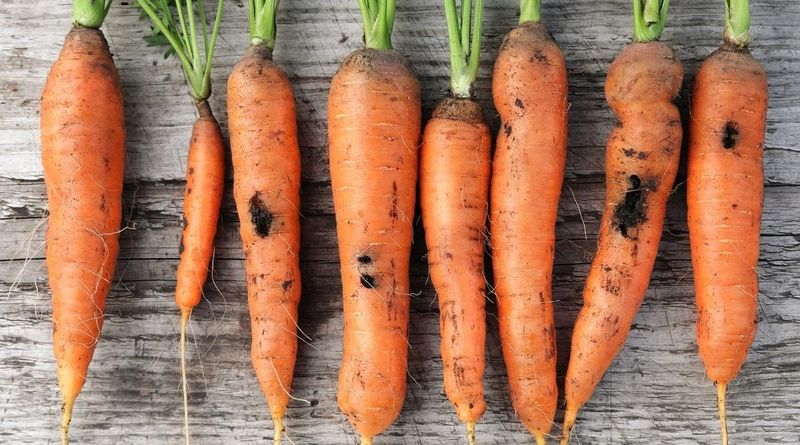
One bad apple spoils the bunch, and the same rule holds for carrots. A forked root with a shovel nick or a split from heavy rain can start rotting quickly, and decay spreads fast to neighbors in a closed bag or crate.
Sort your harvest before anything goes into storage. Set aside cracked, bruised, or bug-chewed roots and eat those first, in soups or roasted with dinner that week.
Only perfect, firm carrots should go into long-term storage. Careful digging helps too.
Loosen the soil with a garden fork a few inches away from the row before pulling, which protects the roots and disturbs fewer earthworms in your beds.
9. Harvesting Too Early or After Stress
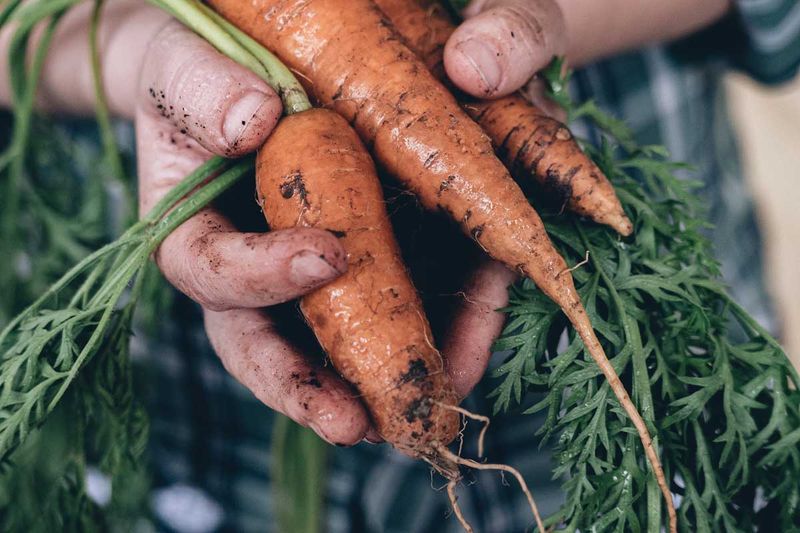
Sometimes bitterness starts in the garden, not the fridge. Carrots pulled too young or grown through drought and heat often carry a sharp flavor that storage only makes worse.
Our long, hot Septembers can stress fall carrots before the cool weather arrives. Steady watering and a layer of shredded leaf mulch help keep soil moist and roots calm.
That mulch also gives ground beetles and other helpful critters a cozy place to live.
Patience pays off. Wait until roots reach full size, and if you can, let a few light frosts touch the bed first.
Cold weather nudges carrots to store more sugar, giving you a sweeter crop that holds up better through winter.
10. Throwing Out Limp Carrots Too Soon
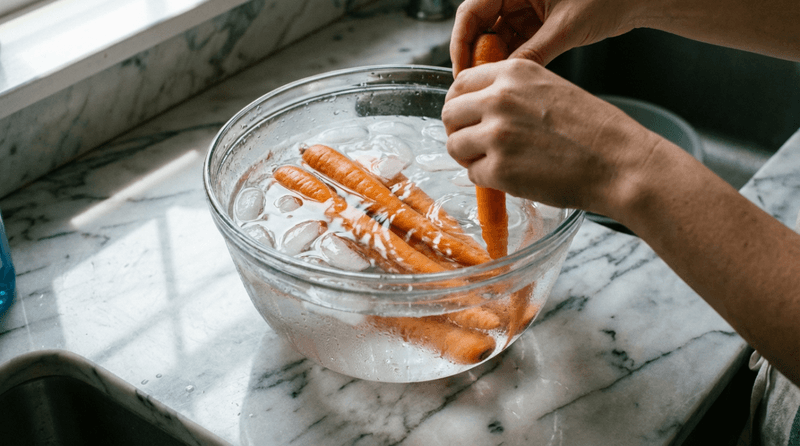
Before you toss a floppy carrot into the compost, give it a second chance. Many limp carrots are just thirsty, not ruined.
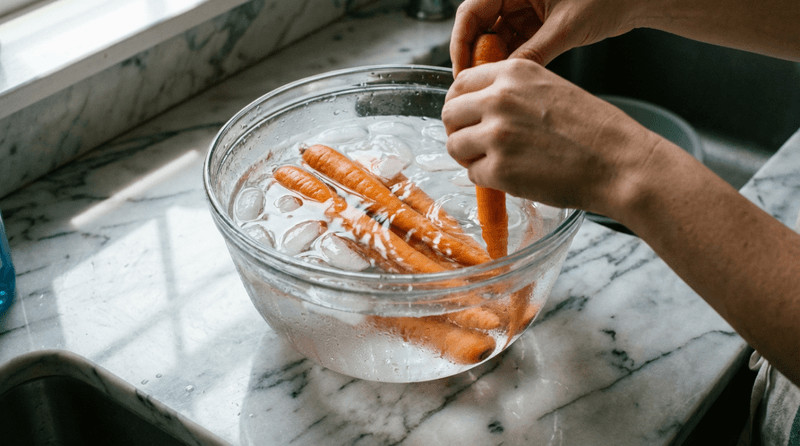
Fill a bowl with ice-cold water and drop the carrots in for a few hours. The cells soak up water again and much of the snap comes back.
Cutting a thin slice off the end first can help them drink faster.
This rescue trick will not fix bitterness or rot, so check for slime or a soapy taste. If a carrot is truly past saving, return it to your compost bin.
Feeding that pile builds the rich soil next year’s carrots, and the wildlife in your NC yard, will thank you for.