
Moles Tearing Up Your Lawn Hate These Smells – Here’s Exactly Where To Put Each One

You step outside with your coffee and spot fresh dirt mounds and squishy ridges running across the grass you worked so hard on. Moles are the culprits, and they can wreck a lawn in just a few nights while hunting for grubs and worms.
The good news is that moles have a very sensitive nose, and certain strong smells may help push them somewhere else without hurting them. The trick is knowing exactly where each scent goes, so here is a simple placement guide for seven of the best options.
1. Castor Oil
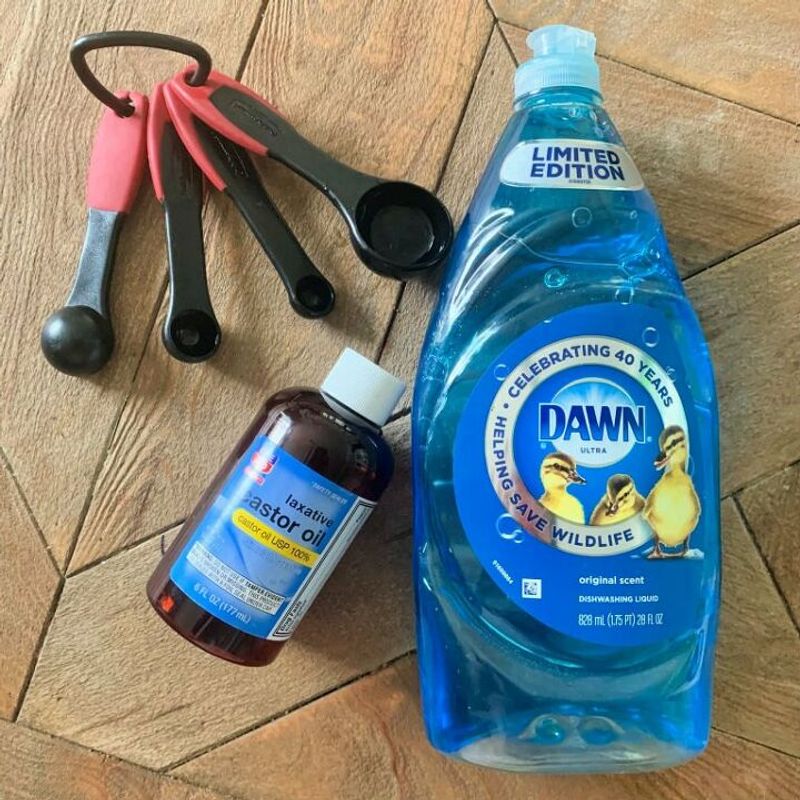
Ask almost any longtime lawn keeper what finally sent their moles packing, and castor oil tops the list. Unlike most scents here, it does double duty.
It can upset a mole’s stomach and make the grubs and worms in your soil taste awful.
Mix three parts castor oil with one part dish soap, then add four tablespoons of that blend to a gallon of water. Another popular recipe uses 6 ounces of unrefined castor oil and 2 tablespoons of liquid detergent per gallon.
A hose-end sprayer makes the job quick.
Where to put it: Soak the tunnels, the entrance holes, and the grass around them. For the best shot at success, spray the whole area you want to protect, not just one corner.
Moles simply move next door to an untreated patch.
Apply when the soil is a little damp, then water in with about an inch of water so the mix reaches the depth where moles feed. Reapply weekly and after heavy rain, since moisture breaks it down over time.
2. Garlic
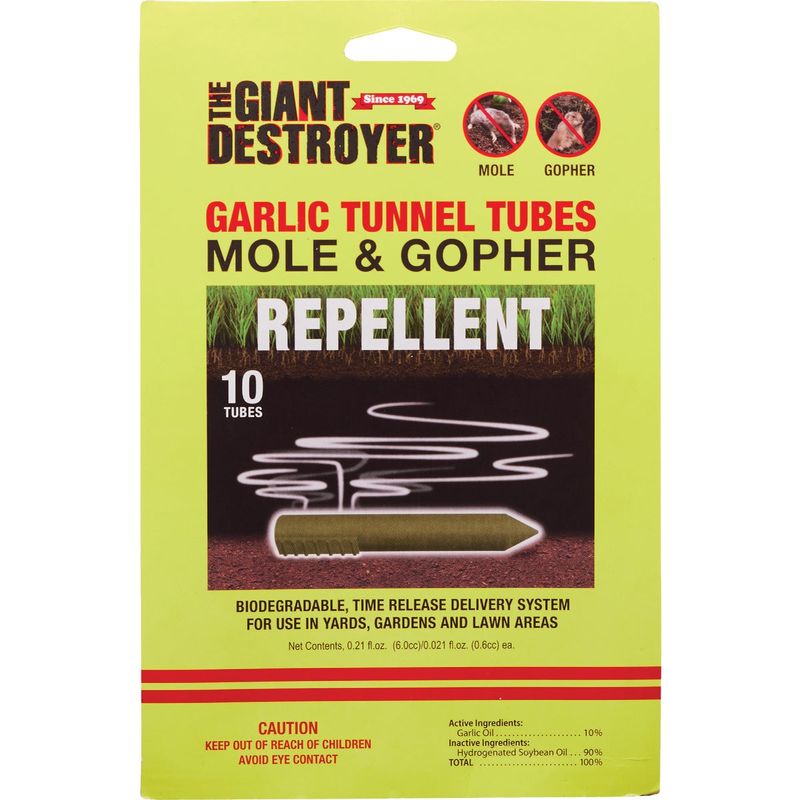
Vampires are not the only ones who run from garlic. Moles find that sharp, sulfur-heavy odor downright offensive, and their noses are far stronger than ours.
Where to put it: Crush fresh bulbs and push the pieces straight into the entrance of each mole hole and active tunnel. Prefer a spray?
Stir garlic powder into water and soak the soil and tunnel openings. Concentrated garlic oil products work the same way.
Consistency matters more than quantity. Refresh the garlic daily until you stop seeing new mounds.
After that, a top-up every couple of weeks may help keep moles from wandering back.
3. Coffee Grounds
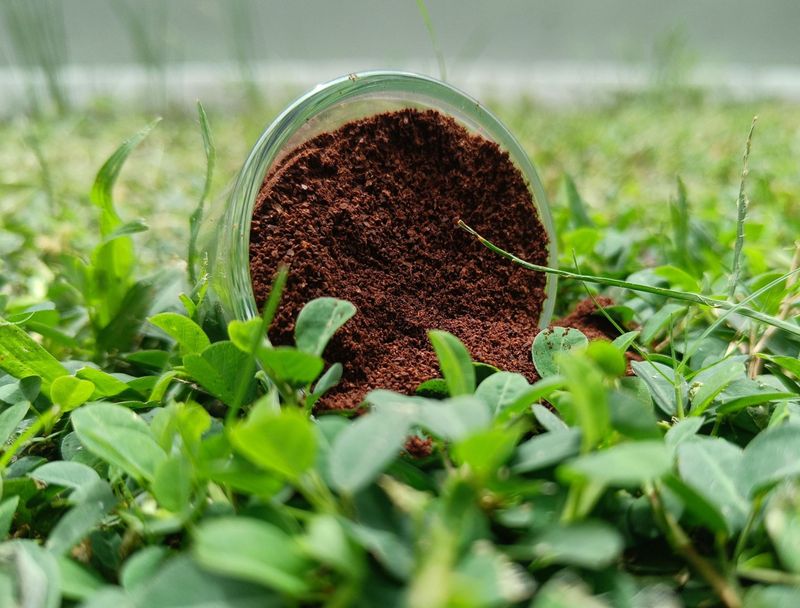
Your morning brew leaves behind one of the cheapest mole tricks around. Instead of tossing those wet grounds, put them to work in the yard.
Where to put it: Sprinkle used or fresh grounds generously around active holes and along any stretch of lawn or garden bed where you see raised runs. A thick ring around a fresh mound is a good start.
You can also work a little into flower beds bordering the grass.
The bonus here is that grounds add organic matter as they break down. The catch is that the smell fades fast, especially after rain.
Keep a container by the coffee maker and scatter a fresh batch every few days.
4. Cayenne Pepper

Hot, harsh, and impossible to ignore. Cayenne irritates a mole’s sensitive snout the same way it makes your eyes water when you open the jar too fast.
Where to put it: Pour the powder directly down the entrance of each mole hole. For wider coverage, mix chili, cayenne, or jalapeno powder with water and spray it over the soil and tunnel openings.
Wear gloves and keep your face back, especially on a breezy day. Repeat daily until new activity stops.
If pets or kids dig in that spot, consider a different option from this list.
5. Peppermint and Eucalyptus Oils

Fun fact: a mole’s star-shaped relatives, and moles themselves, rely on smell and touch far more than sight. That makes potent oils like peppermint and eucalyptus feel like a wall of noise underground.
Where to put it: You have two choices. Mix a few drops into a spray bottle of water and mist the affected lawn liberally.
Or soak cotton balls in the oil and tuck them right inside the tunnels, then lightly cover the opening.
The cotton ball method keeps the scent concentrated where moles actually travel. It smells nice to you, too, which is a rare perk in mole control.
6. Daffodils and Alliums

Want a fix you plant once and enjoy for years? A living scent barrier works quietly in the background while also looking lovely.
Daffodils and members of the allium family, which includes ornamental onions and garlic, give off odors moles tend to avoid. Castor bean plants are sometimes recommended too, but every part is highly toxic, so skip them if children or pets play nearby.
Where to put it: Plant these along the edges of your lawn and garden beds, forming a border. Fall is the time to tuck bulbs in for spring blooms.
Think of them as a slow, steady supplement to the faster sprays above.
7. Citrus Peels, Fish Scraps, and Pickle Juice

Grandma’s kitchen scraps might be the strangest weapons on this list, but folks swear by them. Each one brings a sharp, unusual smell into the tunnels.
Citrus peels: Push lemon, orange, or grapefruit peels into the mole mounds. They break down and feed the soil as a bonus.
Fish scraps: Bury them in active tunnels for a strong odor, but expect cats and raccoons to come digging.
Pickle juice: Pour it into the holes or stuff in a rag soaked with it. Keep in mind that all of these may help, yet none are permanent.
Rotate scents, reapply often, and you can make your yard far less welcoming to moles.