
The North Carolina Native Trees Worth A Fall Drive Just To See Their Colors Before You Plant One
A tree tag at the nursery can tell you a leaf turns red, but it cannot show you what that red looks like on a cool October morning in the Piedmont. That is why a fall drive is the smartest research trip a North Carolina gardener can take.
Seeing a native tree in full color, on a back road or at an arboretum, tells you its true size, shade, and personality before it ever lands in your yard. Pick the right one, and you get a showstopper that also feeds songbirds, caterpillars, and pollinators for decades.
1. Blackgum
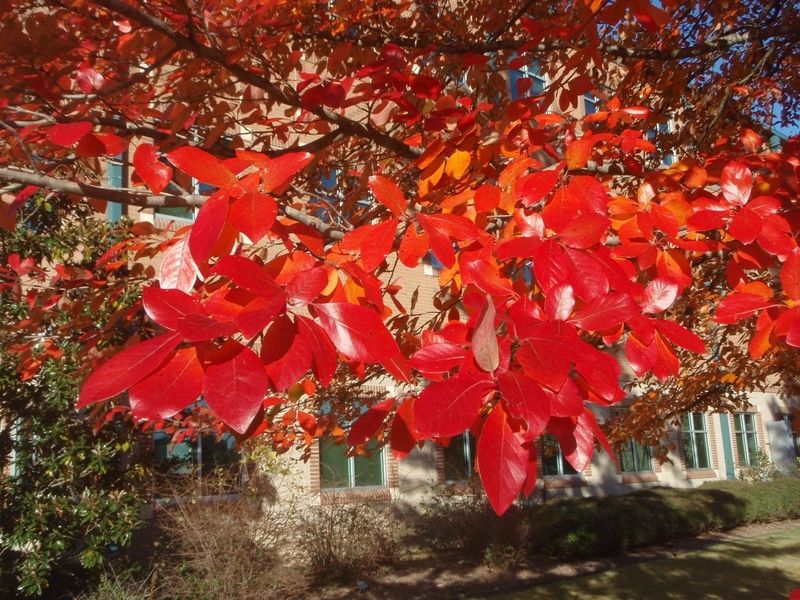
Blackgum is the tree that rings the opening bell for autumn. Some years its glossy leaves start flashing scarlet in late August, while every maple nearby is still green.
Once it gets going, the color deepens to wine and purple that almost glows.
The show is worth a drive because blackgum varies so much from tree to tree. One may be pure fire-engine red, another a mix of orange and plum.
Spotting a few in the wild helps you decide which look you want before buying.
Wildlife adores it too. Its small blue-black fruits fuel migrating thrushes and other songbirds in fall, and its spring flowers feed the bees behind tupelo honey.
Expect 30 to 50 feet in a yard, and pick the spot carefully, since a long taproot makes it hard to move later.
2. Red Maple
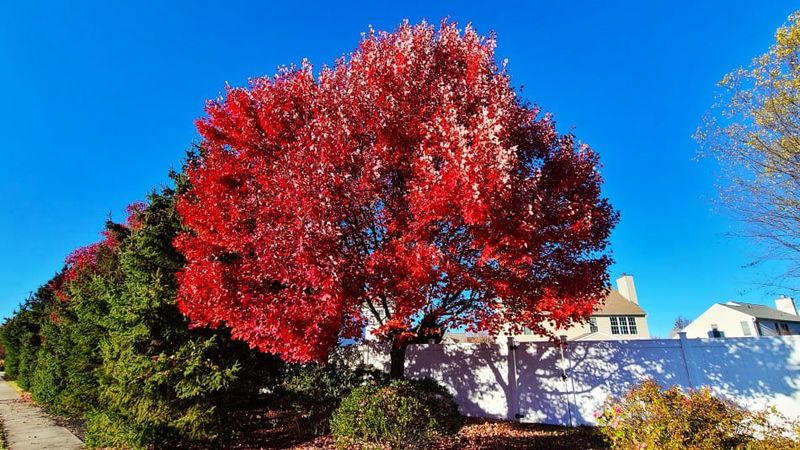
Ask a dozen North Carolinians to picture fall, and most will see a red maple. Drive the Blue Ridge Parkway or any swampy Coastal Plain road in October and you will see why.
Crowns glow red, orange, or buttery yellow, sometimes all three on one street.
That range is exactly why you should look first. Seedling red maples are unpredictable, so if you fall for a deep crimson tree, ask your nursery about local named selections known for reliable red.
Beyond looks, red maple is a hard worker. It blooms in late winter, giving native bees some of the earliest food of the year, and it hosts hundreds of moth and butterfly caterpillars that baby birds depend on.
It tolerates wet soil well, which makes it a fine fit for soggy corners. Give it room though, since it can reach 40 to 70 feet with a wide canopy.
3. Flowering Dogwood
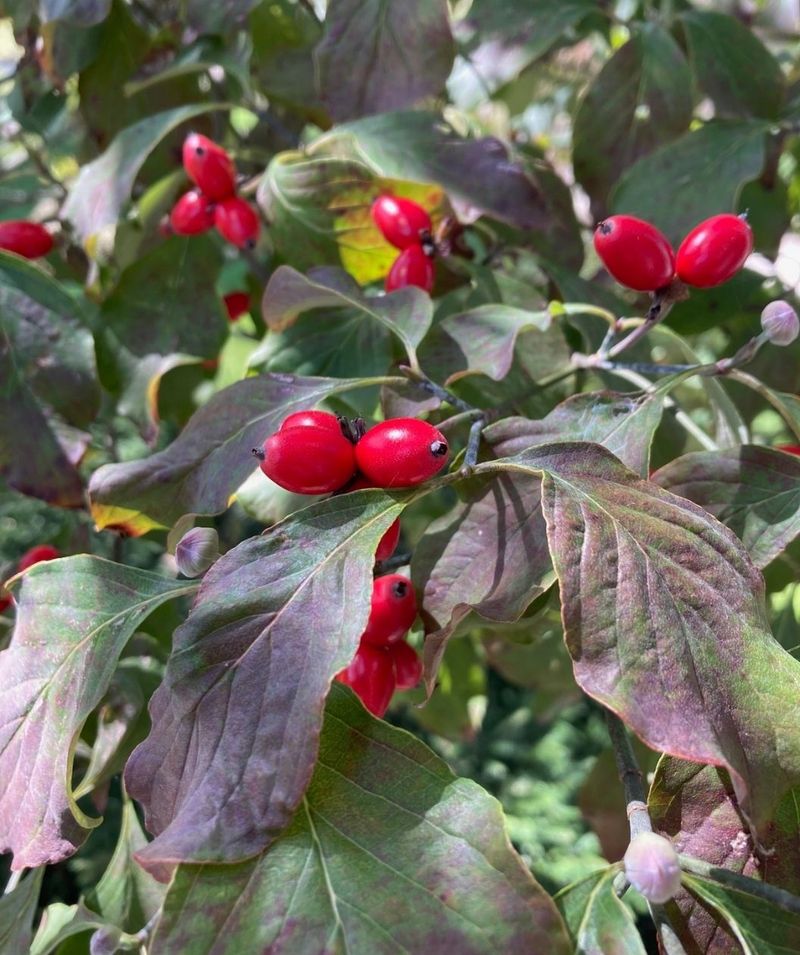
North Carolina chose it as the state flower for a reason, but the dogwood’s fall act might be even better than spring. Leaves shift to a rich burgundy, and clusters of shiny red berries pop against them like holiday ornaments.
Watch closely on your drive and you will notice birds working those berries. Robins, bluebirds, cedar waxwings, and migrating thrushes rely on that fat-rich fruit to fuel long trips south.
Turkeys, foxes, and even black bears join in.
Dogwoods are understory trees, happiest with some afternoon shade near taller trees. Seeing them tucked along a woodland edge shows you just how to place one at home.
Their modest size also makes them friendly near a house or patio.
4. Sourwood
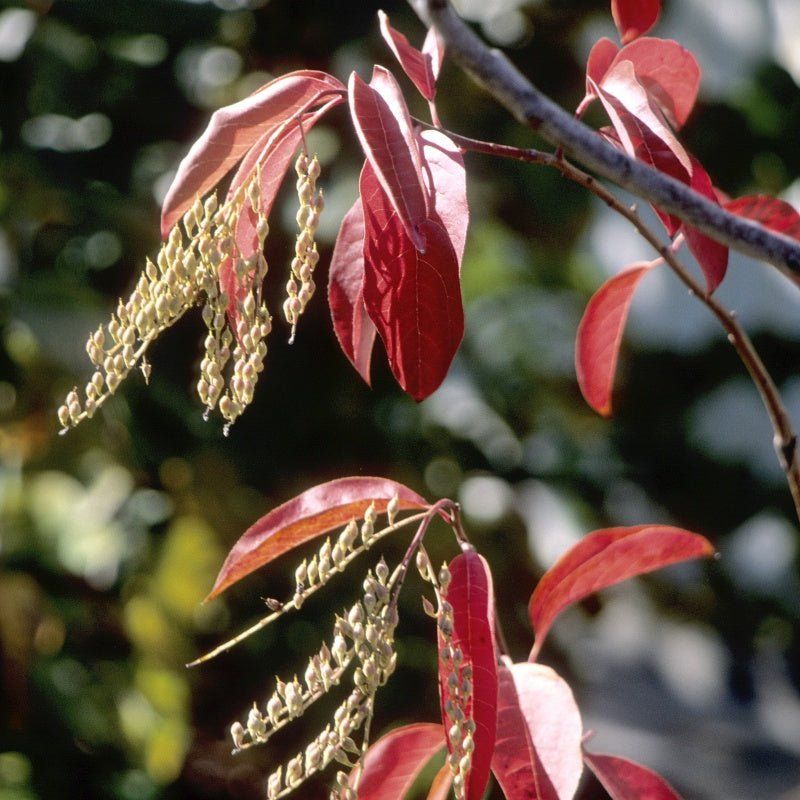
Mountain beekeepers will tell you sourwood honey is liquid gold, and roadside stands from Boone to Asheville sell it proudly. The tree behind that honey also happens to turn some of the most electric scarlet in the state.
Color arrives early, often in September, and the leaves hang alongside creamy sprays of seed capsules that look like lace. On a sunny ridge, the effect is striking enough to stop traffic.
Here is the lesson from a fall drive: the most vivid sourwoods grow in full sun with well-drained, acidic soil. Shaded trees look thin and dull by comparison.
At around 25 feet in home landscapes, sourwood fits nicely in a sunny bed, and its summer blooms keep bees busy.
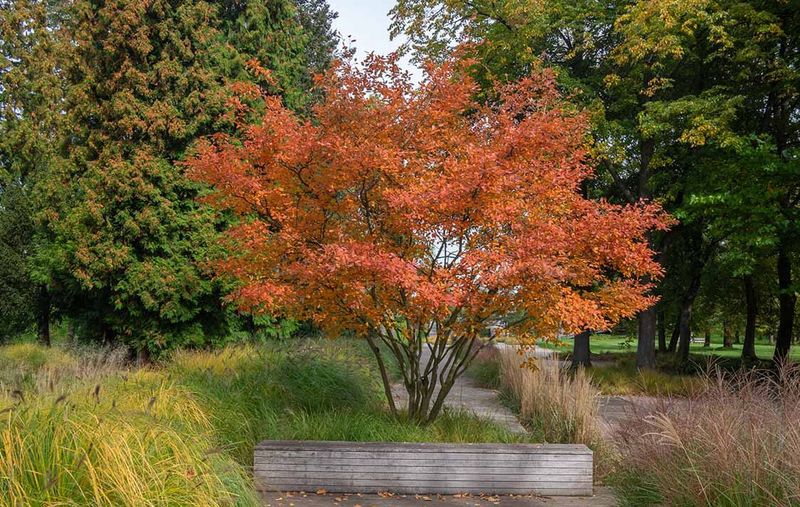
5. Serviceberry
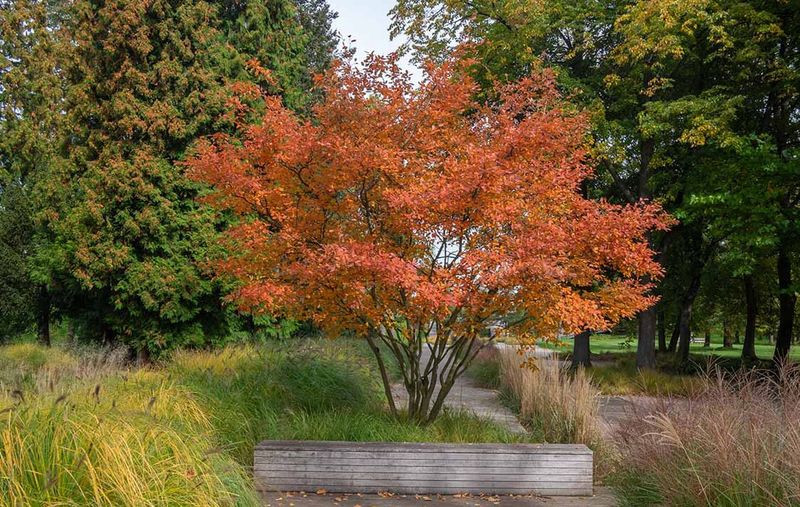
Few trees pull off four seasons of interest as well as serviceberry. White blossoms in early spring, sweet berries in June, then a fall finale of orange, apricot, and red.
Ever raced the catbirds to a ripe serviceberry? You will lose.
Birds strip these blueberry-like fruits fast, and that is part of the fun. The tree also hosts around 120 kinds of moth and butterfly caterpillars, a buffet for nesting songbirds.
On a fall outing, look for both single-trunk and multi-stemmed forms, since the shape changes how it fits your yard. Topping out near 15 feet, it suits small lots and foundation beds.
6. Eastern Redbud
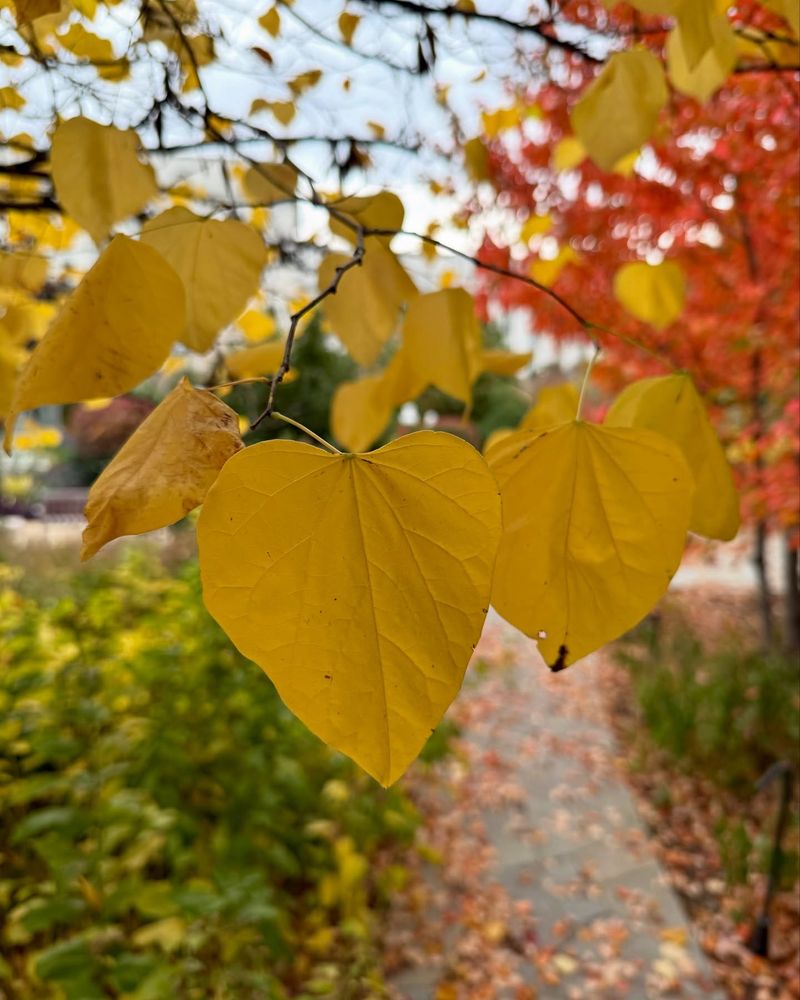
Most people know redbud for its pink-purple spring bloom, so its fall look sneaks up on them. Heart-shaped leaves turn a soft, sunny gold that glows on overcast afternoons.
It is not the flashiest tree on this list, and that is fine. Sometimes a quiet yellow is what a yard needs to balance louder reds nearby.
A drive lets you see how redbud gold plays against dogwoods and maples in a mixed planting.
Redbud hosts at least a dozen butterfly and moth species, including the Henry’s elfin, and its early flowers feed native bees. At 15 to 30 feet, it handles sun or part shade, a true crowd-pleaser.
7. Nuttall Oak
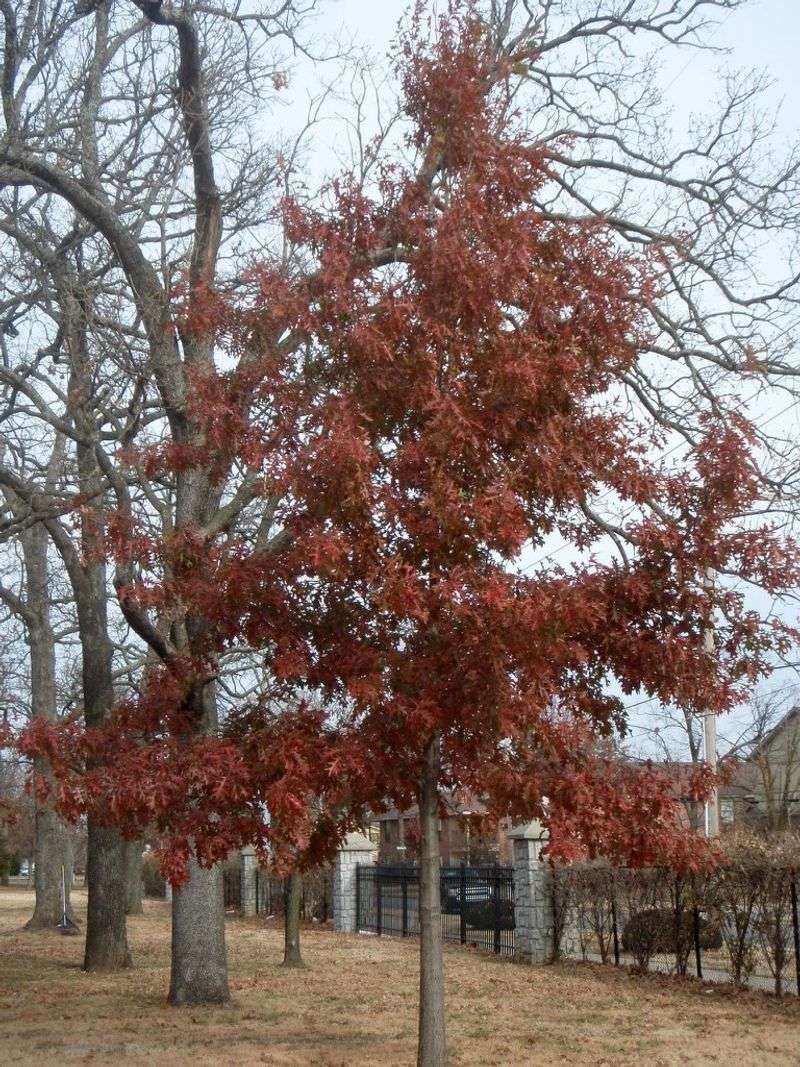
Plenty of oaks just go brown and call it a season. Nuttall oak refuses.
Its red to red-orange color is dependable and often lingers longer than other oaks.
Piedmont gardeners, take note. This oak handles heavy clay and wet spells that sulk other trees.
Spot a few in parking lots or new neighborhoods during your drive and you will see how quickly it grows into a handsome shade tree.
Oaks are wildlife powerhouses, hosting hundreds of caterpillar species that feed nesting birds. Acorns carry turkeys, deer, squirrels, and blue jays through winter.
Give it space, as it will become a big tree.
8. Blackhaw Viburnum
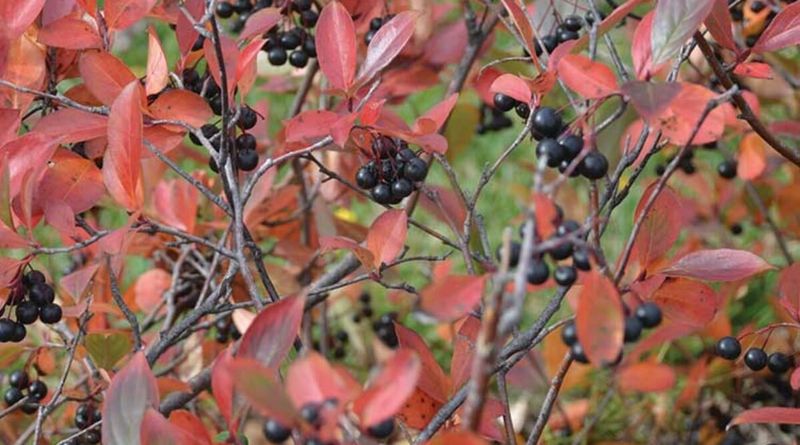
Got a Bradford pear stinking up the yard each spring and splitting in every storm? Blackhaw viburnum is the swap you have been waiting for.
Callery pear is invasive in North Carolina, forming thorny thickets along roadsides that crowd out natives.
Blackhaw gives you what people wanted from that pear, white spring flowers, plus a much better fall. Leaves turn deep red to maroon, and blue-black fruit draws hungry birds.
Look for it along woodland edges on your fall drive. It grows as a large shrub or small tree around 12 to 15 feet, tidy enough for most yards.
9. Sweetbay Magnolia
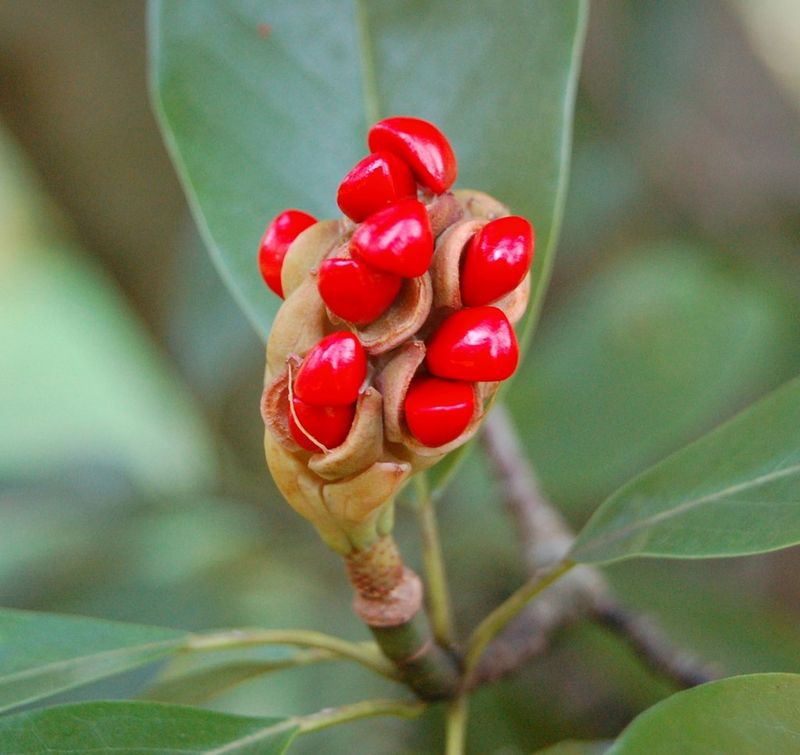
Down in the Coastal Plain, sweetbay magnolia shines in boggy spots where other trees struggle. Fall here is less about fireworks and more about texture.
Leaves flash silver undersides in the breeze, and fuzzy cones split open to reveal bright red seeds that birds snatch up.
It also makes a smart replacement for invasive mimosa or Bradford pear. Mimosa seeds itself everywhere and shades out young native trees, while sweetbay feeds caterpillars, bees, and birds instead.
In warmer parts of the state it keeps many leaves through winter, offering birds shelter. Its lemony summer blooms are a bonus.
Expect 10 to 20 feet, often multi-stemmed.
10. American Snowbell
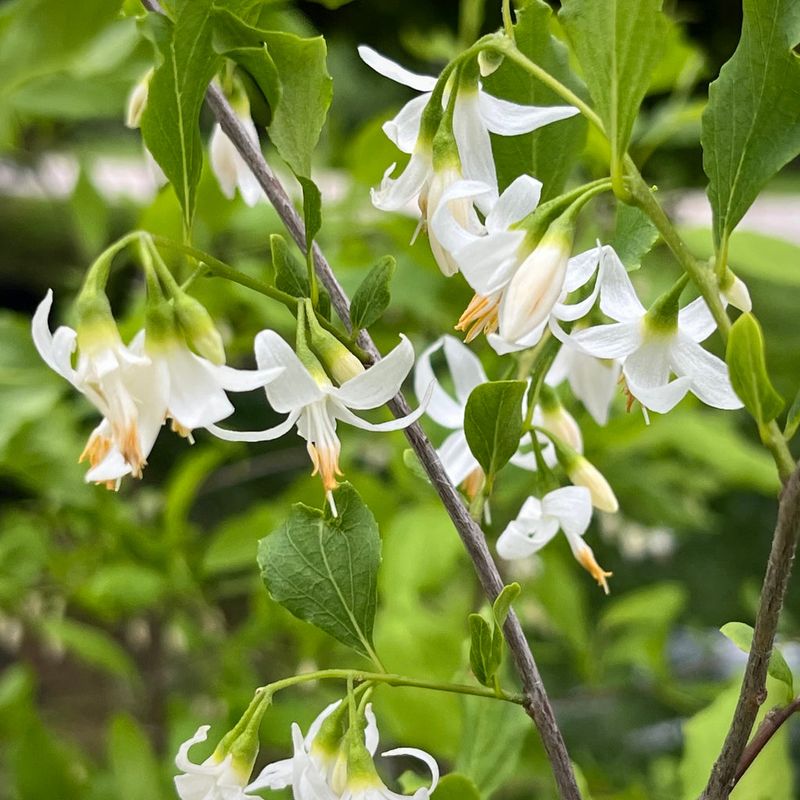
Think of American snowbell as the hidden gem you only find by slowing down. It grows along creeks and swamp edges, and in fall its small leaves fade to a clean yellow.
Spring is when it earns its name, dangling white bell flowers that bees love. That makes it another fine native stand-in for Bradford pear in small yards, without the stench or invasive seedlings.
Finding one on a fall walk at the NC Arboretum or a state park shows you its graceful, airy shape. At about 10 feet, it tucks easily beside a patio or rain garden.
Plant it this fall while cool weather helps roots settle, and you will thank yourself every spring.