
Is Kitchen Vinegar Really a Weed Killer? What to Know Before You Spray
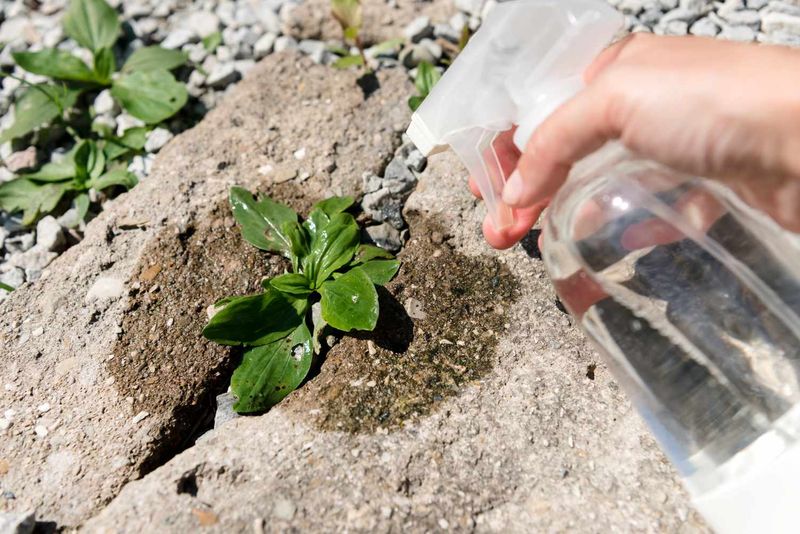
That bottle of vinegar in your pantry looks like a cheap answer to the weeds taking over your beds. Many gardeners reach for it when late-season weeds get out of hand.
The truth is a bit more complicated, and a quick spray could cost you more than the price of a store-bought product. Here is what vinegar can and cannot do, and what to try instead.
Kitchen vinegar is a contact treatment, not a root-killing cure
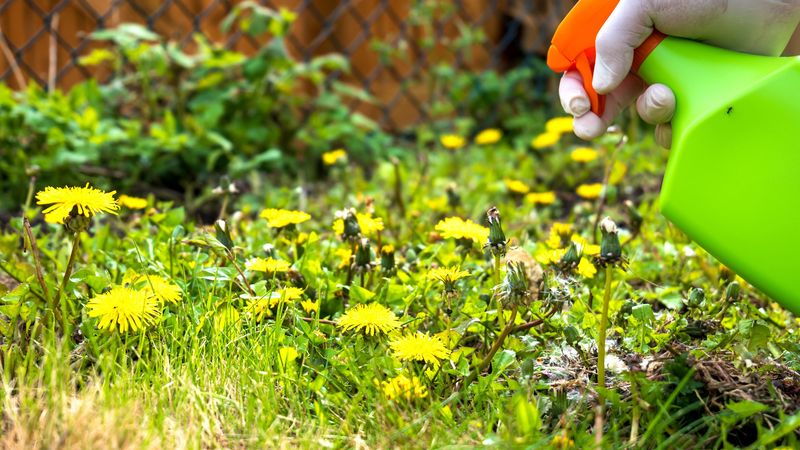
Picture a dandelion that looks scorched after a spray, then green again two weeks later. That is the pattern many gardeners see with kitchen vinegar.
Household vinegar is typically about 5% acetic acid, and it mainly acts on the leaves and stems it touches.
According to University of Maryland Extension, vinegar damages contacted foliage and does not reliably travel down to established roots. Browned leaves can look like a win, but they do not tell you the root has died.
A weed with a healthy root can send up new growth.
Extension sources do not fully agree on what plain 5% vinegar does. Some say it may burn very young seedlings.
Penn State Extension says 5% household vinegar does not affect plant tissue in its poison ivy guidance. The safe reading is that any effect is limited and varies with the weed and its size.
Acetic acid is also nonselective, according to the U.S. EPA acetic acid fact sheet.
That means it can damage a tomato leaf or a hydrangea stem just as easily as a weed. If you have tried vinegar and been disappointed, you did nothing wrong.
The tool just has narrow limits.
Why vinegar disappoints on late-season weeds
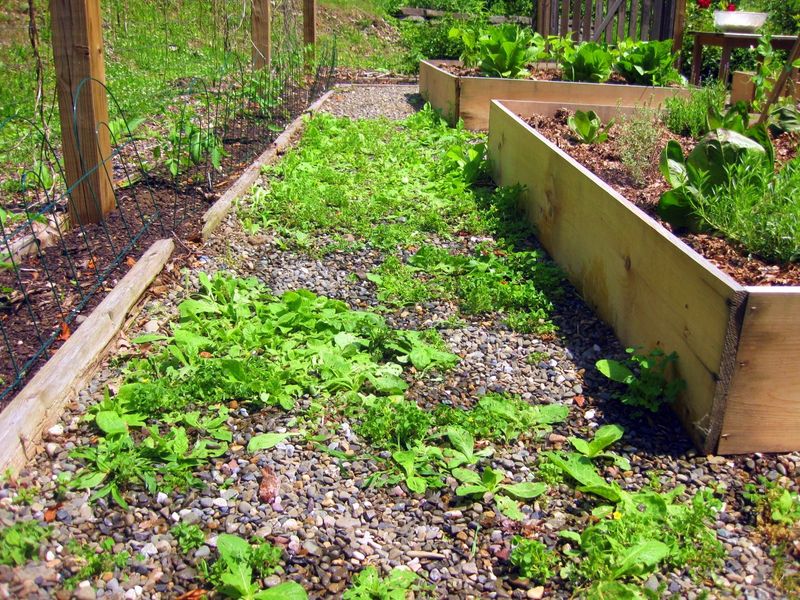
By late summer, most weeds have had months to build strong roots. Vinegar is a poor match for that stage.
Research summarized by University of Maryland Extension found better control on very small weeds, while larger weeds and perennial grasses were more likely to survive or recover.
Think about a clump of bindweed or a thick patch of crabgrass crowding your tomatoes. Spraying the top may leave tan, crispy leaves.
The underground parts can stay alive and push up fresh shoots after a few days or weeks.
Cornell Cooperative Extension also describes acetic acid as most useful on young, small plants. A common sign that vinegar has not worked is green regrowth from the base of the plant.
If you see that, repeating the spray is unlikely to change the result much.
Not every weed or season behaves the same way. A tiny seedling that sprouted last week may brown and fade.
Established perennials, including dandelions, are a different story, and Oregon State University Extension notes that vinegar should not be counted on to kill them down to the roots.
A homemade mix can create risks instead of reliability
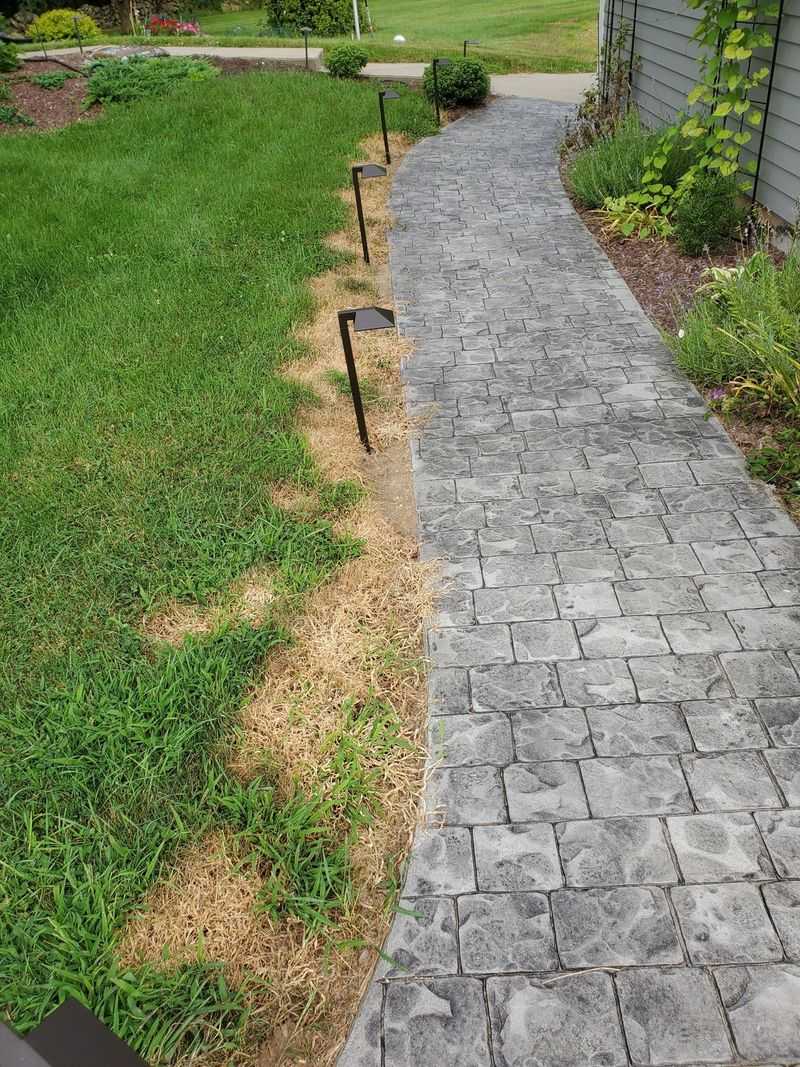
Online recipes often tell you to add salt or dish soap to vinegar to make it hit harder. Extension guidance does not back that up.
Penn State Extension warns that salt can linger in soil and harm nearby plants, and that dish detergents are not made for landscape use and may affect soil and beneficial organisms.
Penn State also cautions against home remedies in general. Its article on home remedies explains that homemade mixtures are untested, so you cannot count on how they will behave around your flowers and vegetables.
Because of that, there is no recipe to share here.
Food-grade ingredients can feel safer, but a pantry label does not make something a safe weed killer. Stronger vinegar is not a fix either.
The U.S. EPA notes that acetic acid above 8% can cause severe burns and eye damage.
Vinegar’s use as an ingredient in certain registered products also does not turn a homemade recipe into an approved one. Kitchen vinegar and herbicidal acetic acid products are different things.
Keep them separate in your mind and in your garden shed.
Hand-pulling and mulch can tackle weeds without a spray
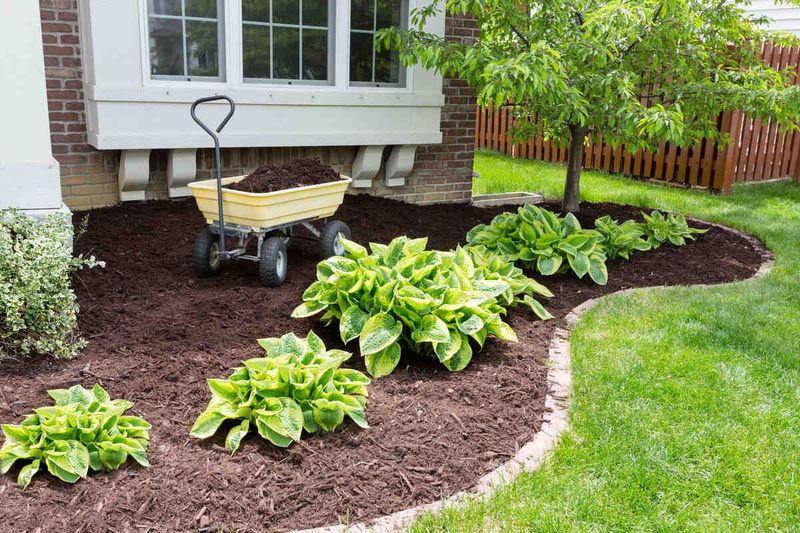
Soil that is damp after rain makes hand-pulling much easier. Grip the weed low, near the soil line, and pull slowly so more of the root comes up.
This works well for small patches and for weeds around plants you want to protect, like tomatoes and geraniums.
Pulling is not a guaranteed cure. Some perennial weeds can regrow from root pieces left behind, so you may need to repeat it.
Still, it is cheap and it will not drift onto your flowers.
Mulch helps keep new weeds from sprouting. Oregon State University Extension suggests a layer 3 to 4 inches deep.
Pull weeds first, then spread the mulch over the cleared soil. Penn State Extension covers how mulches can suppress weeds in home plantings.
Keep mulch from touching stems or trunks. University of Maryland Extension describes problems that come from piling mulch too deep or against plants.
Leave a small gap around each hydrangea stem or shrub trunk so the base can stay dry.
If you choose a weed-control product, let its label guide you
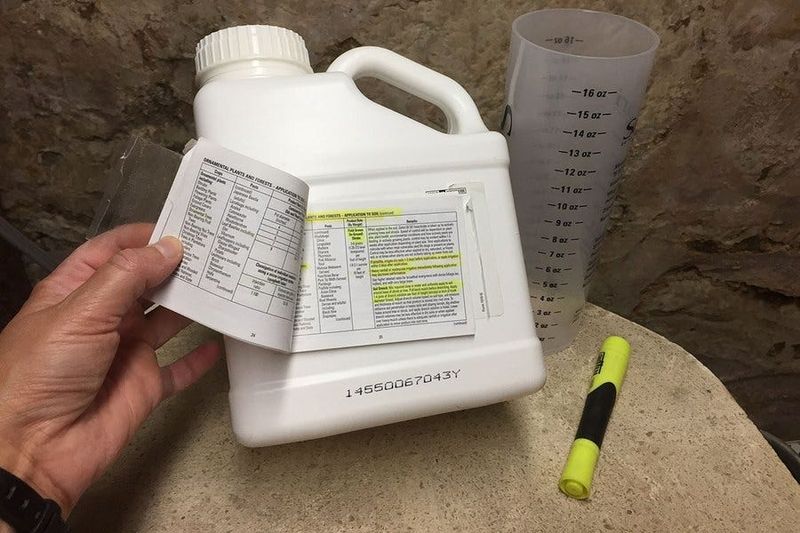
Sometimes pulling and mulch will not be enough, and that is fine. If you decide to buy a product, the label is your instruction manual.
The U.S. EPA explains that pesticide labels are legally enforceable, so following them is part of using the product correctly.
Before you buy, read the label for these things: which weeds it targets, where it can be placed, what protective equipment to wear, and how to apply it. If your problem weed is not listed, or the product says not to use it near vegetables or ornamentals, choose something else.
Drift is a real concern near your favorite plants. The EPA’s pesticide safety tips note that spray can drift and damage nearby plants you meant to leave alone.
A breezy afternoon is a good time to put the sprayer away.
This matters for acetic acid products too. As University of Maryland Extension explains, acetic acid is nonselective, so overspray can injure desirable plants.
Stick to what the label says and skip any extra steps it does not mention.
Skip the vinegar recipe and match the fix to the weed

Kitchen vinegar may singe a tiny seedling, but University of Maryland Extension makes clear it is not dependable for established weeds with roots to spare. Pull what you can reach, and lay mulch 3 to 4 inches deep, as Oregon State University Extension suggests.
If you buy a product, let the label lead.
A weed that grows back is not a sign you failed, only that its roots were never touched.