
Planting Garlic This Month? 12 Mistakes That Leave You Digging Up Tiny Bulbs Next July
Garlic is one of the easiest crops you can grow, but it is also one of the slowest to show you what went wrong. You plant a clove in fall, wait nine long months, and then pull up a bulb the size of a marble.
The good news is that most small harvests come from a handful of simple mistakes you can avoid right now. Here are the ones that matter most, plus the easy fixes that lead to fat, full heads next summer.
1. Planting Grocery Store Garlic
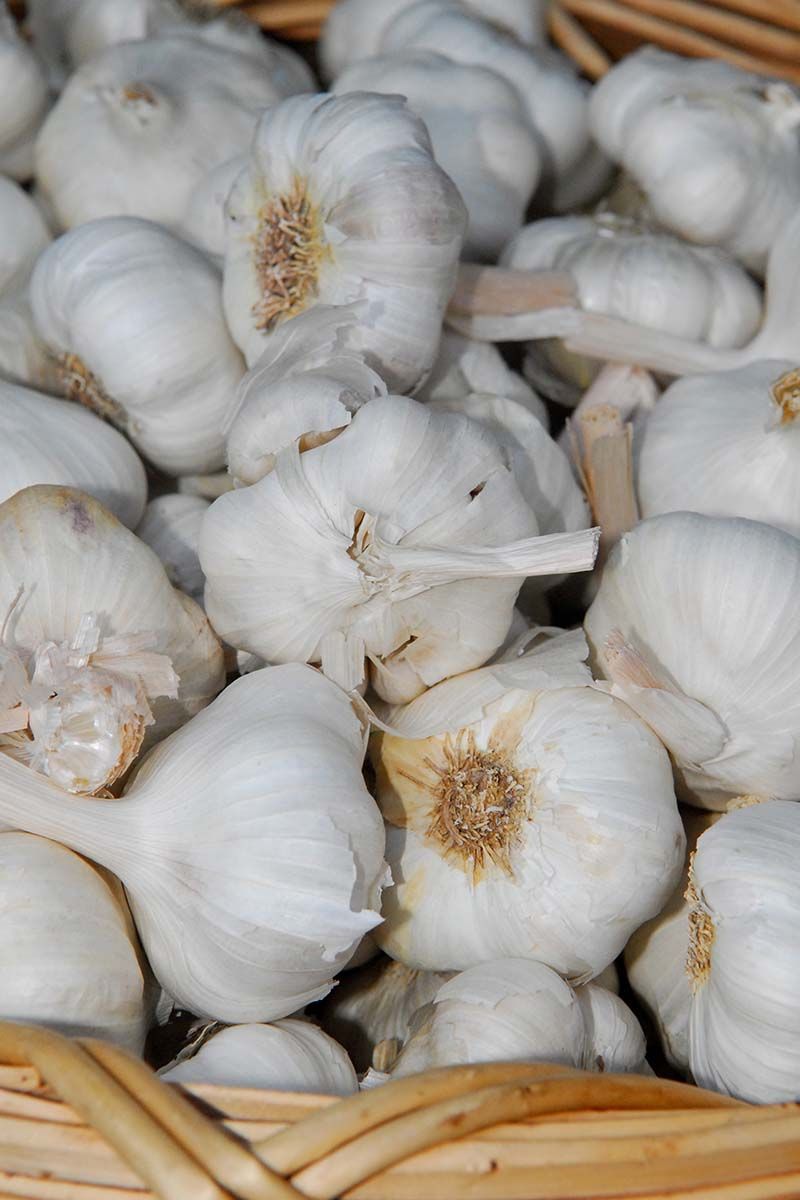
That bag of garlic in your kitchen looks like a bargain seed supply. Sadly, it often lets you down in the garden.
Much supermarket garlic is grown in mild climates far from your backyard, and some of it may be treated to slow sprouting on the shelf. Even when it does grow, it may not be suited to your winters, so the bulbs stay small or never divide properly.
Buy certified seed garlic from a local nursery, a farmers market grower, or a reputable seed company. Ask for varieties that do well in your region.
Hardnecks usually handle cold northern winters, while softnecks often shine in warmer southern states.
2. Planting the Small Cloves
Picture a garlic clove as a packed lunch for the plant inside it. A bigger lunch means a stronger start, and a stronger start means a bigger bulb.
Research and grower experience agree that clove size closely tracks harvest size. Those skinny cloves from the center of the head simply do not carry enough stored energy.
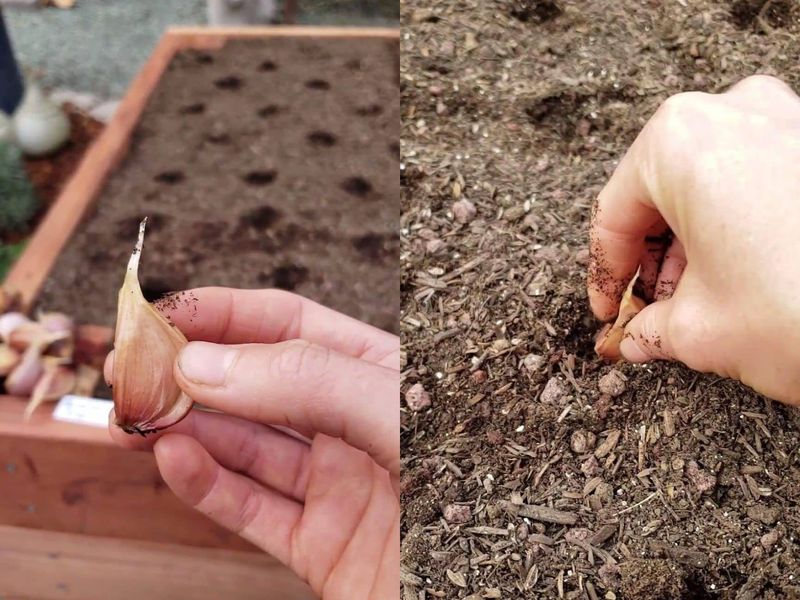
When you crack open your bulbs, plant only the largest outer cloves. Save the little ones for the kitchen, or tuck them close together to harvest as green garlic in spring.
Leave the papery skin on each clove, since it helps protect against rot.
3. Getting the Timing Wrong
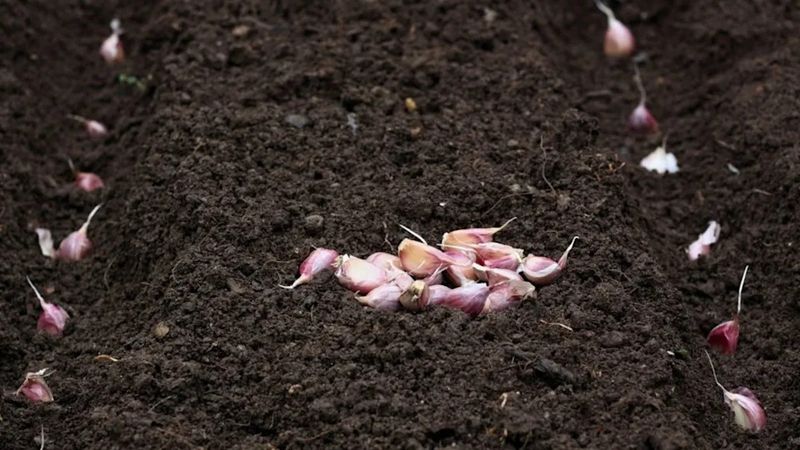
Timing is the quiet secret behind every big garlic harvest. Plant too early and too late, and you get two very different problems with the same tiny result.
Early planting can push lots of green leaves before winter, and that tender growth may get damaged by hard freezes. Late planting gives cloves too little time to grow roots before the ground freezes, so the plants start spring weak.
For most US gardeners, mid-October through November works well, roughly two to four weeks before your soil freezes. Gardeners in the Deep South can often plant into December.
Spring planting is possible, but cloves usually need about eight weeks of chilling first, and the bulbs still tend to be smaller.
4. Ignoring Heavy or Soggy Soil
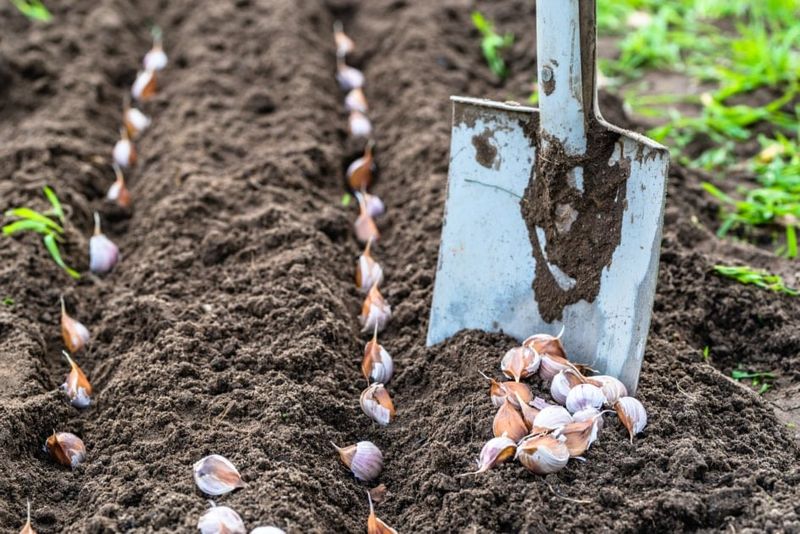
Have you ever tried to push a shovel into clay after rain? Garlic roots feel that same struggle all season long.
Bulbs swell best in deep, loose, well-drained soil. Hard, compacted ground squeezes the developing head, and waterlogged beds can lead to rot over winter.
Before planting, loosen the soil about 8 to 12 inches deep and mix in a few inches of compost. If your yard holds water, a raised bed or a mounded row can make a huge difference.
Pick a sunny spot, too, since garlic in shade rarely sizes up well.
5. Feeding at the Wrong Time
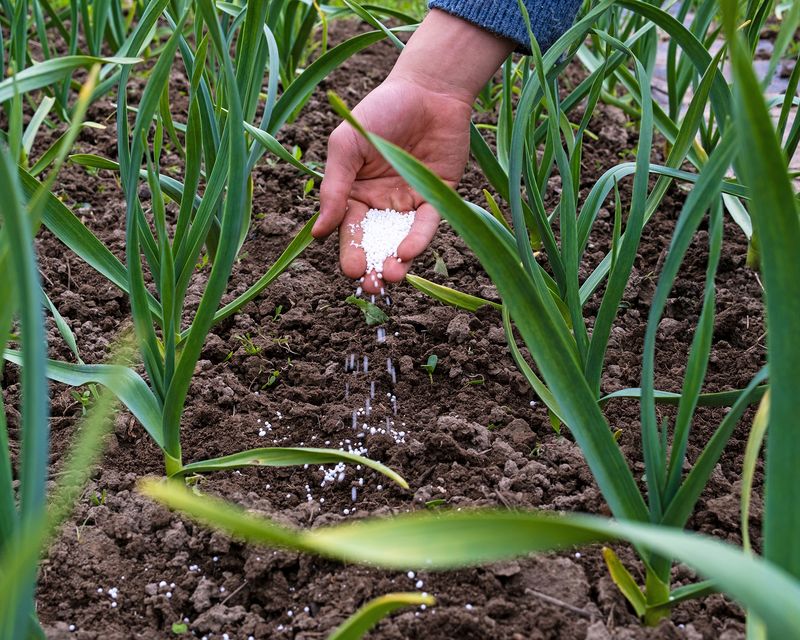
Garlic is a hungry crop, but it is picky about when it eats. Feed it well early, then let it focus on building bulbs.
Low nitrogen during early growth can mean small plants and small heads. On the flip side, piling on nitrogen late in spring may push big leafy tops while the bulbs stay disappointing.
Work compost or a balanced fertilizer into the bed at planting. Side-dress with a nitrogen source when green shoots take off in early spring, and maybe once more a few weeks later.
Most growers stop feeding by late May or once bulbs start to form.
6. Planting Too Shallow
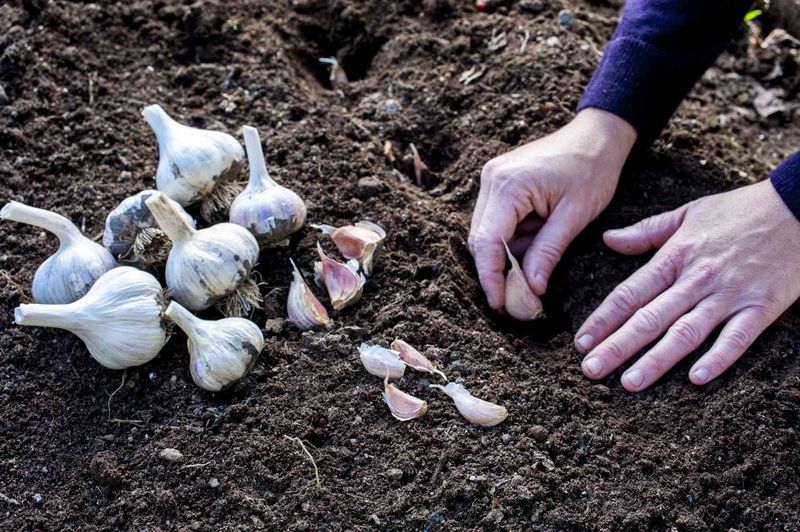
Frost has a sneaky habit of shoving shallow cloves right out of the ground. Gardeners in cold regions often find them sitting on top of the soil in March, roots dried and damaged.
Cloves too close to the surface also dry out faster and tend to form weak bulbs. Depth gives them steady moisture and protection.
Plant cloves about 2 to 3 inches deep, measured to the tip. Go a little deeper in very cold areas or sandy soil.
A quick trick is to mark your dibber or trowel handle so every hole matches.
7. Setting Cloves Upside Down
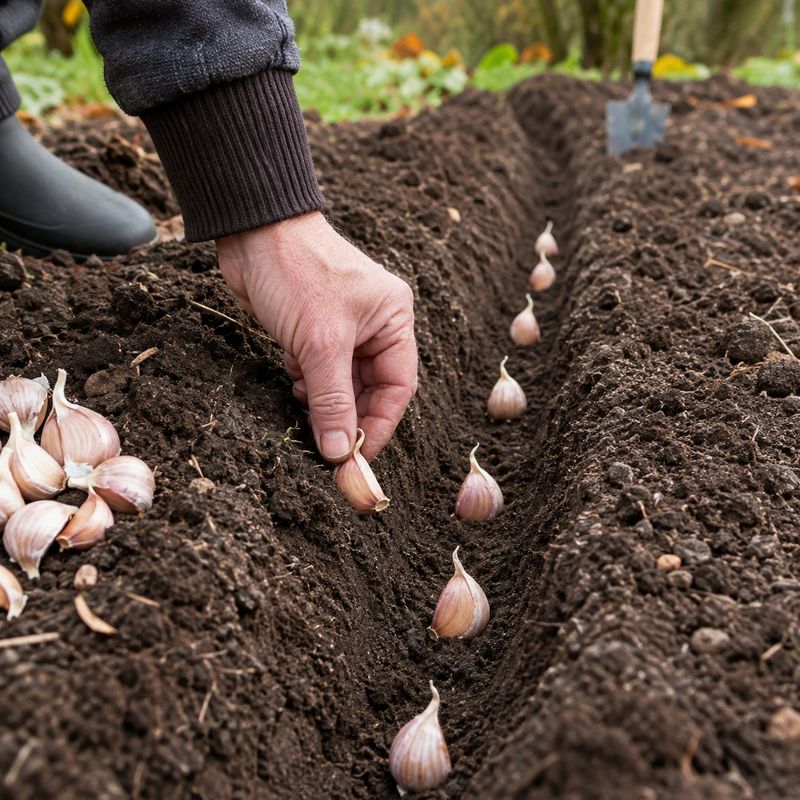
It sounds silly until you have done it with fifty cloves in a hurry. Orientation actually matters.
The pointed tip is where the shoot grows. The flat, slightly rough base is where roots emerge.
Plant it upside down and the sprout has to curl around to find the light, burning energy that should go into the bulb and sometimes producing a crooked, smaller head.
Pointy end up, flat end down, every time. If a clove is oddly shaped, lay it on its side rather than guessing wrong.
8. Cramming Plants Too Close
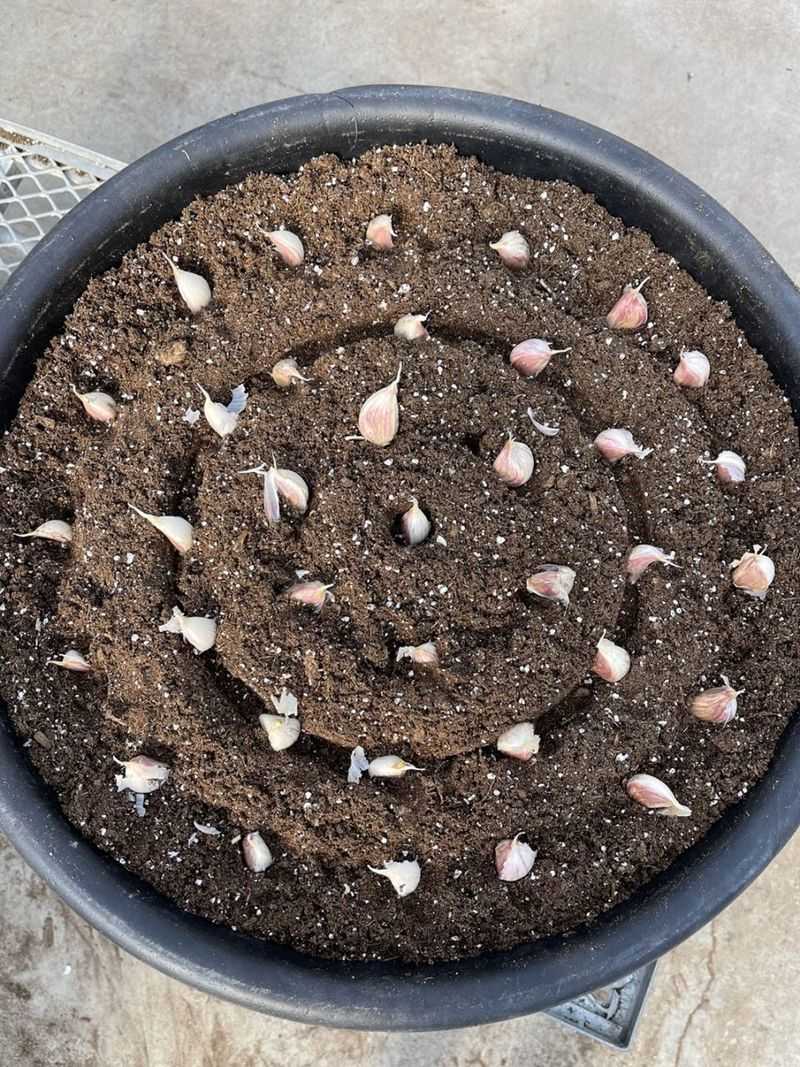
Squeezing in just a few more cloves feels efficient. By July, it usually feels like a mistake.
Crowded garlic fights over water, nutrients, and sunlight. Each plant ends up with less of everything, and the bulbs stay underdeveloped.
Space cloves about 4 to 6 inches apart, with rows around 12 inches apart. In a raised bed, a grid with 6 inches between plants works nicely.
You may plant fewer cloves, but you will harvest more garlic by weight.
9. Watering on and off
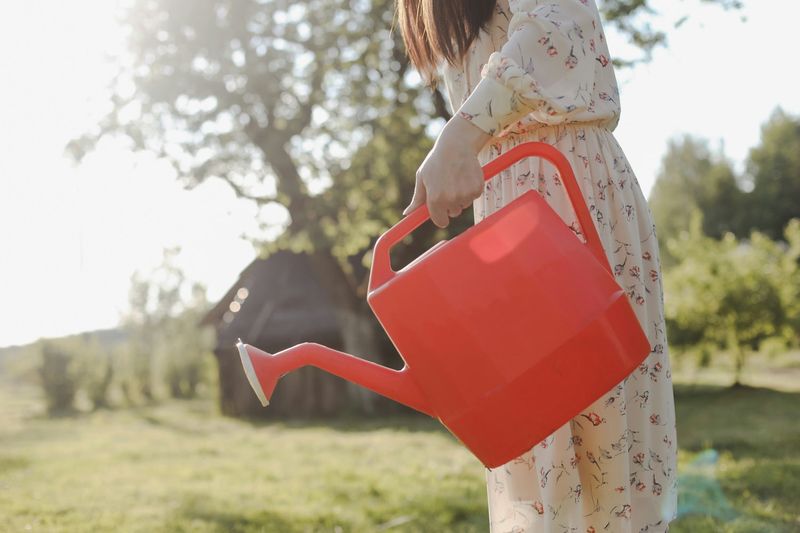
Here is the timing most people miss: garlic does most of its bulb swelling in late spring and early summer, usually late May into early July.
A dry stretch during that window can stall bulbs for good. Constantly soggy soil causes its own trouble, stunting roots and inviting rot.
Aim for about an inch of water a week during active spring growth, including rain. A soaker hose and a layer of mulch help keep moisture even.
Then ease off watering about two weeks before harvest so the bulbs can firm up.
10. Letting Weeds Move In
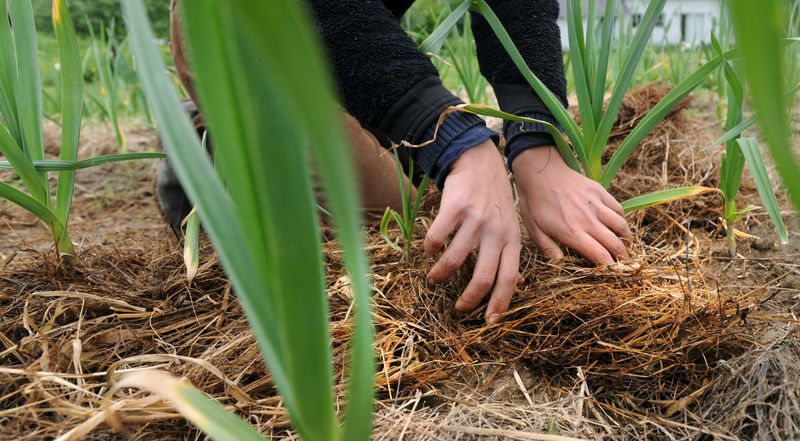
Garlic is a poor competitor. Its thin, upright leaves cast little shade, so weeds happily take over the space.
Those weeds steal water, light, and food right when your bulbs need them. Studies of garlic crops show weedy beds can produce much smaller yields.
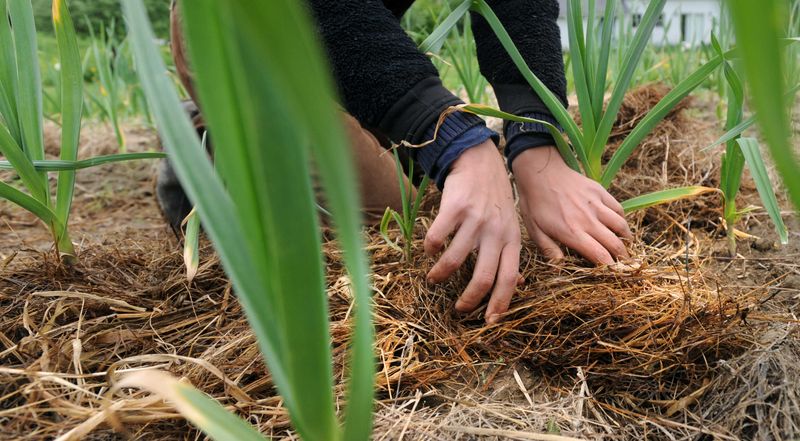
After planting, cover the bed with 4 to 6 inches of clean straw or shredded leaves. Mulch smothers many weeds, holds moisture, and protects cloves through winter.
Pull any weeds that sneak through while they are small, gently so you do not disturb the shallow garlic roots.
11. Leaving Hardneck Scapes On
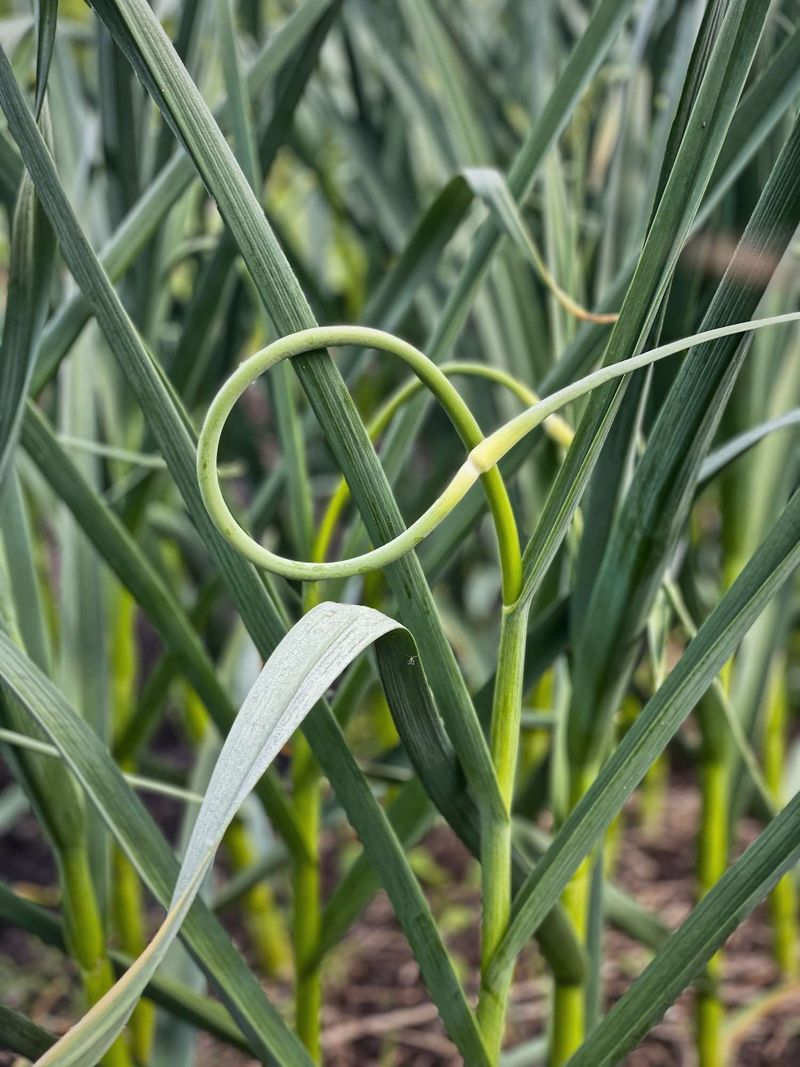
Fun fact: those curly green stems on hardneck garlic are flower stalks, and they are delicious. Leaving them on, though, can cost you bulb size.
A scape pulls energy toward forming a flower head and tiny bulbils at the top. Snapping it off sends more of that effort back down into the main bulb.
Remove scapes once they form a loop or curl, usually in early to mid June, about three weeks before harvest. Cut or snap them near the top leaves.
Then toss them into pesto, stir-fries, or scrambled eggs for a bonus crop.
12. Pulling Bulbs Too Soon or Too Late
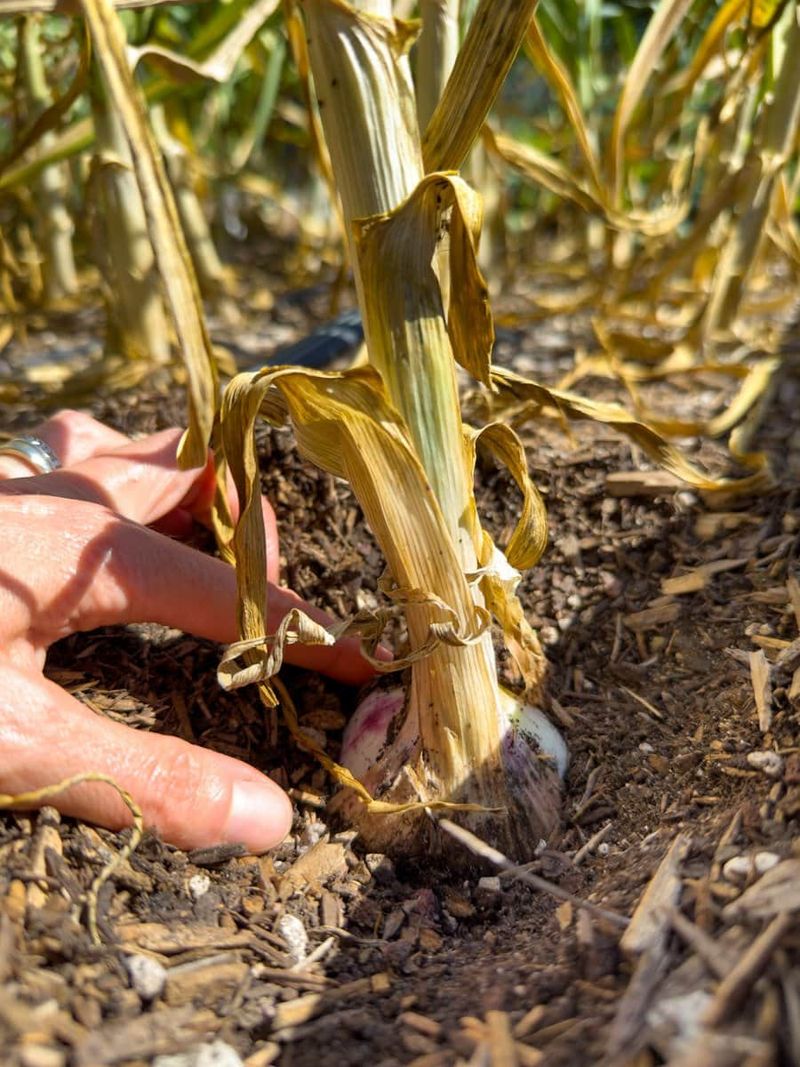
After nine months of patience, waiting a few more days feels impossible. Still, harvest timing can make or break all your work.
Dig too early and the bulbs are immature and small, with thin wrappers that store poorly. Wait too long and cloves may split apart in the ground, leaving heads that spoil quickly.
Harvest when roughly one-third to one-half of the leaves have browned but several upper leaves are still green. Dig one test bulb first to check.
Loosen soil with a fork rather than yanking, then cure bulbs in a shady, airy spot for two to three weeks.