
Texas Pumas, Highway Underpasses, and the Florida Panther’s Comeback
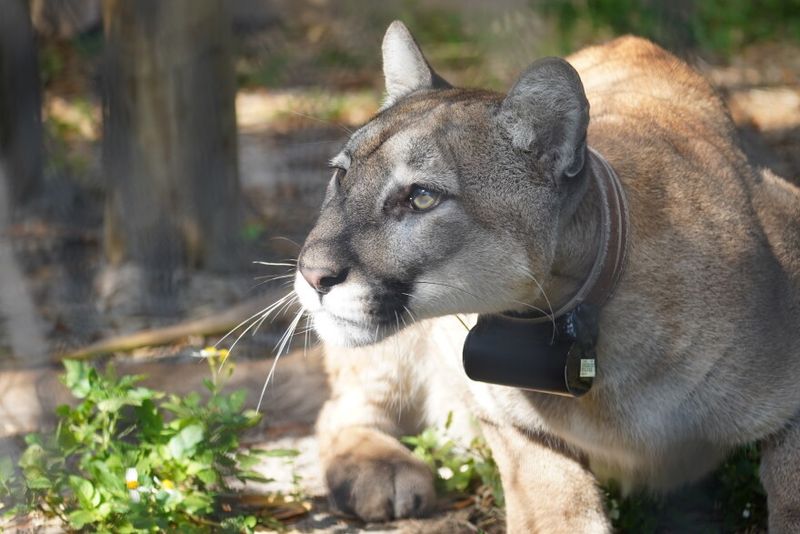
Florida panthers once lived in a tiny, cut-off group where relatives kept breeding with relatives. Wildlife managers tried a bold fix by bringing in cats from Texas, and later the state built passages under a busy highway.
The result is a hopeful story, but it is not a simple miracle. Here is what the science shows, and what it leaves unanswered.
Florida’s panthers were isolated and inbred
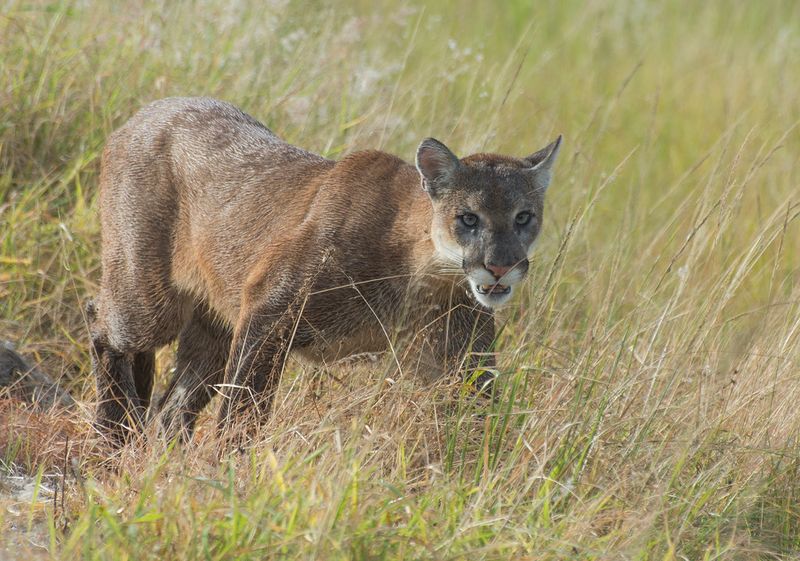
By the early 1990s, the Florida panther was in deep trouble. Cut off from other cougar populations, the cats lived in the southern tip of the state, and a U.S.
Fish and Wildlife Service factsheet says the wild population numbered about 20 to 30 animals when the genetic program began in 1995. That is an approximate range, not an exact head count.
Why did isolation matter? When a group stays small and closed off, animals end up breeding with close relatives.
Over generations, the group loses genetic variation, which is like a toolbox with fewer and fewer tools to handle new problems.
The Florida Fish and Wildlife Conservation Commission (FWC) describes a population that was inbred and had low genetic variation. Health problems showed up, including heart defects and undescended testicles in males.
These were warning signs that the population was struggling from the inside, not only from habitat loss or cars.
Managers settled on a targeted response called genetic restoration, which means adding new genetic material from another population. It was a calculated attempt to reduce inbreeding, not a guaranteed fix.
Nobody could be sure how the cats would breed, how their kittens would fare, or whether the effort would last.
Why bring in eight Texas females?
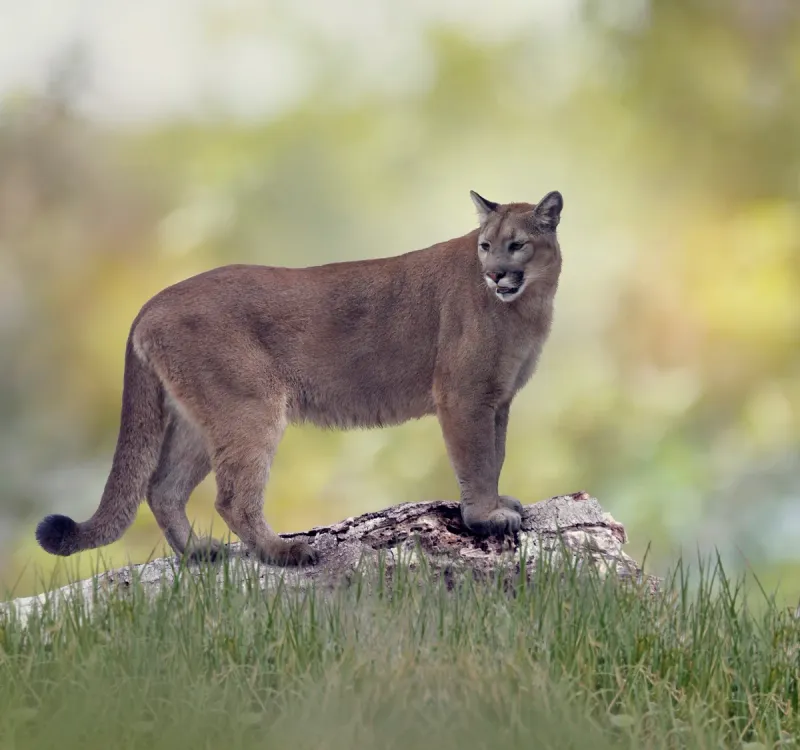
Biologists had a plan with a clear logic. Texas pumas belong to the same species as Florida panthers, and they had once mixed with them long ago.
In 1995, managers released eight female pumas from Texas into south Florida so they could breed with local males and bring in fresh genes.
Why females? Females are the ones that raise litters, so each successful mother can add several kittens with new genetic makeup.
The federal factsheet reports that five of the eight produced litters, and at least 20 kittens were born.
Researchers later described the broader effort in a Science paper on genetic restoration, which tracked how the Texas ancestry spread through the Florida population.
Here is a detail that often gets lost. Those eight cats are not still roaming Florida.
They later died or were removed from the wild, as planned by managers. What stayed was their descendants and the genetic variety those descendants carried.
That makes the eight females important contributors, not lone heroes. Their legacy lives in the kittens, grandkittens, and later generations born to a population that was no longer so closed in on itself.
Genetic restoration improved the population’s prospects
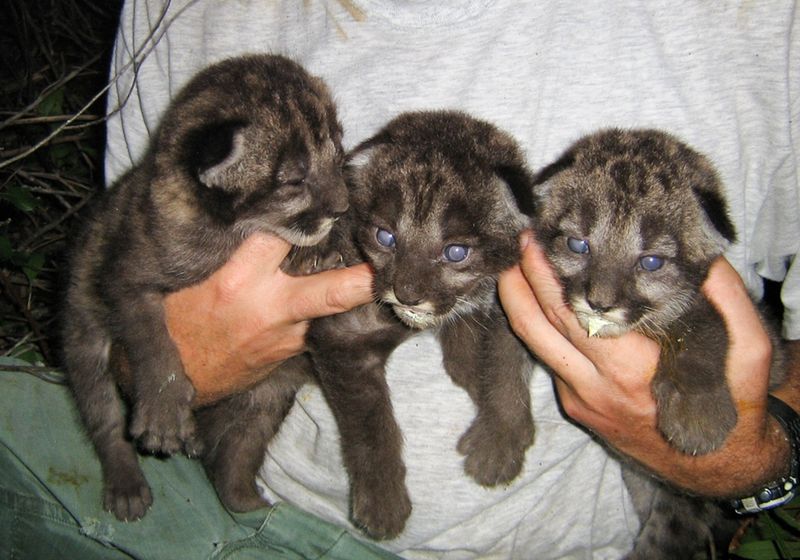
After the Texas cats joined the mix, researchers saw real changes. According to FWC’s genetics page, genetic variation increased and fewer of the associated defects turned up.
FWC also says restoration benefited both adult and kitten survival.
Scientists also built a model to ask a bigger question: what would have happened without the introduction? In a 2013 Journal of Animal Ecology study, the authors estimated that without restoration the population would have declined on average.
They pointed to better kitten survival as a key positive effect.
That supports a substantial contribution from genetic restoration to the population’s growth. But a model is a set of calculations built on data, not a side-by-side experiment with a second, untouched panther population.
Nobody can run that experiment on an endangered animal.
So the fair reading is this: the Texas introduction very likely helped a lot, and the numbers back that up. It does not prove the introduction was the only reason panthers rebounded.
Habitat protection, management, and other conservation work also matter.
Later genetic work, including the Science paper’s findings, helps show how the new ancestry spread and why it mattered for the animals’ health.
The population increase needs context
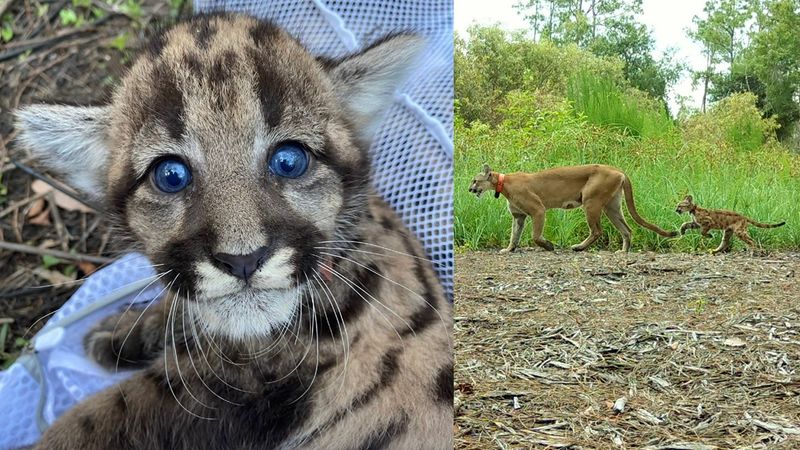
Numbers tell a hopeful story, but they need careful handling. When the program began in 1995, the population was about 20 to 30 cats.
By 2007, the agency reported roughly 100. That is a historical estimate, not a current count.
The figure you often hear today comes from FWC, which gives about 120 to 230 adult panthers. Notice how wide that range is.
Saying the population hit 200 turns a rough range into a false sense of precision.
The wide range has reasons. The U.S.
Fish and Wildlife Service explains that it came from a minimum-count method last used in 2015. That method did not account for animals that were missed or for changes in how hard people looked.
Newer approaches exist. A 2025 federal document discusses a model using road-mortality and radio-collar data, but it also cautions that its estimates carry large uncertainty.
The takeaway: the population is clearly larger than in the early 1990s, yet the exact size is uncertain. And no single action gets all the credit for the climb.
I-75’s crossings combine underpasses with fencing
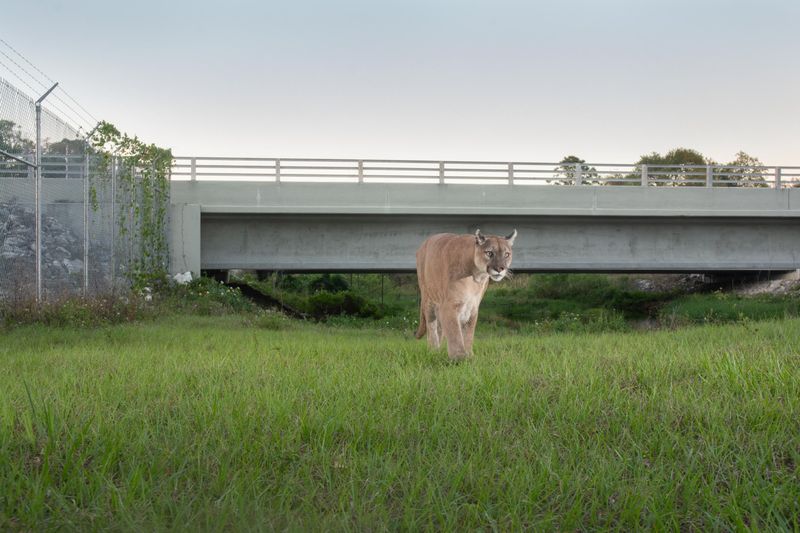
Genes were only one part of the puzzle. Roads kill panthers, and a cat that wants to cross a busy highway has poor odds.
So when Interstate 75 was built across southwest Florida’s “Alligator Alley,” planners added structures meant to let animals pass safely.
According to FWC’s wildlife crossings page, the original project provided 24 wildlife underpasses and modified 12 other bridges over a 40-mile stretch. That adds up to 36 crossing structures, but only 24 are true underpasses.
Fencing was the other half of the design. Continuous fencing runs along the road to guide animals toward the openings instead of onto the pavement.
Without it, a crossing is just a tunnel animals might ignore.
The goal was twofold: help panthers move between parts of their home ranges, and cut down on collisions that hurt both cats and drivers.
Be careful not to mix up the numbers. FWC currently lists 60 crossings or modified bridges for panther use across Florida roads.
That statewide total covers many highways and is not the count of I-75 underpasses.
Researchers documented panthers using crossings at night
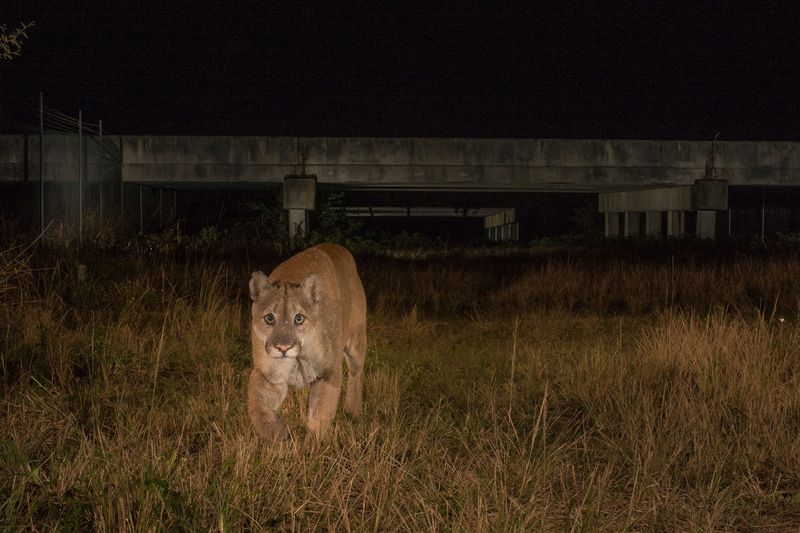
Did the cats actually use these tunnels? An early study gave an answer.
In a study of highway underpasses, Foster and Humphrey monitored four underpasses for different lengths of time.
Those four were chosen partly using panther tracks and radio telemetry, which means they were sited where cats were known to travel. That does not mean every crossing was placed using a complete or current map of panther movement.
The team recorded 10 panther crossings by two individual cats, and the panthers were documented using the crossings at night. Use varied by location and by how each animal moved around its range.
A National Park Service record also catalogs the work.
What the study did not do is tell us how often panthers use any given crossing. It leaves open whether a cat passes through on a given night, and it does not show all crossings get equal use.
So the careful version is simple: panthers were documented using monitored crossings at night. That is a real, encouraging finding, and also a small window into a bigger picture.
Recovery still depends on conserving habitat
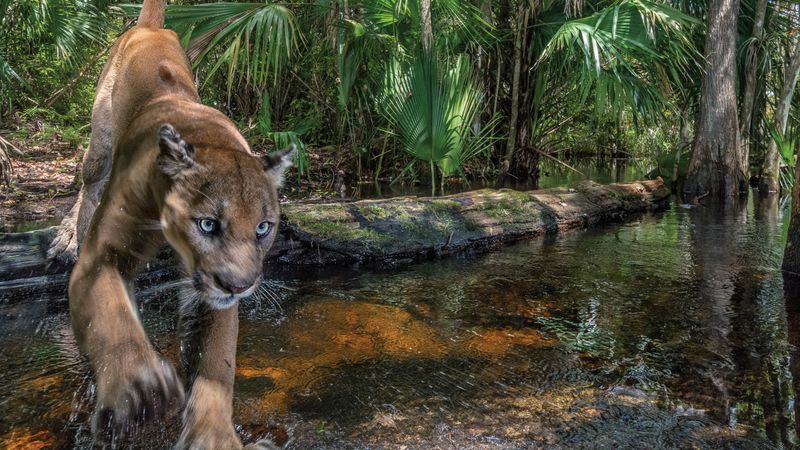
Put the two stories side by side and you see a pattern. Genetic restoration gave the population a healthier base, and the crossings gave animals safer ways to move.
Neither one finished the job.
Panthers still need room. The U.S.
Fish and Wildlife Service says continued recovery requires long-term, multi-partner work to conserve the lands that support them. The modeling in the 2013 population study points to a substantial genetic benefit, but it cannot show that benefit was the only cause.
If you live in panther country and ever meet one, FWC advises giving the animal space and an escape route, keeping children close, and not running. Please do not go looking for panthers or wait near crossings.
The comeback is real, and it is unfinished. A tunnel and a handful of Texas mothers helped open a door, but the land has to stay open for the cats to walk through it.