
Your African Violets Stop Blooming Indoors This Winter Unless You Know These 13 Things
Your African violet looked so happy in fall, and now it is nothing but fuzzy green leaves. Winter changes everything inside your home, from the light at the window to the dryness of the air.
The good news is that most bloom problems come from a few small mistakes you can fix this week. Here are 13 things that can bring those purple, pink, and white flowers back.
1. Not Enough Light
Picture a sunflower stuck in a closet. Your African violet feels much the same way when short winter days leave it in the shadows.
Low light is the number one reason these plants stop flowering.
Watch the leaves for clues. Thin, extra-dark green leaves that stretch and lean toward the window are begging for brightness.
A plant that gets enough light holds its leaves flatter and makes buds more often.
Here is a winter twist many growers miss. The weak sun from November through February is gentle, so an east or even south window can be safe now when it would scorch in July.
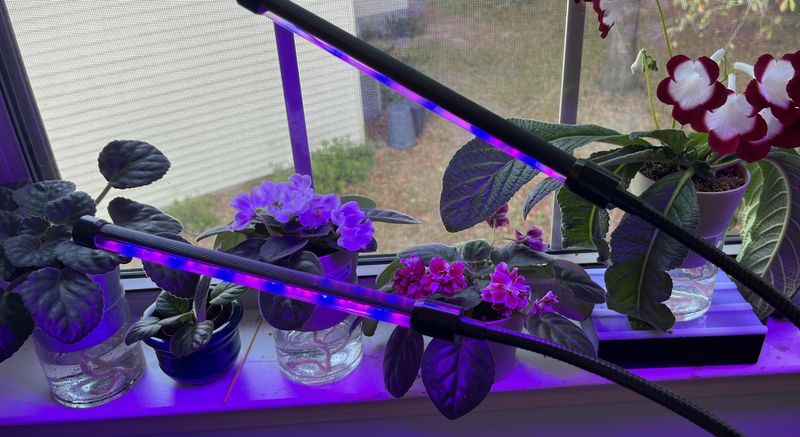
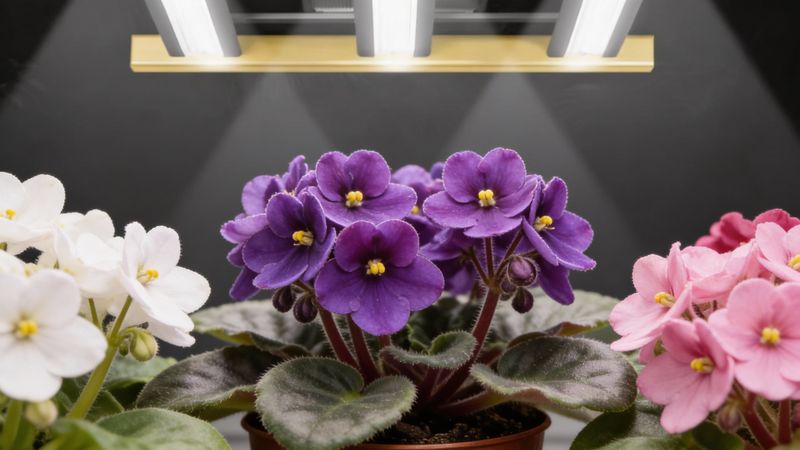
If your windows are gloomy, a simple LED grow light placed about 12 inches above the plant can fill the gap without costing much.
2. Wrong Light Schedule
More is not always better. Plenty of eager growers buy a grow light, leave it on around the clock, and then wonder why the flowers never show up.
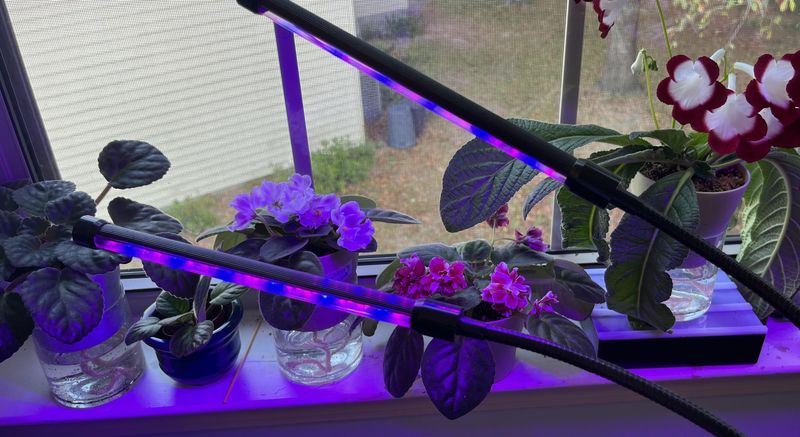
African violets want about 12 to 14 hours of light each day. They also need a steady 8 to 12 hours of real darkness, which helps trigger the natural signals that tell the plant it is time to bloom.
Run lights longer than 16 hours, and you cut into that rest.
A cheap outlet timer solves this in about two minutes. Set it to turn on in the morning and off in the evening, then let it do the remembering for you.
Also keep the plant away from lamps that stay on late in the living room.
3. Chilly Temperatures
Did you know African violets come from the warm mountain forests of Tanzania and Kenya? They were never built for a January windowsill in Ohio.
Cold slows them down fast.
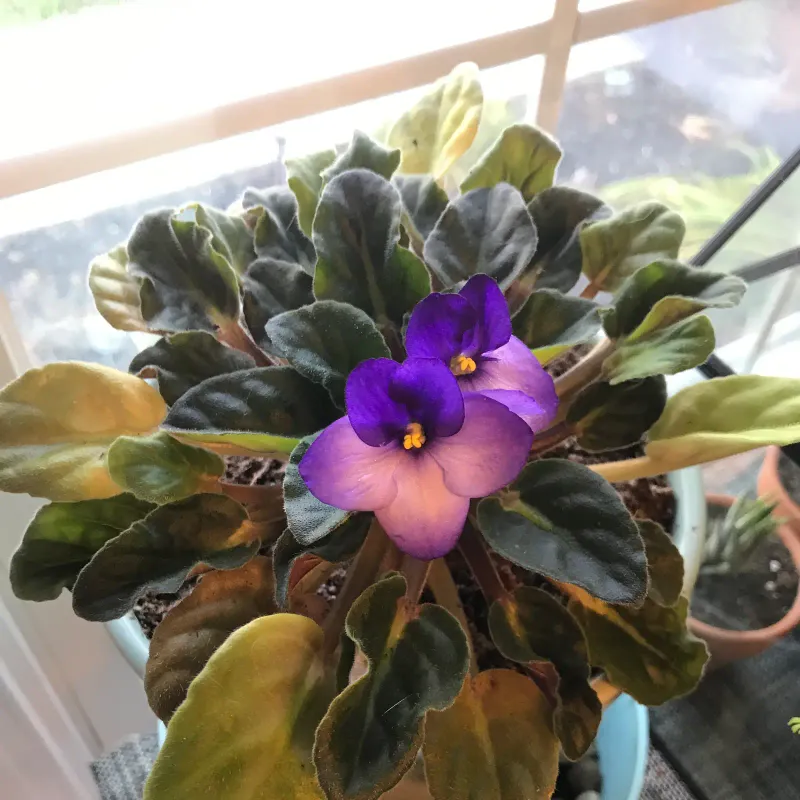
The sweet spot is 65 to 75 degrees. Once temperatures dip below 60, growth stalls, flowers become sparse, and leaves may curl downward as if shivering.
Feel the glass on a cold night. If your hand gets chilly, so does your plant.
Slide the pot a foot back from the window after sunset, or tuck a piece of cardboard between pot and glass. Keep it away from drafty doors too.
4. Dry Winter Air
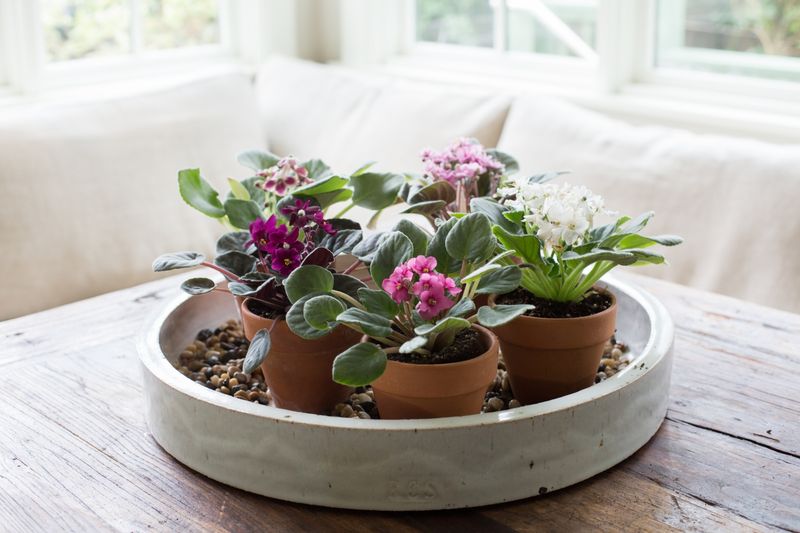
Ever notice your lips crack in winter? Furnace heat dries the air in your home, and your violet’s buds feel it too.
These plants are happiest around 50 to 60 percent humidity. Heated rooms can fall far below that.
When that happens, buds may turn brown and drop before they ever open, which is one of the most frustrating sights for any grower.
Try a pebble tray. Fill a saucer with pebbles and water, then set the pot on top so the bottom stays above the waterline.
Grouping several houseplants together or running a small humidifier nearby can also help those buds finish the job.
5. Watering Too Much or Too Little
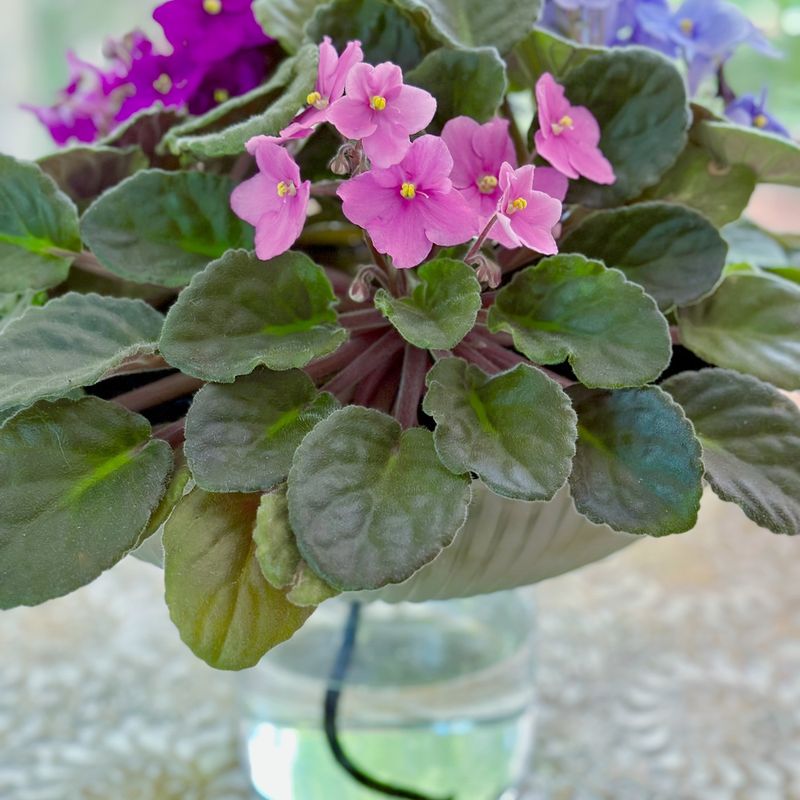
Watering is a balancing act, and winter tips the scale. Plants drink less when days are short, so the routine that worked in summer can drown roots now.
Too much water leads to soggy soil and root rot. Too little makes buds dry up before they open.
Either way, a stressed violet saves its energy and skips flowering.
Aim for soil that feels evenly moist, like a wrung-out sponge, then let the top dry slightly before watering again. Poke a finger in before you grab the watering can.
If it still feels damp, wait a day or two.
6. Using Cold Tap Water
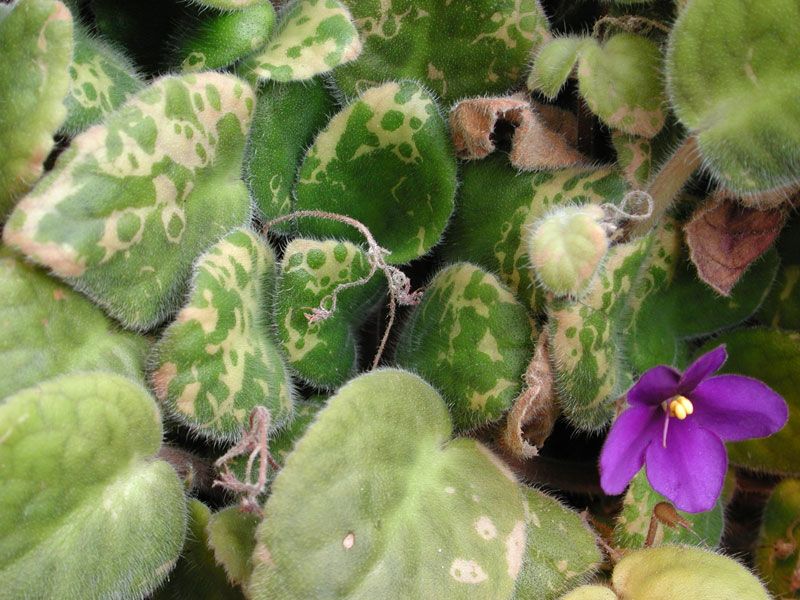
Imagine someone pouring ice water on your feet. Cold tap water hits African violet roots the same way, especially in winter when pipes run frigid.
That shock can make leaves curl and leave pale, permanent spots on the foliage. A shocked plant is not thinking about flowers.
The fix is almost free. Fill your watering can the night before and let it sit on the counter until it reaches room temperature.
Your violet will barely notice the drink.
7. Splashing the Leaves and Crown
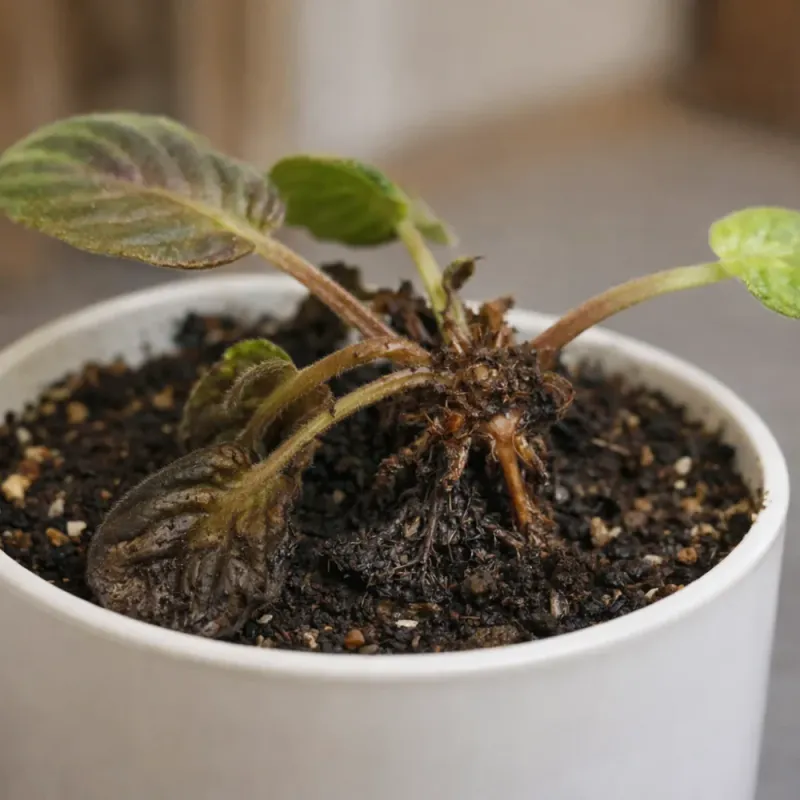
Those fuzzy leaves are charming, but they hate a shower. Water droplets can leave ugly spots on the foliage.
The bigger danger sits in the center of the plant, called the crown. If water pools there, crown rot can set in, and that fungal problem may kill the whole plant.
In cool winter rooms, wet spots dry slowly, which raises the risk.
Bottom watering keeps things simple. Set the pot in a saucer of room-temperature water for about 20 to 30 minutes, then let the extra drain away.
The roots drink, and the leaves stay dry.
8. The Wrong Fertilizer
A violet with gorgeous leaves and zero flowers is often a sign of a feeding mix-up. Plenty of nitrogen builds lush foliage, but it does little for blooms.
Look for a fertilizer made for African violets, often with a bit more phosphorus, the middle number on the label. Many growers use a diluted dose with each watering or feed every few weeks.
Go easy in winter. Weak, regular feeding works better than a strong dose now and then.
Follow the label and lean toward less rather than more.
9. A Pot That Is Too Big
Bigger feels kinder, right? Not for this plant.
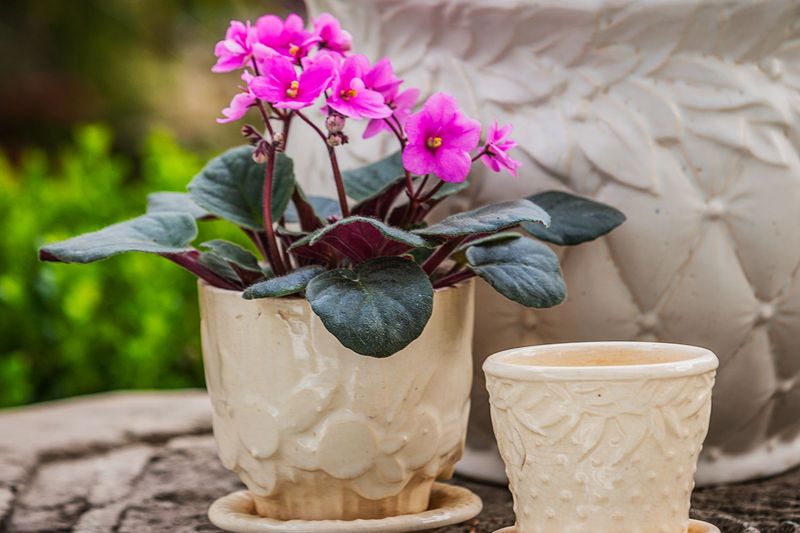
African violets bloom best when their roots feel a little snug.
Move one into a roomy pot, and it spends months filling the space with roots instead of making flowers. That can mean a long, flowerless winter.
A handy rule: the pot should be about one-third the width of the leaf spread. A violet 9 inches across usually fits a 3-inch pot.
Shallow pots work nicely too.
10. Old or Heavy Soil
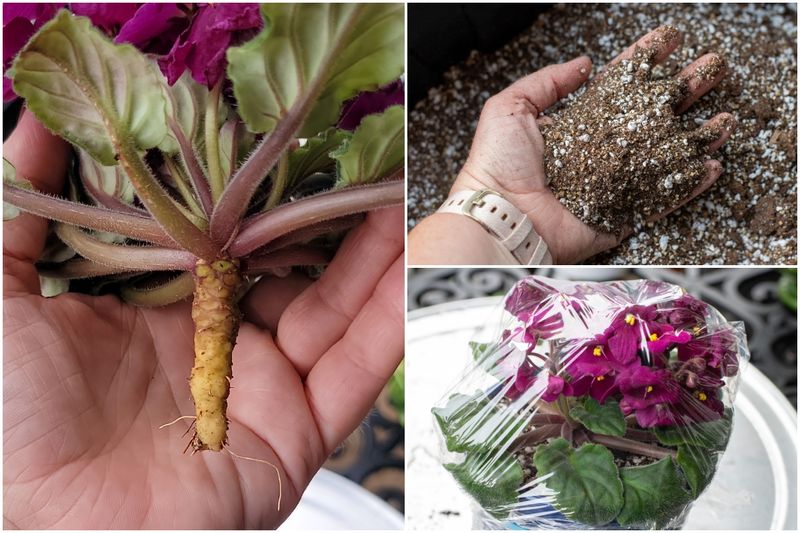
Soil wears out. After a year or two, it packs down, loses nutrients, and stops letting air reach the roots.
African violets need a light, airy mix that holds some moisture but drains well. Regular potting soil from the garden bin is often too heavy, and roots can sit wet and starved for oxygen.
Repotting once a year with fresh African violet mix gives the plant a clean start. Grab a bag labeled for violets, or loosen a regular mix with extra perlite.
11. Salt Buildup
See a white crust on the pot rim or soil surface? That is mineral salt left behind by tap water and fertilizer, and it builds up quietly over time.
Those salts can burn tender roots and damage leaf stems that rest on the rim. A plant dealing with that damage struggles to bloom.
Every 6 to 8 weeks, flush the pot. Pour plain room-temperature water slowly through the soil from the top, avoiding the crown, and let it drain out.
Wipe crust off the rim with a damp cloth.
12. Leaving Faded Flowers
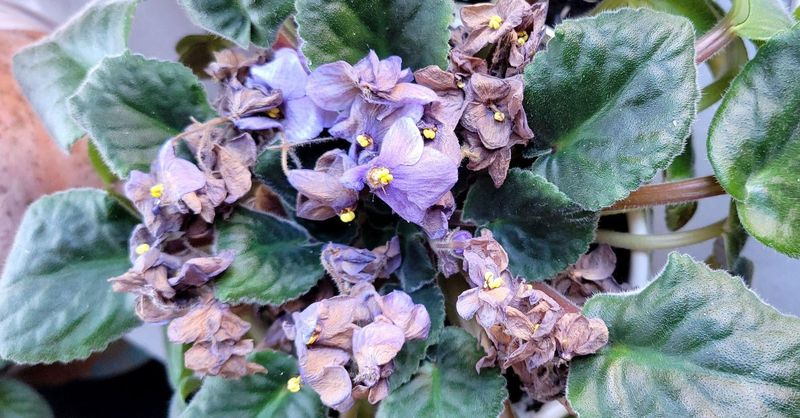
Faded flowers are not just untidy. Once a bloom fades, the plant begins shifting energy toward making seeds.
Pinch spent blooms off at the base of the flower stem. It takes seconds and tells the plant to keep producing new flowers instead.
Make it part of your weekly check. A quick tidy while you test the soil keeps the show going all winter.
13. Crowded Suckers and Extra Leaves
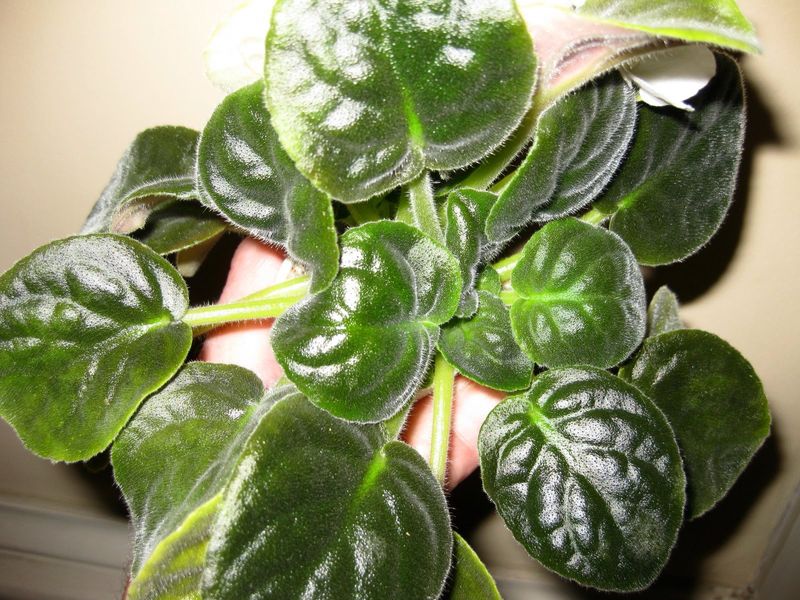
Some violets get greedy. Little baby plants called suckers sprout from the main stem, and soon the pot is a crowded tangle of leaves with no room for flowers.
Remove those suckers gently with tweezers or a clean pencil tip. Snip off old, damaged outer leaves too.
That opens the center to light and sends energy toward buds.
Fun bonus: suckers can be rooted to make new plants to share. If a plant still refuses to bloom, a fresh repot can give it the nudge it needs.