
The Fall Bloomers That Actually Thrive In Soggy North Carolina Clay Where Other Flowers Rot
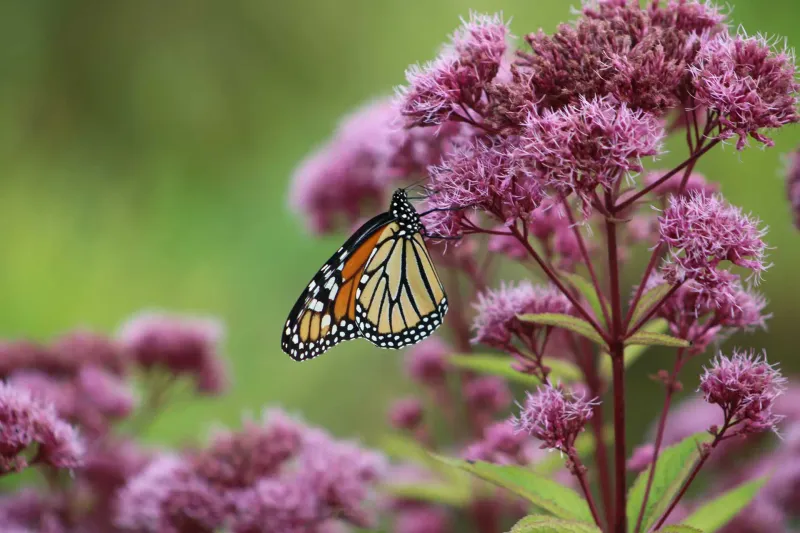
If your yard turns into a sticky, puddled mess every time it rains, you are not alone. Much of North Carolina sits on heavy red clay that holds water like a bathtub, and plenty of pretty garden-center flowers simply rot in it.
The good news is that some tough native plants actually love wet feet and still put on a big show in fall. Plant them in that soggy low spot, and you can feed bees, butterflies, hummingbirds, and goldfinches right when they need it most.
1. Swamp Sunflower (Helianthus angustifolius)
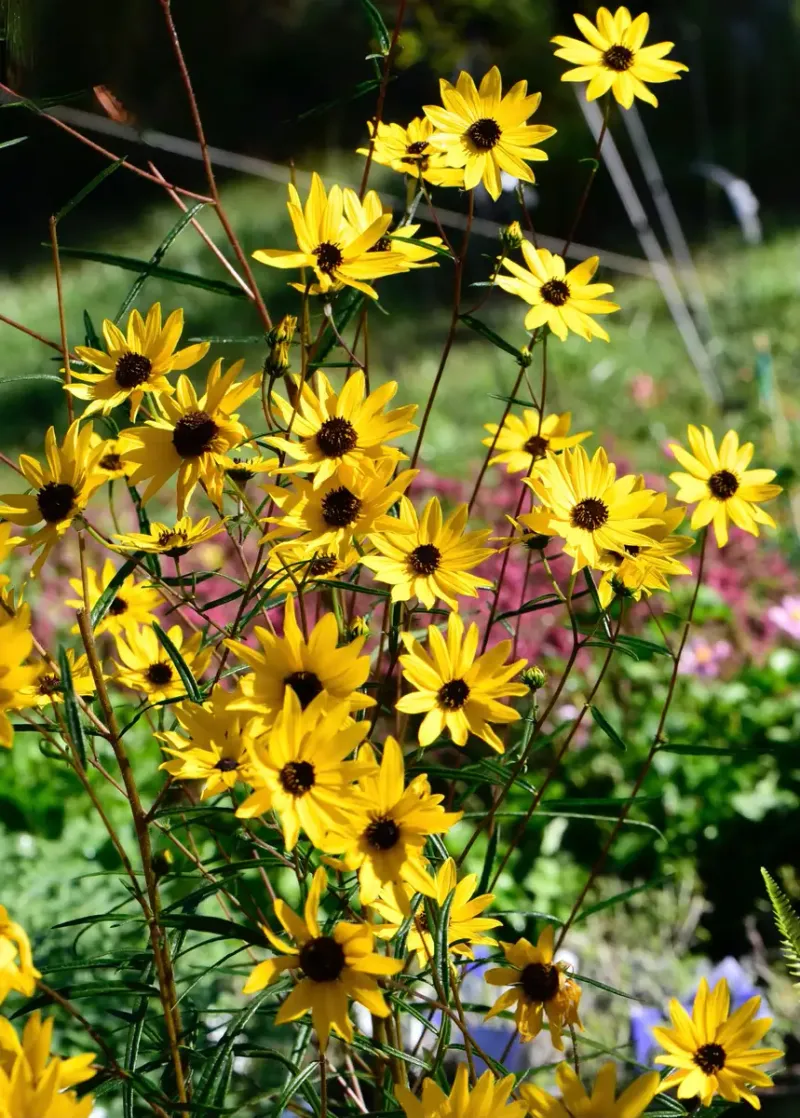
Picture a wall of gold six feet tall, glowing in October when the rest of the yard is fading to brown. Swamp sunflower grows wild in ditches and wet meadows across the Coastal Plain and Piedmont, so a soggy clay corner feels like home to it.
Narrow leaves and hundreds of small yellow blooms make it look lighter and airier than the big annual sunflowers you might know.
Give it full sun and a spot where water likes to sit after storms. It spreads by roots, so plant it where it can roam a bit, like along a back fence or the edge of a rain garden.
Pinching the stems back by half in early June can keep it shorter and less floppy.
Late-season bees and butterflies lean on its nectar heavily, and goldfinches pick at the seed heads once blooms fade. Leave those stems standing through winter instead of cutting them down.
Bonus: it makes a fine native swap for invasive Japanese knotweed in wet, sunny spots.
2. New York Ironweed (Vernonia noveboracensis)
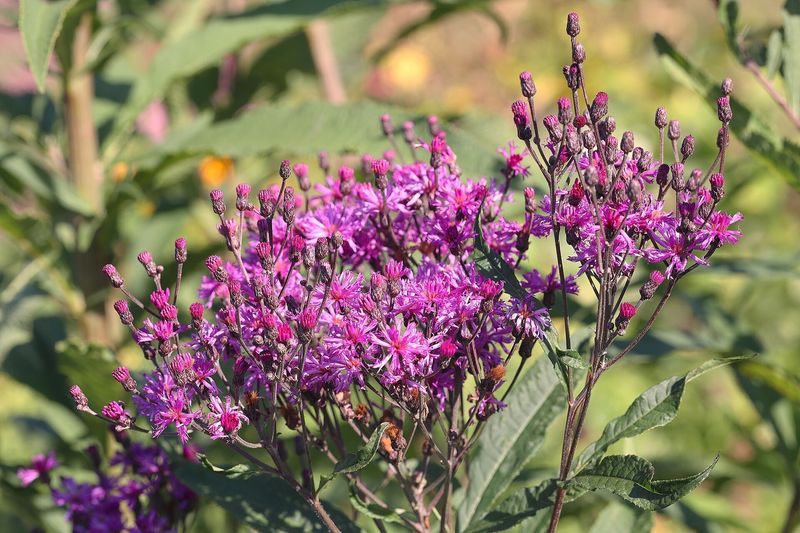
Deer walk right past it. That alone earns New York ironweed a spot in many Piedmont yards, where hungry deer flatten almost everything else by September.
Its fuzzy, deep purple flower clusters top stems that can reach six feet or more. In the wild, you will spot it along North Carolina roadsides and river floodplains, places where heavy clay stays wet for weeks.
Your backyard drainage swale is basically the same habitat with a mailbox nearby.
Monarchs, skippers, and native bees swarm the blooms from late summer into early fall, giving migrating butterflies a fuel stop on their trip south. Plant it toward the back of a bed and pair it with goldenrods or swamp sunflower for a purple and gold combo that looks planned even if it was not.
Cutting stems back in late spring keeps the plant bushier and a little shorter.
3. White Turtlehead (Chelone glabra)
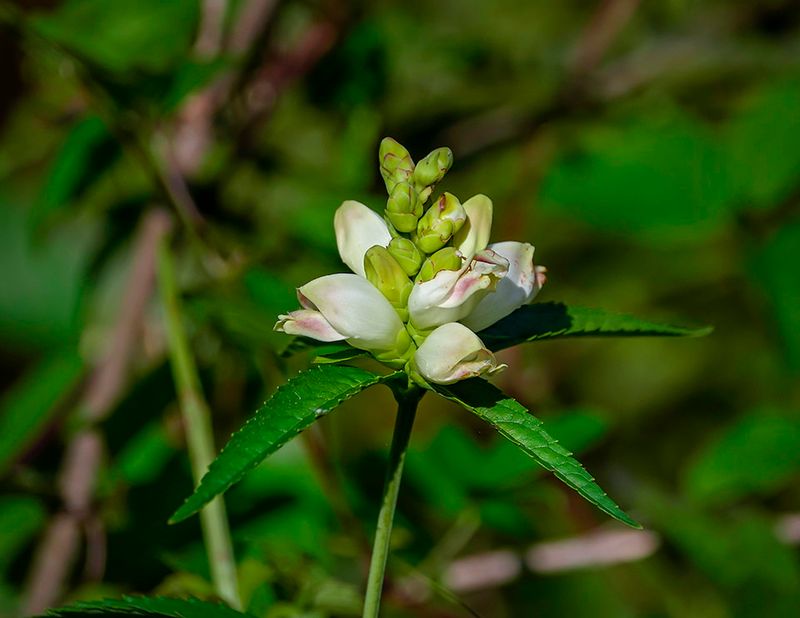
Squeeze a bloom gently, and it opens like a tiny turtle’s mouth. Kids love that trick, and so do bumblebees, which are strong enough to push their way inside for nectar.
White turtlehead grows naturally along streams and wet woodland edges, especially in the mountains and Piedmont. It handles part shade and constantly damp clay with ease, which makes it a smart pick for that mushy spot under trees where grass gave up years ago.
Flowers show up in late summer and keep going into early fall.
Here is the real stewardship payoff. Turtlehead is the main host plant for the Baltimore checkerspot butterfly, whose caterpillars need it to survive.
If you see munched leaves, celebrate rather than spray.
4. Joe Pye Weed (Eutrochium spp.)
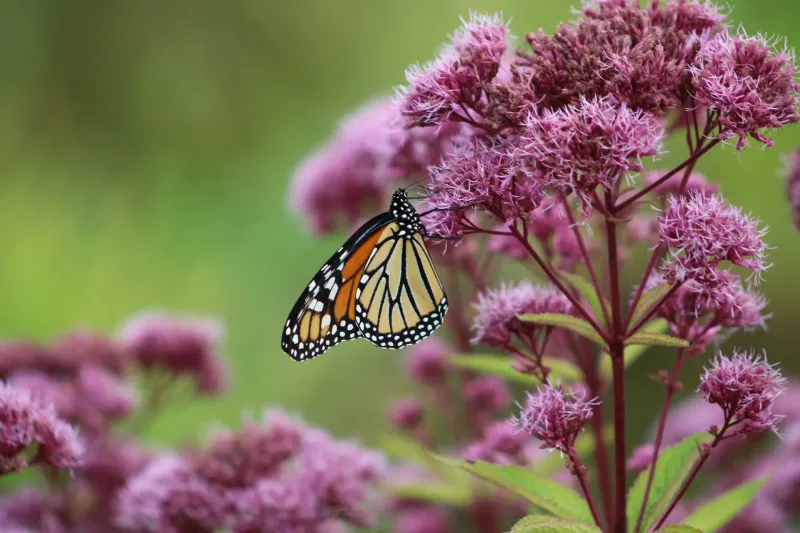
Ask any butterfly gardener in Raleigh which plant draws the biggest crowd, and Joe Pye weed comes up fast. Its huge dusty-pink flower domes can host a dozen swallowtails at once on a warm September afternoon.
Native Joe Pye species tolerate both clay and standing water, so they shine in rain gardens and low corners where runoff collects. Some types tower past seven feet, while compact selections stay closer to four.
Measure your space before buying so it does not swallow your patio view.
Bloom runs from late summer into early autumn, bridging the gap between summer flowers and the asters. Bees and hummingbirds visit too.
The plant gets its odd name from folk stories about a healer who supposedly used it for fevers, though historians still argue about who Joe Pye really was.
5. Cardinal Flower (Lobelia cardinalis)
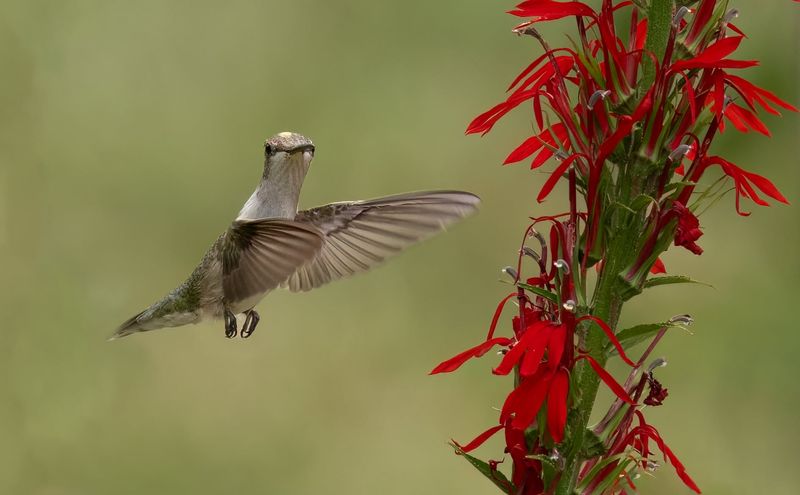
Few reds in nature hit as hard as cardinal flower. Those scarlet spikes almost seem to glow along shady creek banks in late summer, and ruby-throated hummingbirds treat them like a refueling station before heading to Central America.
Moist, shadier spots suit it best, and it truly prefers soil that never fully dries. Clay works fine as long as it stays damp.
Avoid smothering the low leaf rosettes with thick mulch in winter, since that can rot the crown.
Individual plants can be short-lived, but they reseed when happy. Let a few stalks drop seed, and you will get new plants nearby.
Tuck it near a window so you can watch the hummingbird visits up close.
6. Native Asters (Symphyotrichum spp.)
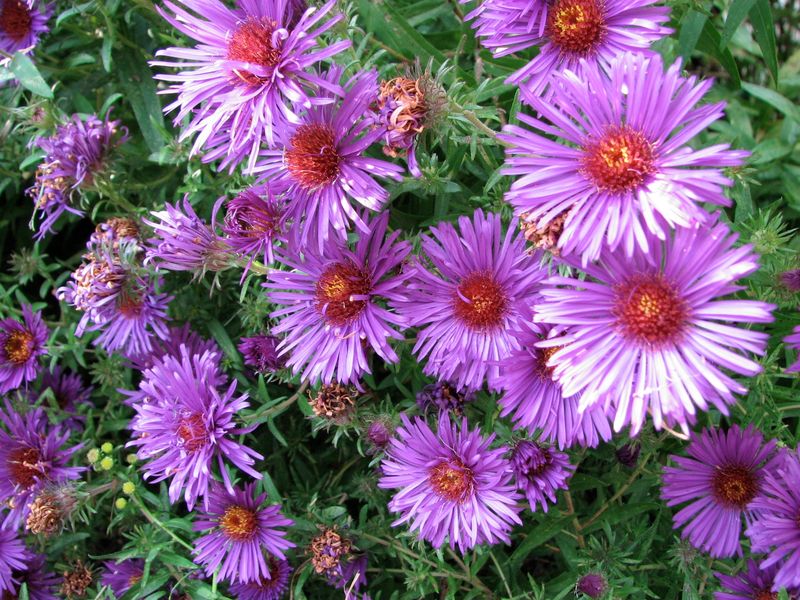
When October rolls in and almost nothing else is blooming, native asters light up yards in purple, lavender, and white. North Carolina is home to dozens of species, and several handle heavy clay better than most imported perennials ever could.
For damp, sunny ground, New England aster is a dependable choice with rich purple petals and orange centers. Georgia aster, a rare Southeastern native, prefers drier edges but brings huge violet blooms.
Late purple aster and eastern silvery aster suit spots that drain a bit better, so match species to your yard’s wettest and driest zones.
Asters support a long list of native bees and butterflies, and they host caterpillars of the pearl crescent butterfly. Swap them in for invasive burning bush or non-native mums near your foundation.
Cut stems back by a third in early summer to keep them tidy.
7. Buttonbush (Cephalanthus occidentalis)
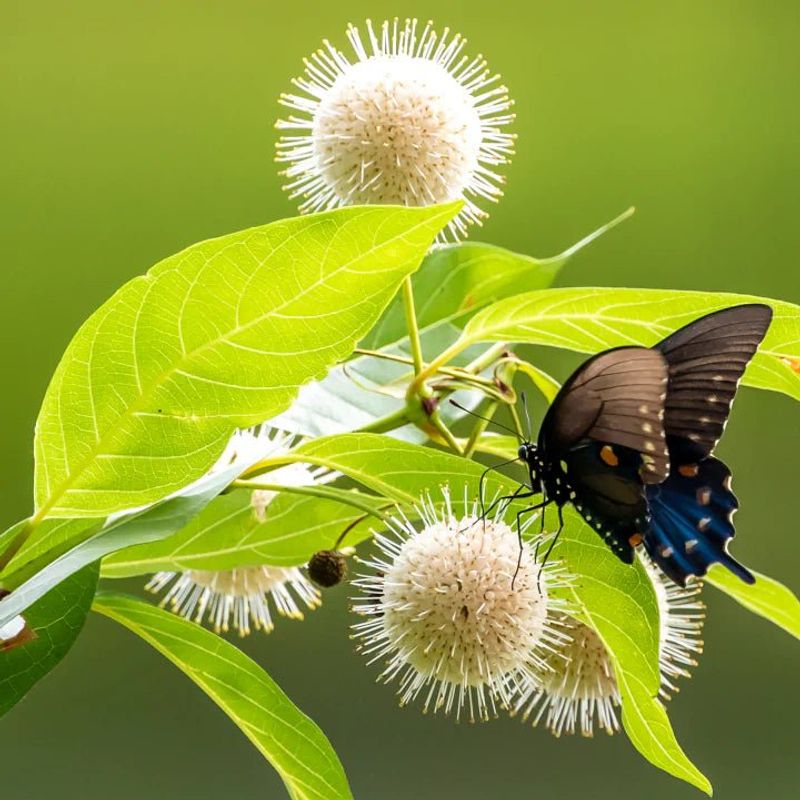
Some shrubs tolerate wet feet. Buttonbush practically demands them, growing happily at pond edges and in spots that flood for days.
Its round white flowers look like little pincushions or tiny space satellites. Bees, butterflies, and hummingbirds flock to them in summer, and the plant serves as a larval host for about two dozen moth and butterfly species.
As fall arrives, the blooms turn into reddish seed balls that hang on for months.
Those seed heads feed songbirds and even ducks, while the dense branches give shelter to small animals. If you have a low spot in the Coastal Plain that never dries out, this shrub can turn it into wildlife habitat.
Plan for eight feet or more, though a hard spring prune keeps it smaller.
8. Winterberry Holly (Ilex verticillata)
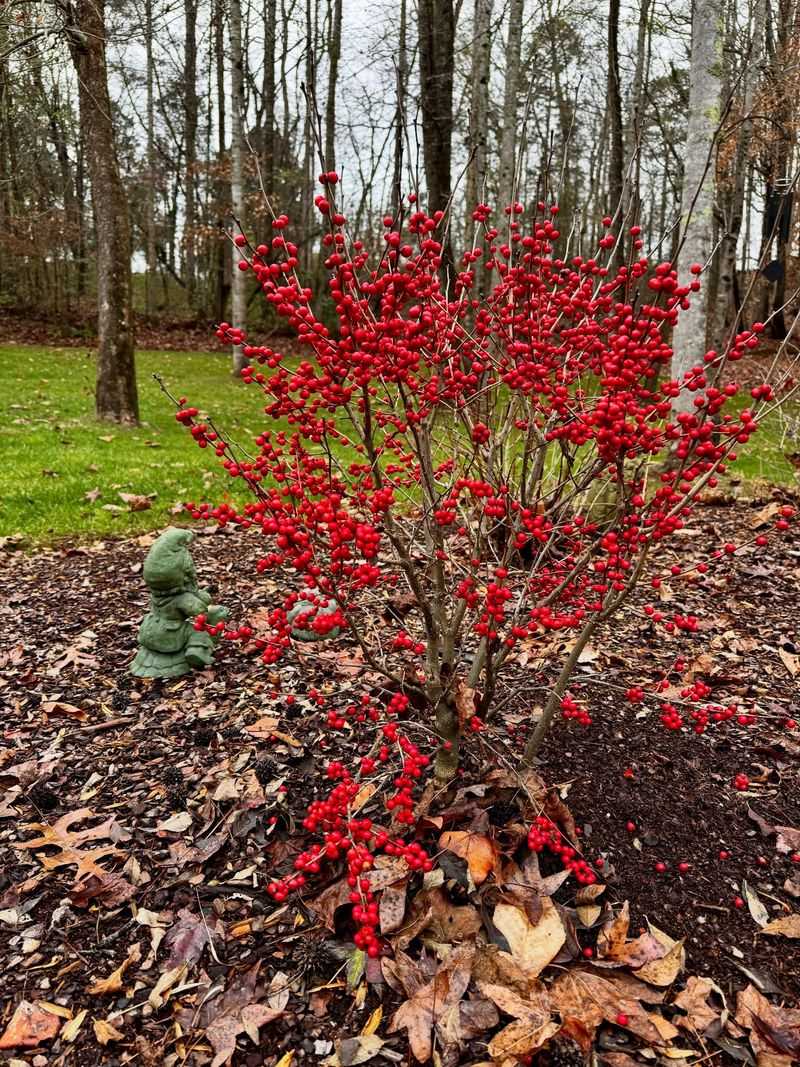
Okay, the flowers are tiny. Winterberry earns its place here for what happens next: by late fall, bare branches explode with bright red berries that last well into winter.
This deciduous native holly loves wet, acidic soil, which describes much of North Carolina’s clay. It thrives in rain gardens and soggy borders where boxwoods would sulk and die.
You will need at least one male plant nearby for the females to set fruit, so buy them as a pair.
Cedar waxwings, eastern bluebirds, and robins strip the berries when food runs short, making it a lifeline for overwintering birds. It also works as a great stand-in for invasive nandina, whose berries can be toxic to birds.
Pull the nandina this fall and plant winterberry in its place.