
Winding Trails in Your Lawn May Point to Vole Activity Before Winter
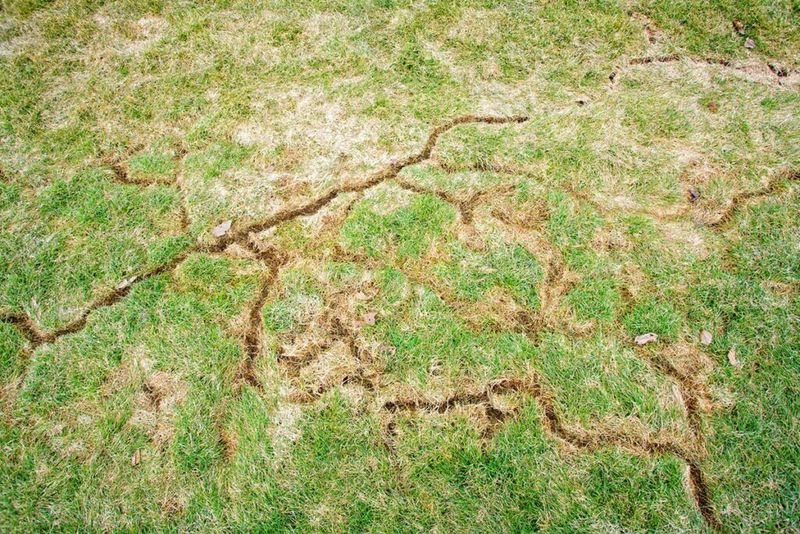
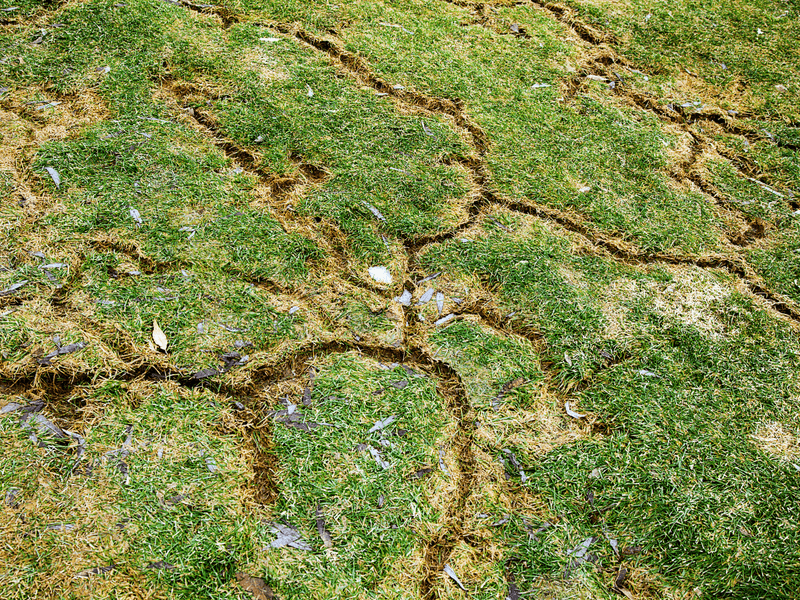
You walk out one fall morning and spot thin, winding paths running through your grass. It is natural to wonder what made them and whether your yard is in trouble.
Small clues like clipped blades, tiny holes, and droppings can help you work out the likely cause. Here is how to read your lawn calmly and respond in a way that fits what you actually find.
What does a narrow trail actually tell you?
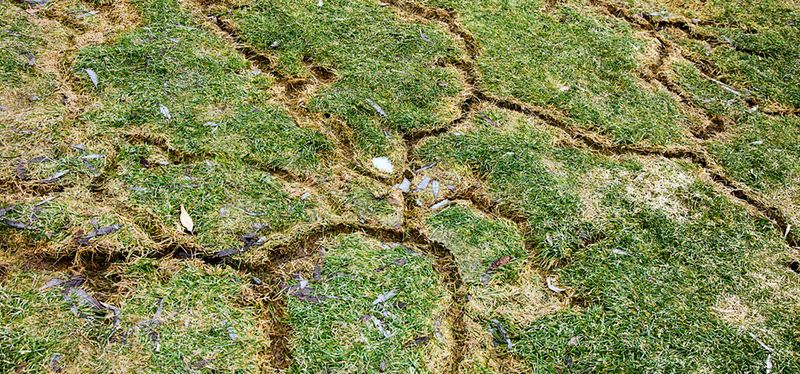
Narrow, irregular paths through clipped or pressed-down grass can support a vole diagnosis. They look like tiny footpaths wandering from one patch of cover to another.
Seeing one is a good reason to look closer, but it is only the first clue.
Next, check the edges of the trail for other signs. Small burrow openings, tiny droppings, and freshly cut bits of grass or stems lying along the path all add weight to the idea that meadow voles are using the route.
The more of these clues you find together, the more confident you can be.
Width can help a little, too. Penn State Extension describes well-used meadow vole travel lanes as about 1.5 inches wide, while Utah State Extension gives a broader range of roughly 1 to 2 inches.
Treat those numbers as rough hints, not a test that settles the question. A path that measures a bit differently could still be a vole path, and one that matches could still have another cause.
A trail can look alarming, especially when it cuts across turf you work hard to keep neat. Take a few photos, note where the paths begin and end, and keep reading before you decide on any action.
Mole ridges point to a different problem
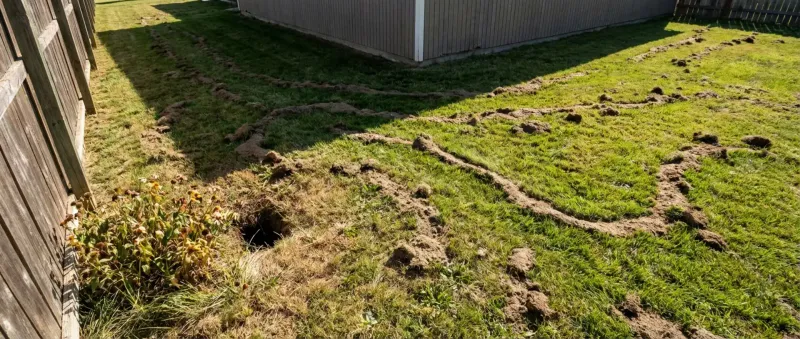
Raised soil is the big dividing line. Moles push up soil as they tunnel, leaving ridges that feel spongy underfoot and cone-shaped mounds of loose dirt.
Vole paths are generally irregular trails on the surface without piles of soil.
The University of Minnesota Extension lists ridges, mounds, and bumps as clues that point toward moles rather than voles. Press a foot gently along a ridge.
If the ground sinks or lifts like a hollow tube, moles are the better suspect. Penn State Extension also describes mole damage as soil pushed up during underground tunneling.
Keep in mind that lawn problems can overlap. Snow mold, other turf trouble, or even a mix of moles and voles can leave a yard looking messy.
Not every path or uneven patch is a vole tunnel, so sort out what you see in each spot instead of giving the whole lawn one label.
A fall trail cannot date the arrival
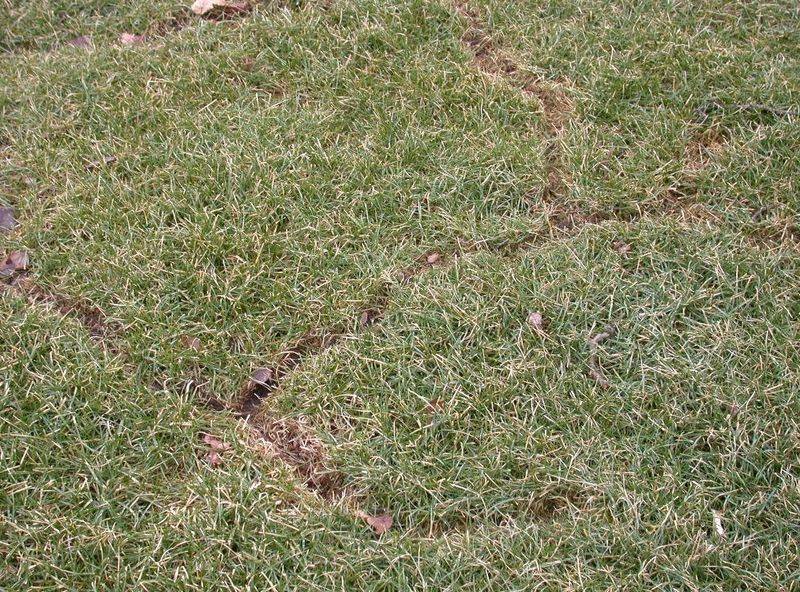
Spotting a trail in October tells you something may be active now. It does not tell you when the animals showed up, how many live nearby, or whether they have started new tunnels.
Voles can be there all year, and you may simply be noticing them as leaves clear and grass thins.
Meadow voles commonly travel in surface runways, according to Penn State Extension. Some other vole species build more underground tunnel systems, so one species’ habits should not be assumed for all.
Voles also stay active through winter. Their routes often become most obvious after snowmelt, when the paths they used beneath the snow suddenly show up on bare turf, as noted by UNH Extension and Illinois Extension.
So when a trail becomes visible and when voles settled in are two separate things. Visibility changes with the seasons, while the animals may have been around much longer.
The lawn may recover, but young trees need attention
Vole-marked turf often bounces back once grass starts growing again. Trails that look dramatic in early spring may fade within weeks.
Where damage is severe, light overseeding can fill in bare spots, as Illinois Extension explains in its winter lawn guidance.
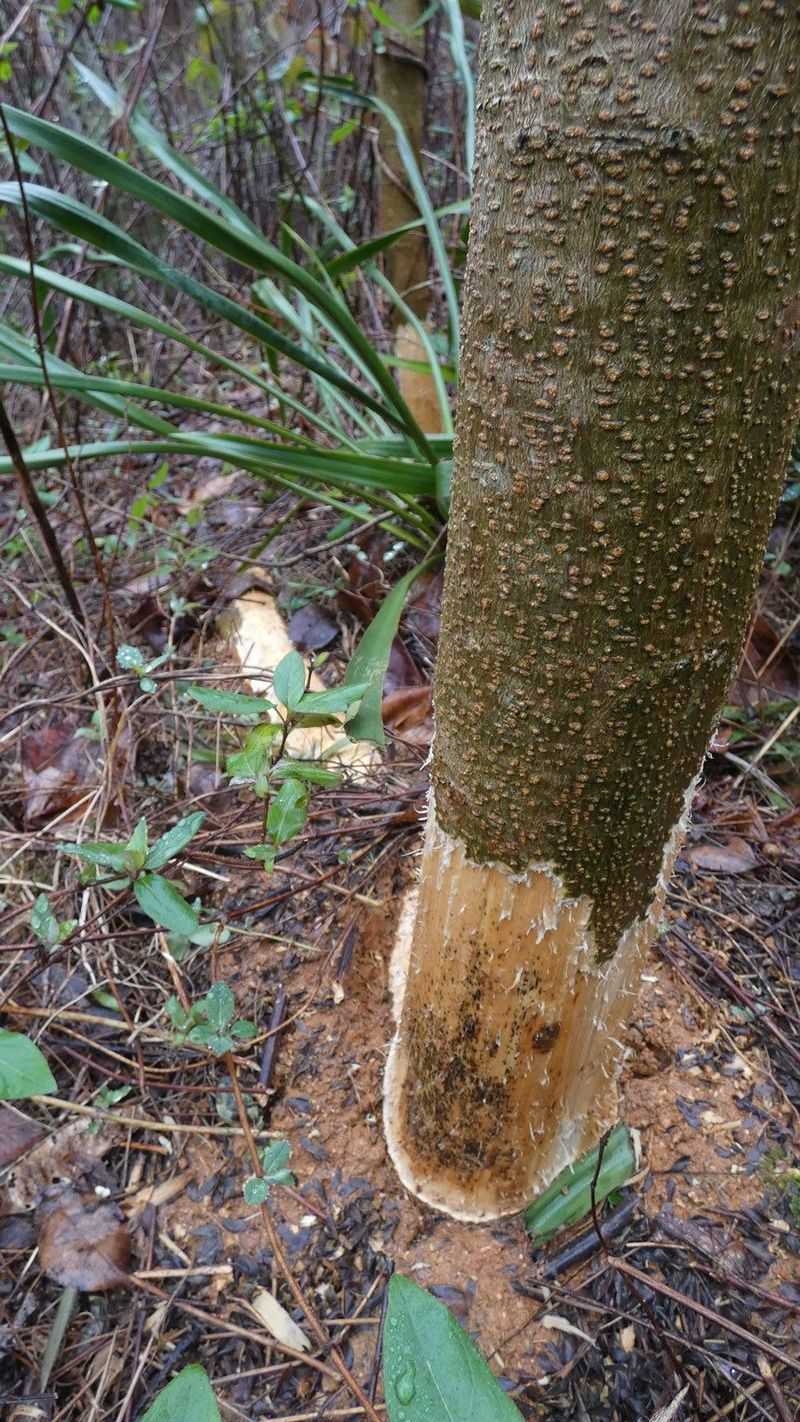
Young trees and shrubs are a different story. When voles gnaw bark or roots, the injury can be lasting, and a tree girdled around its trunk may struggle or die.
That is why the base of each plant deserves a look, not just the grass around it.
Crouch down and check trunks near the soil line for scraped bark, small tooth marks, or bare patches. UNH Extension points out that voles feed on bark and roots, so thin-barked young plantings deserve the closest inspection.
Put your energy where the stakes are higher. A scruffy lawn is mostly cosmetic, while a damaged young tree is harder to fix.
Reduce cover without treating mowing as a cure
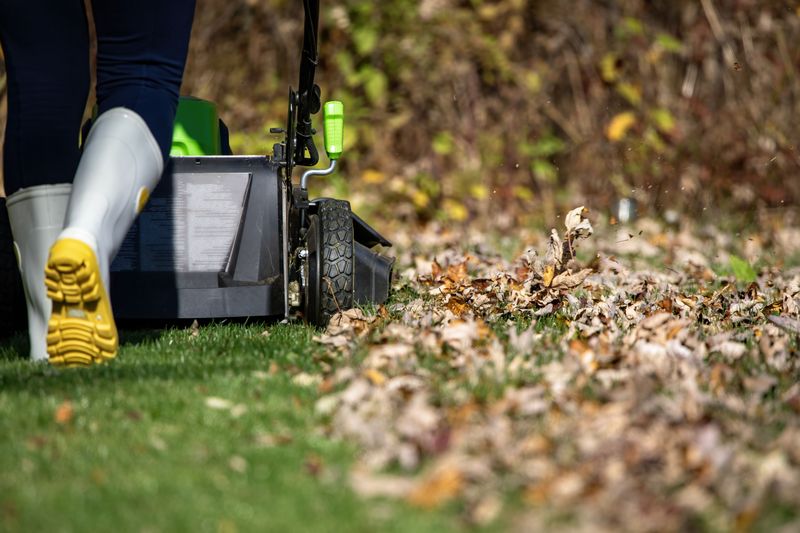
Voles like places to hide. Tall weeds, thick grass, and heavy debris near the lawn or beside young plantings give them cover, so trimming back excess growth may make the spot less appealing.
It is a gentle step that can reduce the welcome mat, not a guaranteed cure.
Keep mowing until the grass goes dormant. Illinois Extension suggests a final height of about 2 inches, and University of Minnesota Extension advises not mowing below 2 inches.
Think of that as regional lawn-care guidance. Your grass type and local climate may call for a different final height, so check with your county extension office.
There is a trade-off, too. Clearing vegetation also removes habitat for other wildlife, including animals that prey on voles, as Illinois Extension notes.
Focus on thinning the thickest cover next to vulnerable trees and beds rather than stripping the whole yard bare.
Guard vulnerable trunks before snow covers the ground
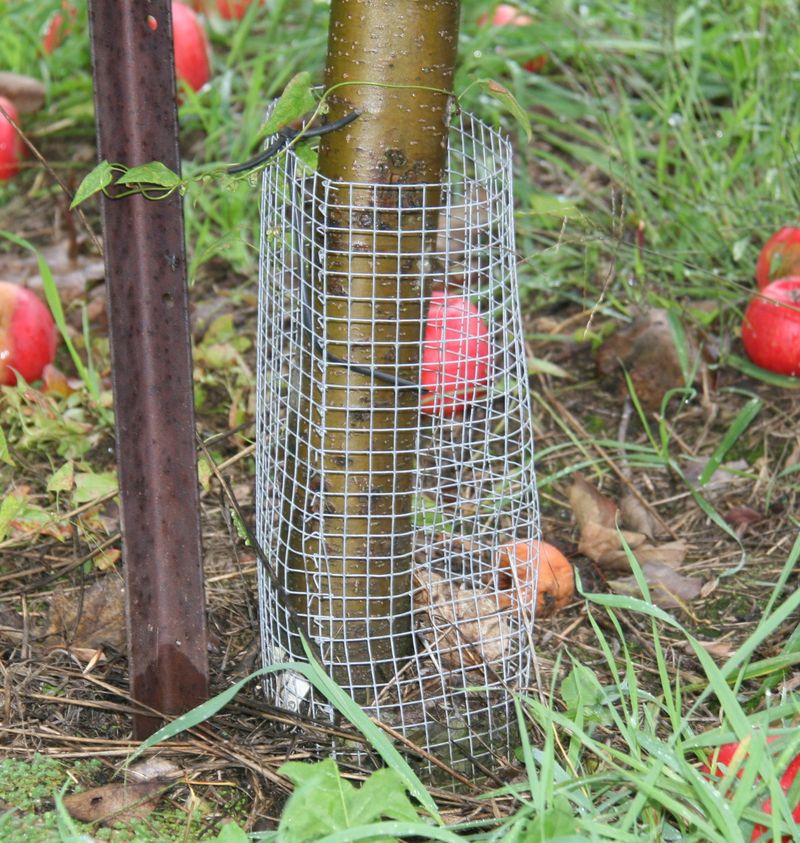
A physical barrier is one of the most dependable ways to protect a young tree or shrub. Extension sources recommend cylinders of hardware cloth with openings no larger than one-quarter inch, which keep small gnawing mouths away from the bark.
Details vary by source. Recommended burial depth and above-ground height are not the same everywhere, so avoid treating one number as right for every yard.
UNH Extension covers hardware cloth guards for this purpose.
Think about your local snow. Deep drifts let voles work higher up a trunk, so the guard should reach above the typical snow line where you live.
Leave a little space between the cloth and the trunk, and allow for growth so the guard does not squeeze the tree over the years. Illinois Extension also shares tree protection advice for winter.
Set guards in place in fall, before snow hides the ground and the work gets harder.
Trap only when a small problem is confirmed
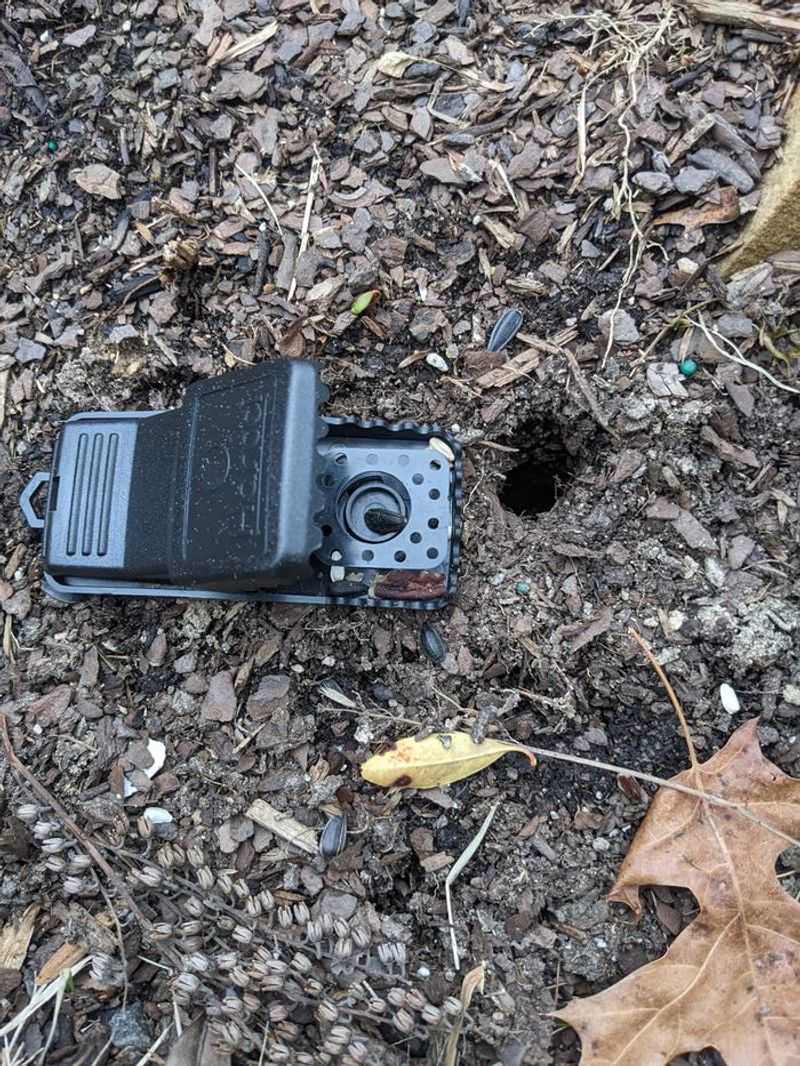
Trapping fits a small problem you have confirmed, such as a few active runways near a prized planting. It is not a fix for a whole lawn or for a trail you have not verified.
Extension guidance, including Penn State Extension, describes mouse-sized snap traps set in active runways. Cover each trap so birds and other animals cannot reach it, and leave enough clearance for the mechanism to spring.
Illinois Extension also mentions trapping as an option for limited areas.
Poison is not a simple first move. Products and permitted uses differ, and the EPA says users must follow the specific product label and keep baits out of reach of children and pets.
Poisoned rodents can also put wildlife and pets at risk.
If the problem is larger than a few spots, a local extension office can help you weigh the options.
Inspect first, then match the response to the risk
Start with the trail and the clues around it, then rule out mole ridges. One fall sighting cannot show when voles arrived, so avoid guessing at an invasion.
Check Penn State, UNH, or Illinois Extension for local detail.
Look after the young trees and shrubs first, then choose the mildest step that fits. A trail is a clue, and what you do next should be only as big as the problem.