
11 Perennials You Should Cut Back Now (And 5 You Should Leave Standing Until Spring)
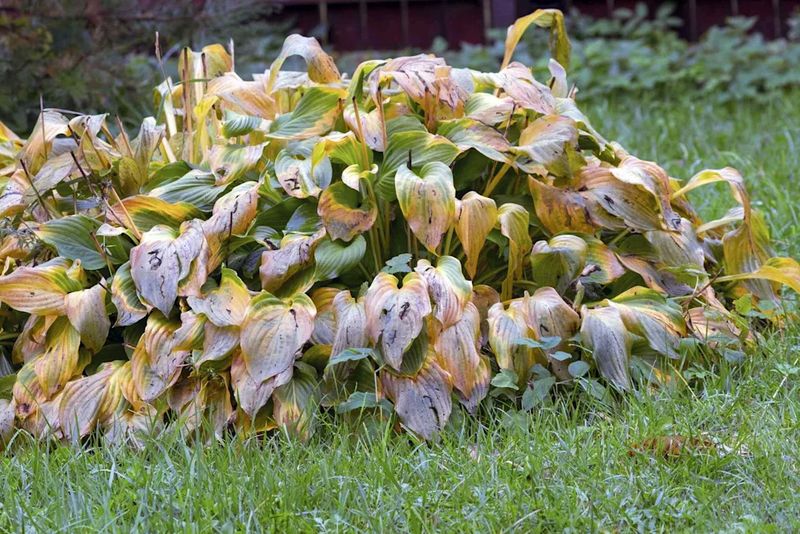
Your garden is fading, and the pruners are calling your name. But cutting every brown stem to the ground can actually hurt some plants and leave birds hungry all winter.
Other perennials really do need a fall trim to stop disease and pests from sleeping in your beds. Here is which ones to cut now, which ones to leave alone, and why it matters for next year’s blooms.
1. Peonies
Few plants hold a grudge like a peony with botrytis. Leave those floppy, spotted leaves lying around all winter, and the fungus waits right there to attack next spring’s fresh shoots.
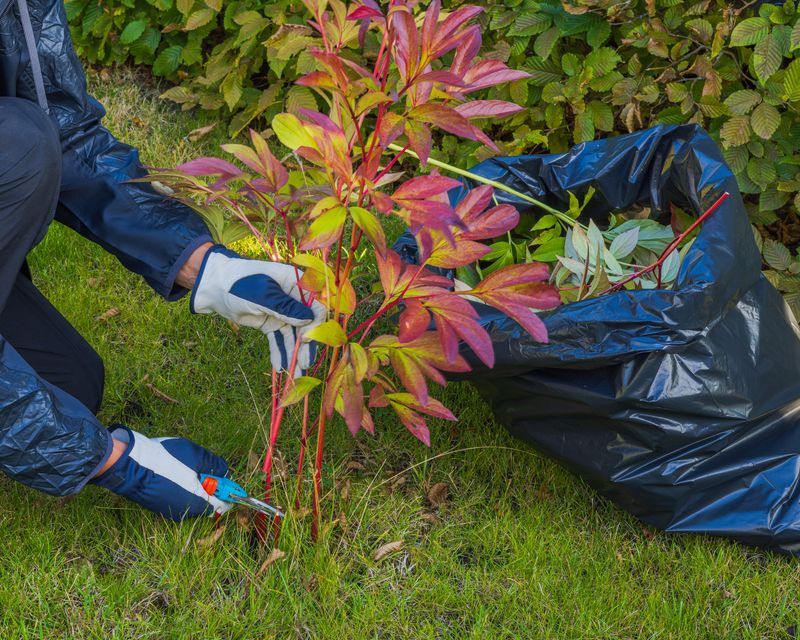
Once the foliage yellows and flops, cut every stem down to ground level. Be careful not to dig into the crown, since the pink buds for next year sit just below the soil surface.
Bag the leaves or toss them in the trash instead of the compost pile. Botrytis and powdery mildew spores can survive a backyard compost heap that never gets hot enough to kill them.
2. Hostas
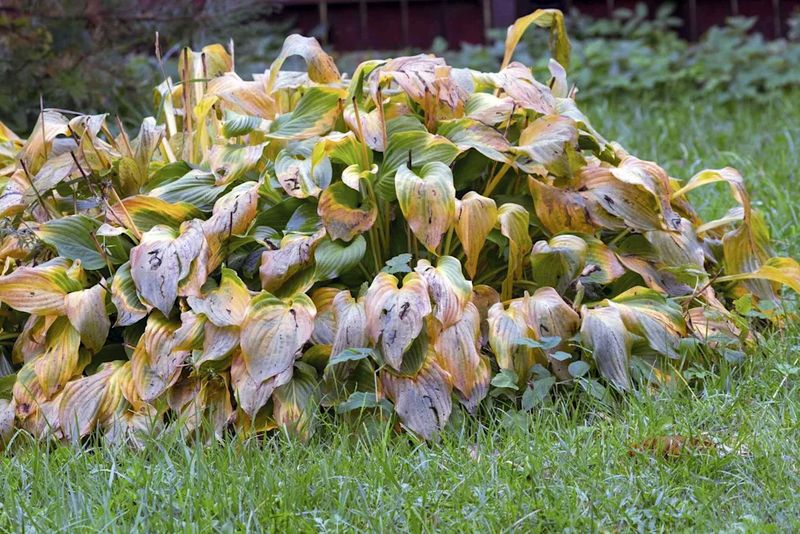
After the first hard frost, your hostas turn into a pile of slimy, translucent mush overnight. It looks sad, and honestly, it smells a little sad too.
That mush is a cozy nursery for slugs. They lay eggs in the decaying leaves, and come spring, a fresh army hatches right next to your tender new shoots.
Wait until the leaves collapse, then cut them to about two inches above the crown. Rake out the debris, and you may cut down next year’s slug damage noticeably while lowering the risk of rot.
3. Daylilies
Daylilies are tough as old boots. You can practically ignore them and they still bloom, which is why so many of us inherited a patch from a grandparent.
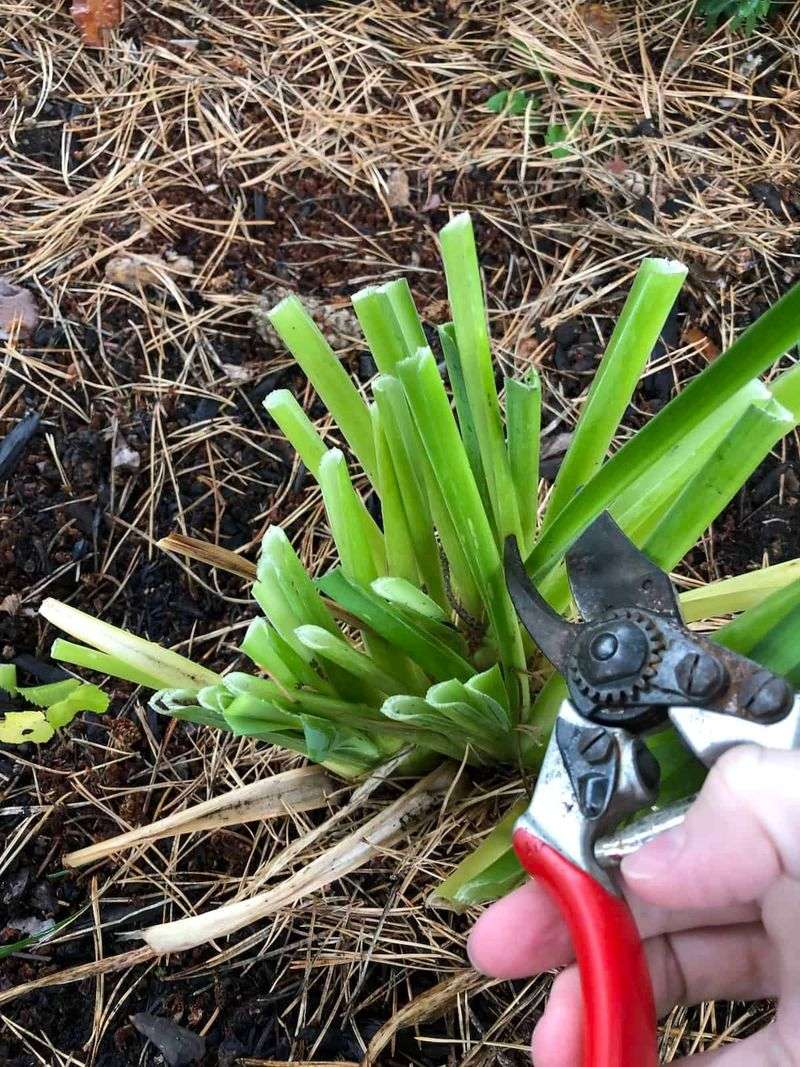
Still, the yellowing, matted foliage they leave in fall can trap moisture and invite leaf streak and other fungal trouble. A quick shearing tidies the bed and takes away those hiding spots.
Grab a handful of leaves and cut a few inches above the soil. Some evergreen types in warm Southern zones keep their green leaves, so just trim off the brown ones there.
4. Bee Balm
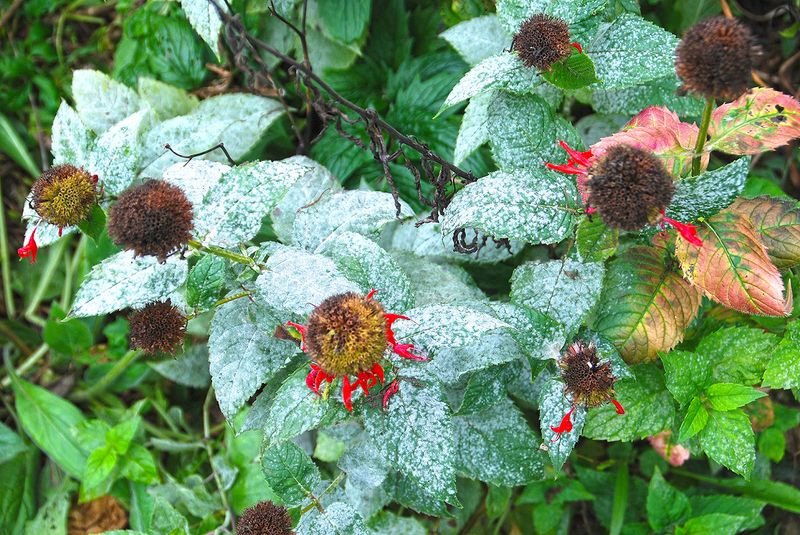
Did your bee balm look like someone dusted it with flour by August? That white coating is powdery mildew, and bee balm is famous for it.
If mildew showed up this year, cut the whole plant to the ground in fall. Removing infected stems takes away a big source of spores that can reinfect the new growth in spring.
Here is the key part: do not compost it. Bag it up for the trash.
If your plants stayed clean all season, you can leave a few seed heads standing for the finches instead.
5. Garden Phlox
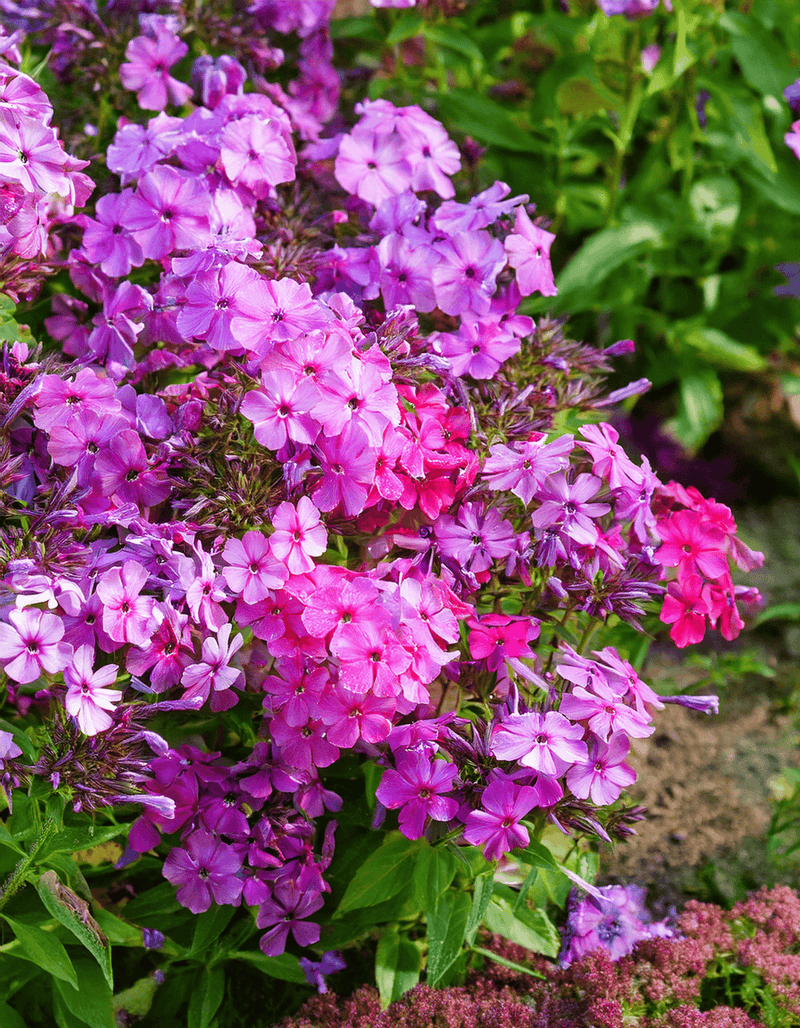
Garden phlox fills July with sweet fragrance and clouds of pink, purple, and white. Then late summer humidity hits, and the leaves go gray and crispy from powdery mildew.
Of all the perennials on this list, phlox may benefit most from a thorough fall cleanup. Remove every stem and fallen leaf so spores have nowhere to overwinter.
Next year, thin the clump in spring by removing a few stems for better airflow. Pair that with your fall cleanup, and you can reduce how badly mildew returns.
6. Bearded Irises
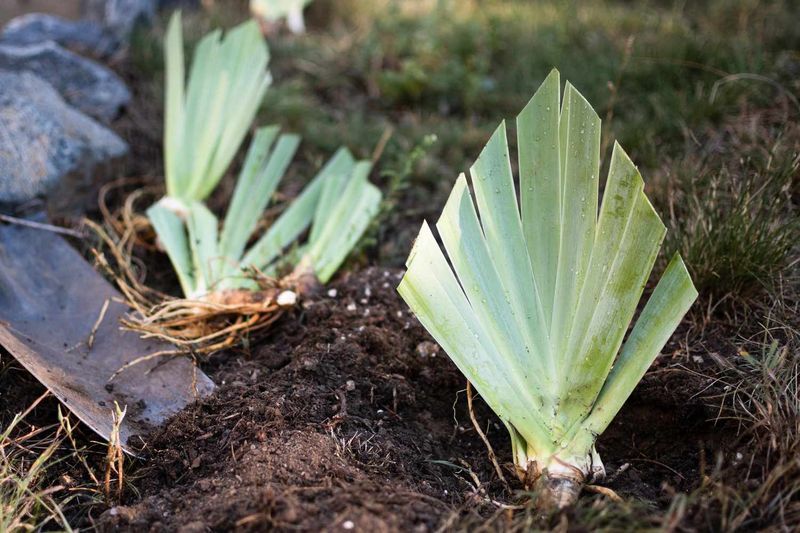
Iris borers are sneaky. The adult moth lays eggs on old iris leaves in fall, and the larvae tunnel down into the rhizomes come spring, turning them into rotten, smelly mush.
After a fall frost, cut the sword-shaped leaves back to four to six inches above the ground. Clear away any dead leaves around the base too, since that is where many of the eggs wait.
Many gardeners trim the leaves into a neat fan shape. It looks tidy and keeps the rhizomes sun-baked, which irises love.
7. Hardy Geraniums
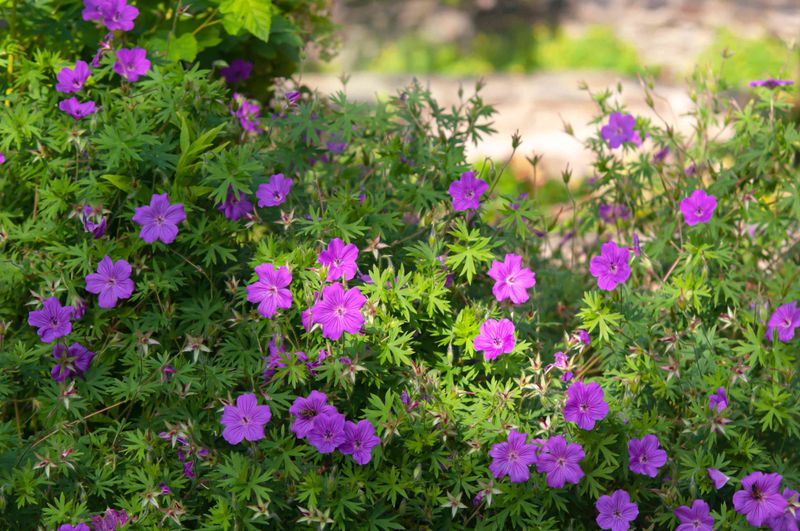
Quick clarification first: we mean hardy cranesbill geraniums, the mounding perennials that return every year. Your potted zonal geraniums are a different plant and need to come indoors before frost.
Once cranesbill finishes blooming and starts to look ragged, trim it to two or three inches above the soil. That helps it settle into dormancy cleanly.
In spring, you will get a tight, fresh mound instead of leggy stems flopping over from last year. It is one of the easiest cuts you will make all season.
8. Hollyhocks
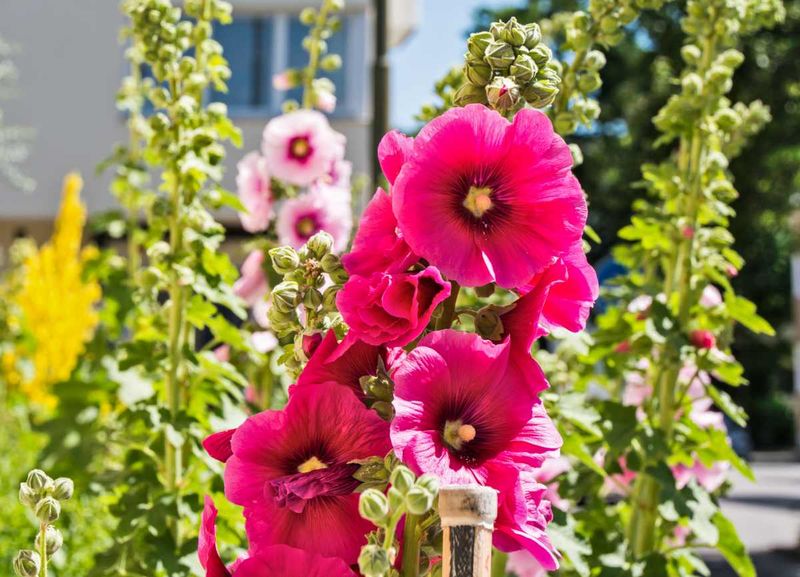
Those towering hollyhock spires were the star of your summer fence line. By fall, though, the leaves are usually covered in orange-brown bumps from hollyhock rust.
Cut spent stalks down to a few inches above the ground and pick up every fallen leaf. Rust spores overwinter on that debris, so a clean bed may help next year’s plants stay greener longer.
Want more hollyhocks? Shake a few ripe seed pods over the bed before you cut.
These old-fashioned beauties often reseed themselves happily.
9. Catmint
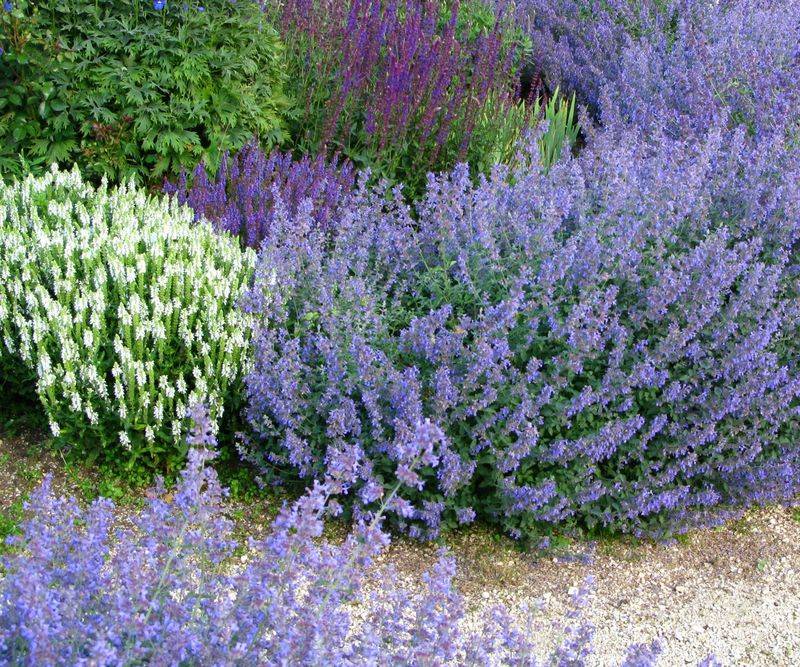
Ask any cat, and catmint is a favorite. Ask any gardener, and its biggest flaw is how it splits open and sprawls by fall.
Trim it to about four to six inches above the soil line. The plant stays neat, and the short stubs left behind can help shield the crown through winter.
Bonus tip: catmint responds to cutting all year. Shear it after its first summer flush, and you will often get a second round of blooms.
10. Columbine
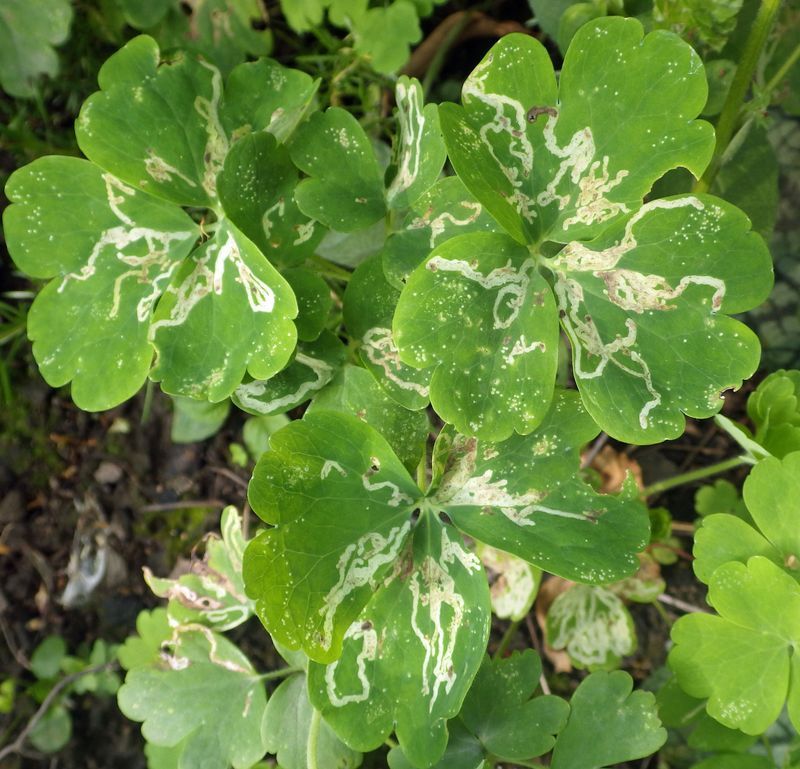
Ever notice squiggly white lines all over your columbine leaves? Those are trails left by leaf miners, tiny larvae that tunnel between the leaf layers.
After the first frost, remove the old and damaged foliage. That helps prevent leaf miners and leaf diseases from carrying over into spring.
Columbine is short-lived but loves to reseed, so let a few seed heads drop first if you want new plants. Then clean up the rest.
11. Yarrow
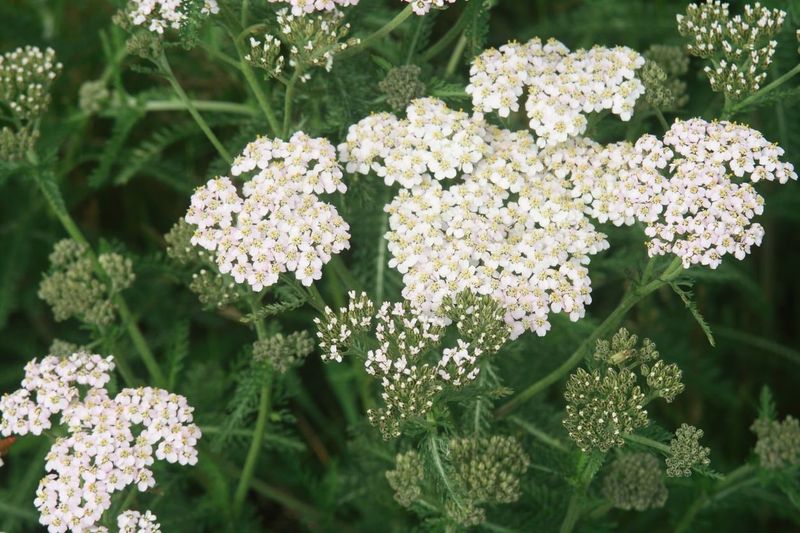
Yarrow has been used for wound care since ancient times, and its name Achillea traces back to the Greek hero Achilles. In your garden, its most heroic trait might be how quickly it spreads.
Cut spent flower stalks in fall to stop heavy self-seeding. Look closely before you snip, though, because a low rosette of feathery green leaves usually sits at the base.
Leave that basal foliage alone. It protects the plant over winter and kick-starts growth in spring.
12. Ornamental Grasses
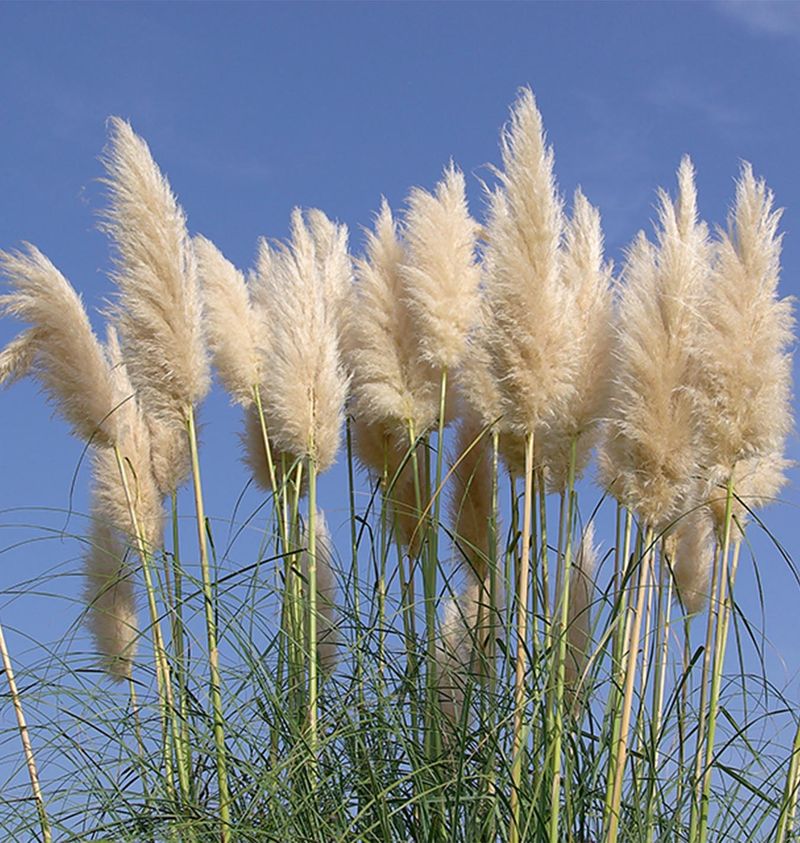
Picture a January morning with frost clinging to tall golden plumes swaying in the wind. That is the payoff for leaving your ornamental grasses alone.
Switchgrass, miscanthus, and feather reed grass add movement when everything else is bare. Their stems also shelter wildlife and give birds nesting material.
Cut them back in late winter or early spring before new green shoots poke up. Tie the clump with twine first, and cleanup takes minutes.
13. Coneflower
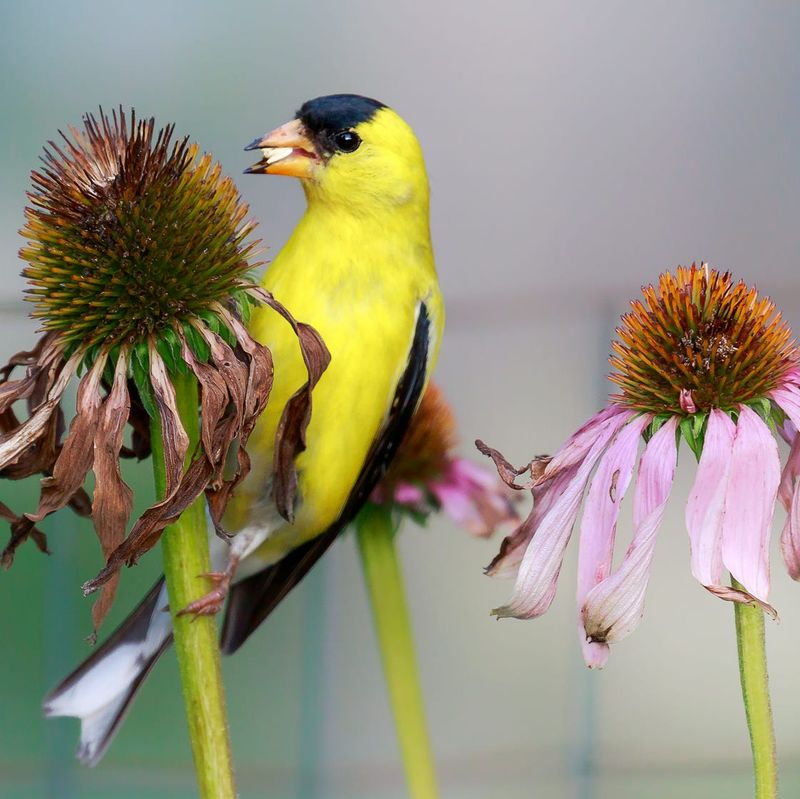
Goldfinches might be the best reason to put down your pruners. They cling to coneflower seed heads all winter, picking out seeds one by one.
Those dark, spiky cones also stand up well to snow, giving your garden texture through gray months. A few may even reseed into new plants.
Wait until spring and cut the old stalks once fresh leaves appear at the base.
14. Upright Sedum
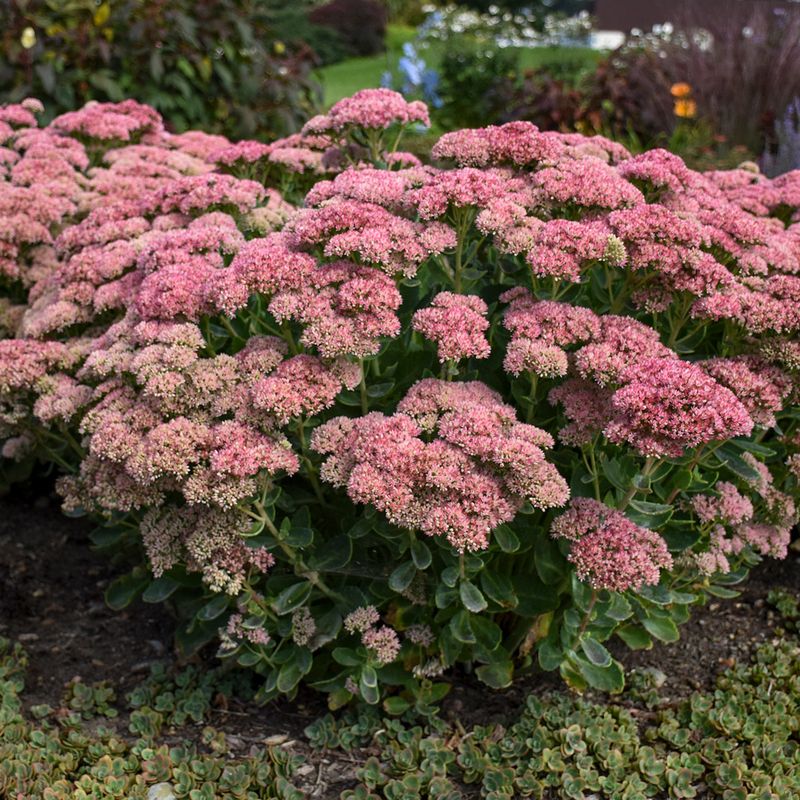
Autumn Joy sedum may be the easiest plant to love in winter. Its flat, rusty flower heads catch snow like little caps.
The stiff stems hold up without flopping, and birds may nibble the seeds. Leaving them in place also helps protect the crown from harsh weather.
In spring, look for tiny rosettes at the base, then snap or cut off the old stems just above them.
15. Joe Pye Weed
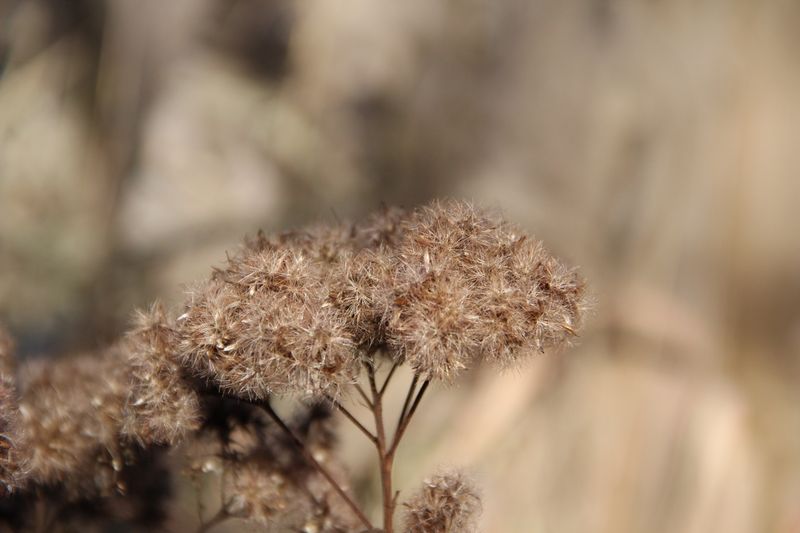
Standing six feet tall or more, Joe Pye weed is a native giant that refuses to disappear in winter.
Its fluffy seed heads feed finches, and its hollow stems shelter native bees over the cold months. Cutting them in fall removes that shelter.
Wait until spring, then cut stalks about 12 to 18 inches high. Leftover stubs can still house nesting bees.
16. Coral Bells
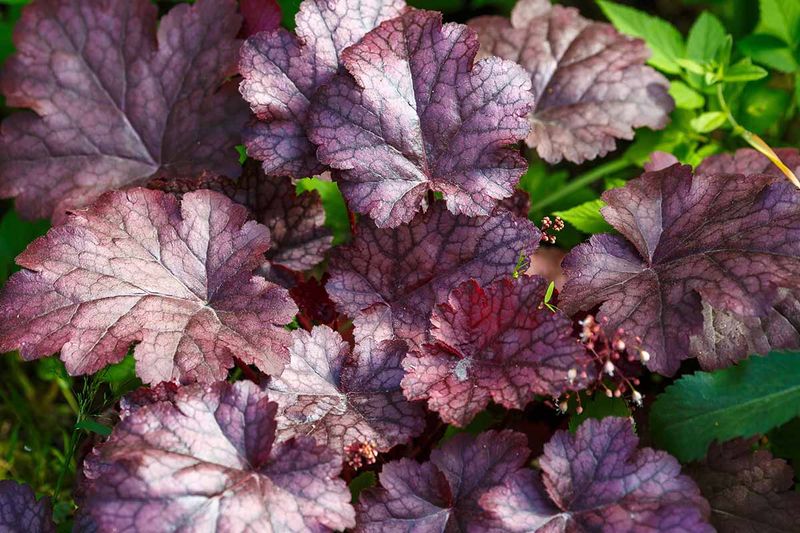
Purple, lime, caramel, and nearly black, coral bells keep their colors well after other plants fade.
Many varieties are evergreen or semi-evergreen, so a fall cutback only strips away the protection their leaves provide. Leave the foliage in place.
In early spring, gently pull off tattered or brown leaves. Fresh new growth will soon fill in the clump.