
Amaranth in the Backyard: Edible Seedlings, Leaves, and Seeds From the Right Type
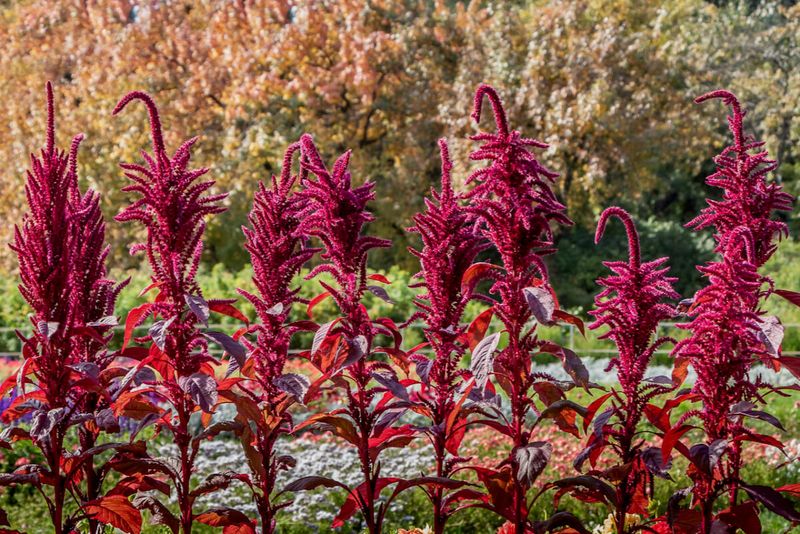
Amaranth has fuzzy ruby plumes that make gardeners stop and stare. Some types can feed you as tiny seedlings, as leafy greens, and as seed.
You may have seen a headline about 200,000 seeds from one plant, but that number belongs to certain weeds, not to a typical food plant. Here is what a backyard gardener can realistically expect, and how to pick the right kind.
The 200,000-seed figure needs a species label
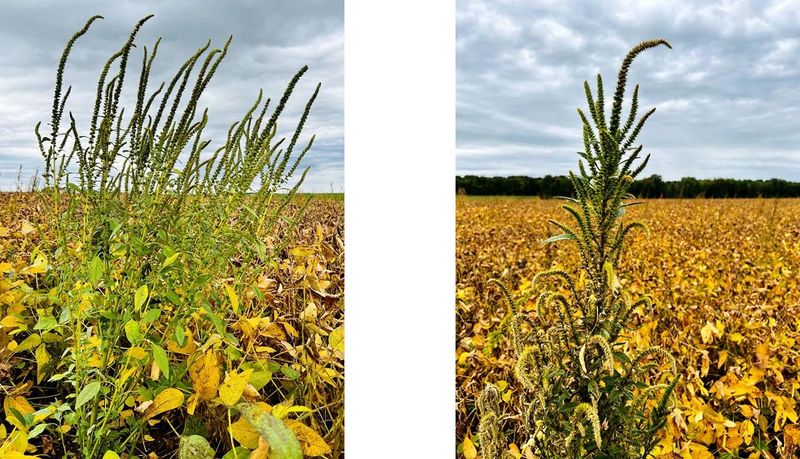
Big seed numbers make great headlines, but this one needs a name tag. The 200,000-plus counts come from pigweeds, the weedy relatives of garden amaranth.
Cornell’s weed profile reports 200,000 to more than 600,000 seeds per female Palmer amaranth under some conditions, so 200,000 is not even a ceiling.
Other pigweeds get similar numbers. An eOrganic guide gives well over 200,000 for certain large, mature pigweed species.
Neither source says a showy ruby-plumed garden plant will produce that many food-ready seeds.
Food crops tell a calmer story. The Crop Trust describes red amaranth (Amaranthus cruentus) seed heads as carrying around 50,000 tiny seeds.
One grain-amaranth field study averaged 18,040 seeds per plant for mid-ripening accessions in a northwestern Russian trial.
Those plants and growing conditions differ, so neither number predicts your yield. Your soil, weather, and variety will decide that.
What amaranth does offer is a handful of well-supported garden uses, and those are what the rest of this article covers.
Choose a food type, not just a ruby plume
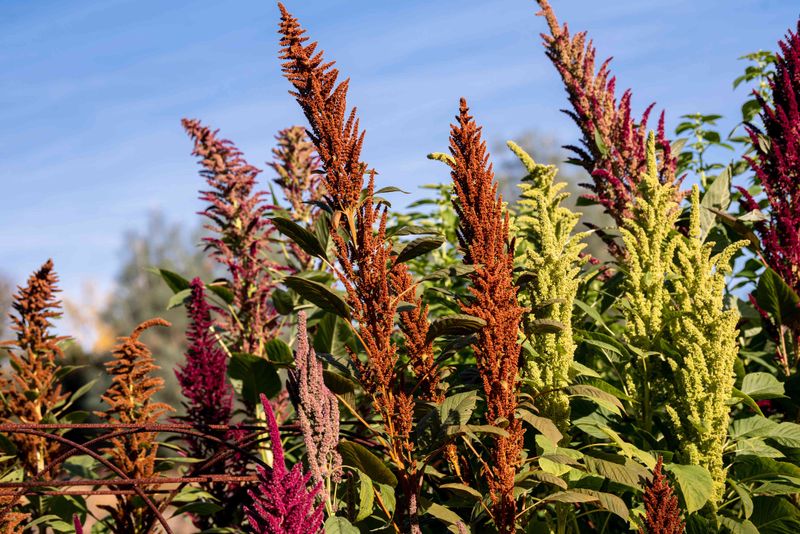
Amaranth is a big family. UF/IFAS separates vegetable, grain, ornamental, and weed types, and notes that color and leaf form vary.
A pretty plume tells you nothing about whether the leaves taste good or the seed is worth harvesting.
So start with a name. Buy seed labeled for eating, and look for the species or variety on the packet.
UF/IFAS Gardening Solutions identifies Amaranthus caudatus as a grain amaranth, and says wild amaranth is not as reliably tasty as cultivated varieties.
Red amaranth (A. cruentus) is another named option. The Crop Trust says it is grown as a grain crop, and its leaves can be cooked as a leafy vegetable.
Here is a quick rule for the garden. If you planted it from a labeled edible packet, you know what you have.
If it popped up on its own, or came from a plant tag that only says ornamental, enjoy the color but do not eat it.
A suitable plant can offer more than one harvest stage
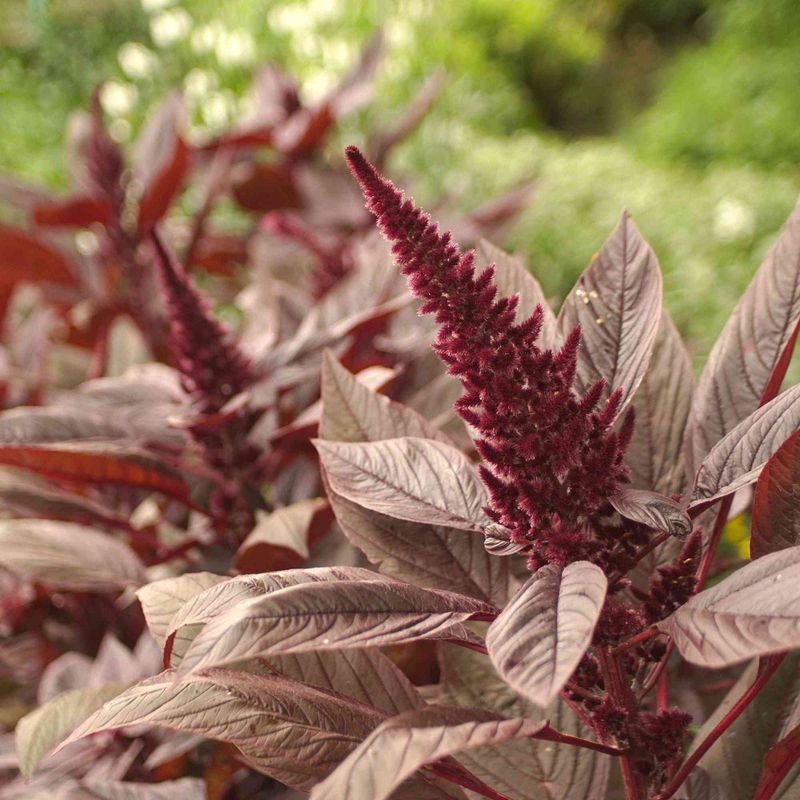
Some edible amaranths give you food at several stages, though not every type does all of it. Seedlings come first.
UF/IFAS suggests using seedlings thinned from the garden as microgreens.
Next come young leaves and shoot tips, which the same source places about 3 to 6 weeks after planting. These suit vegetable types.
Cook them like other leafy greens.
Seed is the last stage, and it fits types grown as grain. The Crop Trust says red amaranth seeds can be cooked, popped, or ground.
Expect a modest harvest of tiny seeds, not a bin full.
Thinned garden seedlings are a different thing from sprouts grown from seed in a jar. If you try home sprouting, know that the FDA warns harmful bacteria on seed can multiply during sprouting, even at home.
Warm soil and steady moisture help the crop get established
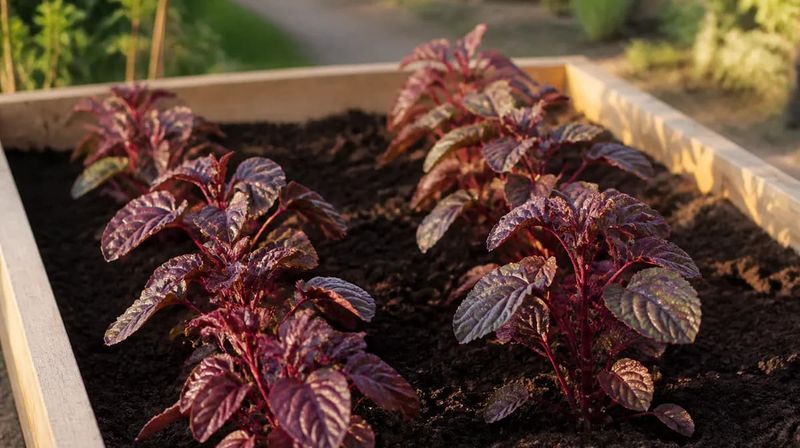
Amaranth likes warmth. UF/IFAS describes vegetable amaranth as a warm-season annual and advises sowing after the last frost, when the soil is about 70°F.
A cheap soil thermometer takes the guesswork out.
Pick a spot with full sun. Sow seed shallowly, since the seeds are tiny, and keep the top layer of soil from drying out until seedlings appear.
After that, aim for moderate, even moisture. Severe water stress can trigger early flowering and lower yield, which means fewer leaves for you.
On the other side, waterlogged roots can contribute to rot, so skip heavy, soggy spots.
If plants look stunted or bolt early, check your watering pattern before anything else. A small soaking when the top inch is dry works better than daily sprinkles or a flood followed by drought.
Mulch helps hold moisture steady.
Because this is general guidance, adjust the exact planting date to your own last-frost date instead of a fixed calendar.
A partial leaf harvest leaves room for regrowth
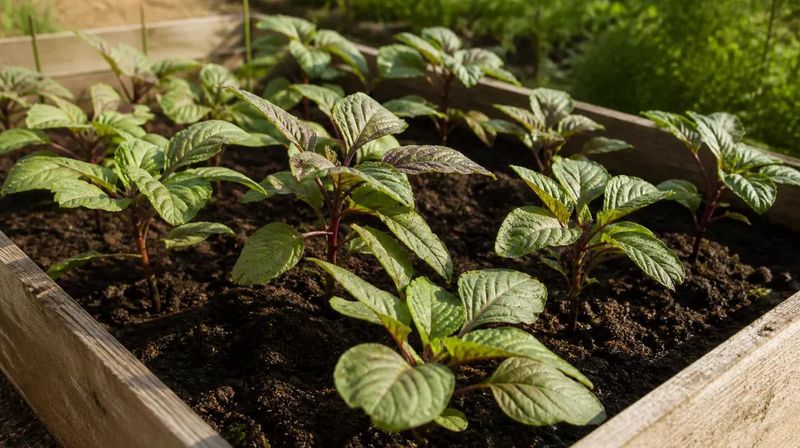
Picking leaves is easier when you treat it as a routine. UF/IFAS production guidance gives about 30 days after sowing as a possible first harvest for vegetable amaranth.
Another UF/IFAS page puts young leaves and shoot tips at about three to six weeks after planting. These are not rival schedules.
They are guideposts, and your weather and variety will shift them.
If you want more than one picking, take only part of the foliage the first time. Snip shoot tips and a few young leaves, then give the plant time to regrow before you return.
Watch for flowers. Once flowering begins, leaves become fewer, so pick more often as plumes start to form, or accept that the plant is moving toward seed.
A handy check: if new growth looks small and slow after a harvest, wait a few days. Cooking the leaves is the usual way to enjoy them.
Mature seed heads can provide seed to save
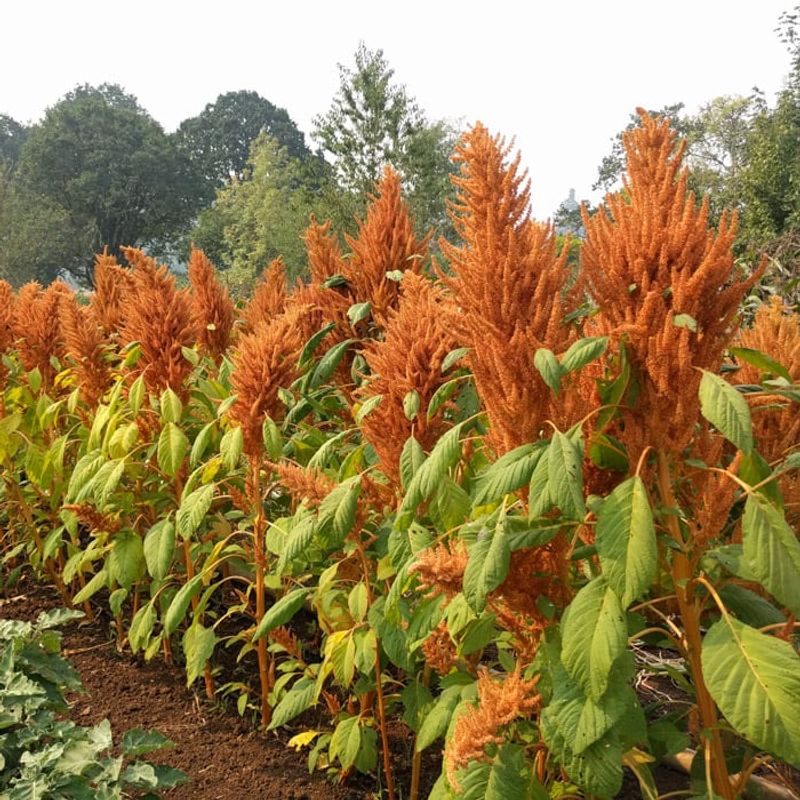
Eating-stage harvests and seed harvests are different jobs. Seed has to mature on the plant.
UF/IFAS seed-saving guidance says amaranth needs extra time beyond the edible stage, so leave some plants unpicked.
When the heads are dry, air-dry them further and shake the seed out. Store it somewhere cool and dry.
Labeling the envelope with the variety name saves confusion next spring.
Saved seed and volunteer plants are possible routes to next year’s planting, not a promise. Germination can be patchy, and a useful crop is not guaranteed.
Volunteers may also pop up where you do not want them, so pull extras while they are small. UF/IFAS reports no evidence that vegetable amaranth is invasive.
Palmer amaranth is another story. University of Minnesota Extension covers it as an invasive weed, so do not assume an unknown volunteer is a friendly garden type.
Match the amaranth to the garden plan
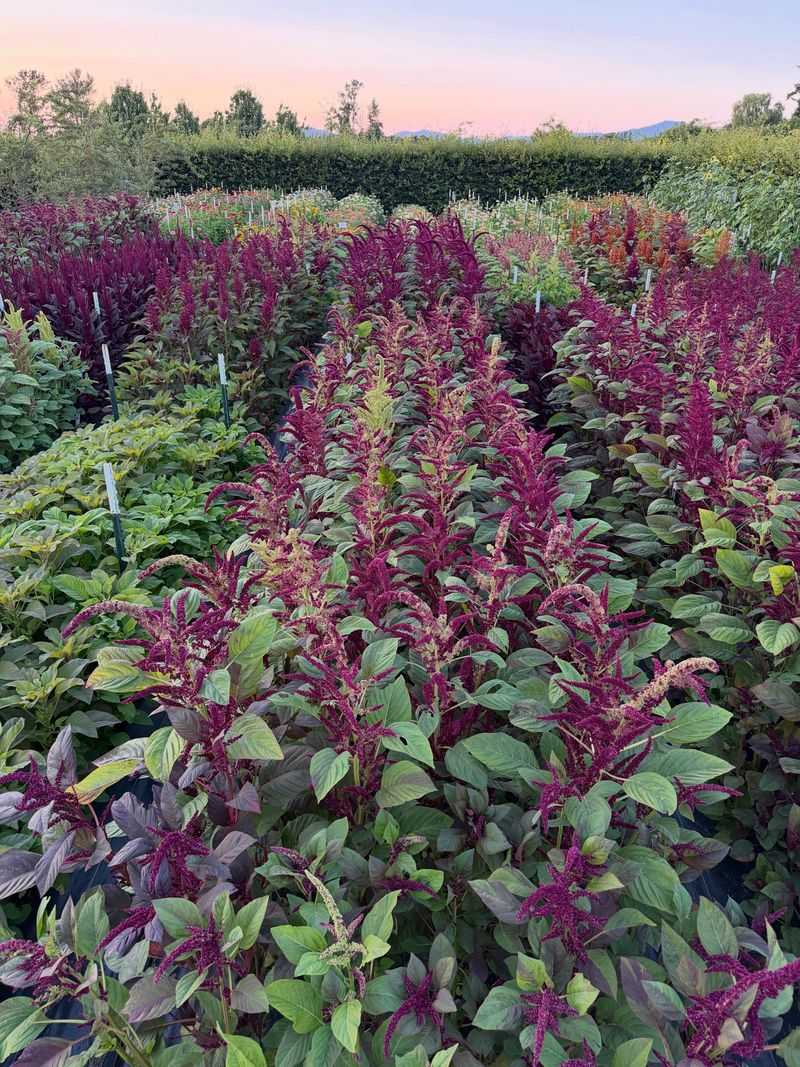
If you want to try amaranth next year, start with a clearly labeled edible type and a sunny spot that warms up well. Decide early whether you want leaves, seed, or a bit of both, since UF/IFAS guidance ties each use to the type.
Let a few plants go to seed if you hope to save some, following the seed-saving advice. A striking plume does not set a particular seed yield, and natural reseeding is never assured.
Plant it for the color, eat what the variety allows, and treat any extra seed as a bonus.