
Lily Of The Valley Is A Poisonous Ornamental: Keep Even The Vase Water Out Of Reach

Those sweet little white bells smell wonderful, and they pop up in shady corners every spring. But lily-of-the-valley is poisonous if eaten, and that matters if kids or pets share your yard.
Even the water in a vase of cut stems may pose a risk if someone drinks it. Here is how to enjoy the plant while keeping curious mouths away from it.
What makes lily-of-the-valley poisonous?
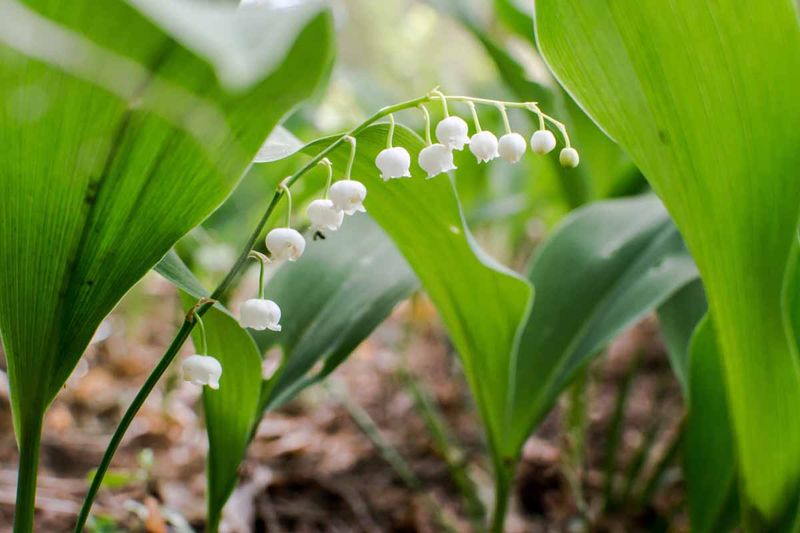
Lily-of-the-valley (Convallaria majalis) is a charming shade bloomer, but it is not a plant to snack on. It contains cardiac glycosides, a group of compounds that can affect the heart.
The Belgian Poison Centre notes that all parts of the plant contain substances that can act on the heart.
The leaves, flowers, and fruit are all considered poisonous to people, according to MedlinePlus. The key word is eaten.
The documented concern is swallowing the plant, not brushing past it while you weed.
So why single out such a familiar flower? Because it looks innocent.
It grows in cottage gardens, shows up in wedding bouquets, and spreads quietly under trees, which means it often sits at toddler height or dog nose height.
This is not a ranking of the most dangerous plants in your yard, and nobody has compared them all. What we can say plainly is that lily-of-the-valley is a poisonous ornamental that can cause serious symptoms if someone eats it.
If you grow it, treat it the way you would treat a cabinet of cleaning products: fine to have, but kept where small hands and mouths cannot reach.
Vase water may pose an ingestion risk, too
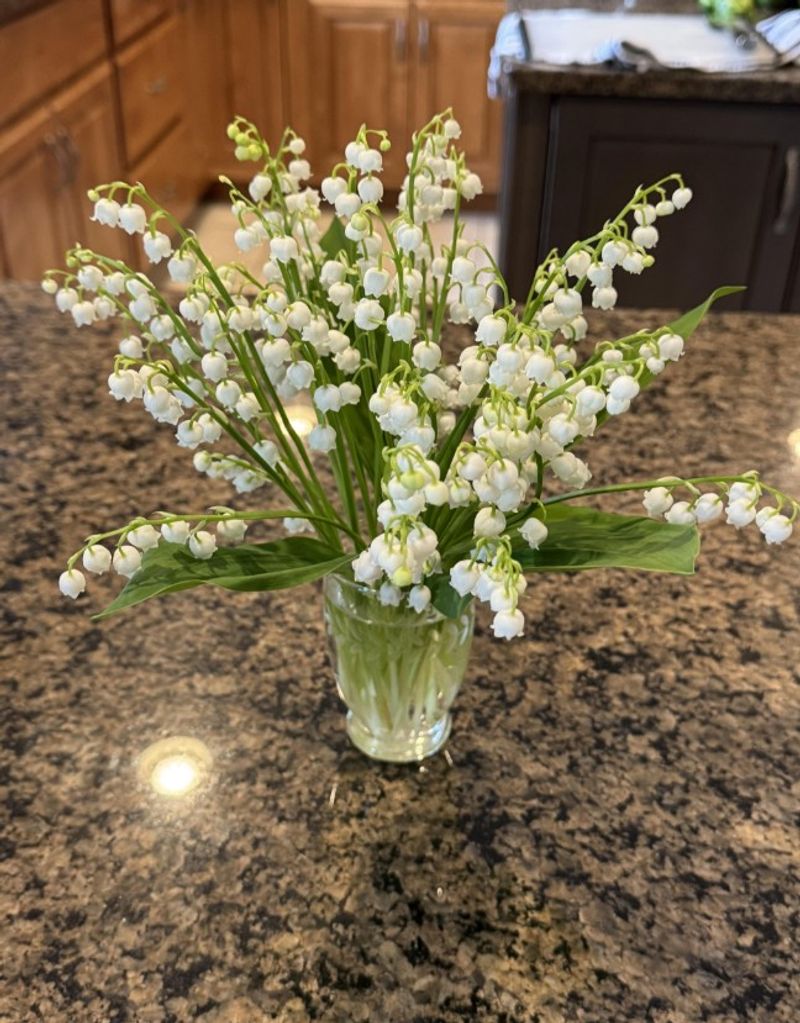
Bringing a few stems indoors is a springtime tradition. The water they sit in deserves a little thought, though.
Cornell’s poisonous plants reference reports poisoning after someone drank lily-of-the-valley vase water.
The Belgian Poison Centre also advises contacting its center if vase water is swallowed. Together, these reports are a good reason to treat the water as something that may pose an ingestion risk and keep it out of reach.
Here is what is not known. The sources reviewed do not say how much toxin ends up in the water, and they do not identify a safe amount or a dangerous amount.
So there is no reason to assume every vase holds a harmful dose, and no reason to assume a sip is harmless.
A practical example: a dog drinking from a low coffee table vase or a toddler tipping a cup of stems is the kind of moment worth planning around. Put the arrangement on a high shelf or in a room the kids and pets do not use, and you remove the question entirely.
Which warning signs should readers know?
Stomach upset is the effect people hear about most. MedlinePlus describes vomiting and other digestive symptoms, along with possible effects on the heart such as a slow or irregular heartbeat, low blood pressure, confusion, collapse, or seizures.
Poison center guidance from Belgium says digestive symptoms are reported more often than serious heart effects, and that severe accidental poisonings are rare. That does not make eating the plant safe, and it does not remove the need to call for advice.
Not every exposure causes symptoms, and nobody can predict an outcome from an unknown amount.
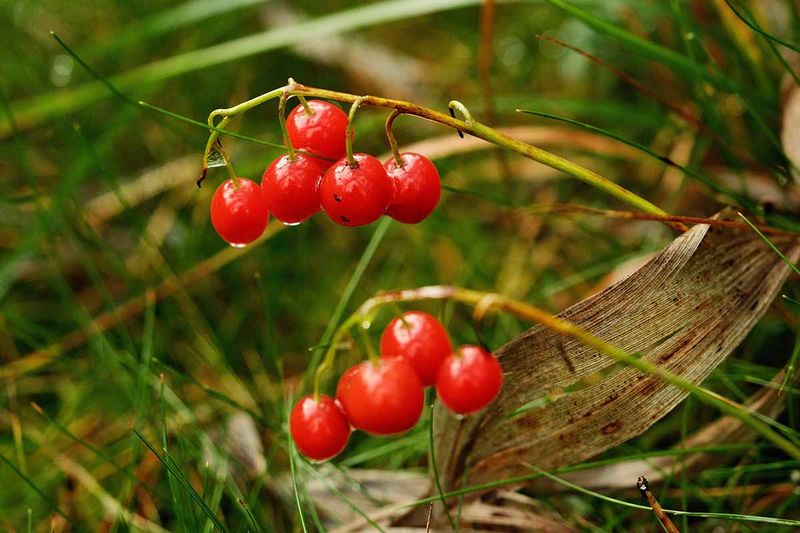
Red berries can catch a child’s eye, which is one reason to watch the plant when it fruits.
For pets, the ASPCA lists it as toxic to dogs, cats, and horses, with signs that include vomiting, irregular heartbeat, low blood pressure, disorientation, coma, and seizures. Cornell’s veterinary college specifically mentions arrhythmias, slower heart rate, and seizures in dogs.
One more mix-up to clear up: despite the name, this is not a true lily. Pet Poison Helpline says it does not cause the kidney failure linked to certain true lilies in cats.
Its risk is different, centered on the heart, and still serious.
Choose a contained planting site
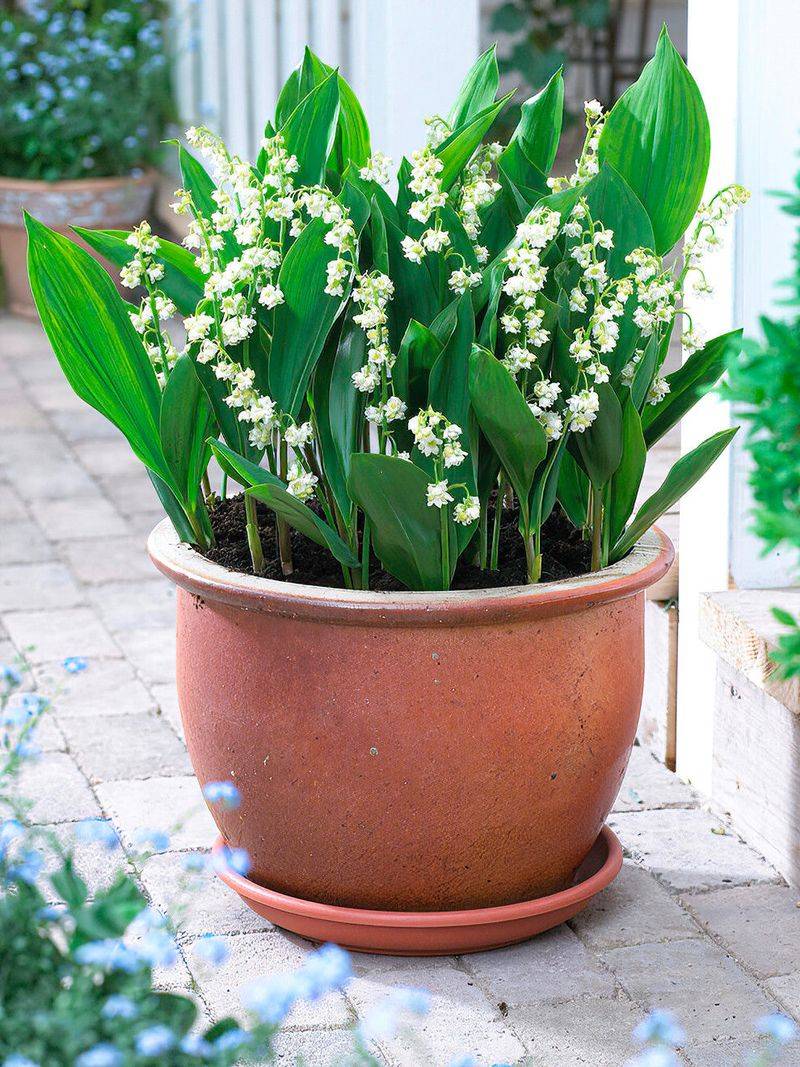
If you already love this plant, planning matters. According to North Carolina State Extension, lily-of-the-valley prefers partial to full shade and moist, organically rich soil.
That makes a north-facing wall or the area under a tree a natural fit.
Its rhizomes, the underground stems, can spread densely and crowd out other plants. A bed with firm edges, such as a deep border, a paved boundary, or a raised planter, makes the spread easier to manage.
Check with your local extension office or state guidance about whether it is considered invasive where you live. It is not invasive everywhere, so local information is the best guide.
Site choice can also help with access. A bed behind a fence or away from the sandbox and the dog’s favorite spot gives children and pets fewer chances to reach it.
Treat that as one layer of prevention, not proof that the plant is safe in any particular spot. Gloves, removing berries, or picking a certain bed do not make it harmless, so the goal stays the same: keep it from being eaten.
Keep plant parts and vase water out of reach
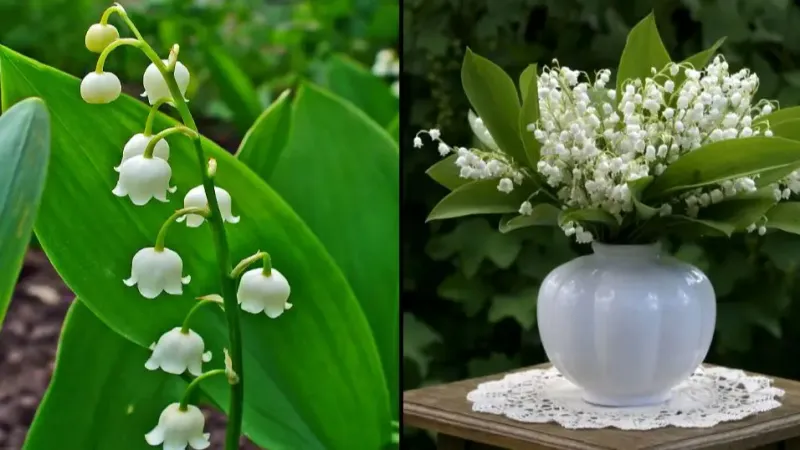
Habits do most of the work here. Keep cut stems, fallen blooms, berries, and vase water where children and pets cannot get them, as the Belgian Poison Centre advises.
A tall shelf or a closed room works better than a coffee table.
Skip the open cup of water on a nightstand, too. Because Cornell’s reference reports poisoning after vase-water ingestion, nobody should drink it, and that includes older kids on a dare.
If a vase tips over, wipe it up promptly and keep kids and pets away while you do. That is a sensible precaution based on the reported ingestion risk, not a tested household protocol.
In the garden, pull spent flower stalks and trimmings and put them in a lidded bin so a dog does not find them in the compost pile. Then wash your hands.
MedlinePlus recommends hand-washing after garden work. This is good hygiene, not a sign that touching the plant is a poisoning emergency, since swallowing is the documented concern.
Act promptly after a possible ingestion
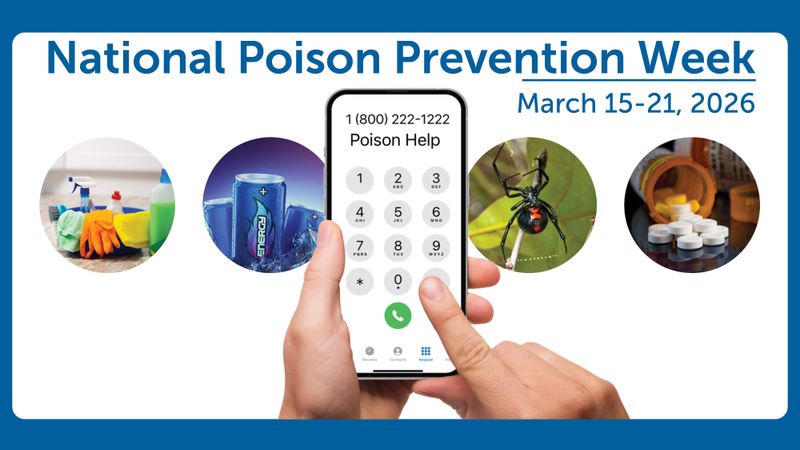
For a person, speed and calm both help. If someone may have eaten any part of the plant or drunk the vase water, call Poison Help at 1-800-222-1222 in the U.S. right away.
MedlinePlus gives this guidance.
Do not wait for symptoms to show up before calling. Do not try to make the person vomit unless poison control or a clinician tells you to.
Call 911 for severe symptoms or collapse. If you can, note what was eaten, about when, and the person’s age and weight.
Pets need their own plan, and human emergency advice should not stand in for it. If a dog or cat may have eaten the plant, contact a veterinarian or an animal poison-control service promptly.
The ASPCA lists vomiting, irregular heartbeat, low blood pressure, disorientation, coma, and seizures among possible signs.
Cornell’s veterinary guidance also notes heart rhythm changes and seizures in dogs. Keep a piece of the plant or a photo handy, and tell the vet whether the pet chewed leaves, flowers, berries, or drank vase water.
Reduce opportunities for ingestion
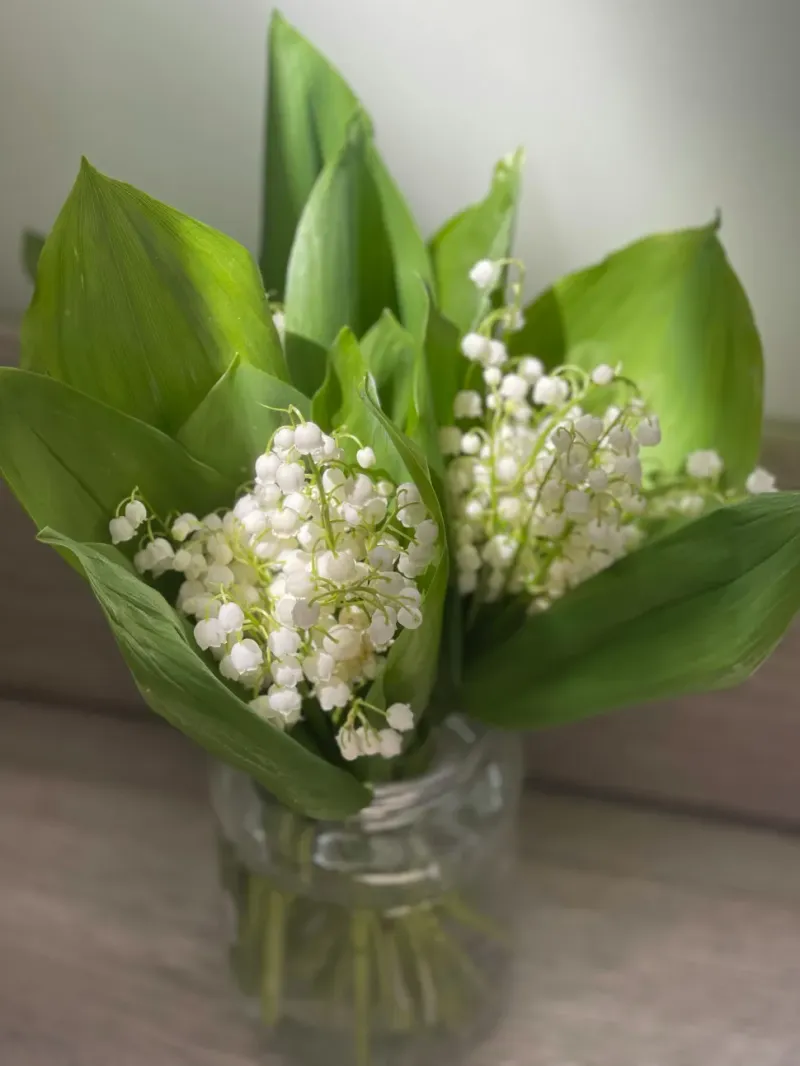
A contained bed, a high shelf for the vase, and a phone number you already know all point to one goal: fewer chances for anyone to eat this plant. Poison center guidance and MedlinePlus both point toward prevention and prompt advice.
These steps lower the odds but do not make the plant harmless. If you ever have a doubt, call first and wonder later.
A flower can be lovely and still deserve a lock on the pantry door.