
The One Thing North Carolina Butterfly Weed Needs This Fall So It Comes Back Stronger For Monarchs Next Summer
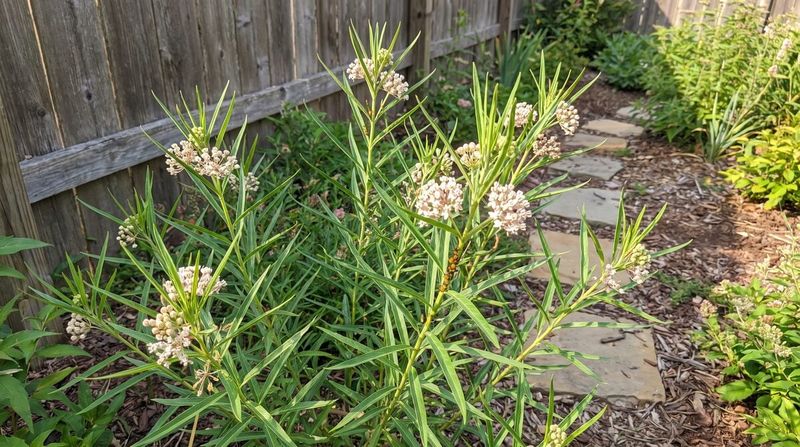
Your butterfly weed looks tired and brown by October, and the urge to grab the pruners is real. Hold off, because those scruffy stems are doing quiet, important work in your North Carolina yard.
The single best thing you can do this fall is leave the plant standing all winter. That one small choice helps the plant return stronger and gives monarchs a better host plant next summer.
1. Leave the Stems Standing Until Late Winter
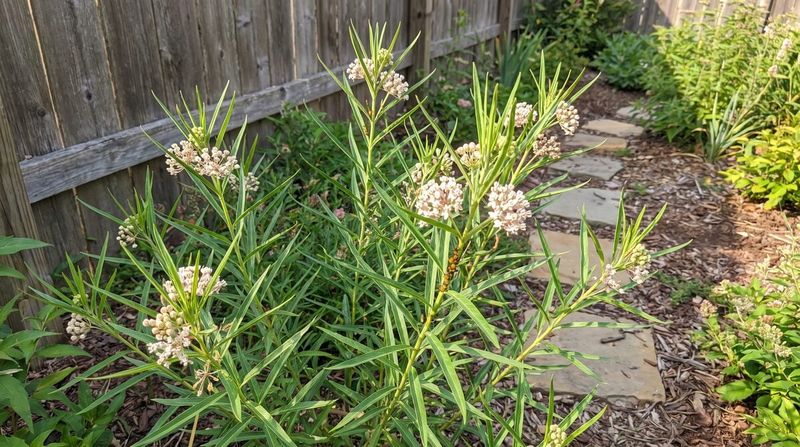
Picture a neighbor in Raleigh who cut her butterfly weed to the ground every November, then wondered why it struggled each spring. The year she skipped the cleanup, it came back fuller and bloomed brighter orange.
Doing nothing turned out to be the best move she ever made.
Those standing stems act like a little winter coat. They help insulate the crown, the spot where new shoots will rise, against freeze and thaw swings that hit the mountains and upper Piedmont hardest.
Hollow stems and nearby leaf litter can also shelter native bees and other helpful insects until spring.
Leave the seed pods alone too. When they split, silky seeds drift out and may sprout new plants, which means more host plants for monarch caterpillars down the road.
Want to control spreading? Collect the pods just before they pop and share seeds with friends.
Skip fall fertilizer, since the plant is heading into dormancy and rich soil tends to make it floppy and weak. Butterfly weed loves lean, sandy or gravelly soil and hates soggy feet, so avoid extra watering once it is established.
In colder spots, a light layer of mulch may help prevent frost heaving.
If tidiness matters, trim the fully browned stems in late winter, just before new growth. Then be patient.
Butterfly weed is famous for waking up late, often well after your other perennials, so do not dig it up thinking it died.