
Got A Black Walnut Tree Nearby? Why Your Tomato Bed May Struggle, and What to Check
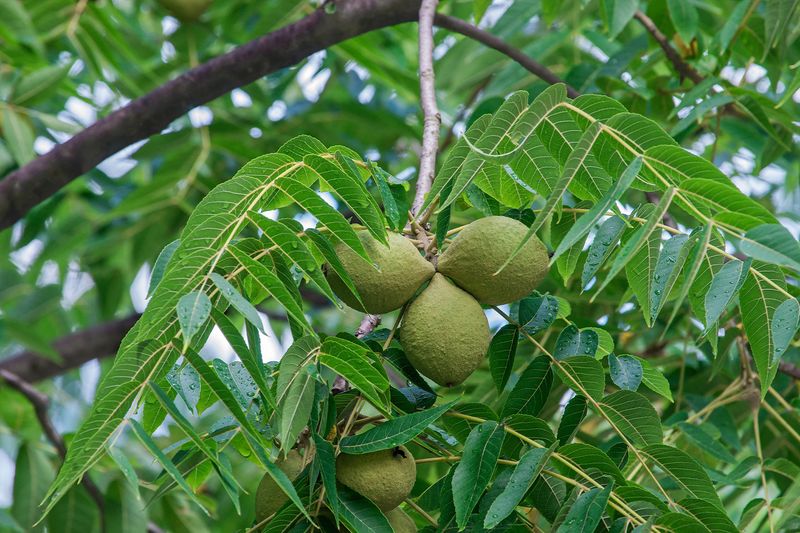
You water your tomatoes, feed them, and watch them wilt anyway. If a black walnut tree grows somewhere near your yard, it makes sense to wonder if the tree is behind it.
A natural chemical called juglone is a possible suspect, but a nearby tree does not prove it is the cause. Here is how to sort out the clues and plan a safer bed for next year.
Could the walnut be hurting your tomatoes?
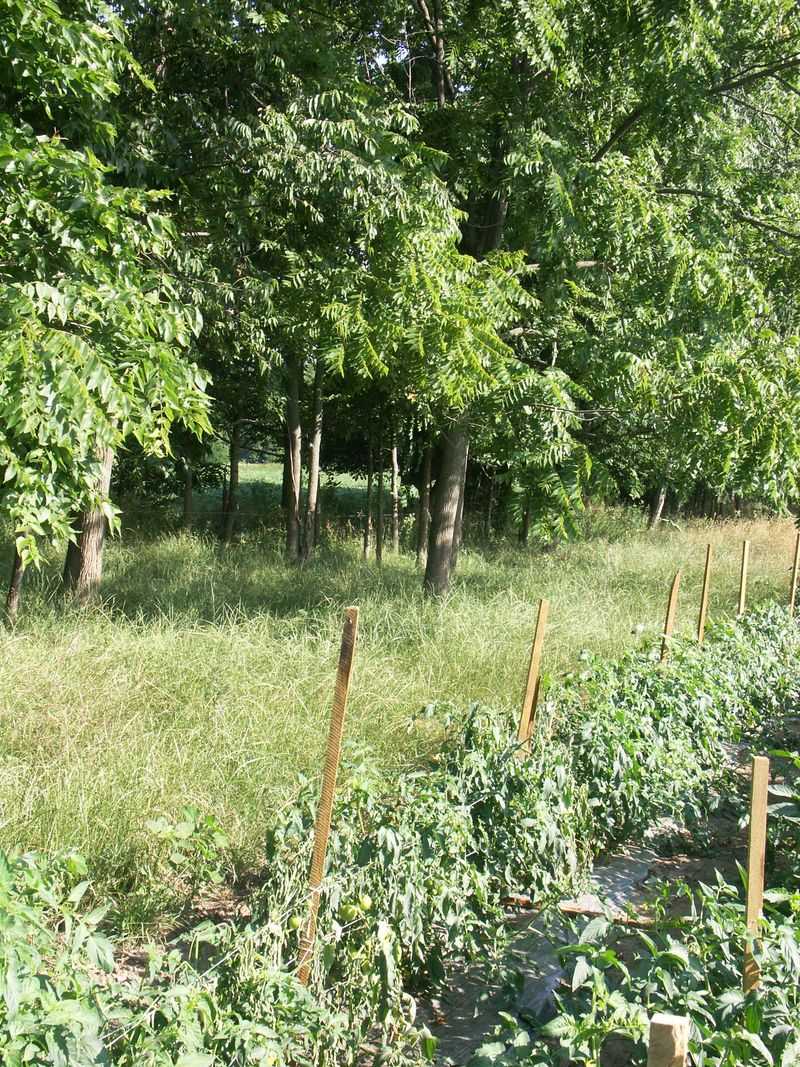
A tomato plant that droops in moist soil is enough to make any gardener worry. When a black walnut stands nearby, it becomes a reasonable suspect.
University of Wisconsin Extension lists tomatoes, along with peppers, potatoes, and eggplants, among the plants sensitive to juglone, the compound black walnuts make.
Still, a tree close by is a clue, not a verdict. Plenty of other problems can flatten a tomato plant, and a bed sitting about 50 feet from a walnut may or may not be affected.
Even the common distance figures are rough estimates, and you will see how loose they are in a later section.
Washington State University Extension also asks whether black walnuts affect other plants in home gardens, and its home garden guidance treats the question as something to weigh carefully rather than assume.
So think of this article as a way to investigate, not a way to place blame. You did not necessarily do anything wrong, and the walnut may not be guilty either.
The goal is to gather clues now and pick lower-risk spots for next season.
Juglone comes from more than falling nuts
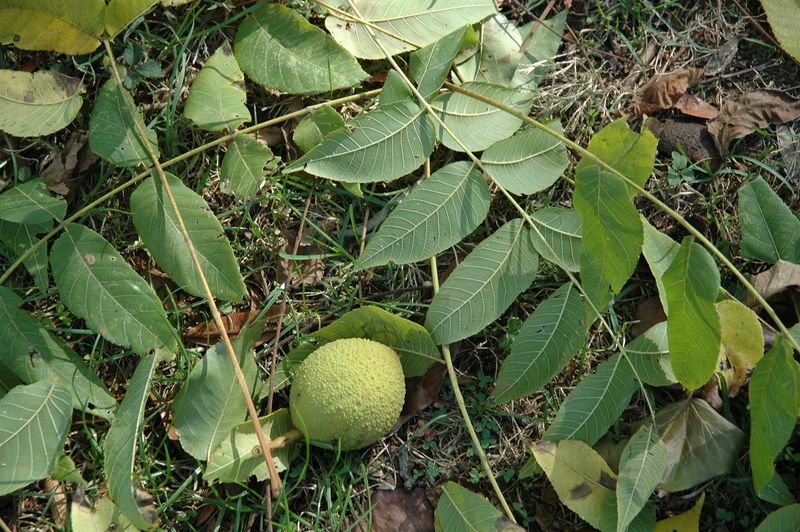
Most people picture the nuts when they think of walnut trouble, but the tree is more complicated than that. Black walnut makes juglone and a related precursor called hydrojuglone.
According to Wisconsin Extension, the roots, buds, and nut hulls are important sources.
Roots matter because they spread underground, often well beyond where you might expect. A tomato bed can end up sharing soil with walnut roots without any obvious sign on the surface.
Fallen material counts too. As leaves and hulls break down on the ground, they can add compounds to the soil.
Extension landscaping guidance is one reason gardeners are told to keep that debris out of planting beds.
These routes explain why a nearby tree is worth a look. They do not mean every garden near a walnut collects a harmful dose.
How much juglone actually reaches a plant can depend on roots, debris, and soil conditions in your particular yard.
A practical example: if your bed sits where hulls roll in or where mowing pushes leaves, debris is an easy factor to check. If your bed has no walnut leaves and no roots, the tree may be a less likely culprit.
Fifty feet is a rough guide, not a boundary
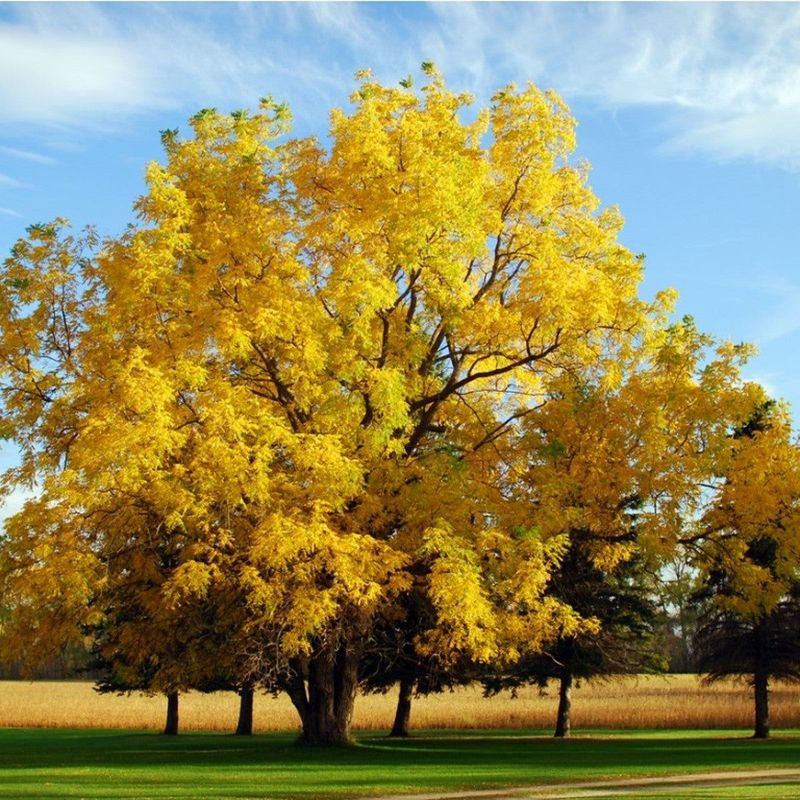
The 50-foot number you may have seen is a loose estimate. Wisconsin Extension landscaping guidance describes a typical zone of roughly 50 to 60 feet for mature trees.
The university’s plant disease clinic gives a possible range of 50 to 80 feet and says effects are greatest within the dripline, the area under the outer edge of the branches.
Those numbers disagree a bit, which tells you something. They are guidance, not a measured circle where plants reliably die.
A bed 50 feet away is not proven to be affected, and a bed farther out is not proven safe.
Research adds shades of gray. A field study beneath black walnut found that soil juglone did not persist, and plant differences underneath did not point to strong allelopathic effects in most of the stands studied.
A soil-fate study found juglone broke down through both microbial and non-microbial processes.
Another line of work points the other way. A field and greenhouse study found that fungal hyphae could affect juglone movement and tomato growth.
Its field work used European walnut, not a backyard black walnut, so it suggests a possible mechanism rather than a 50-foot rule.
Juglone clearly harms plants in experiments, but results in ordinary garden soil vary. Washington State University’s Extension publication on this topic is a useful companion read.
Use the distance as a prompt to look closer, not as an answer.
Symptoms cannot identify juglone on their own
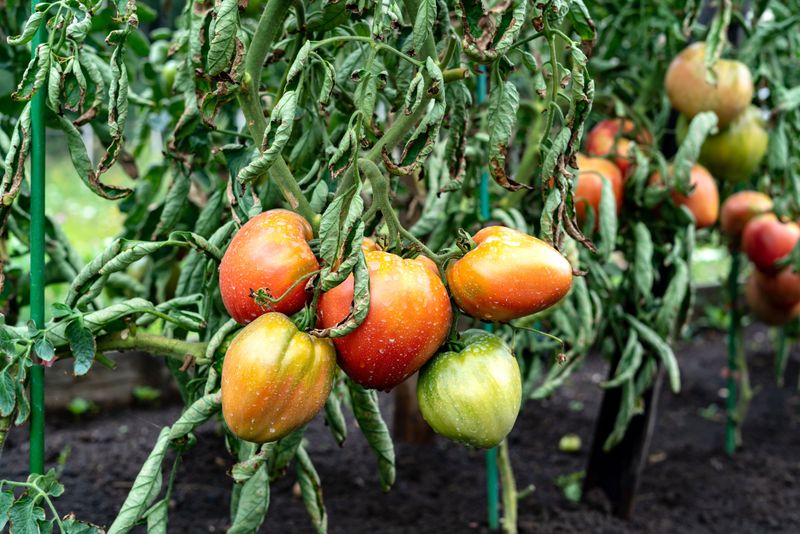
Gardeners often search for a signature symptom. For walnut toxicity, Wisconsin Extension reports wilting even when the soil is moist, yellowing or twisted leaves, stunting, and sometimes darkened vascular tissue inside the stem.
The trouble is that those signs are not unique. Drought can cause wilting and yellow leaves.
Herbicide injury can twist and distort new growth. Bacterial and fungal wilts can also collapse a tomato and darken the stem’s inner tissue.
That overlap means the walnut cannot be blamed from the look of the plant alone. A sick tomato is stressful to watch, but a calm check of the basics can save you from chasing the wrong fix.
Start by comparing. Look at tomatoes growing in another part of your yard, or a neighbor’s, in similar sun and watering.
If they are thriving while the bed near the tree struggles, the tree becomes a stronger suspect. If they fail too, look harder at disease, watering, or spray drift.
Ask a few practical questions. Did you or a neighbor use a weed killer recently?
Did the plants wilt after a hot, dry spell? Did the problem spread plant by plant like a disease?
One honest limit: there is no cure for a plant already affected by walnut toxicity. If the cause does turn out to be juglone, the useful move is planning ahead for the next planting rather than trying to rescue the damaged plant.
Use sensitivity lists as a screening tool
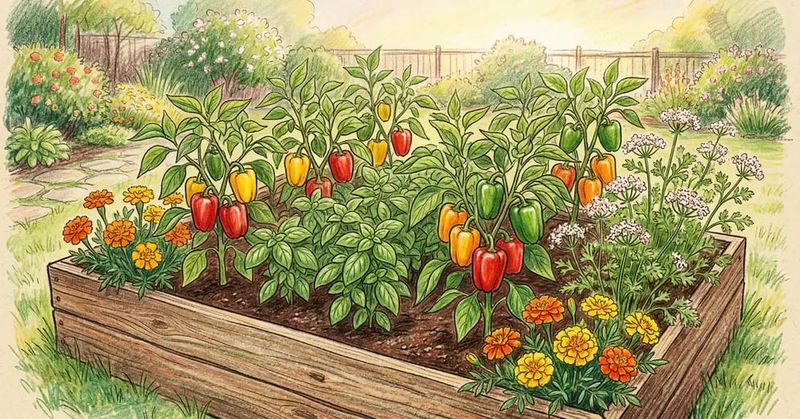
Plant lists are handy when you are deciding what to grow near a walnut. Extension sources commonly name tomatoes, peppers, potatoes, and eggplants as juglone-sensitive, and the Wisconsin Extension list is one many gardeners use.
But a list is a starting point, not a forecast. The University of Wisconsin says its list is based on observation rather than formal testing.
Different sources also sometimes disagree about a particular plant, so one plant may appear as tolerant on one list and sensitive on another.
That means a tomato on the sensitive list is not guaranteed to fail, and a plant on a tolerant list is not guaranteed to thrive. Soil, distance, root spread, and the plant’s own variety can all play a part.
Here is a simple way to use the lists. Put your most prized crops, like tomatoes and peppers, in the spot farthest from the tree.
Try tougher candidates closer in, and treat the first season as a small experiment.
Notes help. Jot down where each plant grew and how it did.
Over a couple of seasons, your own records can tell you more about your yard than any general list.
The Wisconsin landscaping article offers more plant ideas for walnut areas. Use it to guide choices, not to prove why a past plant died.
Plan next year’s bed with separation in mind
Next spring, the simplest move is distance. Place tomatoes and peppers farther from the walnut, especially away from its canopy and root zone.
There is no universal safe distance, so more separation generally means lower risk, not a guarantee.
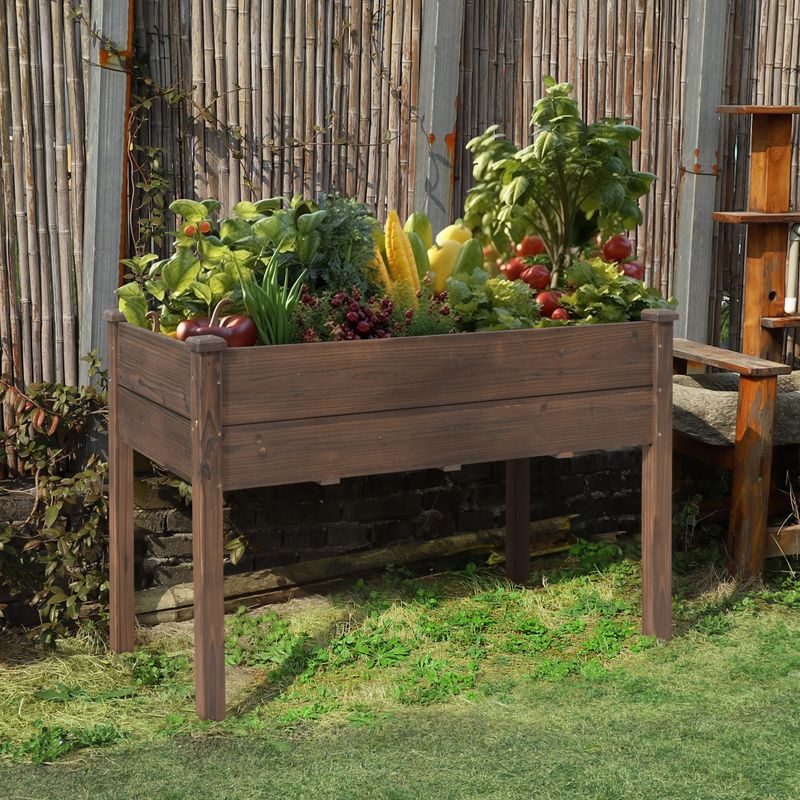
If you cannot move the bed, consider a raised bed that is physically isolated from the surrounding soil and roots. Wisconsin Extension describes this kind of isolation as an option.
It only helps if walnut roots and walnut debris stay out, so a bed sitting directly on open ground where roots can creep in may not protect much.
Keep leaves and hulls out of the bed, and out of any compost you add to it. Rake them away from the planting area during fall cleanup and when nuts drop.
You might wonder about cutting the tree down. That may not fix things quickly.
Remaining roots can keep releasing compounds as they decay, so the soil does not clear overnight. The landscaping guidance is helpful if you are deciding how to work around a tree you plan to keep or remove.
Treat each step as a precaution. Moving the bed, isolating it, and cleaning up debris can lower the chances of trouble, but none of them promises a perfect harvest.
Keep comparing plants and watch for other causes, since that is how you will learn what is going on.
A struggling tomato is a puzzle, not a verdict, and the walnut is only one piece of it.