
The Fall Yard Chore North Carolina Homeowners Skip That Turns Hickory Nuts Into Winter Baking Treats
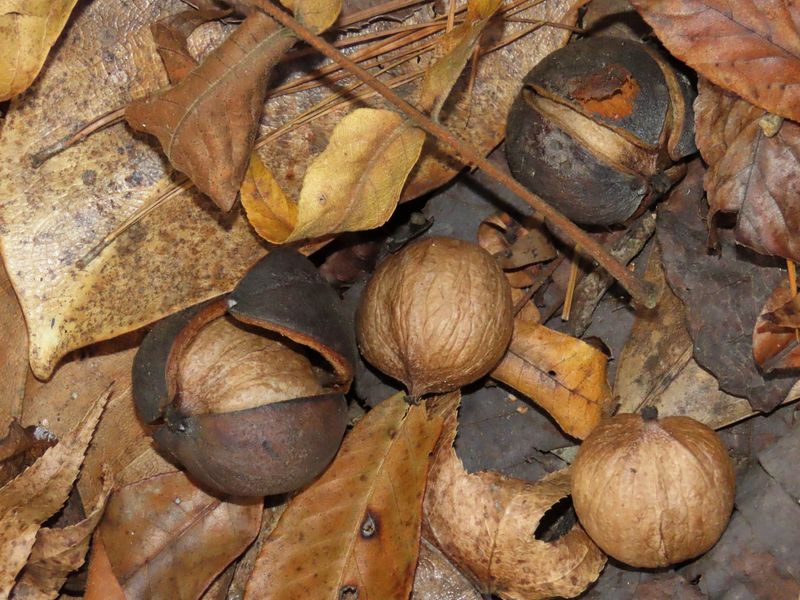
Every fall, hickory nuts thump onto North Carolina roofs, driveways, and lawns. Some of those nuts can become real food if you know which tree they came from and how to handle them.
With careful identification, a little sorting, and some patience, a small handful of kernels could end up in your baking. Here is how to gather a modest harvest while leaving plenty for the squirrels.
Identify the tree before gathering
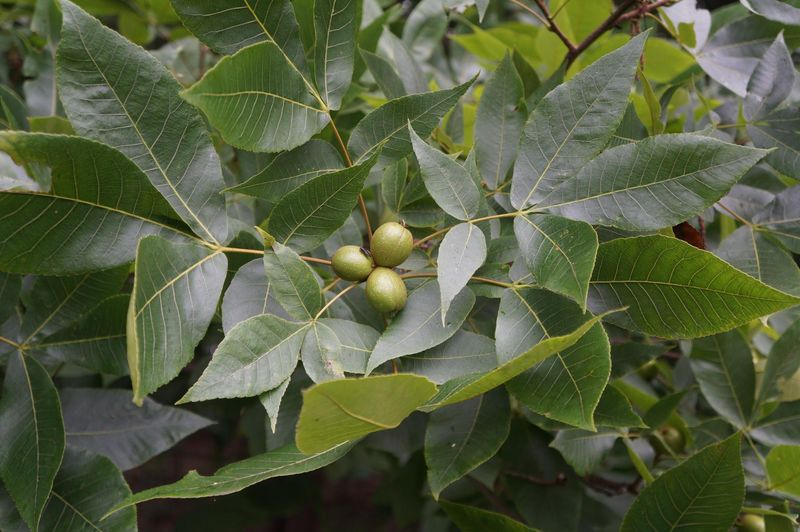
Before a single nut goes in your bucket, you need to know what tree dropped it. Mockernut hickory is widespread across North Carolina, and NC State Extension’s mockernut profile describes its nuts as edible.
Shagbark hickory is native here too, but it is less common than mockernut and pignut.
That rarity matters when you stand under a tree and think you have spotted a shagbark. In parts of the Piedmont, a similar southern shagbark may also grow, so the state’s vascular plant account is a good reminder that look-alikes exist.
Shaggy, peeling bark is a helpful clue, but bark alone does not always settle the question.
Check several features instead. Look at the leaves, the buds, the husk, and the nut itself, then compare them with NC State’s guide to common North Carolina trees and the shagbark entry in the Plant Toolbox.
A reliable field guide or your county Extension office can help you confirm what you have.
Until you are sure, treat the nuts as wildlife food only. Never taste-test a nut from a tree you have not identified, and do not assume a nut is safe because a squirrel is chewing on one.
Choose the right hickory for food
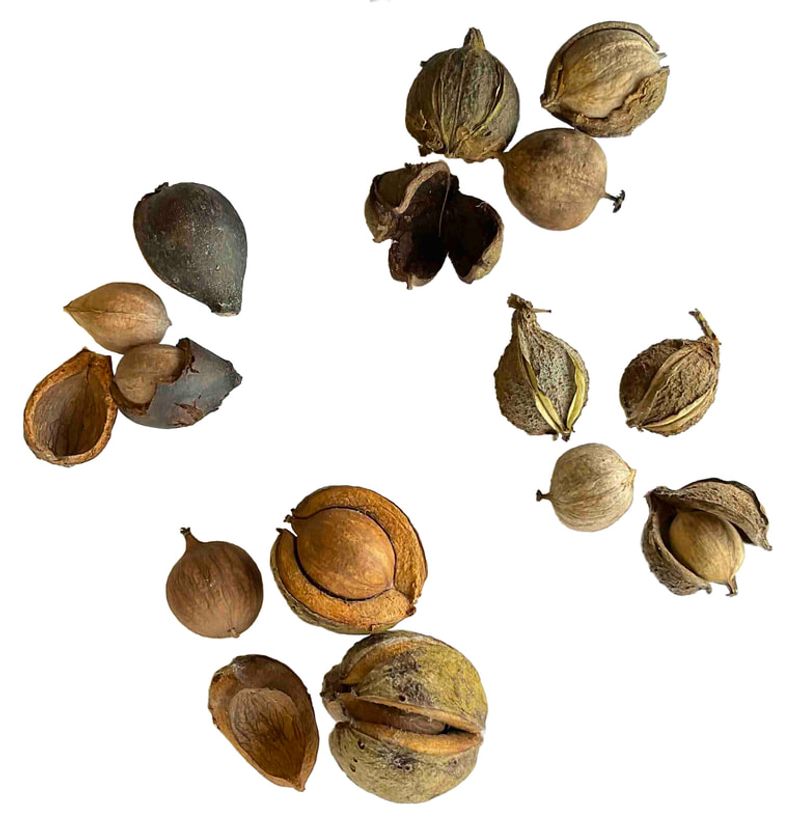
Not every hickory earns a spot in your kitchen. NC State Extension calls mockernut meat edible and sweet, yet its shell is hard to crack.
Expect to work for that sweetness.
Shagbark nuts are edible as well, according to the Plant Toolbox entry. Mockernut fruit also shows up in the state’s tree identification guide as an early-fall nut with sweet, edible meat.
Other hickories can let you down. NC State notes that pignut nuts can be bitter, and pignut is common in our region, so a wrong guess is easy to make.
Species differ in flavor and in how stubborn the shell is, so no single rule fits every hickory. A nut can also be insect-damaged or spoiled no matter which tree it came from.
Think of baking as an option for sound kernels from trees you have positively identified, not a promise from every nut in the yard.
Gather fallen nuts selectively
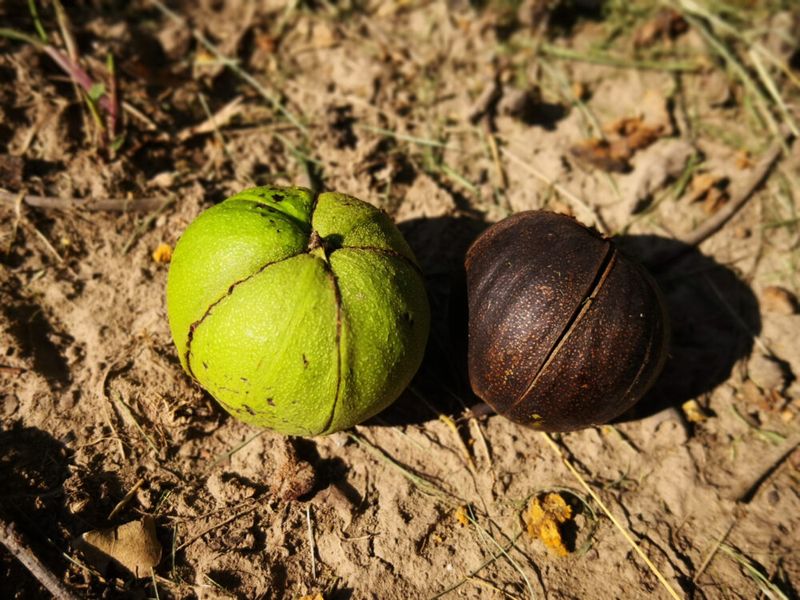
Autumn is the time to wander under your hickory with a bucket in hand. Check the lawn and beds regularly during the fall drop, and pick up only nuts that have fallen on their own.
Gathering them over several visits beats one big sweep.
Leave plenty behind. NC State Extension describes hickory nuts as a critical fall and winter food for squirrels, and its mockernut entry lists several other wildlife that eat them.
Stripping a tree or clearing every nut from the yard takes food from neighbors you probably enjoy watching.
A handful of cups is a sensible goal for a first season. Shelling is slow work, so a modest pile is about what most people will use anyway.
Once you are back inside, you can start the prep. The Ask Extension answer on drying hickory nuts begins with removing the green hull, which leads straight into sorting.
Hull and sort the harvest
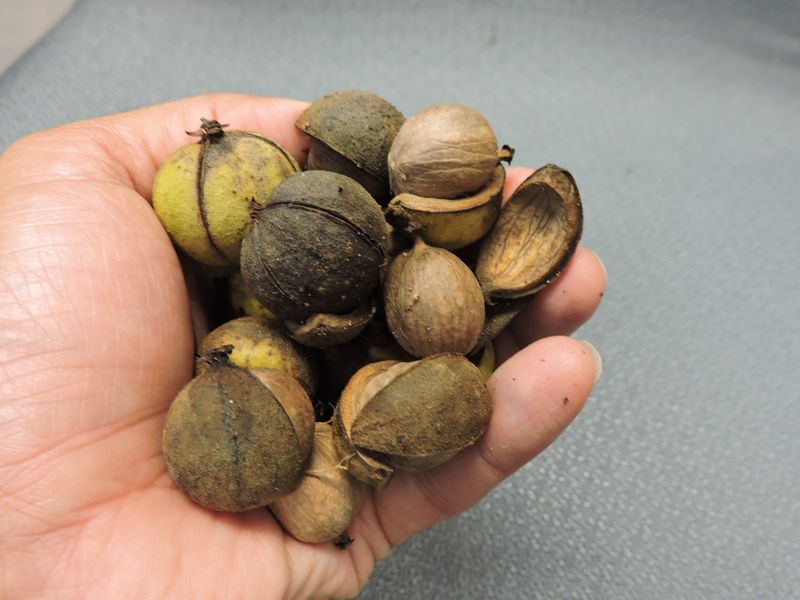
Sorting is where you protect your future baking. Peel off the green hulls first, then go through the nuts one at a time.
Toss anything moldy, visibly damaged, or otherwise spoiled.
Moisture is the usual culprit. FDA methods guidance notes that nuts left in wet conditions can turn moldy, and its consumer advice in Are You Storing Food Safely? is to discard moldy food rather than cut around it.
You can also try a water float. The Extension answer says floating nuts and removing the floaters can help sort out nuts holding weevil larvae.
Treat that as a rough aid only. A nut that sinks is not certified sound, and a nut that floats is not proven infested.
Look closely at every nut either way, and keep your eyes open for small holes or odd smells once you crack them.
Shade-dry before cracking
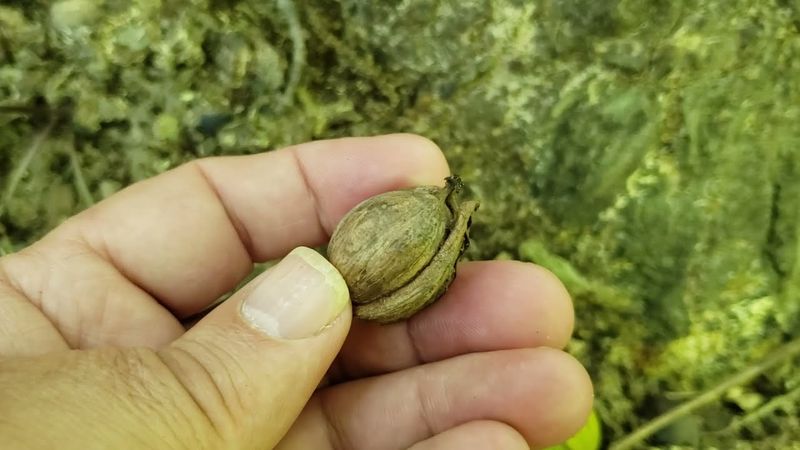
After sorting, give the nuts a little time to dry. The Extension advice is simple: spread the hulled nuts on a screen in a shaded spot for a few days before cracking.
A screen lets air move around every nut.
A covered porch or a shady corner of the carport can work well. Spread the nuts in a single layer and stir them now and then so you can spot any that start to look off.
Treat this as practical guidance, not a tested schedule for every species or climate. The Ask Extension response gives “a few days” without a moisture target or a shelf life, so a humid North Carolina week may call for extra watchfulness.
Drying is short-term prep before you crack, not a promise that the nuts will keep until winter. If you will not crack them soon, plan to use what you can and share the rest with wildlife.
Crack the shells and remove the kernels
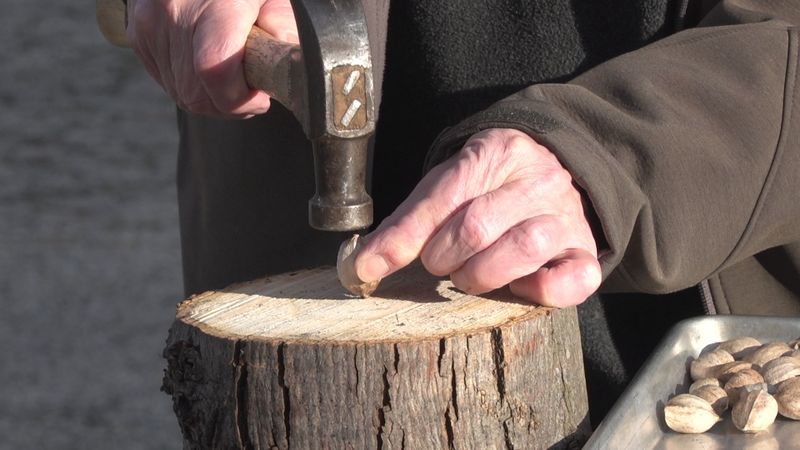
Grab a hammer and find something solid to work on, such as a concrete step or a heavy cutting block. The Extension method is to crack the dry nuts on a solid surface with a hammer, then use a nut pick to extract the kernels.
Go easy with your swings. Tapping a nut a few times often works better than one big smash, which can turn the kernel to crumbs.
Safety glasses are a smart idea because shell bits fly.
Mockernut makes you earn it. Its shell is hard to crack, as NC State’s mockernut entry points out, so expect a slow, patient job and do not count on any particular yield.
Inspect each kernel as it comes out. Set aside any that are moldy, shriveled, rancid-smelling, or chewed by insects, and keep your good pieces in a clean bowl.
Use the kernels cautiously
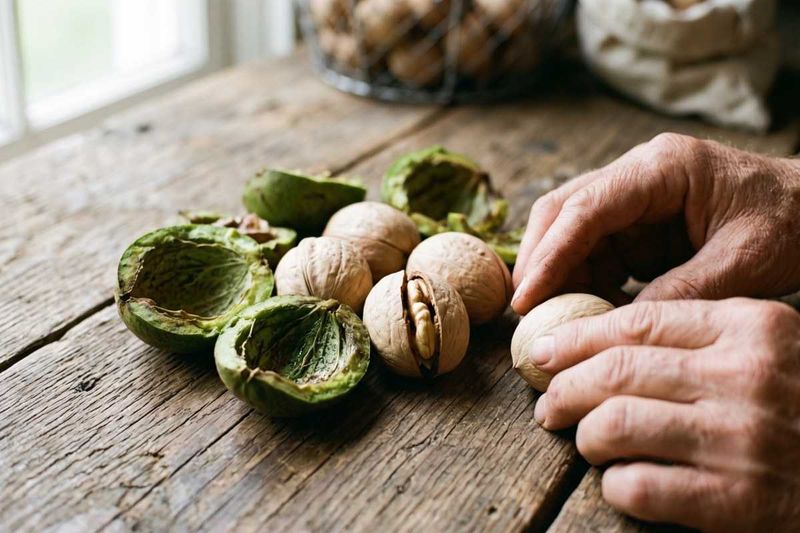
If your kernels are sound and came from a correctly identified edible tree, baking is a fair use for them. Mockernut meat is described as sweet by NC State Extension, and shagbark is listed as edible in its own Plant Toolbox entry.
A small amount can stand in where a recipe calls for nuts you already trust.
Be honest about timing. The Extension drying advice covers a few days of prep, not long-term storage, so do not count on a winter supply.
Using your kernels soon is the safest plan.
Allergies deserve a clear warning. North Carolina DHHS guidance recognizes hickory nuts as a tree nut allergen.
If you bake for friends, neighbors, or a school event, tell everyone what is in the food.
One cracked nut is a small win, and the squirrels will still be glad of the rest.