
Voles Do Their Worst Damage Under The Snow – 9 Things To Do Before Winter To Protect Your Lawn And Shrubs
When the snow melts in spring, many gardeners find winding brown trails across the lawn and shrubs with bark chewed clean off. The culprit is usually the vole, a small mouse-like rodent that stays busy all winter under the snow where nothing can see it.
Snow works like a warm, safe roof for voles, so they can tunnel and feed for months without danger. The good news is that a few simple chores this fall can make your yard a much harder place for them to spend the winter.
1. Keep Your Lawn Closely Mowed in Fall
Picture tall grass from a vole’s point of view. It looks like a covered hallway, perfect for scurrying around without a hawk spotting you.
Once snow piles on top, that hallway becomes a cozy tunnel system.
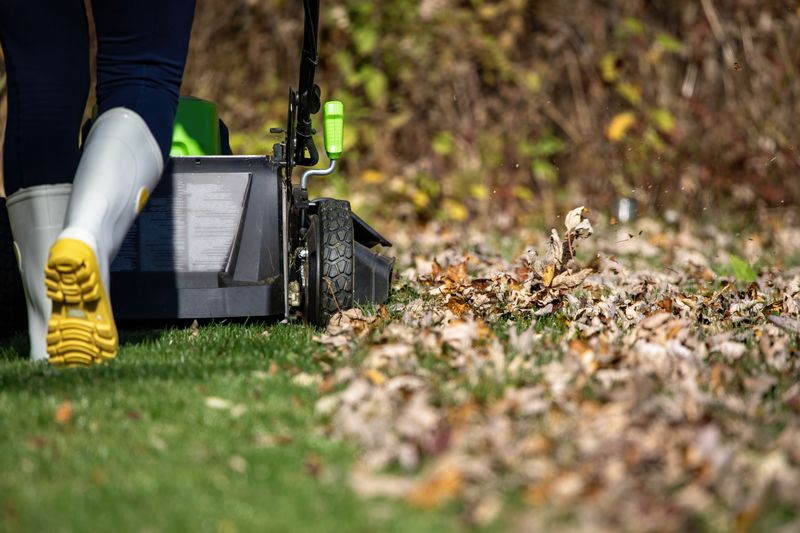
Mowing shorter in late fall takes that cover away. For your last cut or two of the season, drop the mower to around 2 to 2.5 inches.
That is low enough to expose voles but not so low that you stress the grass going into winter.
Pay extra attention to lawn edges along fences, garden beds, and foundation plantings. Those borders are where vole runways often start, so a tidy trim there can go a long way.
2. Clear Away Debris and Overgrown Vegetation
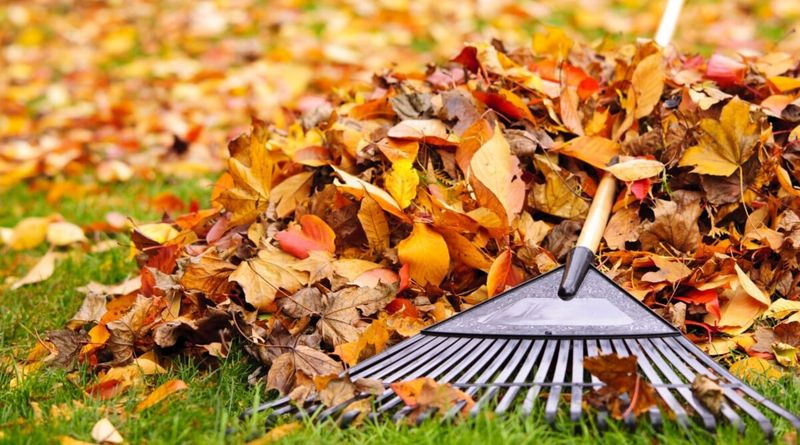
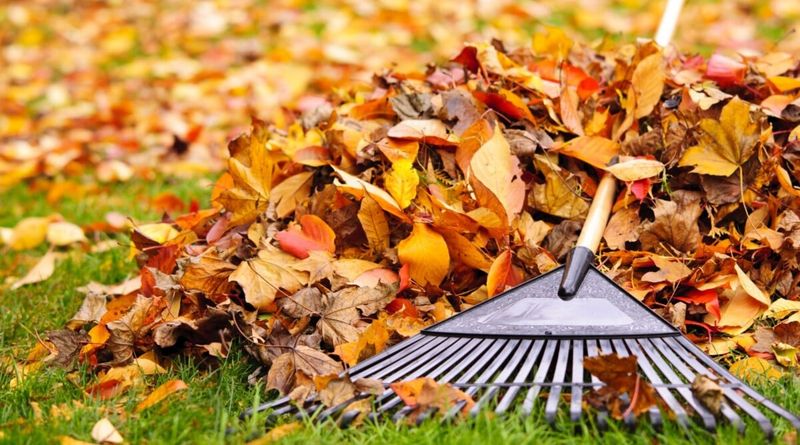
Every pile of leaves you skip raking is basically a free hotel room for voles. Brush piles, stacked firewood, and clumps of dead perennials all give them shelter and a safe place to raise young.
Spend an afternoon walking your yard with a rake and a wheelbarrow. Pull out flopped-over stems, clear leaves from under your hydrangeas and other shrubs, and cut back thick weedy patches.
If you keep a woodpile, move it away from your garden beds and raise it off the ground if you can. Less clutter means fewer hiding spots, and voles feel nervous out in the open.
3. Delay Applying Winter Mulch
Here is a mistake plenty of careful gardeners make. They mulch early to protect roots, and accidentally build voles a warm winter nest right against their favorite shrub.
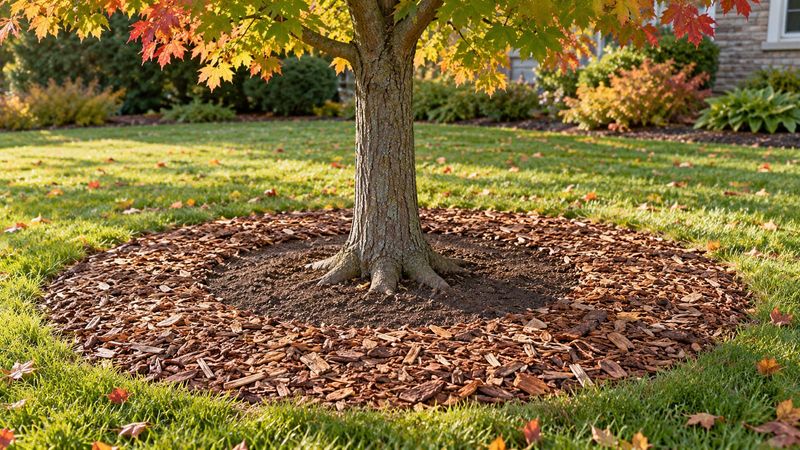
Wait until after the first hard freeze, when the ground starts to firm up. By then, many voles have already settled elsewhere, and the mulch does its real job of keeping soil temperatures steady.
When you do spread it, keep mulch about 3 to 6 inches away from trunks and stems. Mulch piled against bark, often called a mulch volcano, gives voles a hidden spot to chew where you will never notice.
4. Install Physical Barriers Around Vulnerable Plants
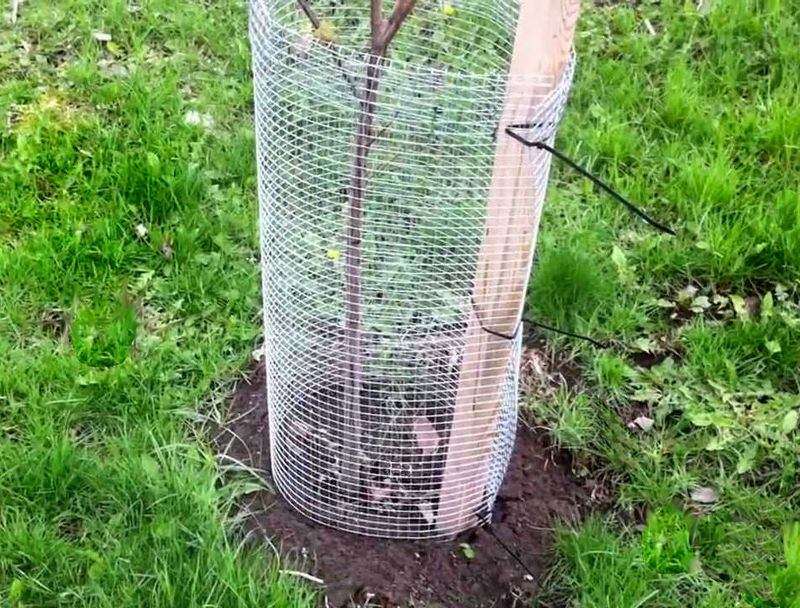
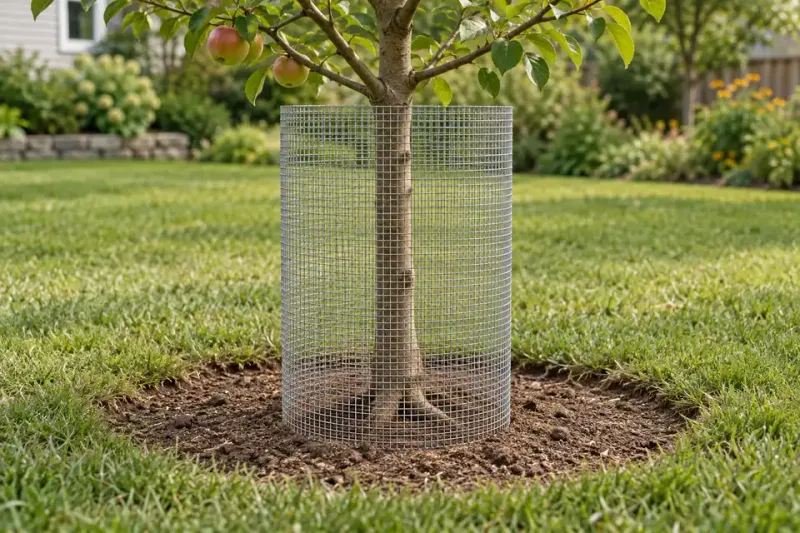
Of everything on this list, a wire cage is the one fix that does not rely on luck. Voles cannot chew through metal, period.
Use 1/4-inch hardware cloth and wrap it in a loose cylinder around young trees and prized shrubs. Bury the bottom edge 2 to 6 inches into the soil so voles cannot slip underneath.
The top should stand above your typical snow line, often around 18 inches or more in snowy areas.
Leave an inch or two of space between the wire and the bark so the plant can grow. Fruit trees, young maples, arborvitae, and burning bush are common targets, so start there.
Why does this matter so much? When voles chew bark all the way around a stem, called girdling, the plant often cannot move water and food.
A few dollars of wire can save a shrub you spent years growing.
5. Create a Bare Soil Zone Around Trees
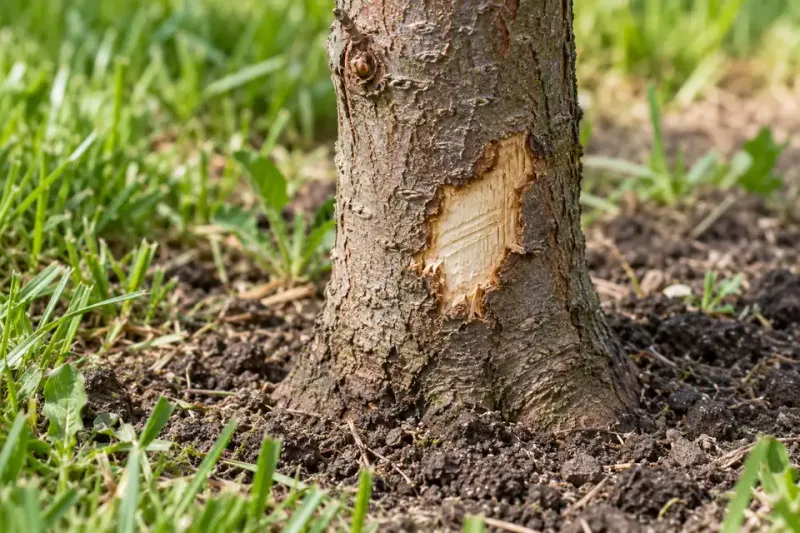
Voles are scaredy-cats, and honestly, who can blame them? Nearly everything outdoors wants to eat them.
That fear is something you can use. Clear a ring of bare soil about 3 feet wide around the base of young trees and shrubs.
Pull grass and weeds, and skip thick ground covers in that zone.
A vole crossing open dirt feels exposed, so many simply will not bother. Pair this ring with a wire guard and you have a two-layer defense that is tough to beat.
6. Apply Vole Repellents
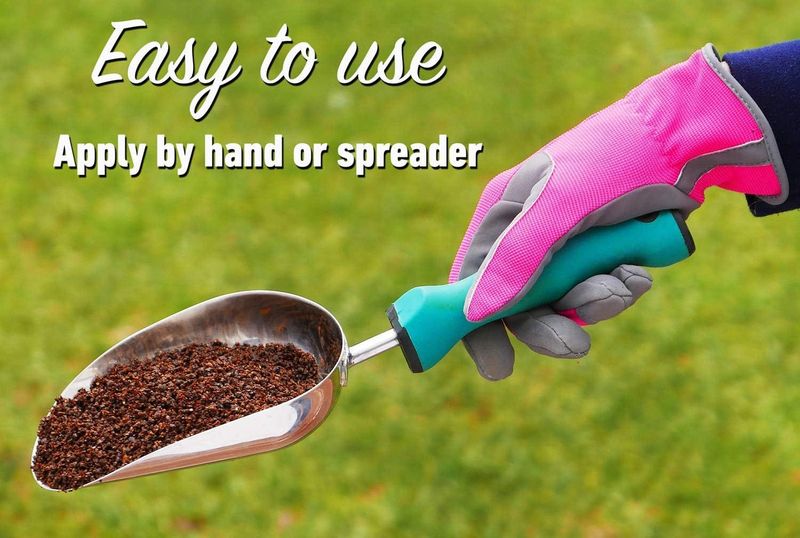
Castor oil sounds like something from grandma’s medicine cabinet, but it shows up in many vole repellents for a reason. It can make the soil and roots taste and smell unpleasant to them.
Granular castor oil products can be spread over lawns and beds before the ground freezes. Odor-based sprays like Plantskydd can be applied to bark and stems.
Repellents may help deter voles, but rain and snow wear them down, so reapply as the label suggests.
For a longer view, consider planting daffodils, garlic, or snowdrops near beds that get hit often. Voles tend to avoid them.
Think of repellents as one helper, not a full cure, and use them alongside barriers and cleanup.
7. Set Traps for Targeted Control
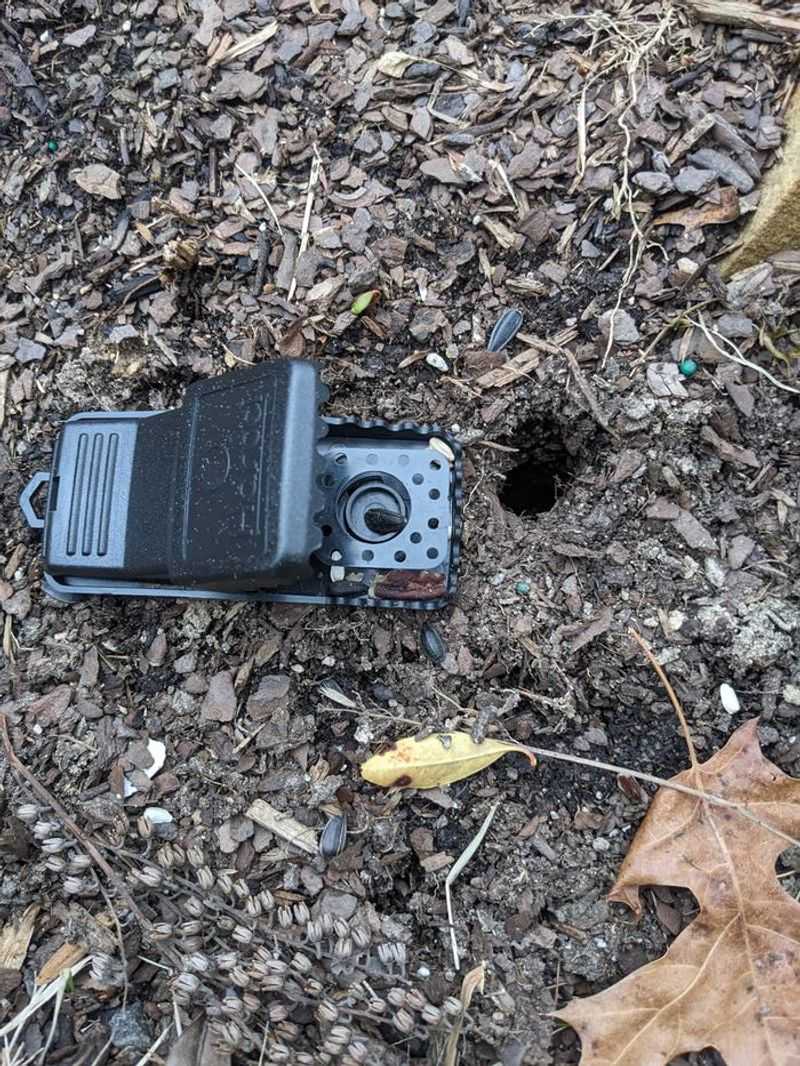
Spot a narrow, worn path in the grass about the width of a quarter? That is a vole runway, and it is the best place to set a trap.
Plain mouse-sized snap traps work well. Bait them with peanut butter mixed with oatmeal or a slice of apple, then set them at a right angle to the runway so the trigger sits right in the path.
Cover each trap with a box, bucket, or board to protect pets and birds. Fall is a smart time to trap, since natural food is getting scarce and voles are more willing to take bait.
8. Encourage Natural Predators
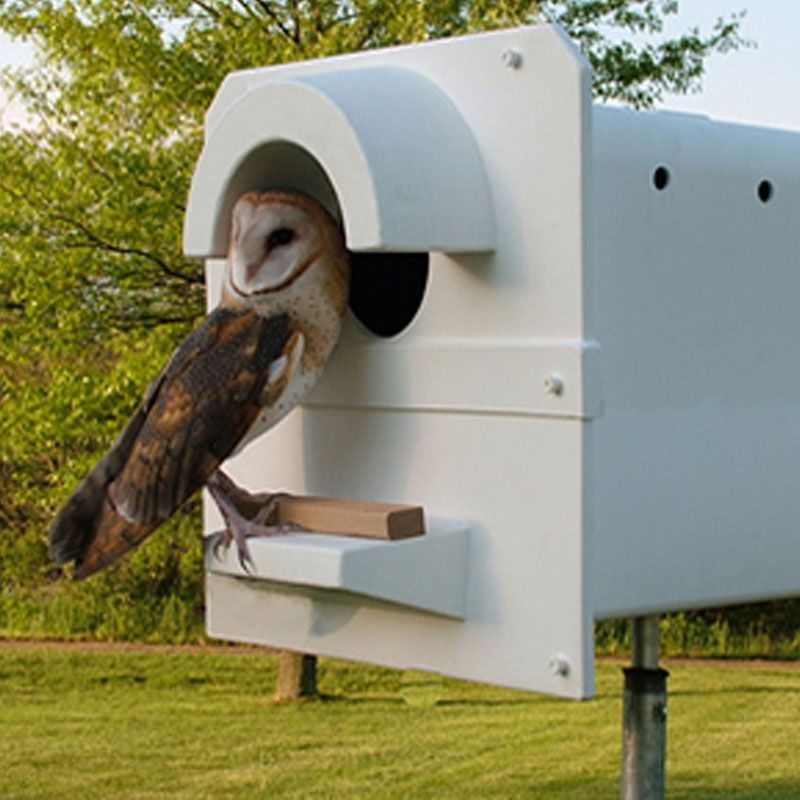
A single barn owl family can eat thousands of rodents in a year. That is a pest crew you do not have to pay.
Hawks, owls, foxes, and snakes all hunt voles. You can invite them by putting up an owl box or a tall perch pole near open lawn, where raptors like to watch for movement.
Skip rodent poisons if you want predators around, since poisoned voles can harm the animals that eat them. A healthy mix of wildlife keeps vole numbers more in check.
9. Avoid Overwatering Your Lawn and Garden
Soft, soggy soil is like freshly fluffed pillows to a vole. It is easy to dig, easy to tunnel, and full of tender roots.
As temperatures cool in fall, your lawn and shrubs need much less water. Cut back on sprinkler time, and check the soil with a finger before watering.
If it is damp an inch down, wait.
Fix leaky spigots and drip lines that keep one spot wet all the time. Firmer soil heading into winter makes digging harder, and it is better for your plants’ roots too.