
These North Carolina Native Shrubs Make A Better Privacy Screen Than Leyland Cypress Ever Will
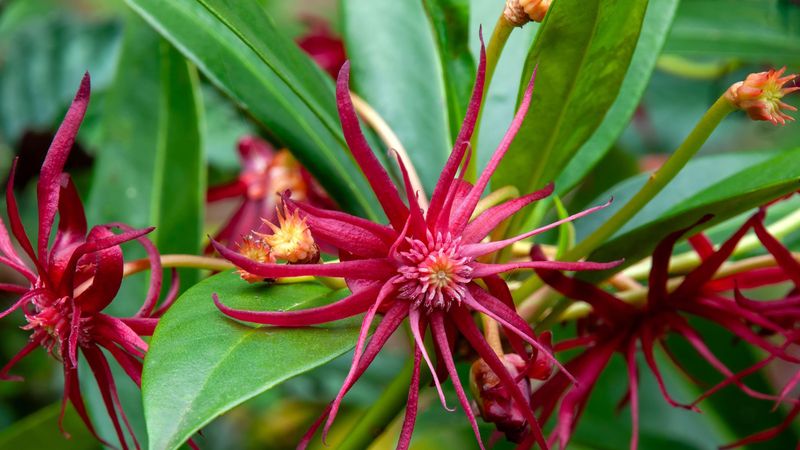
Drive through almost any North Carolina neighborhood and you will spot rows of Leyland cypress with brown, dead gaps where privacy used to be. Those trees often struggle with our clay soil, muggy summers, and diseases that have no cure.
The good news is that plants born right here can block the view next door and still feed birds, shelter fireflies, and laugh off drought. Here are nine native picks that give you a living wall your yard and its wildlife will thank you for.
1. Eastern Red Cedar
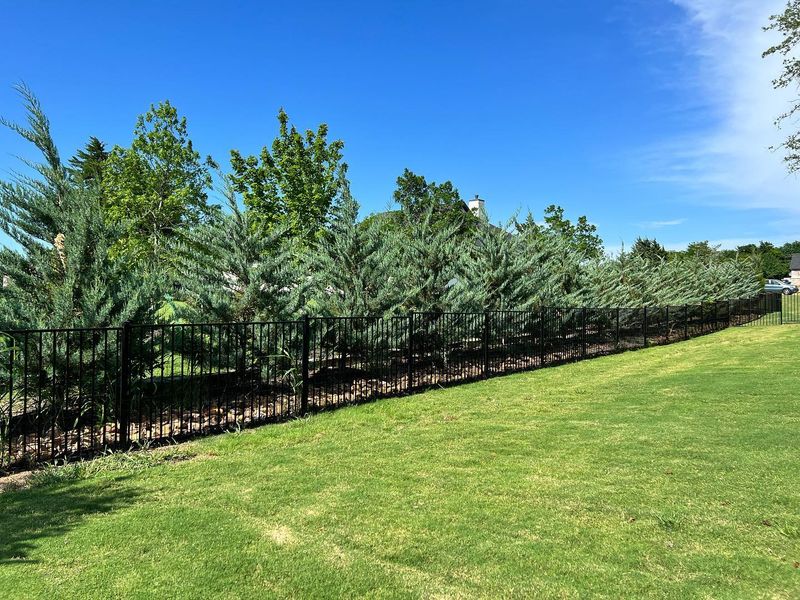
Long before anyone planted Leyland cypress, Eastern red cedar was holding down old fence lines across the Carolinas. Look at any abandoned Piedmont pasture and you will see it thriving in red clay that would rot a Leyland’s roots.
Once established, it shrugs off drought and grows into a thick, year-round wall that can reach 30 to 40 feet. Deer usually leave it alone, which matters a lot if you garden near the woods.
The real payoff is wildlife. Female trees carry dusty blue berries that cedar waxwings and bluebirds devour in winter, and the dense branches give songbirds a safe place to roost on cold nights.
It is also a host plant for the juniper hairstreak butterfly.
Give it full sun and room to spread, and keep it away from apple orchards, since it can host cedar-apple rust.
2. Southern Wax Myrtle
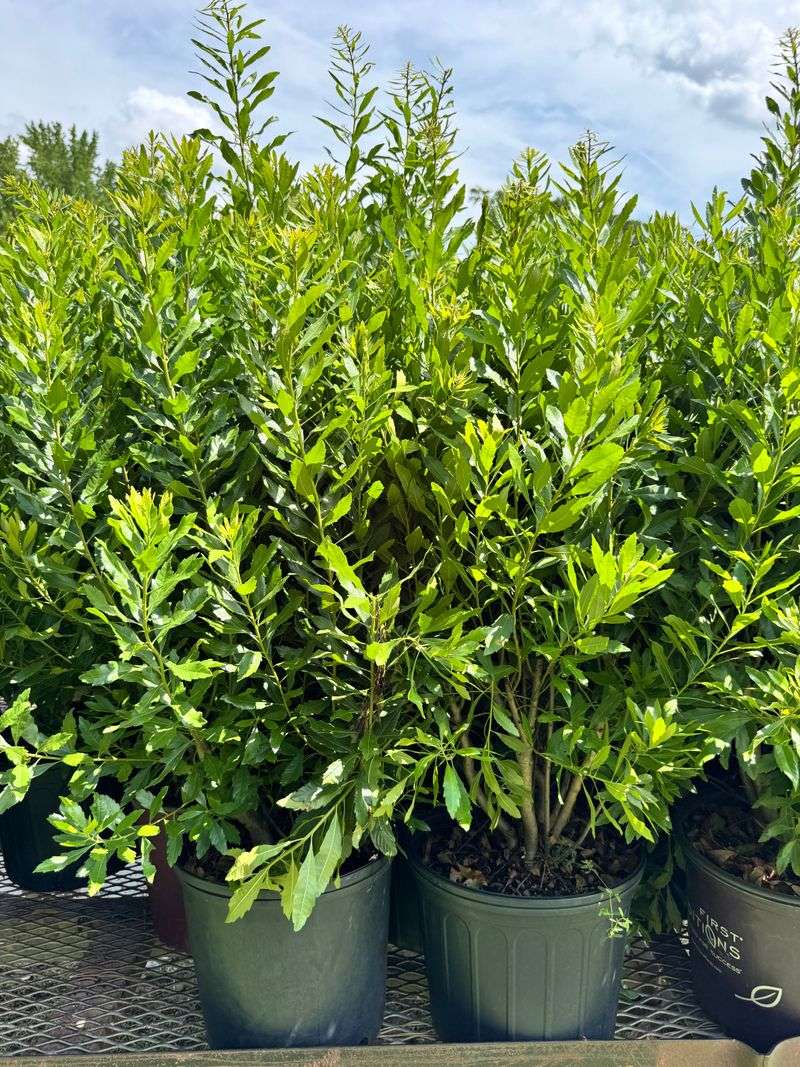
Need privacy by next summer? Southern wax myrtle can put on 2 to 3 feet a year, making it the sprinter of this list.
Mature plants reach roughly 15 to 25 feet, and they handle almost anything NC throws at them. Salt spray on the coast, soggy ditches in the Coastal Plain, and dry spells in the Piedmont barely slow it down.
Brush past the leaves and you get a clean, spicy scent that many people swear may help discourage bugs. In winter, yellow-rumped warblers flock to the waxy blue berries, which colonists once boiled to make bayberry candles.
One tip: older plants can get leggy at the base, so pair them with a lower shrub in front or trim lightly each spring to keep the screen full.
3. Inkberry Holly
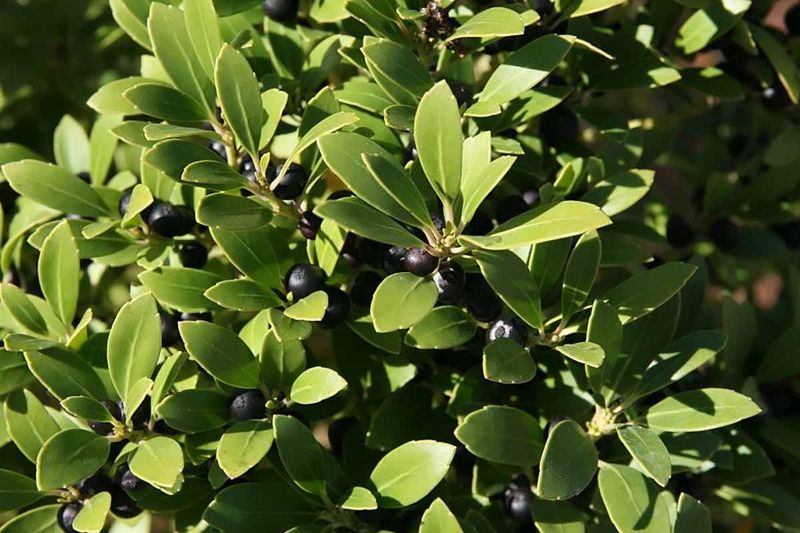
Got that one soggy corner where everything drowns? Inkberry holly will happily move in and fill it with glossy green.
It grows about 6 to 8 feet tall and wide, spreading into a thick colony that blocks low sightlines without constant shearing. Poorly drained clay that causes root rot in Leyland cypress suits it just fine.
Here is a bonus many folks miss. Those cool, moist thickets make great habitat for firefly larvae, so a screen of inkberry can mean more summer light shows in your own backyard.
Songbirds eat the black berries, and the plant hosts Henry’s elfin butterfly. It does have a high flammability rating, so plant it a safe distance from your house.
4. Yaupon Holly
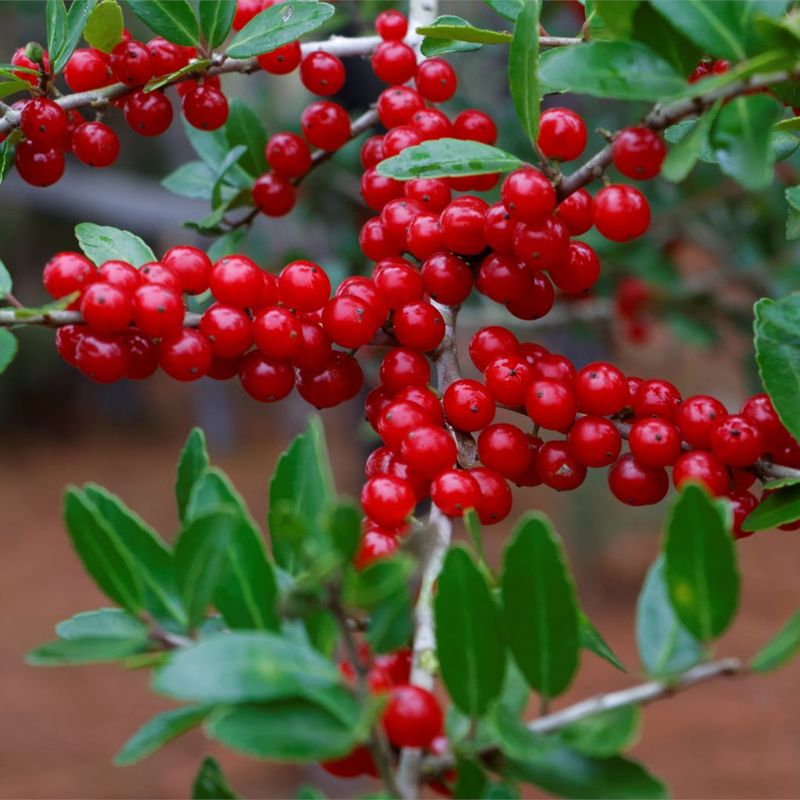
Few shrubs are as forgiving as yaupon. Shear it into a crisp formal hedge or let it grow wild into a 10 to 20 foot small tree, and it responds either way.
Drought, salt air, sandy soil, heavy clay, even an occasional flood are all handled without complaint. Female plants glow with bright red berries that mockingbirds, robins, and even small mammals rely on through winter.
Fun fact: yaupon is the only native North American plant with caffeine, and Indigenous people brewed its leaves into tea for centuries. Spring flowers also draw bees and butterflies.
Make sure you buy female plants with at least one male nearby if you want the berries.
5. American Holly
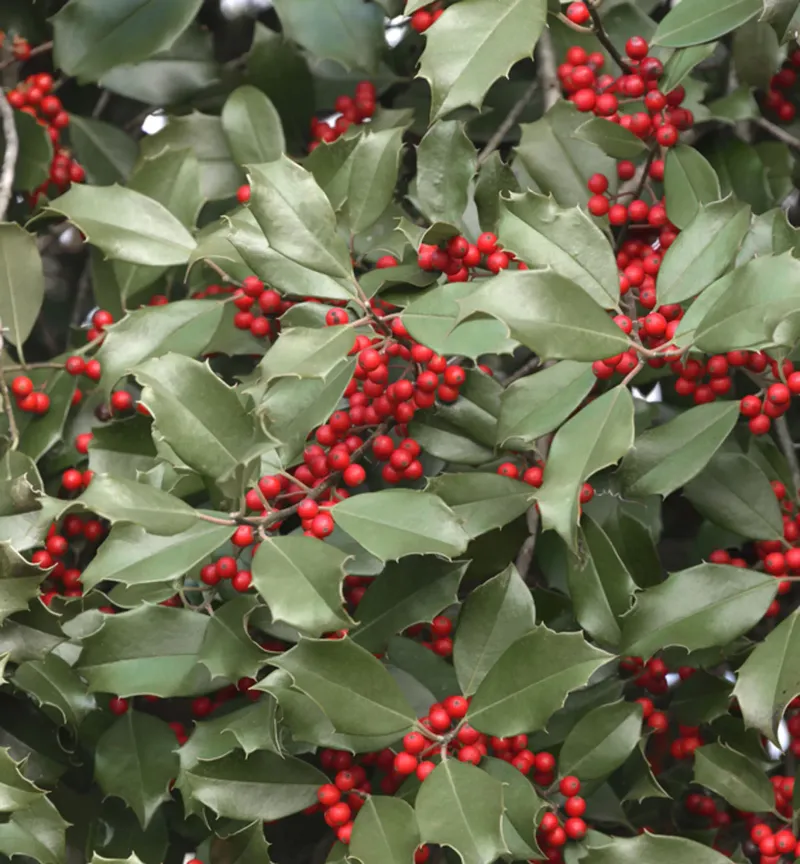
Patience gets rewarded with American holly. It grows slower than Leyland cypress, but it can live for a century while a Leyland might give up in 15 or 20 years.
The pyramid shape and spiny dark leaves create a screen that looks sharp every single month. Those prickly leaves also make a safe nesting spot where birds can hide from hawks and cats.
Winter berries feed thrushes and bluebirds when food runs thin. It does best in part shade to sun with decent drainage, from the mountains to the coast.
Plant a few now and your future self will have a sturdy, wildlife-packed wall.
6. Florida Anise
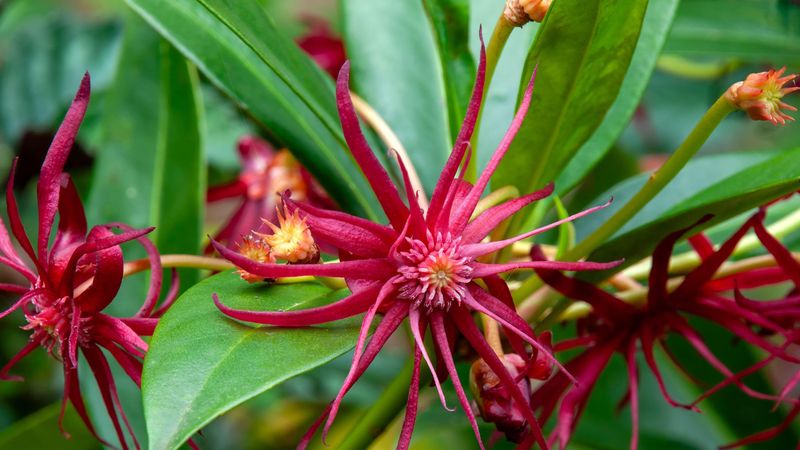
Shade kills most screening plants, but anise shrub actually prefers it. Under tall oaks and pines, where Leylands thin out and sulk, this one grows thick.
Varieties like Illicium parviflorum and Florida anise can reach 15 feet or more and form a dense evergreen wall. Crush a leaf and you will smell licorice.
Deer tend to skip it entirely, a real win for wooded lots. One caution: the plant is toxic if eaten and is not the same as kitchen star anise, so keep curious kids and pets from snacking.
7. Dwarf Palmetto
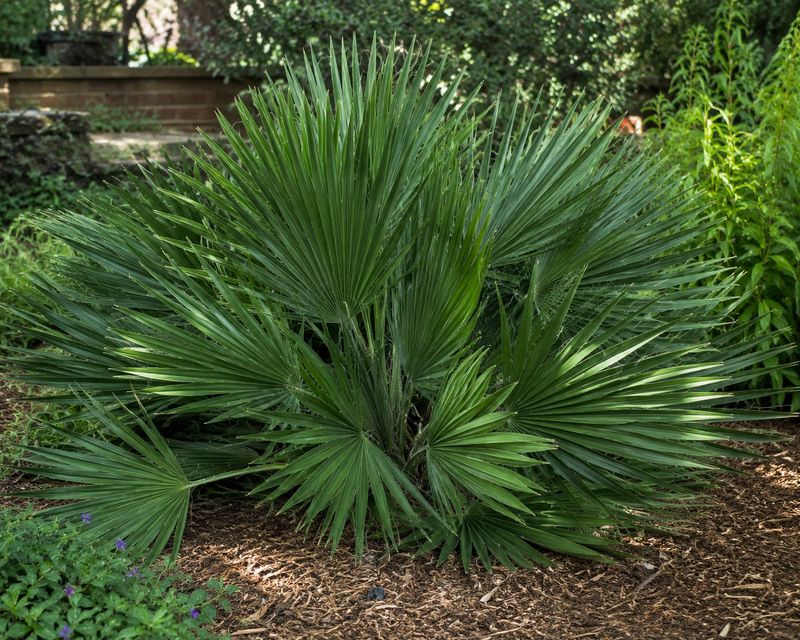
Picture a little bit of the coast in your backyard. Dwarf palmetto is a true NC native, found wild as far north as the Coastal Plain swamps.
Its big fan leaves add texture to a mixed screen, filling the bottom layer where taller shrubs get bare. It handles wet soil and part shade with ease.
Box turtles and other ground critters like the cover beneath the fronds. Leave leaf litter in place underneath so they have a safe spot, and never move a turtle you find to a new yard.
8. Mountain Laurel
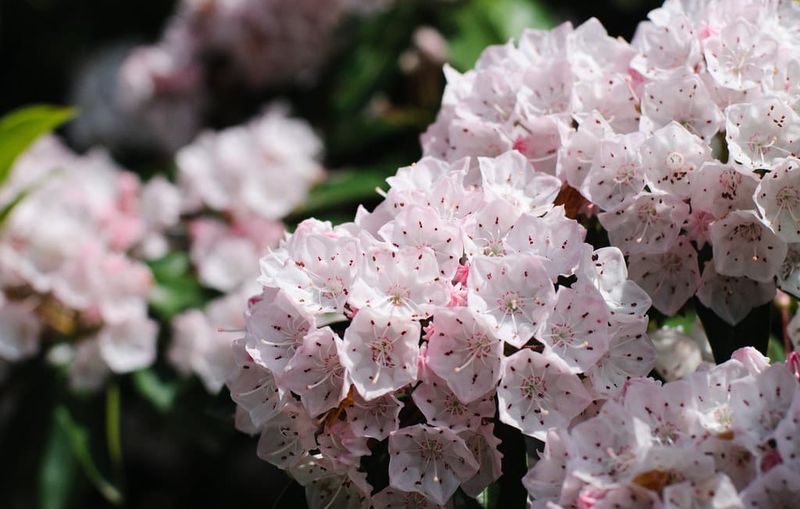
Every May, hillsides in the Blue Ridge turn pink and white, and mountain laurel is the reason. That same beauty can block your view of the neighbor’s shed.
It grows 5 to 15 feet tall with leathery evergreen leaves and loves acidic soil, partial shade, and good drainage. Mountain and upper Piedmont gardeners have the easiest time with it.
The flowers have a clever trick: tiny spring-loaded stamens fling pollen onto visiting bumblebees. All parts are toxic, so keep it out of reach of grazing pets.
9. Mixed Native Hedgerow
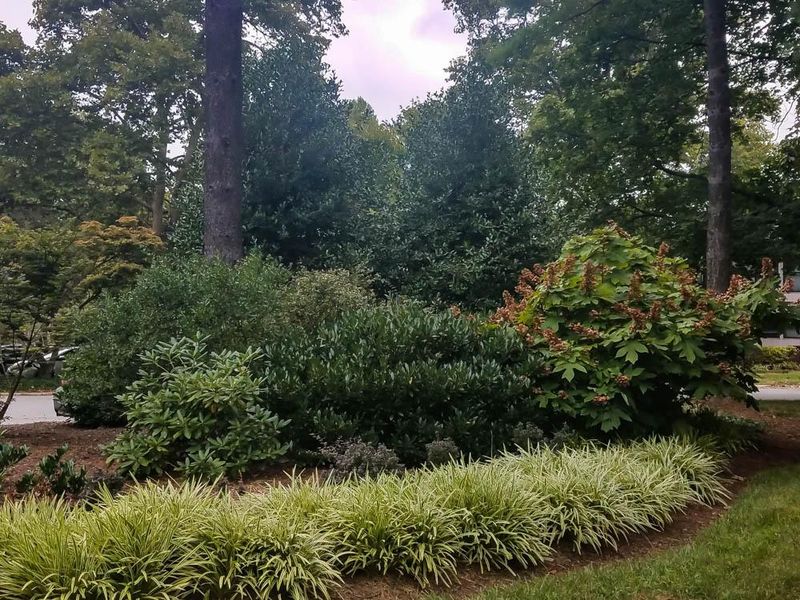
Here is the big lesson Leyland cypress taught a lot of NC homeowners: when every tree is the same, one disease like Seridium canker can wipe out the whole row. A mix protects you.
Combine a few evergreens from this list, like red cedar, wax myrtle, and yaupon, with deciduous natives such as red chokeberry or river birch for seasonal color. The evergreens hold privacy year-round while the others add berries and fall flair.
Fall is the best planting window across the state, so mark your calendar. Stagger plants in a zigzag instead of a straight line for a fuller look, and enjoy a screen that feeds goldfinches and bluebirds instead of dying in patches.