
Plant One Garlic Clove This Fall and Harvest a Whole Bulb Next Summer: Here’s How
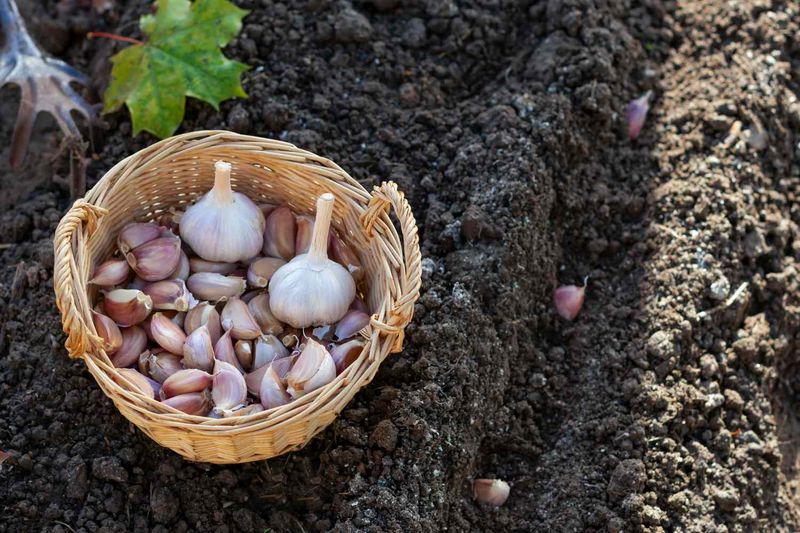
Tuck one garlic clove into the soil this fall, and next summer you can dig up a whole bulb with several cloves of its own. It is one of the most rewarding crops a backyard gardener can grow, and it needs very little fuss.
October often reminds people to start thinking about planting, though the right date depends on where you live. Here is how to choose good cloves, plant them, and care for them until harvest.
One planted clove usually becomes one multi-clove bulb
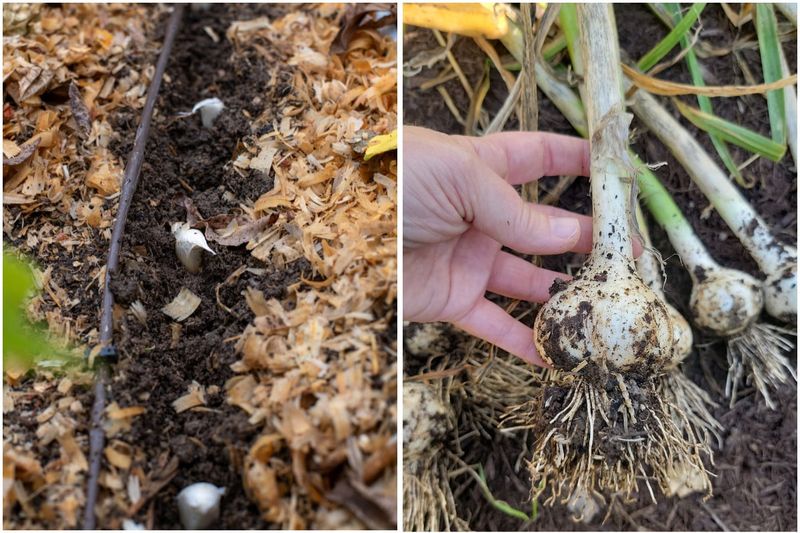
Garlic has a neat trick. Each clove you plant normally grows into one bulb, and that bulb is made up of multiple cloves.
Utah State University Extension notes that every planted clove produces a single bulb, so one small piece of garlic can turn into a whole head with several pieces of its own.
Timing is part of the magic. Garlic planted in fall has months to grow roots before winter, and it also gets the stretch of cold weather linked to good bulb formation.
Penn State Extension describes this fall planting routine, with harvest coming the following summer.
Here is the honest part: a bulb is the usual result, but a big bulb is not a promise. Size depends on the variety you choose, the size of the clove you plant, and your growing conditions, including soil, water, and spacing.
A modest bulb is still a fine harvest, and you can plant your biggest cloves again the next year.
Fall is not the only time garlic can go in the ground. Spring planting is possible, but Utah State Extension says spring-planted garlic there generally produces smaller bulbs.
If you missed fall, you can still try, and you may simply get a smaller crop.
The rest of this guide walks through timing, choosing cloves, planting, care, and harvest, one step at a time.
Is October the right time in your garden?
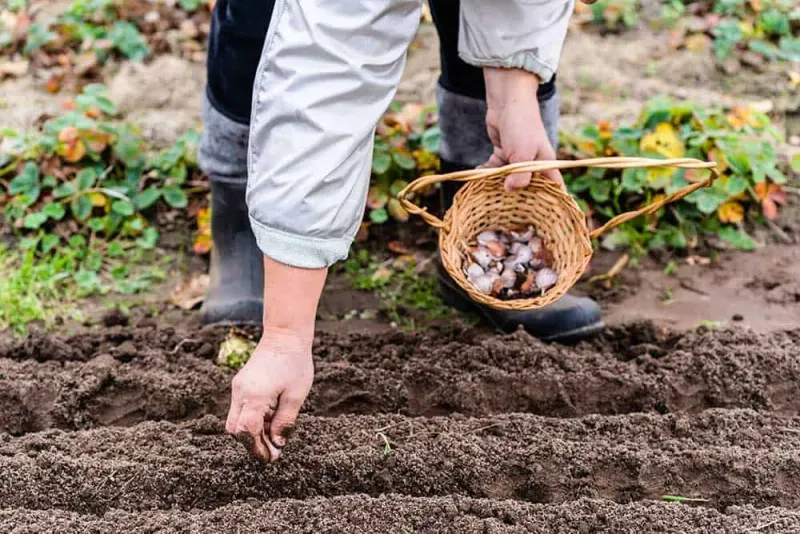
October is a handy reminder to check your local planting guidance, but it is not a national deadline. Garlic timing follows your climate and when the ground is expected to freeze.
Some areas plant earlier, and others plant later.
Two regional examples show the range. Penn State Extension suggests planting about three weeks before the ground freezes.
Utah State Extension gives a wider window for Utah, from late September into November.
So how do you find your own date? Start with your area’s average first hard freeze, then count back about three weeks as a rough target.
If you are unsure, your state extension office is the best place to check, and Washington State University Extension offers a home garden garlic guide that shows how advice changes with location.
Treat those dates as examples, not rules. If your soil is still warm and your freeze is weeks away, waiting a bit is reasonable.
If a cold snap is coming sooner than usual, get your cloves in the ground.
Choose clean cloves suited to your region
Your harvest starts with the clove you choose. Look for clean, firm, healthy planting garlic, ideally a variety suited to your local climate.
Garden centers, local growers, and farmers markets are good places to ask what does well nearby.
Garlic comes in two main types. Hardneck varieties send up a flower stalk called a scape, which is edible, and they are often preferred in colder regions.
Softneck varieties tend to store longer and are the kind more common in grocery stores. Illinois Extension covers these differences, and which type suits you depends on the variety and your climate.
Break the bulb into individual cloves shortly before planting, and keep the papery skin on each one. Penn State Extension advises choosing the largest healthy cloves, which gives you better odds of larger bulbs.
Save the small ones for the kitchen.
What about a bulb from the grocery store? It may sprout, but it is not a dependable choice.
It might be a variety that does poorly in your area, and you cannot tell how it was stored or where it was grown. Not every store bulb is treated to stop sprouting, yet clean stock suited to your region is the safer bet.
Garlic can also carry persistent diseases and pests in planting stock or soil, so avoid cloves that look moldy, soft, or shriveled. Rotating the bed so garlic does not follow garlic or other onion-family crops helps too.
Do not try hot-water treatment at home, since University of Minnesota Extension says it may damage cloves and does not reliably remove stem and bulb nematodes.
Give each clove sun, drainage, and room
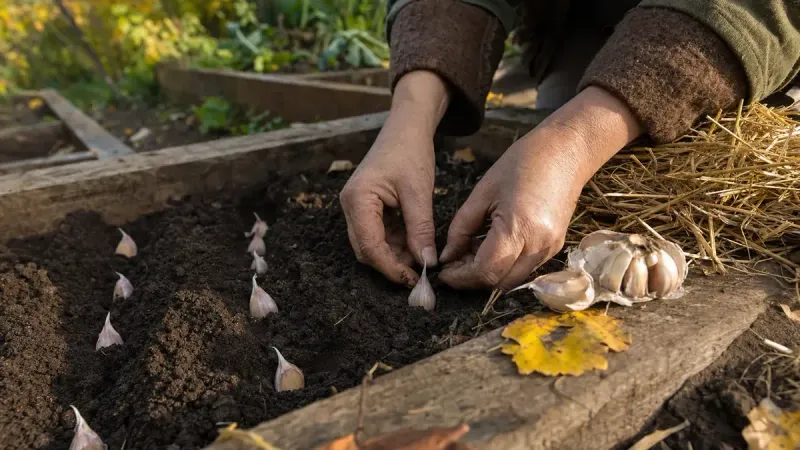
Garlic wants a sunny spot and soil that drains well. Soggy ground can lead to rot, so a raised bed or a loosened, compost-enriched patch can help if your soil stays wet.
Pull weeds first, since garlic does not like to compete.
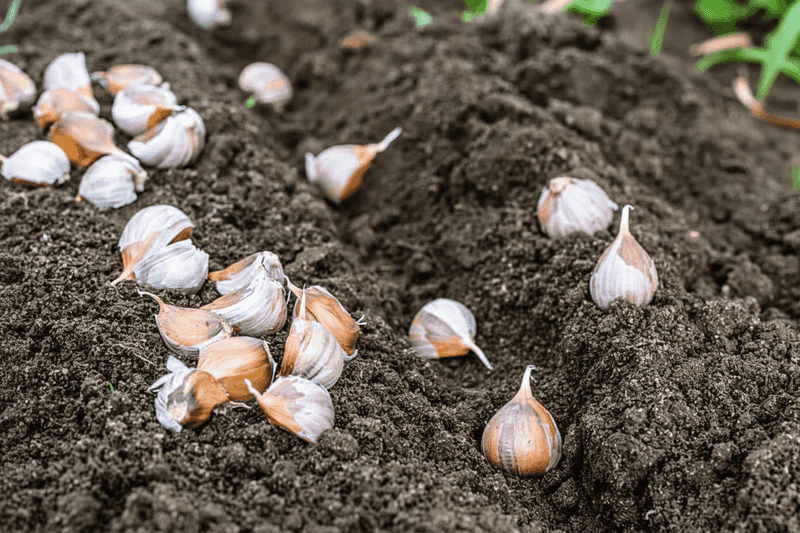
Set each clove with the pointed end up and the flat root end down. A common range is about 2 to 3 inches deep, with cloves roughly 3 to 6 inches apart, as noted by Illinois Extension and Utah State Extension.
Treat those numbers as a starting point rather than a strict rule.
Recommendations differ by source, variety, and location. Larger varieties may like more elbow room, and colder areas sometimes call for deeper planting.
Check with your local extension office to fine-tune the numbers.
Here is why spacing matters. Crowded plants compete for water and nutrients, and that can leave you with smaller bulbs.
Poor drainage can do similar harm, because roots sitting in wet soil struggle.
If you see yellowing or weak growth in spring, ask yourself whether the bed stays soggy or the plants are packed tightly. Fixing drainage or thinning a little next season is a simple next step.
Care for garlic as the bulbs develop
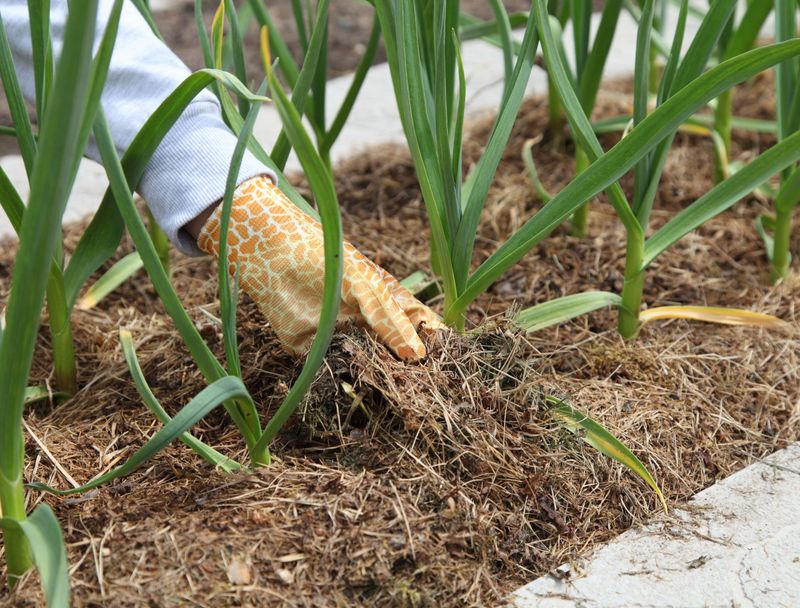
Once the cloves are planted, cover the bed with mulch. Penn State Extension recommends 2 to 4 inches of straw, and Illinois Extension also points to straw or leaf mulch.
A layer like this can protect the planting and help hold moisture in the soil.
When green shoots poke up in spring, you can pull the mulch back a little if it is smothering them. Keep weeds under control, since garlic does not compete well.
Water when rain is scarce.
Aim for reasonably consistent moisture while the plants are growing, especially in late spring and early summer when bulbs are swelling, as Illinois Extension and Penn State Extension describe. Dry stretches can stress plants and may affect bulb size.
As harvest approaches, cut back or stop watering.
If you are growing hardneck garlic, you will see curly flower stalks called scapes in late spring. Penn State Extension notes that scapes are edible, and removing them while young may improve bulb size.
That is no guarantee of a bigger bulb, but it gives you a bonus ingredient for stir-fries and pesto.
Softneck garlic usually does not produce scapes, so there is nothing to snip. Whatever type you grow, steady watering and mulch do most of the work.
Harvest and cure bulbs when they are ready
Garlic tells you when it is ready, though the timing varies by variety and location. A common cue is when about half the leaves have turned yellow while some remain green, according to Illinois Extension.
Treat that as a guide rather than an exact rule, and do not expect a specific date.
Check a plant or two if you are unsure. Loosen the soil and lift one bulb to see whether the cloves look well filled.
Waiting too long can let the bulb wrappers split, so keep an eye on the leaves.
When it is time, lift the bulbs carefully instead of pulling them by the tops. A garden fork or trowel set a few inches away from the stem helps free them gently.
Bruised bulbs do not keep as well, so handle each one with care and brush off loose soil without scrubbing.
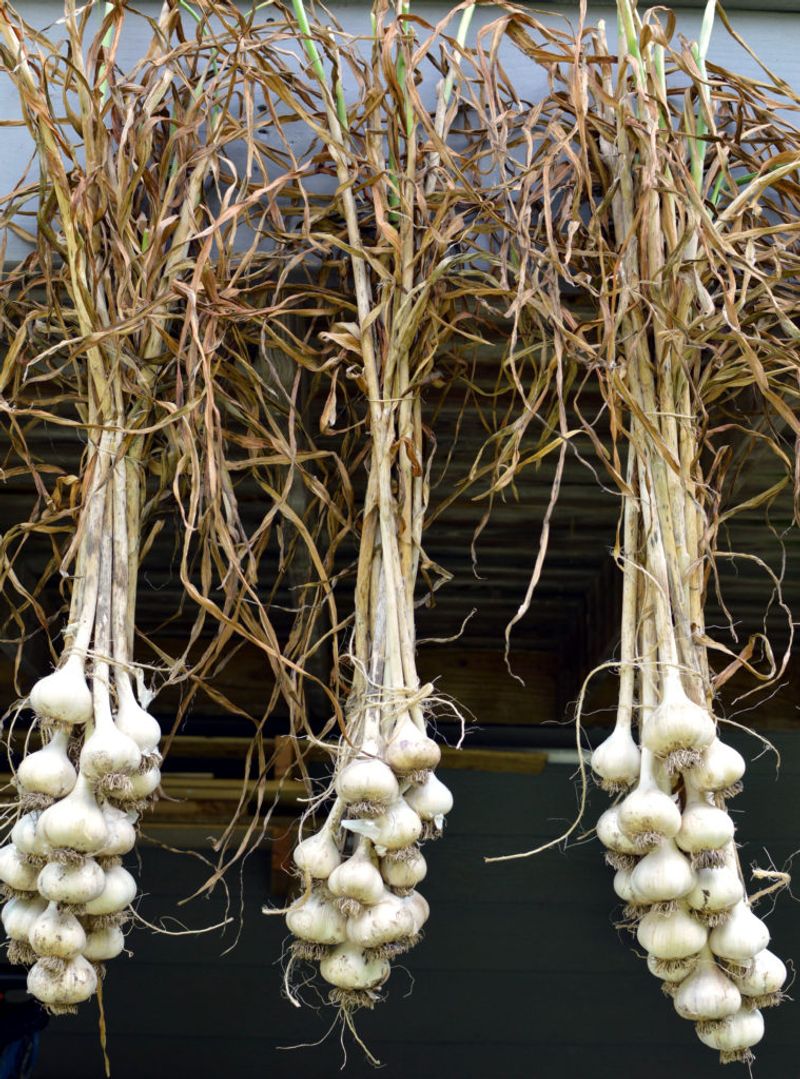
If you plan to store your garlic, cure it first. Penn State Extension describes drying bulbs in a shaded, dry, well-ventilated spot for several weeks.
Tie them in small bundles or lay them on a rack, and keep them out of direct sun.
Save your biggest, healthiest bulbs for planting stock this fall. One clove can start the whole cycle again.