
Bring Your Tender Bulbs Inside Before The First Frost – 13 You Dig Up Once And Replant Every Spring
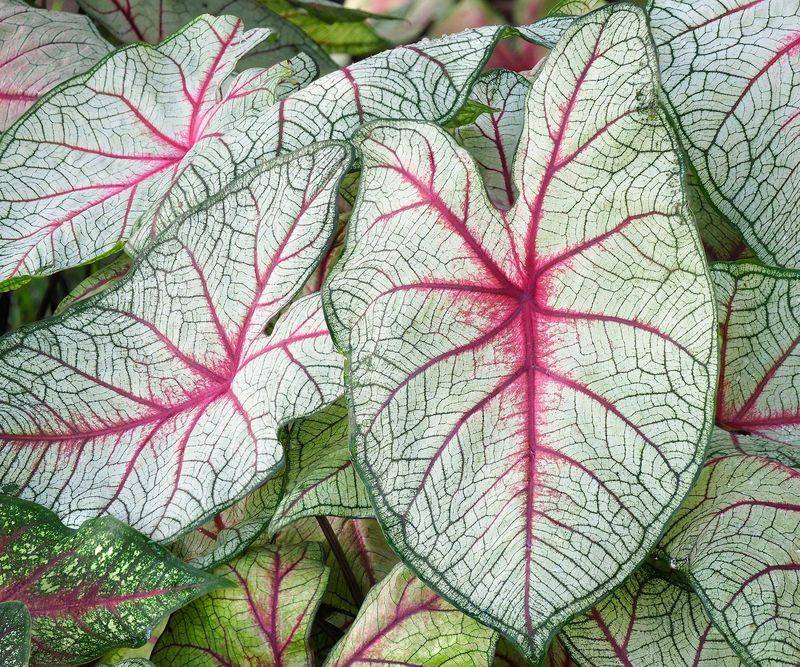
One cold night can turn a summer of dahlias and cannas into mush underground. Tender bulbs come from warm places, and frozen soil rots them fast.
The good news is that a little digging in fall lets you save them all winter and plant the same bulbs again next spring. Here are 13 worth rescuing, plus the simple tricks that keep each one alive until planting time.
1. Dahlias
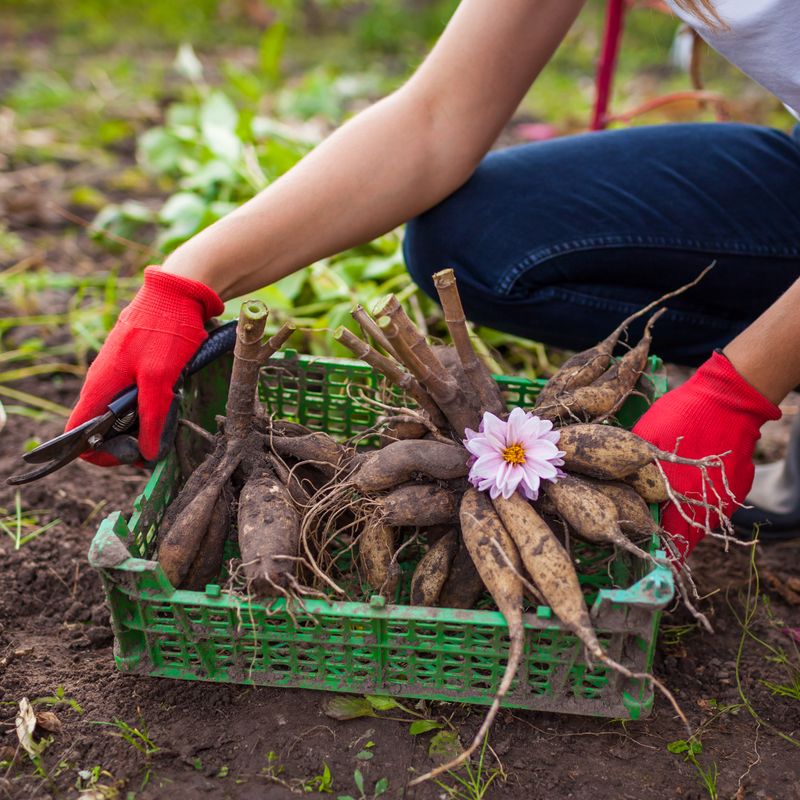
Ask any dahlia grower about their worst fall and you will hear the same story: they waited too long, and the tubers turned to soup. Dahlias are the classic tender bulb, and they are worth every minute of effort.
One clump can split into several new plants by spring.
Wait until the first light frost blackens the leaves, then dig within a few days. Cut stems to about 4 to 6 inches first so you have a handle.
Slide a fork in wide around the plant, because a stabbed tuber may rot in storage.
Rinse off soil gently and let the clump dry for a day or two out of the sun. Pack tubers in a box with peat moss, vermiculite, or wood shavings, and keep them somewhere around 40 to 50 degrees F.
Check them monthly and toss any that turn soft.
2. Canna Lilies
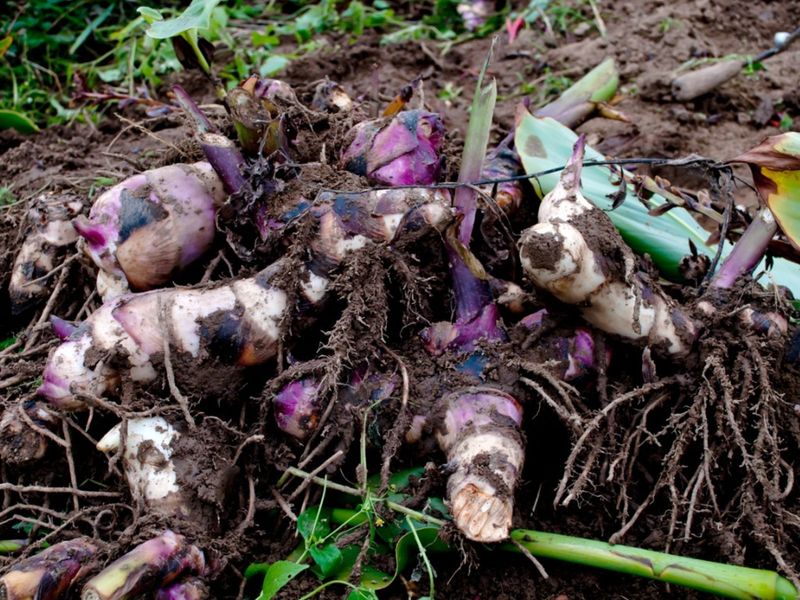
Cannas multiply like they are running a side business. Plant one rhizome in May and by October you may be digging up a clump the size of a football.
That makes them one of the most rewarding bulbs to save.
Let frost knock the leaves down, then cut stalks back to a few inches and lift the whole mass. You can wash off the dirt, which helps you spot damaged pieces.
Let them air dry for one to three days.
Store the clump whole or divided, wrapped loosely in peat or tucked into a crate with shavings. A cool basement that stays above freezing works well.
If rhizomes start to wrinkle in late winter, a light mist on the packing material can perk them back up.
3. Gladiolus
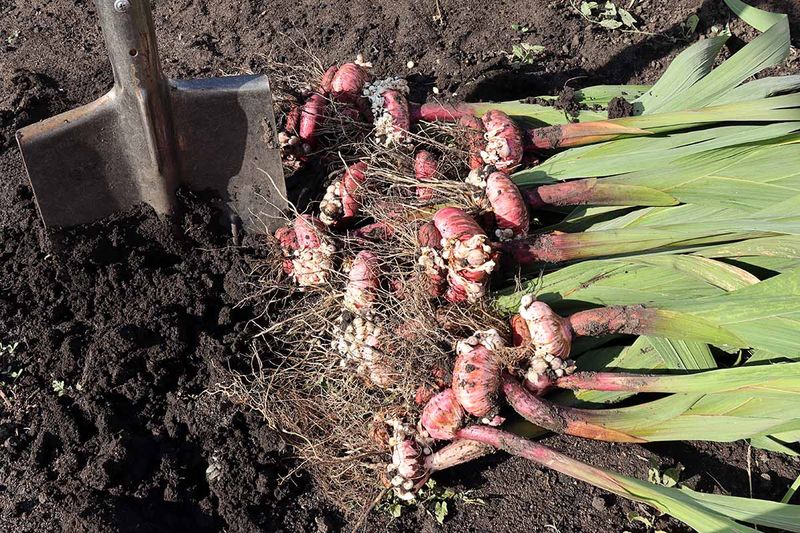
Grandma’s garden probably had a row of glads standing tall like soldiers along the fence. Those spikes came from flat little corms she lifted every single fall.
You can do the exact same thing with almost no fuss.
Dig corms when the leaves turn yellow or after a light frost. Here is the big difference from dahlias: do not wash gladiolus corms.
Just shake off the soil and cut the leaves close to the top.
Cure them in a warm, airy spot for two to three weeks. Afterward, snap off the old shriveled corm underneath and save the tiny cormels if you want free baby plants.
Store in mesh bags or old pantyhose at 35 to 45 degrees F.
4. Elephant Ears
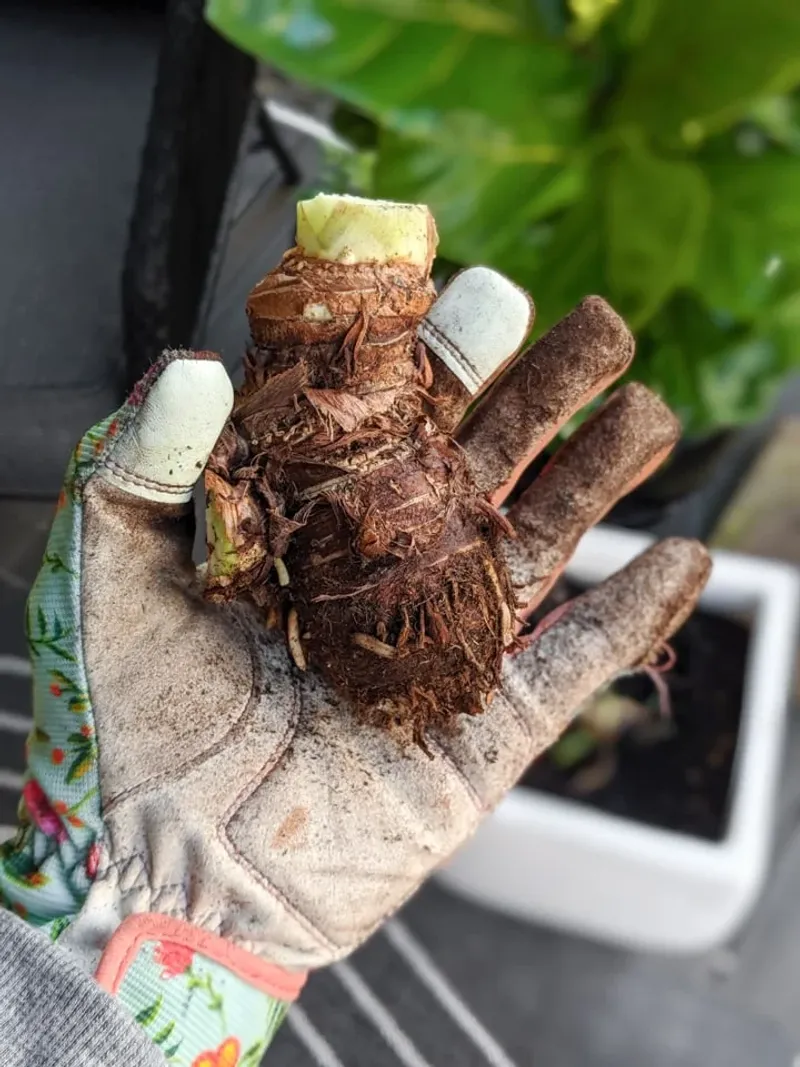
Those giant tropical leaves that made the neighbors stop and stare? They grew from a tuber that cannot handle even a mild freeze.
Elephant ears, both Colocasia and Alocasia, need to come in early.
Dig them once frost hits the leaves or just before, keeping a few inches of foliage on top. Brush off soil carefully, since big tubers bruise more than you would think.
Let them dry for one to two weeks in a warm, ventilated spot. Then nestle them in peat or dry sawdust and keep them above 45 degrees F.
Elephant ears like slightly warmer storage than dahlias, so a cold garage can be risky. An interior closet in a cool room may be a safer bet.
5. Caladiums
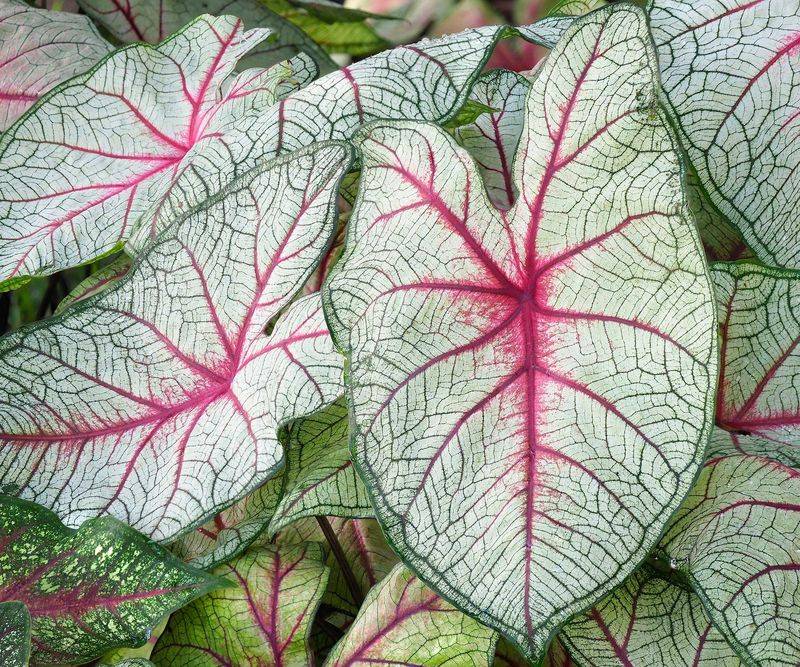
Caladiums are the divas of this list, and honestly, they have earned it. Their painted pink, red, and white leaves light up shady spots all summer.
But they hate cold more than any other bulb here.
Do not wait for frost. Dig caladiums when nights start dropping toward 55 degrees F and the leaves begin to droop.
Let the tubers dry for about a week, then trim off the old foliage.
Store them around 60 degrees F, much warmer than most bulbs. A box of dry peat in a spare bedroom closet usually works great.
Put them in a basement at 40 degrees and they may simply rot or never wake up.
6. Tuberous Begonias
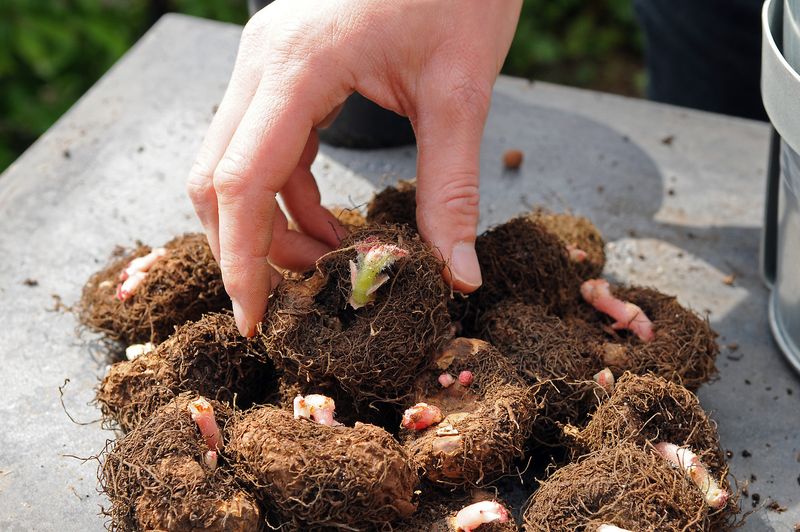
Picture a porch basket overflowing with rose-like begonia flowers in coral and red. Now picture buying that same tuber again every year.
Saving it is easier and a whole lot cheaper.
When the first light frost hits, or the leaves start yellowing, lift the tubers. If yours grew in pots, you can bring the whole pot into a dry garage and let the soil dry out first.
Leave the stems on until they fall off naturally.
After a few weeks of drying, brush off the soil and store tubers in dry peat at about 45 to 50 degrees F. Keep them hollow-side up when you replant in spring.
That little dent is where the new sprouts pop out.
7. Calla Lilies
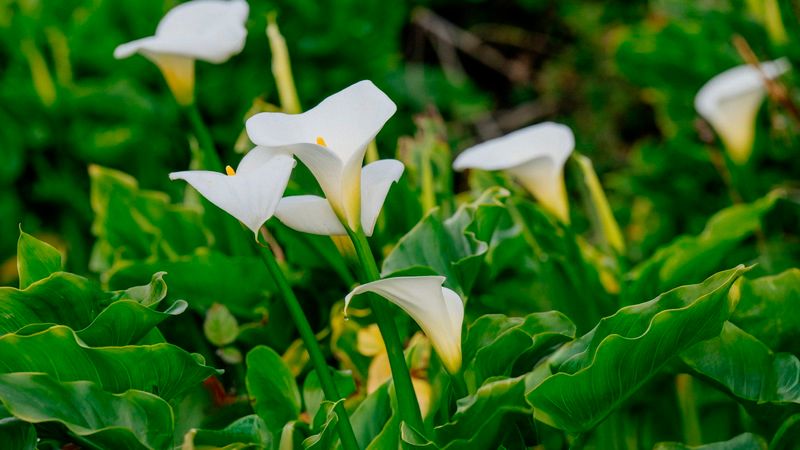
Callas look elegant, almost fancy, yet their rhizomes are pretty tough once they are out of the ground. The trick is patience during drying.
Rush this step and mold can move in.
Dig them after a light frost or when foliage yellows. Remove most of the soil, then let rhizomes cure in a warm, airy place for up to three weeks.
They should feel firm and dry, not damp.
Pack them in vermiculite or peat in a ventilated box. Aim for 50 to 60 degrees F, a bit warmer than gladiolus.
Fun fact: calla lilies are not true lilies at all. They are related to the peace lily sitting on your windowsill.
8. Crocosmia
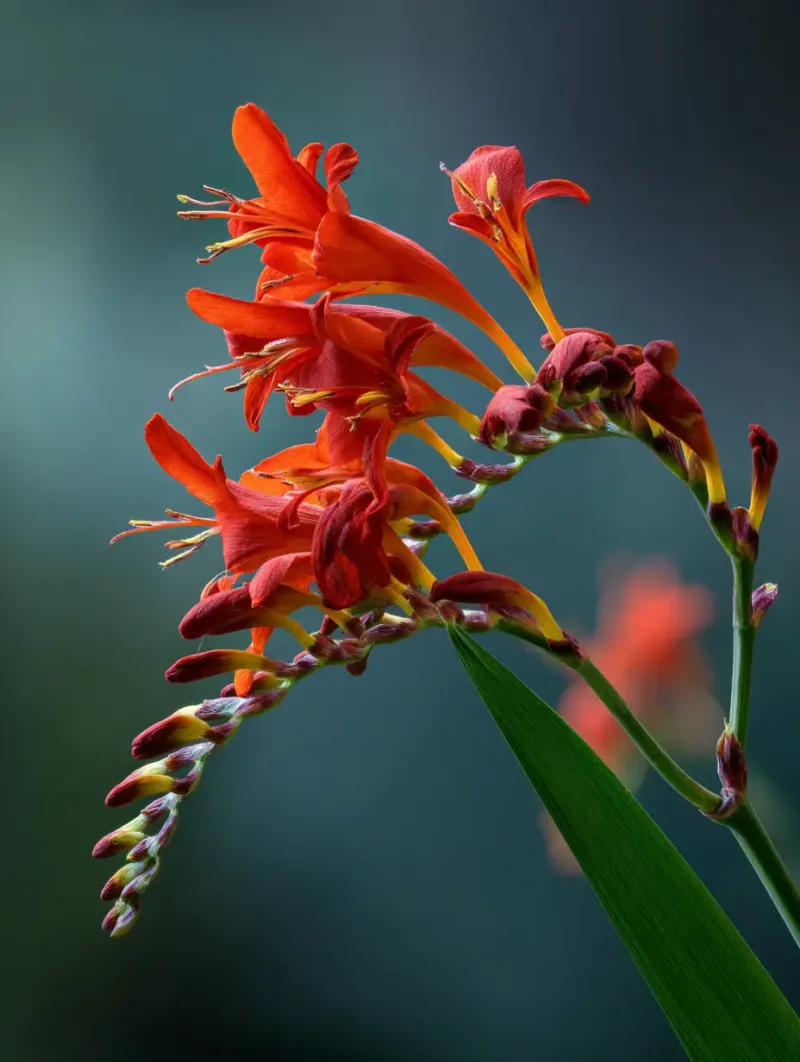
Hummingbirds go wild for crocosmia’s fiery red and orange sprays. In warmer zones it can stay in the ground, but in colder northern gardens it often will not survive winter.
If you live where the ground freezes hard, digging is your safety net.
Crocosmia corms grow in quirky stacked chains, one on top of the other like beads. Keep those chains together when you dig.
Lift them after the foliage dies back, and shake off loose soil.
Cure for a couple of weeks, then store in mesh bags or dry peat at 35 to 45 degrees F. Treat them much like gladiolus, their close cousin.
Come spring, plant the chains about 3 to 4 inches deep.
9. Peacock Orchid
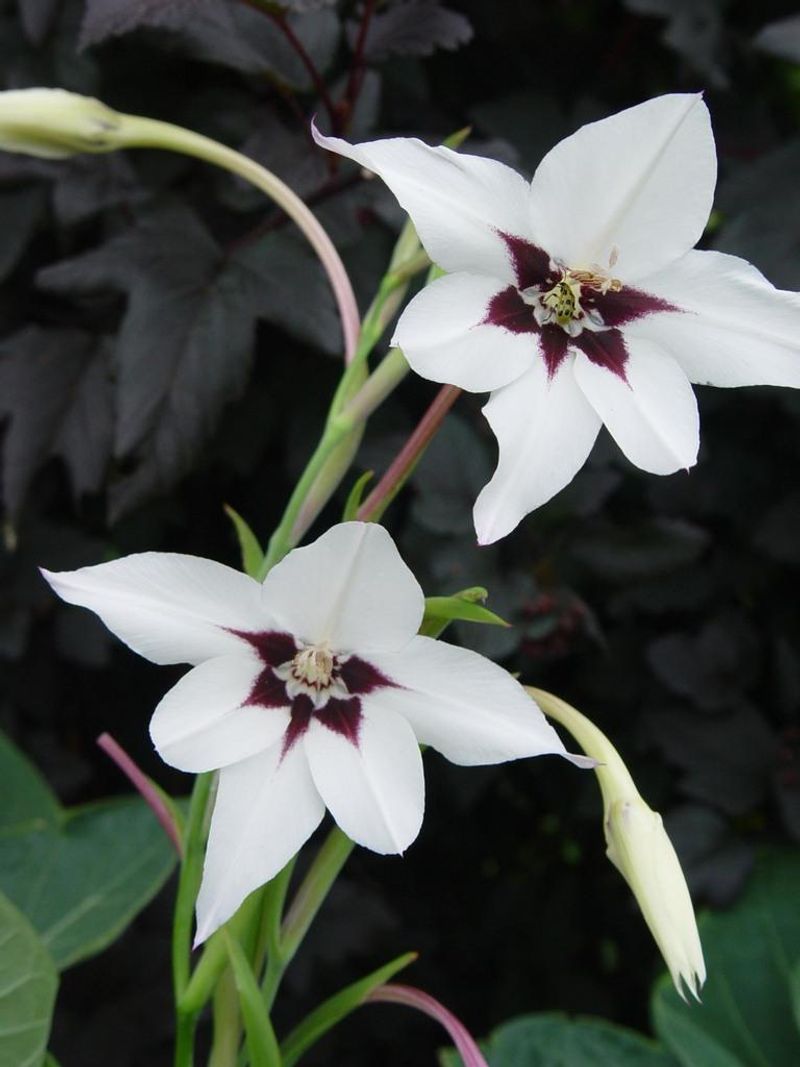
On late summer evenings, peacock orchid fills the air with a sweet scent you can smell from the patio. Its white star flowers with deep purple centers look like something from a florist shop.
The plant is actually a gladiolus, also sold as Acidanthera.
Since it is related to glads, the routine is almost identical. Dig after the leaves yellow or the first light frost, skip the washing, and let corms cure in an airy spot for a couple of weeks.
Store them in a labeled paper bag with a little dry peat. Peacock orchids bloom late, so many gardeners start them in pots indoors in early spring.
That head start can bring flowers weeks sooner.
10. Peruvian Daffodil
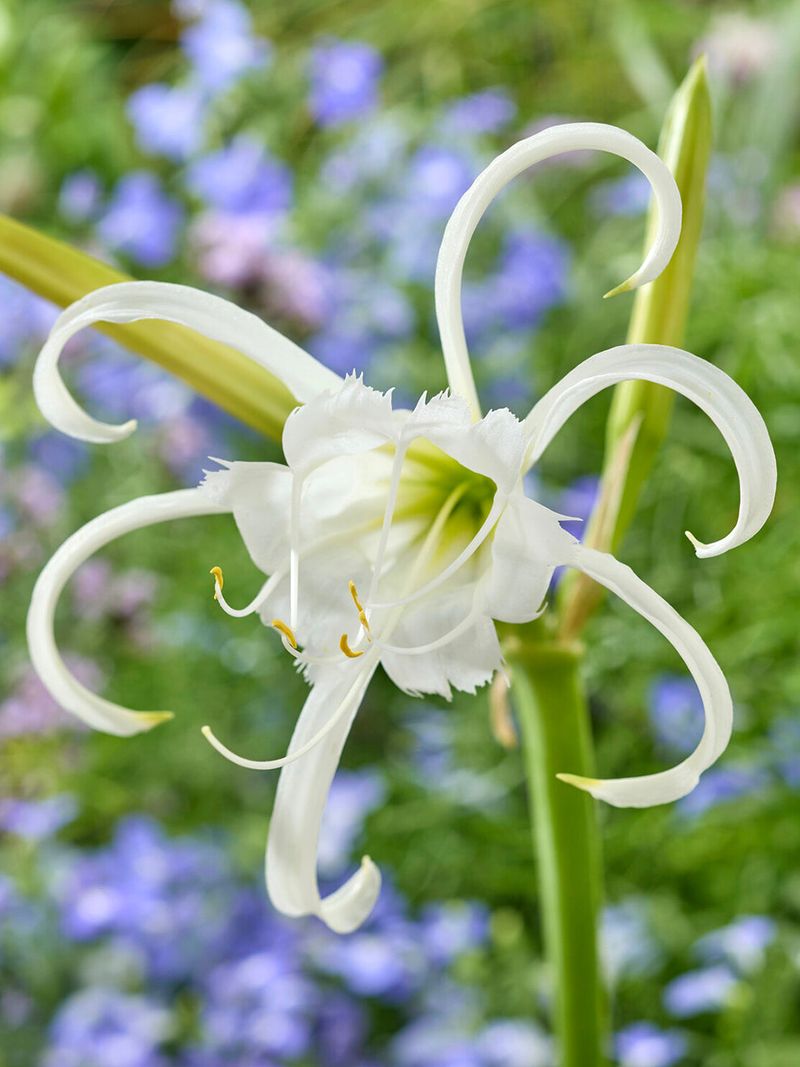
Here is the rule breaker. Most bulbs on this list can wait for a light frost, but Peruvian daffodil cannot.
Frost damage can harm the bulb itself, so dig it before the cold arrives.
Watch your local forecast in early fall and lift them once nights get chilly. Keep the fleshy roots attached.
Turn the bulbs upside down to dry, which lets moisture drain out of the leaves.
Store them at about 60 to 65 degrees F, warmer than most. Dry peat or open mesh bags work well.
The reward next summer is wild, spidery white blooms that smell surprisingly sweet.
11. Oxalis
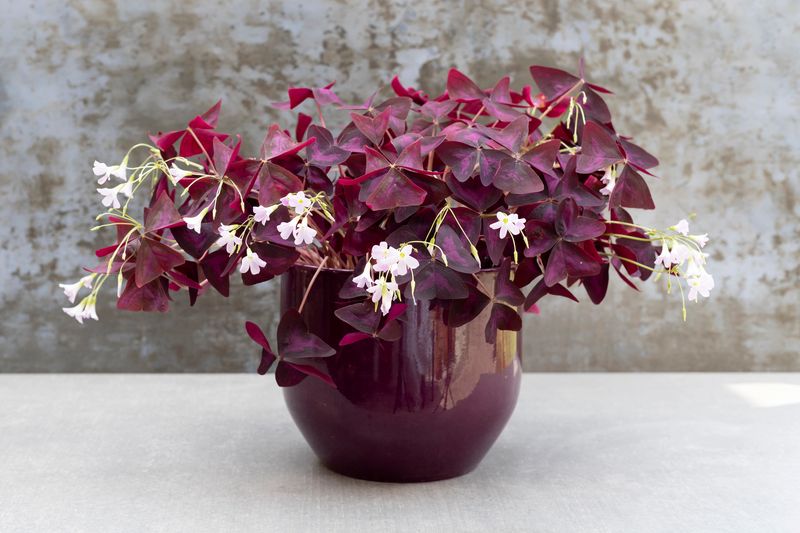
Purple shamrock oxalis is the easygoing friend of the bulb world. Its tiny bulbs are so small you might lose them in the soil.
Luckily, you do not even have to dig them out.
If your oxalis grew in a pot, just carry the whole pot inside before frost. You can keep it growing on a sunny windowsill as a houseplant.
Or let it go dormant by cutting back water until leaves fade, then store the pot in a cool, dark spot.
For in-ground plants, scoop up the clump with soil attached and pot it. In late winter, start watering again and new leaves usually appear within a few weeks.
That butterfly-shaped foliage folds closed every night, which kids love to watch.
12. Tuberose
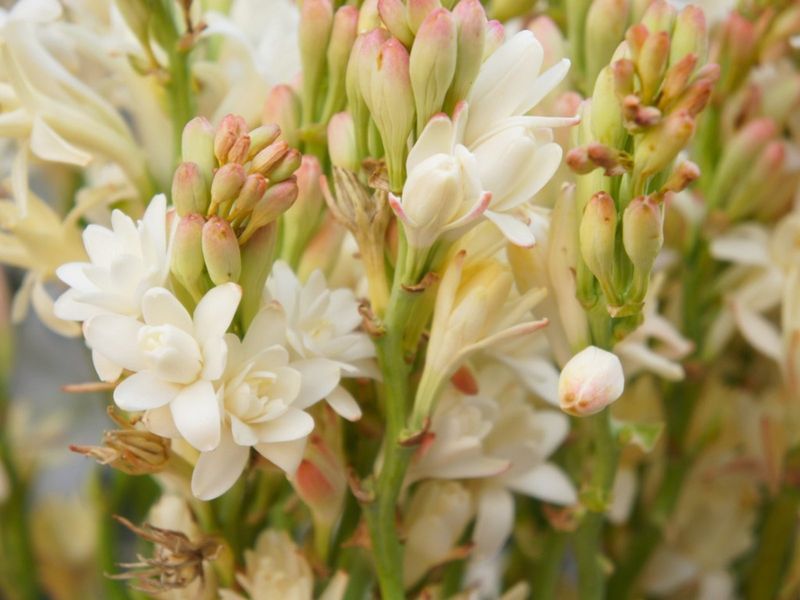
A single stem of tuberose can perfume a whole room. Perfume makers have prized it for centuries.
In most US gardens, though, it will not make it through winter outdoors.
Lift tuberoses after frost blackens the leaves. Each mother bulb usually flowers just once, but it leaves behind little offsets.
Save those babies, because they will grow into bloom-size bulbs over a season or two.
Dry them for about a week, then store in dry peat at 45 to 55 degrees F. Avoid cold that dips near freezing.
In spring, wait until the soil feels truly warm before planting, since cold soil can stall them.
13. Pineapple Lily
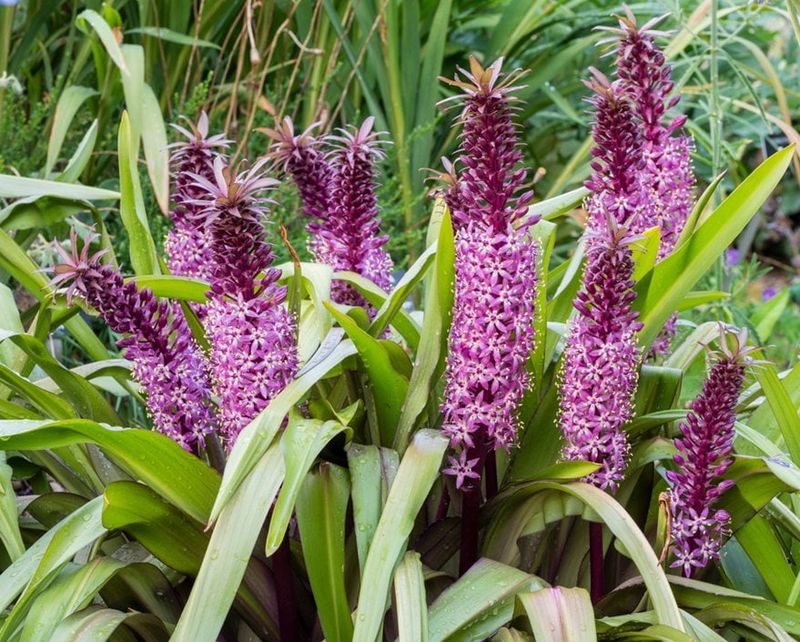
Kids always do a double take at pineapple lily. The flower spike is topped with a leafy tuft, just like a tiny pineapple.
Eucomis brings that tropical fun without much work.
In warm zones it may survive outside, but where winters bite hard it is safer indoors. Dig bulbs after the foliage yellows or after a light frost.
Shake off the soil and let them dry for about a week.
Store in dry vermiculite or peat at around 40 to 50 degrees F. Potted plants can simply come into the garage and stay dry until spring.
Label everything, since a winter of plain brown bulbs makes even sharp memories fuzzy.
Save this list for next fall. A little digging now means a garden full of familiar friends next summer, without buying a single new bulb.