
The One Thing North Carolina Hollies Need Before The First Freeze Or Their Winter Berries Disappear
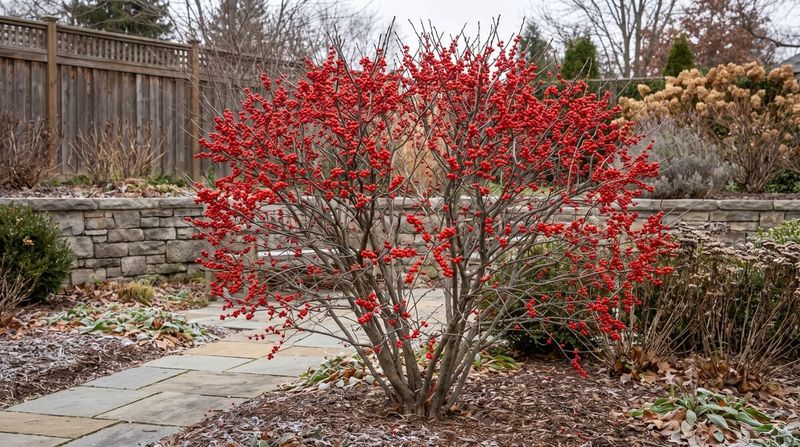
Those bright red holly berries you love in December feed cedar waxwings, bluebirds, and robins all winter long in North Carolina. But a dry fall can leave hollies stressed, scorched, and short on fruit right when the birds need it most.
The good news is that one simple chore before the first hard freeze can make a big difference. It takes a hose, a little patience, and about an hour of your weekend.
1. A Deep, Slow Watering Before the Ground Freezes
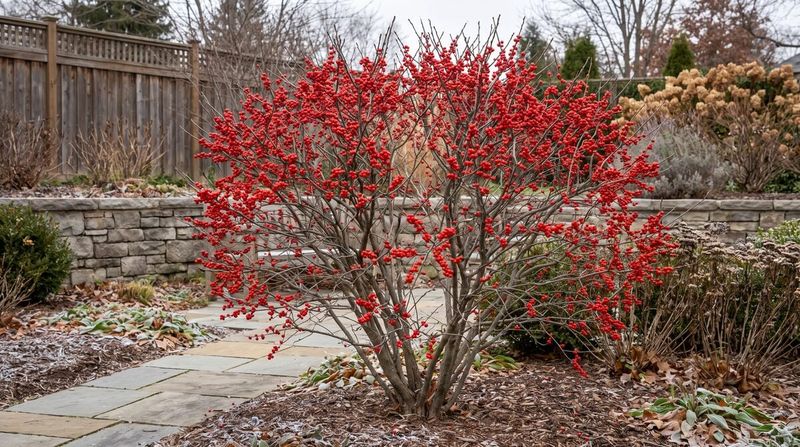
Picture a cold January morning in Raleigh with a flock of cedar waxwings stripping a holly bare in minutes. That feast depends on what you do in October and November.
A long, deep drink before the first freeze is the single best gift you can give your hollies.
Evergreen hollies like our native American holly (Ilex opaca) and yaupon keep losing water through their leaves all winter. When the soil freezes, roots can’t pull moisture back up fast enough, and leaves can brown and burn.
That stress can weaken the plant and may cut down on healthy fruit for the birds that rely on it.
Here’s the weekend plan. Set a hose on a slow trickle at the base and let it run until the soil is moist 10 to 12 inches down, moving it around the drip line.
Native winterberry holly (Ilex verticillata) drops its leaves but loves moist soil, so give it the same treatment.
Then lock that moisture in with 2 to 3 inches of shredded leaves or pine straw out to the drip line. Keep mulch a few inches off the trunk to prevent rot and discourage voles.
Young hollies in windy mountain or coastal spots may also appreciate a simple burlap screen.
Fun fact: only female hollies make berries, so a nearby male is needed. If your shrub never fruits, that may be the missing piece, not the water.