
Few Hummingbirds at Your Feeder This Spring? Placement Is One Factor Worth Checking
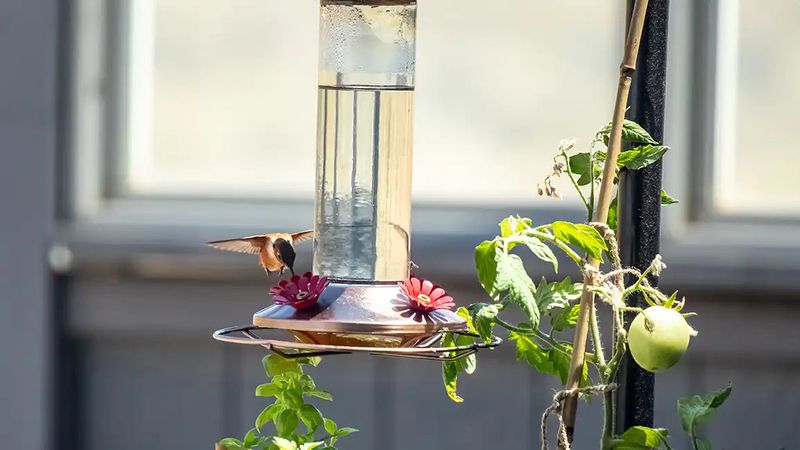
You hang the feeder, fill it with fresh nectar, and then nothing shows up. It is easy to feel like you did something wrong.
Where the feeder hangs can change how fresh, steady, and safe it is, so it is worth a look before spring migration. Just keep in mind that a quiet feeder has more than one possible reason.
Placement matters, but it cannot explain every quiet feeder
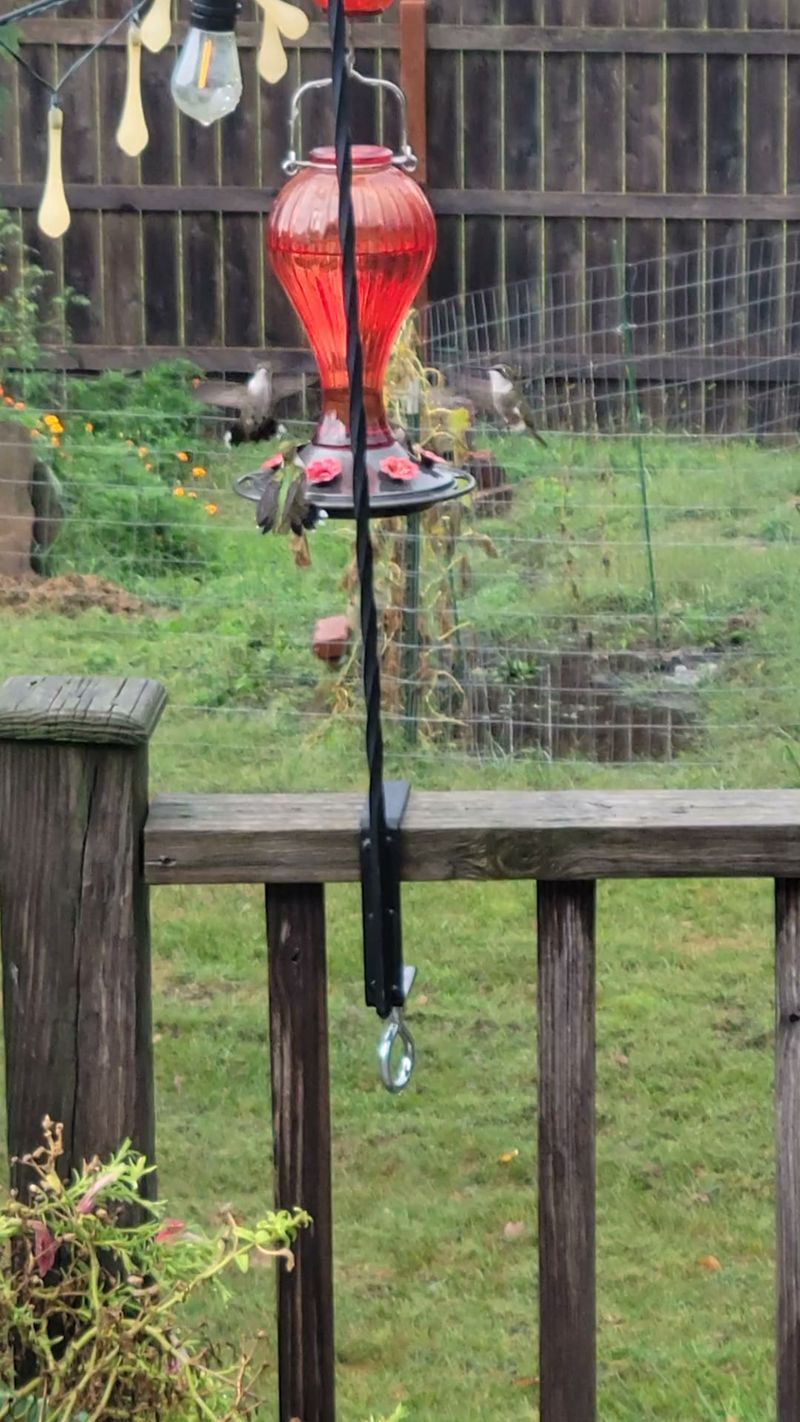
Few visits can feel personal, but they rarely are. A feeder’s location does affect how usable it is, and that is why it deserves a quick check.
Still, a quiet feeder does not prove you hung it in the wrong place.
Plenty of things outside your control can change how many birds stop by. Hummingbirds arrive on different dates in different parts of the country, so your yard may simply be waiting.
Territorial birds can also chase rivals away, and a flower patch down the street can pull birds off your feeder for a while. Cornell Lab guidance on fewer feeder visits lists migration, nesting and fledging stages, territorial behavior, and other food sources as common reasons counts rise and fall.
So think of placement as one item on a checklist, not a verdict. Cornell’s feeder placement advice points to shade, shelter from wind, and nearby cover as practical things to get right.
The sections ahead walk through those checks one at a time: shade and wind, surrounding plants, competition, window and cat safety, and nectar basics. No spot guarantees visitors, but a well-placed feeder is easier for birds to use and easier for you to keep clean.
Nectar still matters too, so we will cover that before you change anything about your recipe.
Shade and shelter help keep a feeder usable
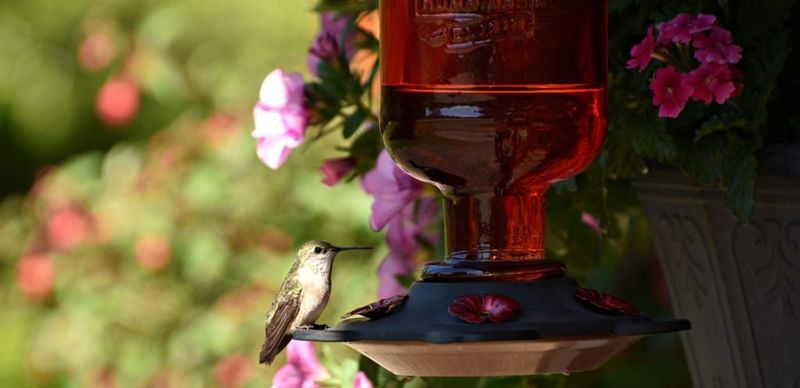
Sugar water spoils faster when the sun beats down on it. A shady spot slows that process, which helps the nectar stay fresh between refills.
That is the main payoff of shade, and it is about food quality, not a proven way to draw more birds.
Warmth causes another headache. According to Cornell’s hummingbird feeding guide, bottle-style feeders can leak as they heat up, leaving sticky drips that attract ants and bees and leave less nectar for birds.
If your feeder is often wet underneath on warm afternoons, move it somewhere cooler and see if the leaking stops.
Wind deserves a look as well. A feeder that swings or bangs around can spill nectar and make it harder for a hummingbird to hover and sip.
Cornell’s placement guidance suggests choosing a spot that is sheltered from strong wind. A corner near a wall, a fence, or a sturdy shrub can take the edge off gusts.
Finally, think about your own routine. You will clean and refill this feeder again and again, so pick a place you can reach easily without a ladder or a wrestling match.
A feeder that is simple to check is far more likely to stay clean, and clean nectar is something hummingbirds can count on.
Nearby habitat can make the feeder easier to use
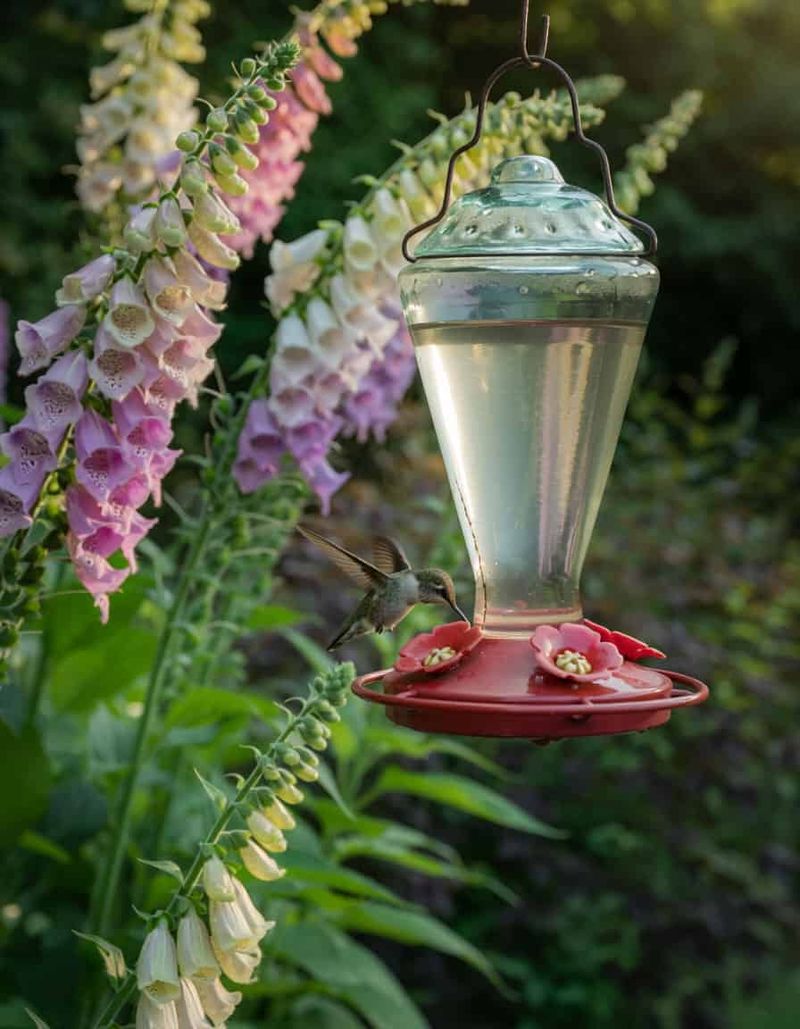
Step back from the feeder and look at what surrounds it. Hummingbirds like to rest between sips, and nearby trees or shrubs give them perches and a place to duck for cover.
Cornell’s placement advice mentions this kind of nearby shelter as a plus for feeders.
Flowers can help birds notice your yard, too. Audubon’s feeding FAQs suggest hanging a feeder near red or orange tubular flowers.
Audubon also recommends native flowering plants suited to your region in its guide to a hummingbird-friendly yard, along with places to perch.
None of this comes with a magic measurement. The guidance offers habitat principles, not an exact number of feet between feeder and plants, so use your own yard as the guide.
If you already grow salvia, bee balm, or trumpet vine, hanging the feeder within easy sight of them is a reasonable move.
Be patient with changes, because a new planting or a moved feeder will not guarantee quick results. Birds can take time to discover a new garden or feeder, and a blooming patch nearby may even pull them away for a bit.
Treat habitat as a way to make your yard more welcoming over the seasons.
What if one hummingbird keeps the others away?
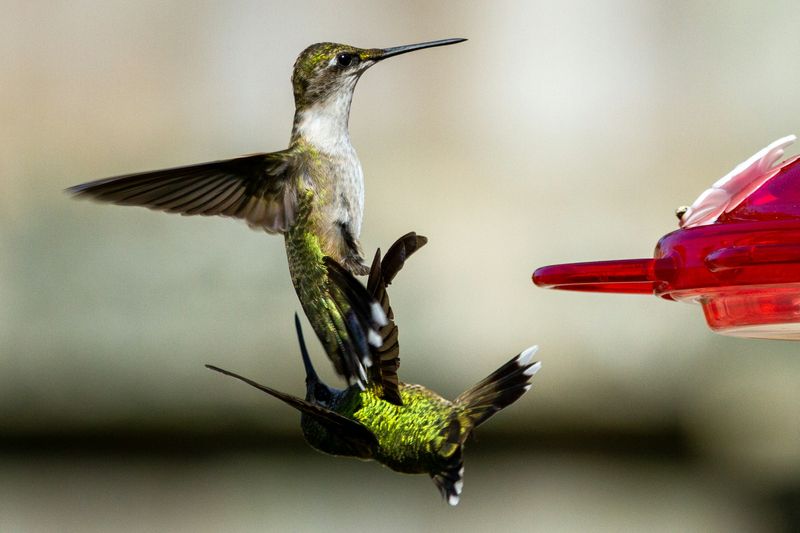
Sometimes the feeder is not ignored at all. One feisty hummingbird may be claiming it, chasing off every other bird that comes near.
From your window, that can look like a quiet feeder, even though birds are around.
Hummingbirds can be quite territorial, and a single bird may guard a feeder it considers its own. Cornell’s feeding guide suggests trying several smaller feeders in different spots instead of one large one.
Spreading them out, ideally where a guard cannot watch them all at once, gives other birds a chance to slip in.
Try placing feeders around a corner or on opposite sides of the house. A bird that sits near one will have a harder time keeping an eye on the rest.
Smaller feeders also hold less nectar, which means you will refresh them more often, a plus when the weather turns warm.
Keep your expectations realistic, though. More feeders may not end the squabbling, and they will not necessarily bring in more birds overall.
Territorial behavior is one of several natural reasons activity changes, as noted in Cornell’s look at fewer feeder visits. Watch for a week or two and see what changes.
Make the location safer without relying on a magic distance
Safety is a separate question from attraction, and it deserves its own look. Window advice is not the same everywhere you read.
The Smithsonian’s hummingbird nectar guidance says to place the feeder away from windows.
Cornell’s general bird feeder guidance, found in its feeder placement article, says feeders very close to a window, within about 3 feet, or far away can lower the chance of serious collision injuries. That advice covers feeders in general, not hummingbird attraction.
Since the sources differ, no single distance can be called the hummingbird rule.
A more dependable step is making the glass visible. Decals, screens, or other markings help birds see the window, and Audubon lists several ideas in its guide to a more bird-friendly home.
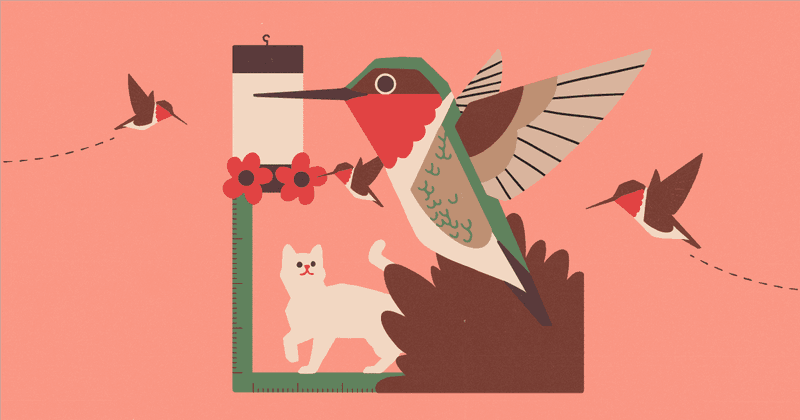
Cats are the other concern. Thick shrubs or clutter right beside a feeder can hide a stalking cat until it is too late.
The International Hummingbird Society suggests hanging feeders at least 4 to 5 feet off the ground and where you can spot approaching cats. Treat that as practical advice from one group, not a universal threshold, and adjust it to your own yard.
Check nectar freshness before changing the recipe
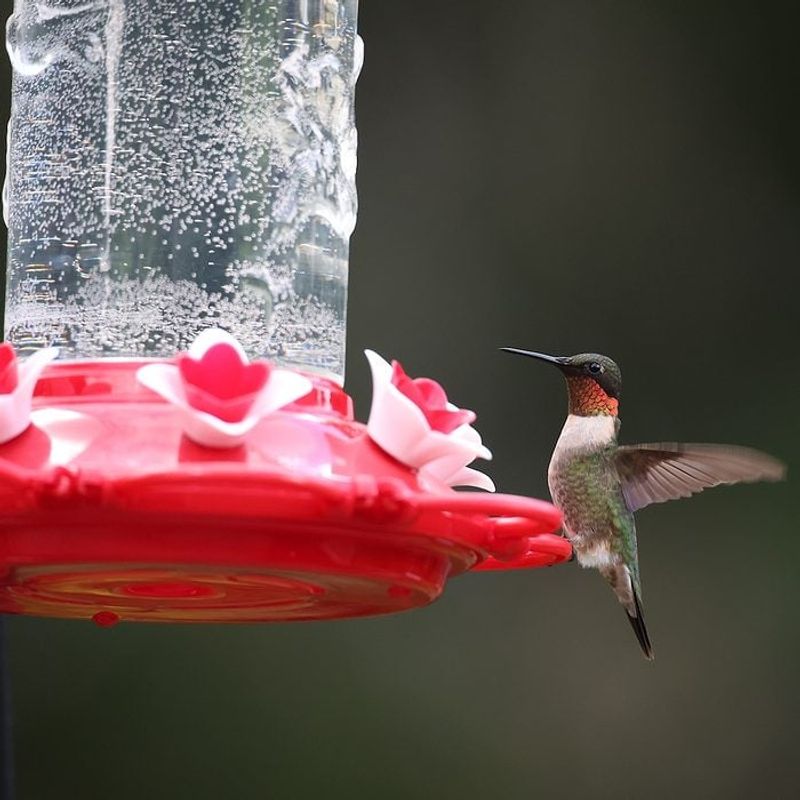
Placement is only half the picture, so give your nectar a fair look too. The standard mix is one part refined white sugar to four parts water.
Stir until the sugar fully dissolves, and you are done.
Skip the red dye. The Smithsonian’s nectar recipe page says dye is unnecessary, and it advises against honey, corn syrup, raw or unprocessed sugar, and powdered sugar with additives.
Boiling is not required as long as the sugar dissolves completely. Audubon’s version of the recipe does include boiling, so you may see both, but it is not essential.
How often should you change it? The sources vary because heat is the big factor.
The Smithsonian suggests every other day and at least twice a week in hot weather, while Cornell says no more than two or three days, and daily in very hot weather. Audubon’s FAQ recommends daily or every other day when it is hot.
Rather than chasing one schedule, let the weather and the nectar guide you. If the liquid looks cloudy or you see mold, dump it and clean the feeder right away, even if it has not been long.
A fresh batch in a clean feeder rules out one easy problem before you start moving things around.
Use local arrival timing to judge a quiet spring
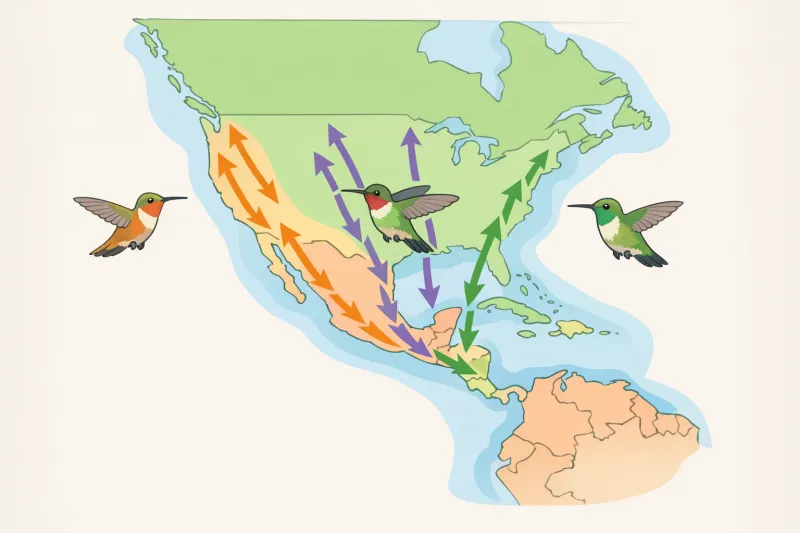
Before you rehang anything, find out when hummingbirds usually show up near you. Spring arrival is regional, and the Smithsonian gives different setup periods for southern, middle, and northern areas.
Audubon also advises going by local arrival timing, and checking local sightings is an easy way to do that. Putting a feeder up does not delay migration, so there is no harm in being ready.
Once the birds are in your area, make a few sensible tweaks to shade, wind, and nectar, then give it time. Activity rises and falls with nesting, fledging, territorial birds, and nearby blooms, as Cornell explains.
Audubon notes that a new garden or feeder can take a while to be discovered.
A quiet week does not mean you failed. Hummingbirds keep their own calendar.