
Wait Until Spring To Cut Back These 13 Perennials – Their Dead Stems Keep The Crowns Alive All Winter
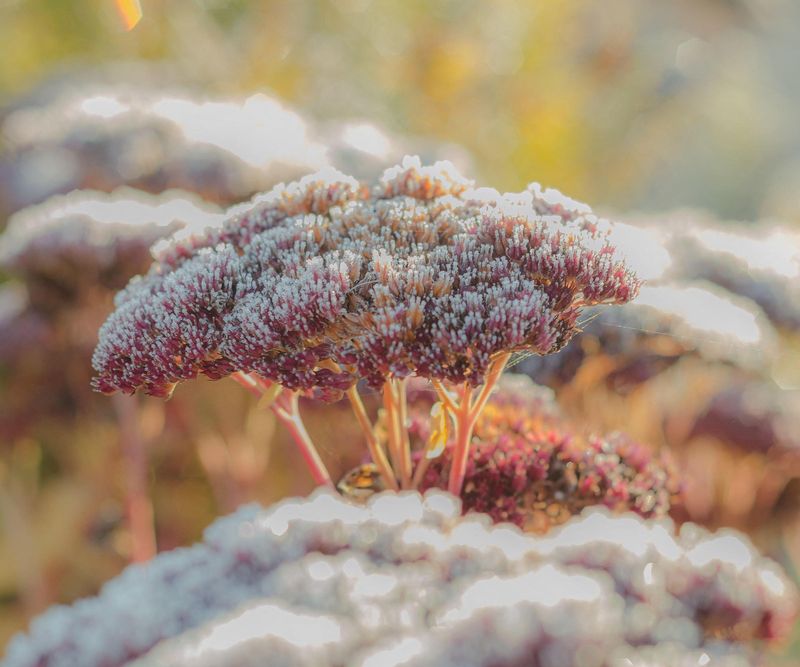
Fall cleanup feels like the right thing to do, but snipping every brown stem can actually hurt some of your favorite plants. Many perennials use their old stalks and leaves like a winter coat that shields the crown, the spot where next year’s growth begins.
Cut that coat off too soon, and cold, wet soil and freeze-thaw swings can do real damage. Here are 13 plants that are better off left alone until spring.
1. Coneflower (Echinacea)
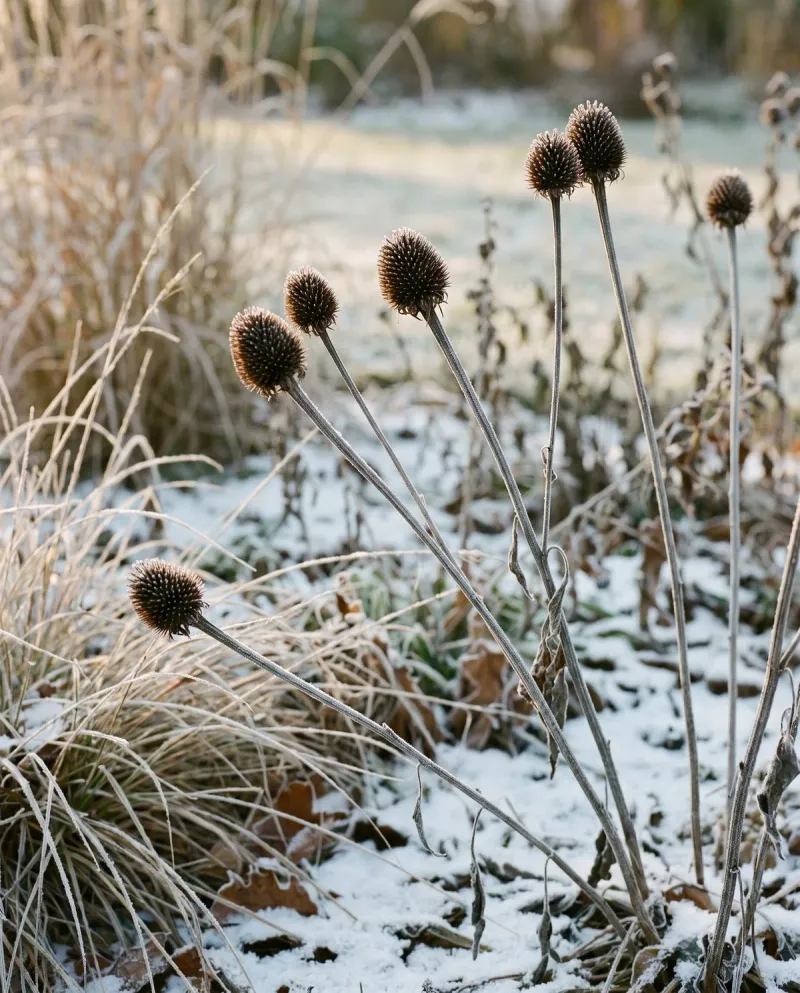
Goldfinches know a good buffet when they see one, and a patch of standing coneflowers is exactly that. Those spiky brown cones hold seeds well into January, giving small birds a steady meal when food is scarce.
The stems do quiet work down low, too. They catch blowing snow and hold it around the base of the plant, and that snow acts like a fluffy blanket over the crown.
It may help soften the freeze-thaw cycles that can heave shallow roots right out of the ground.
Wait until you see fresh green leaves pushing up at the base in spring. Then cut the old stems a few inches above the soil, careful not to nick the new growth.
2. Black-Eyed Susan (Rudbeckia)
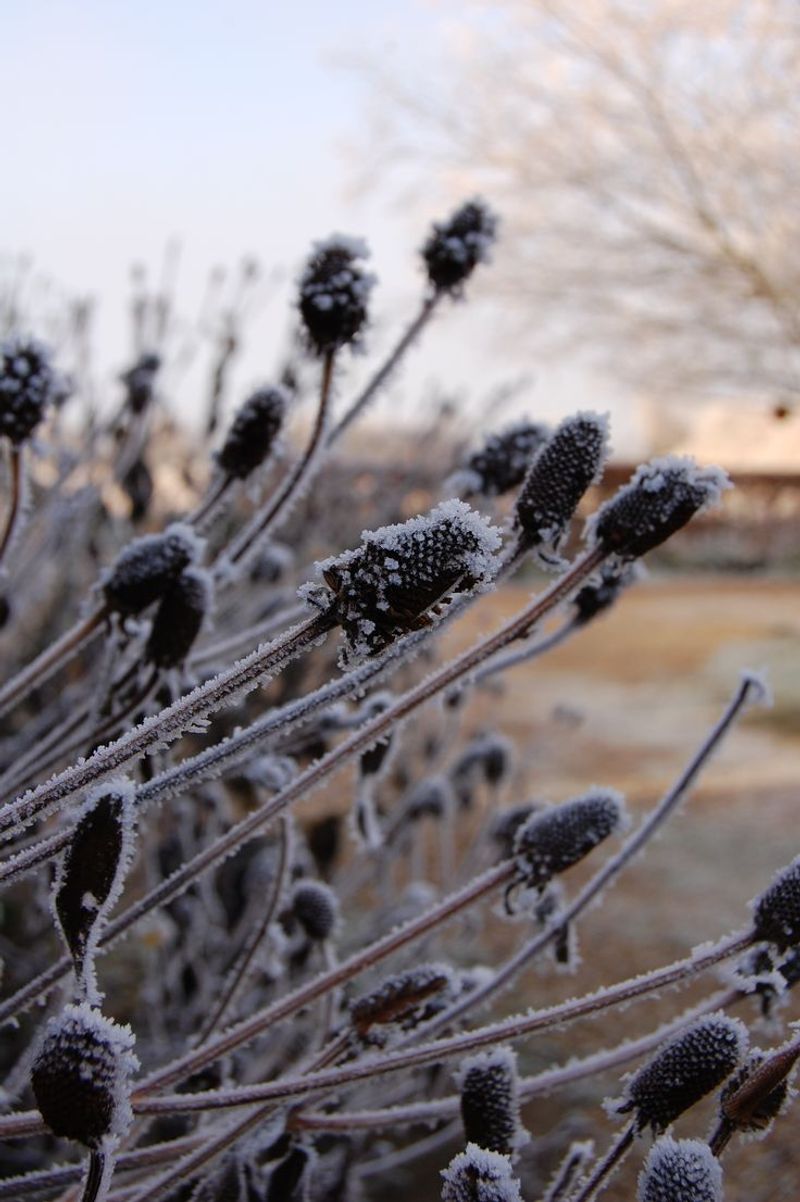
Picture a frosty December morning. The petals are long gone, yet rows of little dark buttons still bob above your flower bed like punctuation marks on a white page.
Those seed heads feed chickadees, juncos, and other birds that stick around all winter. Hollow and tangled stems also give ladybugs and other helpful insects a place to tuck in until it warms up.
Leaving the foliage around the base adds a bit of extra cover for the crown. Black-eyed Susans are tough, but a little shelter can mean a quicker, fuller start come spring.
Trim everything back once new rosettes appear.
3. Ornamental Grasses
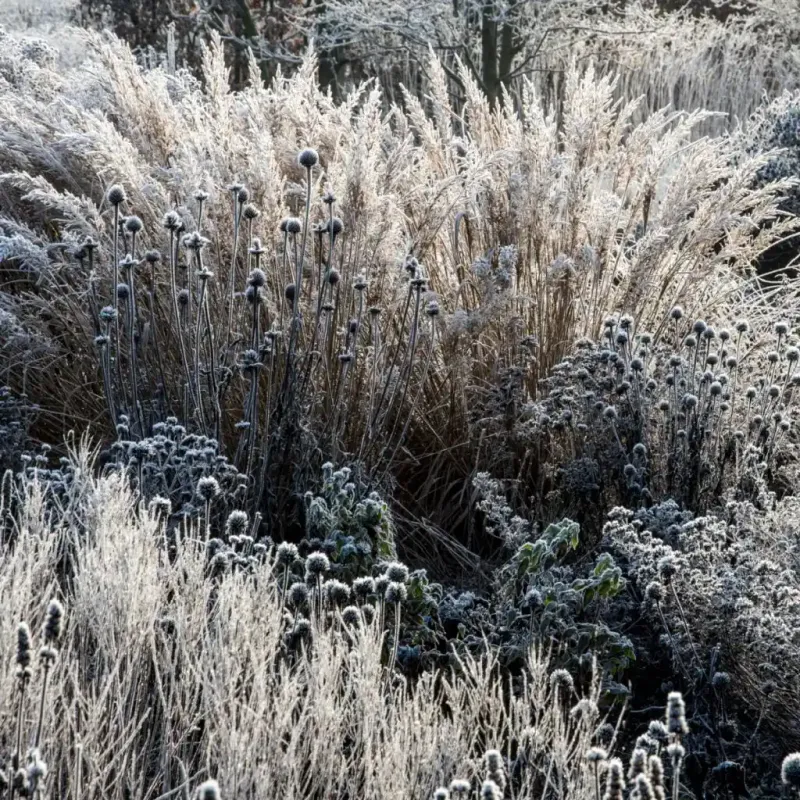
Few plants look better in January than a clump of feather reed grass glowing gold against the snow. That beauty is a bonus, though, because the real reason to leave grasses alone is what happens at ground level.
The dense blades trap snow and dead leaves around the crown, creating a cozy layer of insulation. Cutting grasses short in fall leaves the center open, and water can collect there, freeze, and possibly rot the clump from the inside.
In late winter or early spring, before new shoots get tall, tie the clump with twine and cut it down to about 4 to 6 inches. The bundle comes off in one tidy piece, and your cleanup takes minutes.
4. Sedum (Stonecrop)
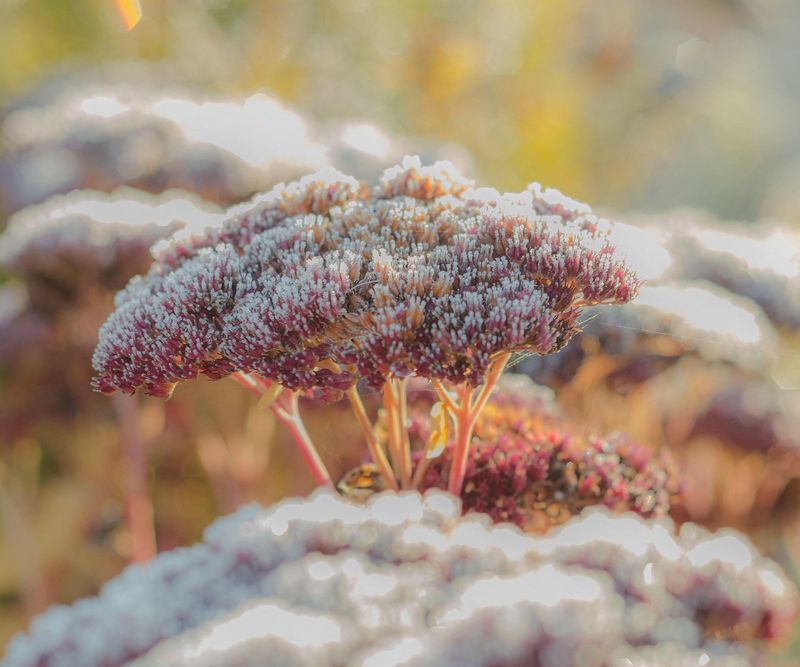
Ever notice how sedum ‘Autumn Joy’ wears little snow caps like tiny hats? Its flat, dried flower heads are sturdy enough to hold snow without flopping, which makes it one of the most charming winter plants you can grow.
Those thick, fleshy stems also help shield the crown. Sedum often sends up tiny new buds very early, sometimes in late winter, and the old stems may protect that tender growth from a surprise late frost.
When you spot small rosettes at the base, snap or snip the old stems off. They usually break away cleanly by spring.
5. Joe Pye Weed
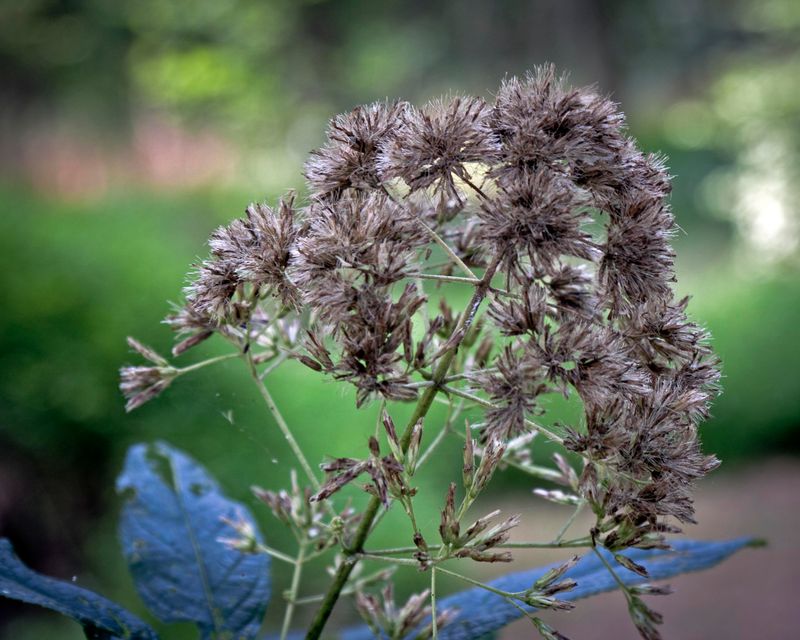
Standing taller than most people, Joe Pye weed is the giant of the late summer garden. Once it fades, those towering hollow stalks become apartments for solitary bees and small wasps that spend the winter inside.
Fun fact: the plant is said to be named after a folk healer who used it to treat fevers. Whatever the true story, birds definitely appreciate the fluffy seeds left behind.
Leaving the stalks also protects the woody crown from harsh weather. In spring, cut stems back but consider leaving a few at 12 to 15 inches tall so nesting bees have time to emerge.
6. Hardy Geraniums
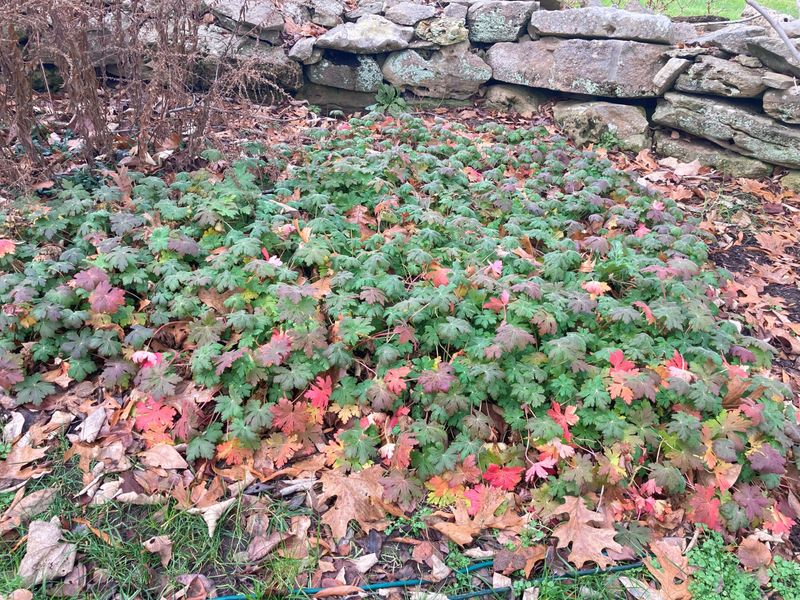
Don’t confuse these with the potted geraniums on your porch. Hardy geraniums, sometimes called cranesbill, are true perennials that come back year after year, and many hold onto their leaves well into winter.
Those low mounds often blush red or bronze when cold hits. The leaves form a natural mulch right over the crown, which can keep it from drying out or freezing hard.
So resist the urge to shear them in October. In early spring, gently pull or snip away any mushy or tattered leaves, and fresh growth will fill in fast.
7. Russian Sage
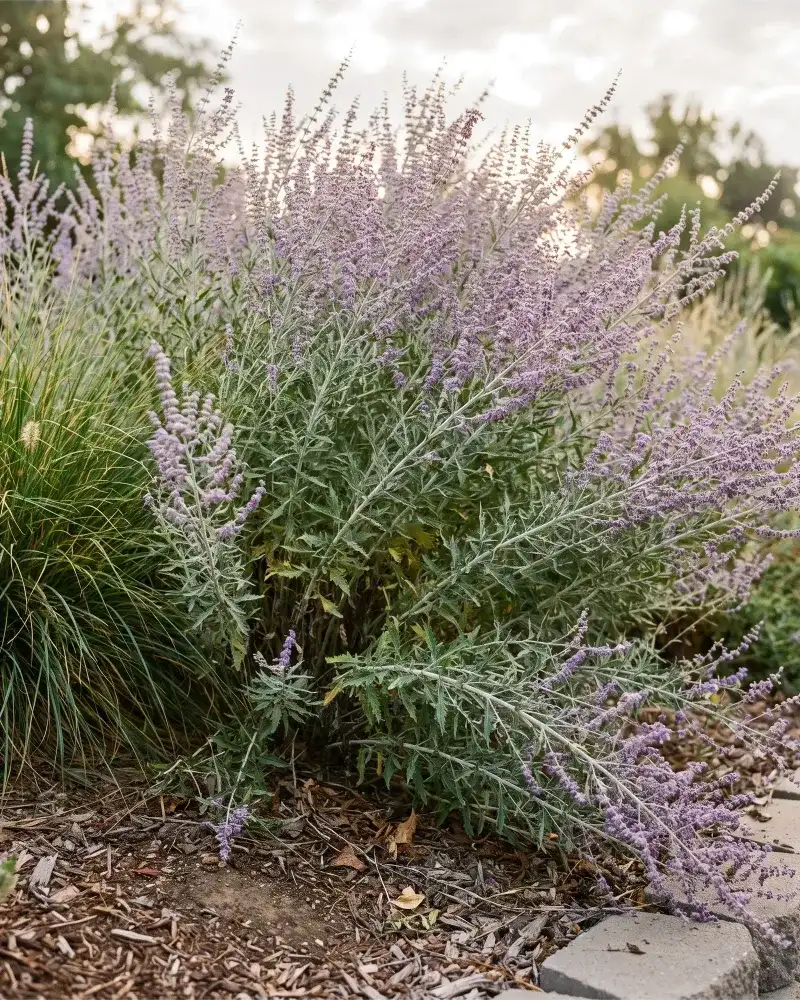
Silver stems shimmering in winter sun make Russian sage a standout long after its purple haze has faded. Yet the bigger reason to wait is all about water.
Russian sage is technically a subshrub with woody stems. Cutting them in fall leaves open wounds near the base, and cold rain or melting snow can seep in.
That moisture may lead to rot in a plant that hates wet feet.
Wait until you see new leaves budding along the lower stems in spring. Then cut back to just above those buds, usually 6 to 12 inches from the ground.
8. Hydrangeas
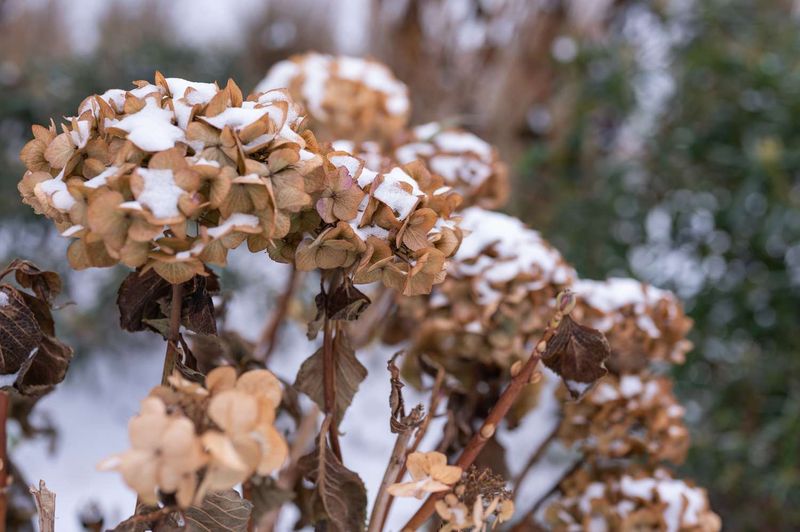
Here’s the mistake that costs so many gardeners their hydrangea blooms: a fall haircut. If your bigleaf, oakleaf, or mountain hydrangea didn’t flower last summer, early pruning is a common culprit.
Those types set next year’s flower buds on old wood in late summer. Cut them in fall, and you’re tossing out the blooms before they ever open.
Leaving the dried flower heads on may also give the buds below a little extra cover from cold.
Panicle and smooth hydrangeas bloom on new wood, but fall pruning can still trigger soft growth that frost will zap. For every type, the safest move is to wait until late winter or spring, then trim only what’s clearly dead.
9. Asters
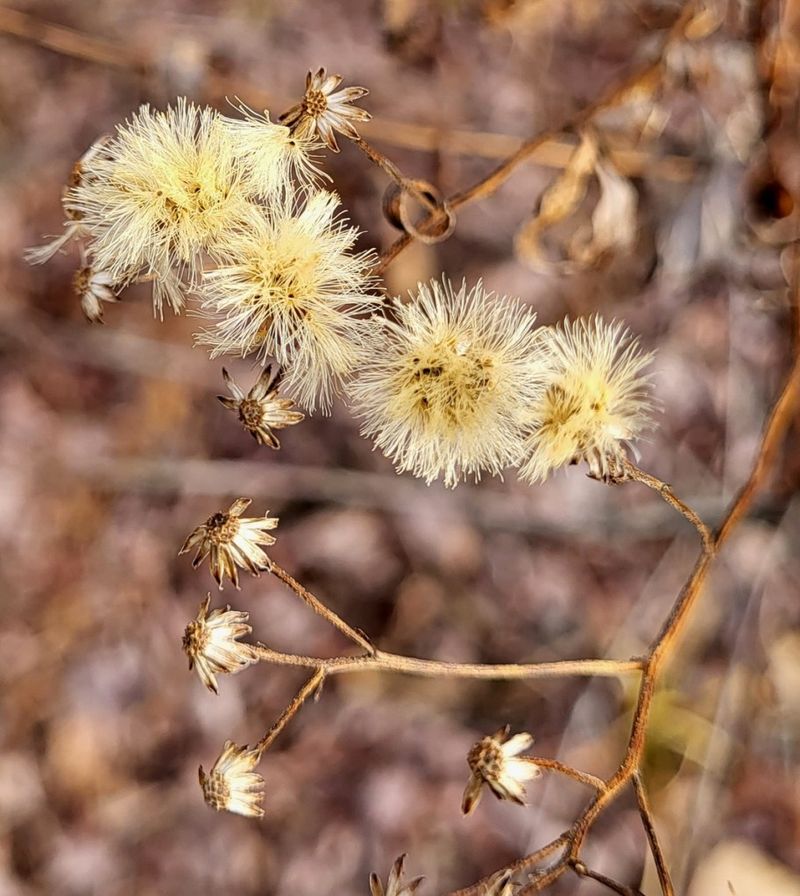
Asters are the last party of the season, feeding bees and butterflies when almost everything else is done. Their usefulness doesn’t stop when the purple petals drop.
Tiny fluffy seeds feed sparrows and finches, while the thick tangle of stems gives beneficial insects a sheltered spot to overwinter. That same thicket also helps hold leaves and snow around the crown.
Asters can spread by seed, so if that bothers you, snip off some seed heads but leave the lower stems standing. Cut everything back in spring when new shoots appear.
10. Liatris (Gayfeather)
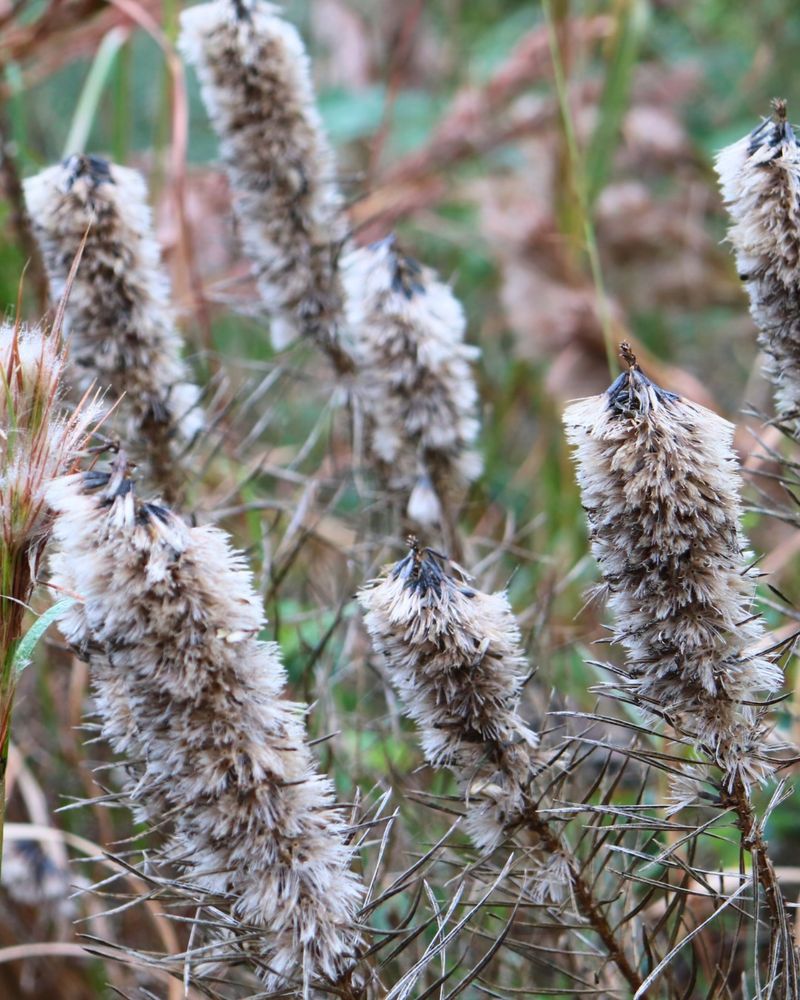
Liatris blooms from the top down, which is a little backwards compared to most spiky flowers. In winter, those spikes turn into fuzzy brown wands packed with seeds that birds love to pick at.
The plant grows from a bulb-like corm, and the old stems and leaves help mark and protect that spot. Leaving them in place also reminds you not to dig there by accident when spring planting fever hits.
Once the soil warms and grassy new leaves poke through, cut old stalks to the ground.
11. Bee Balm (Monarda)
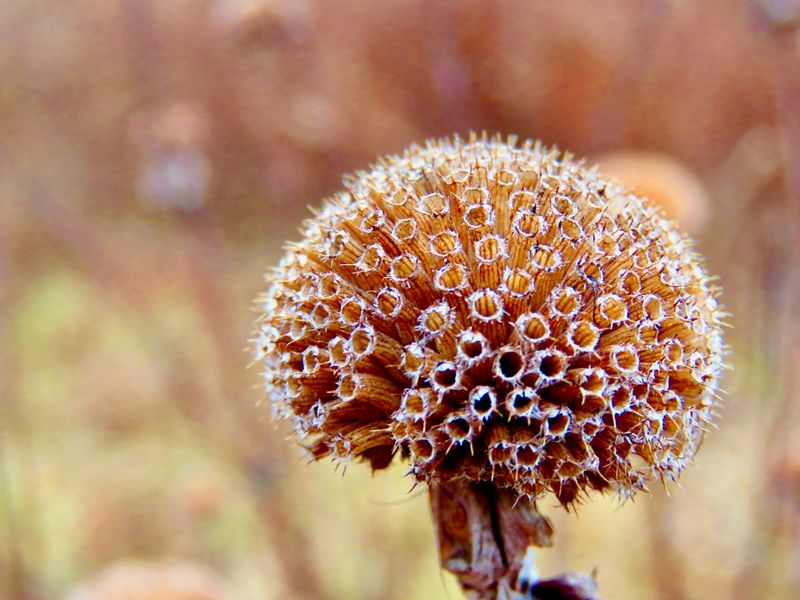
Anyone who has fought powdery mildew on bee balm knows this plant can be fussy about moisture. That’s one reason to skip the fall chop.
Cutting stems back on cool, damp autumn days leaves fresh wounds right when fungi thrive. Leaving them standing until drier spring weather may reduce that risk.
The round seed heads also draw birds and look like little pom-poms in snow.
Bonus tip: crush a dried leaf in winter and you’ll still catch that minty, citrusy scent. In spring, clear the old stems and thin crowded clumps to improve airflow.
12. Red-Hot Poker (Kniphofia)
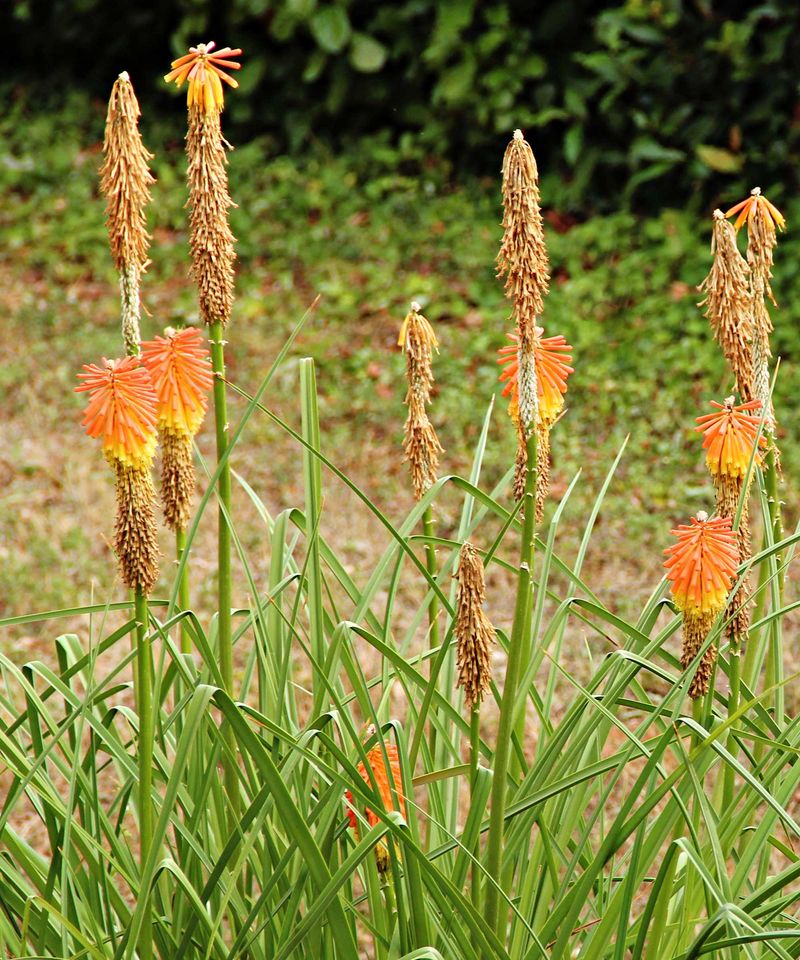
Red-hot pokers come from southern Africa, so cold winters are not their favorite thing. Their long, grassy leaves are the best protection they’ve got.
Instead of cutting the foliage in fall, many gardeners gather the leaves and loosely tie them over the center of the plant. That simple step may shed rain and snow away from the crown, which can rot when it sits wet and frozen.
In spring, untie the bundle and trim off brown, mushy leaves. Healthy green ones can stay.
13. Coral Bells (Heuchera)
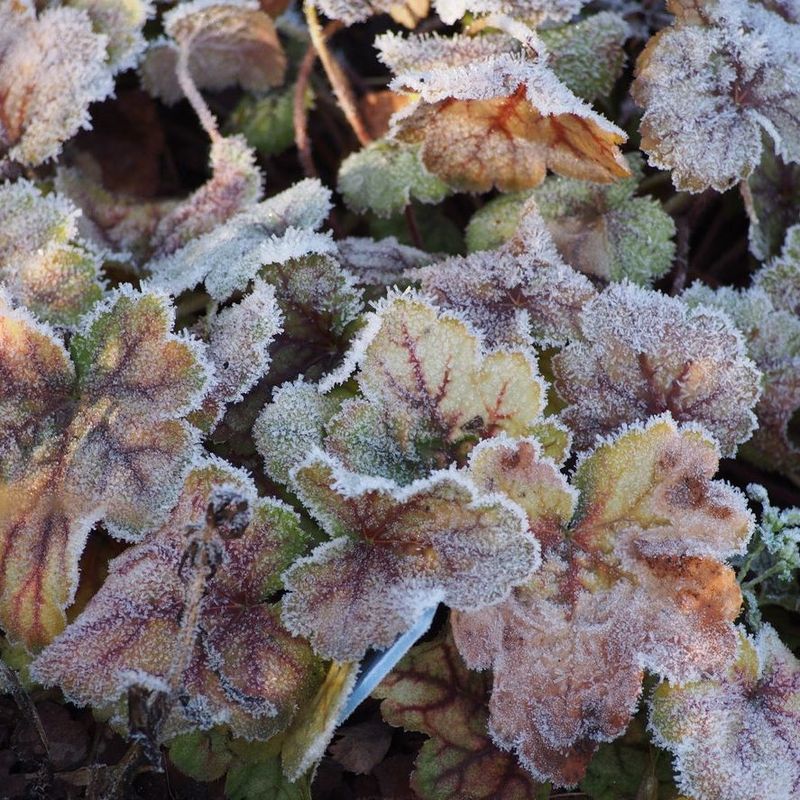
Coral bells have a sneaky habit of pushing themselves up out of the soil in winter. Freezing and thawing lifts their shallow crowns until the roots sit exposed to drying wind.
Their colorful leaves, often evergreen or semi-evergreen, help hold the crown down and keep it shaded and insulated. Stripping them in fall leaves the plant far more open to that heaving damage.
Check your plants after a thaw, and press any lifted crowns back into the soil. In spring, remove only the tattered leaves, and add a little mulch around the base.
Your heuchera will thank you with a fresh flush of color.