
Why the 2026 Outlook Points to Uneven North Carolina Fall Color And What It Means For Your Yard’s Trees
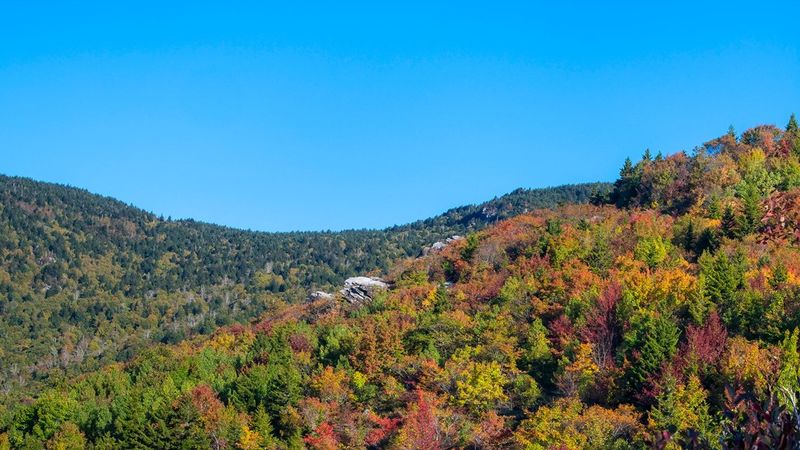
Maybe you have noticed that some maples already look tired while the oak next door stays stubbornly green. NC State’s August 2026 forecast suggested that fall color across the state could come out uneven this year.
That does not mean your yard is in trouble, but it is a good reason to look at your trees with a little more care. Here is what leaf color can tell you, and what it cannot.
The 2026 forecast points to possible variation, not a statewide diagnosis
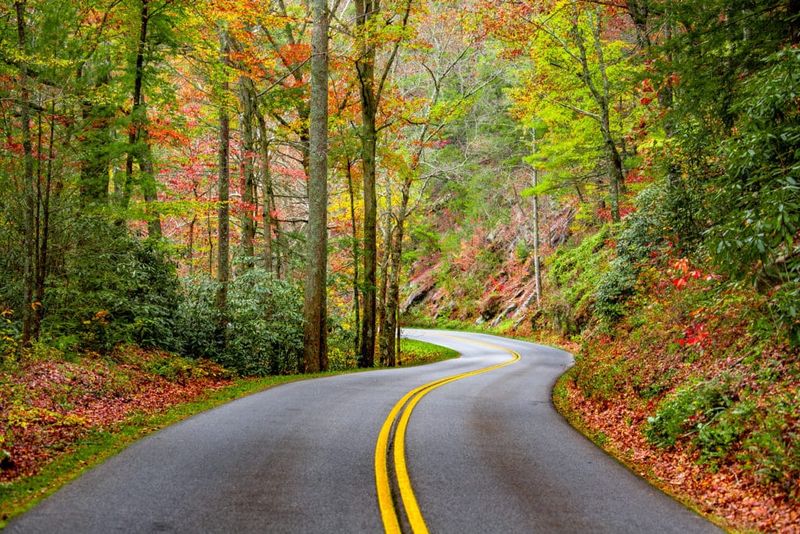
Forecasts are educated guesses about what is coming, and that is exactly what NC State put out in August. In its 2026 fall foliage forecast, forestry professor Robert Bardon pointed to regional differences tied to drought, warmth and rainfall.
Parts of the Piedmont and Coastal Plain faced less favorable conditions, while some mountain areas and places recently refreshed by rain looked more promising.
Notice what a forecast is not. It is not a live survey of every tree in North Carolina, and nobody has walked the state counting leaves.
It was written months before peak color, so it cannot tell you what the maple in your front yard looks like today.
Weather that arrives after a forecast can change the story. The same outlook noted that heavy rain, cloudy stretches and wind could dull color or push leaves off branches sooner than expected.
A beautiful forecast can still end in a drab October, and a gloomy one can surprise everyone.
That is why a statewide outlook and a single yard are very different things. The outlook describes broad patterns across regions.
Your yard has its own soil, its own slope and its own mix of trees, so the best clues will come from walking your property and watching how your own trees behave over the coming weeks.
Fall color follows the season, while weather shapes the display
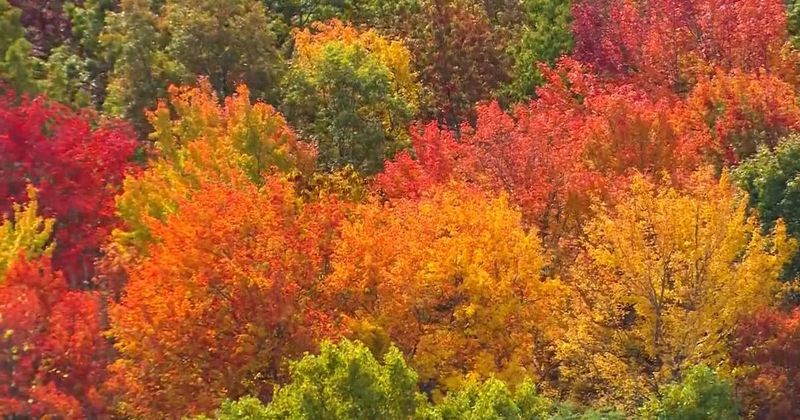
Leaves do not change color on a whim. Shorter days and shifting temperatures set the process in motion, as Penn State Extension explains.
Weather then steps in and affects when color arrives, how strong it looks and how long leaves hang on.
Species run on their own clocks too. NC State Extension Forestry notes that color moves from the high mountains down toward the lower elevations and the coast.
In one neighborhood, a sourwood may turn red weeks before a white oak even thinks about it.
You may have heard that frost paints the leaves. That is an oversimplification.
Warm, sunny days followed by cool nights that stay above freezing can favor bright red color in some trees, according to USDA Forest Service material on why leaves change color.
A hard freeze is a different matter. It can damage foliage and leave leaves brown or limp instead of brilliant.
So a sudden cold snap is not a promise of better color, and a dull year is not always the fault of a single weather event.
Why can nearby trees look so different?
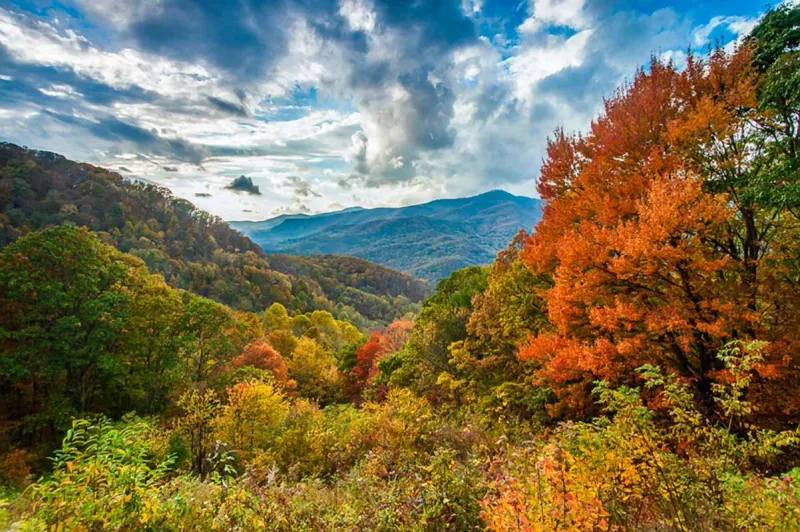
Stand at the property line and you may see three trees in three different moods. Part of the reason is simple: species matter.
Red maples, hickories, dogwoods and oaks each follow their own timetable and produce their own colors.
Elevation adds another layer. A yard in the Blue Ridge sits in a different fall than one in Raleigh or near Wilmington, and the forecast’s regional differences reflect that kind of spread.
The NC State outlook also pointed to local moisture, temperature, cloud cover and wind as influences.
Closer to home, small details add up. A tree on a sunny, exposed slope dries out faster than one tucked beside a downspout.
Wind can strip leaves from an open corner of the yard while a sheltered spot holds color longer, a pattern consistent with NC State Extension Forestry’s description of local conditions.
So a patchy yard is not automatically a drought map. Dry soil may be part of the picture for some trees, but sunlight, species and exposure can create differences between neighbors all on their own.
Is your tree changing for fall or showing stress?
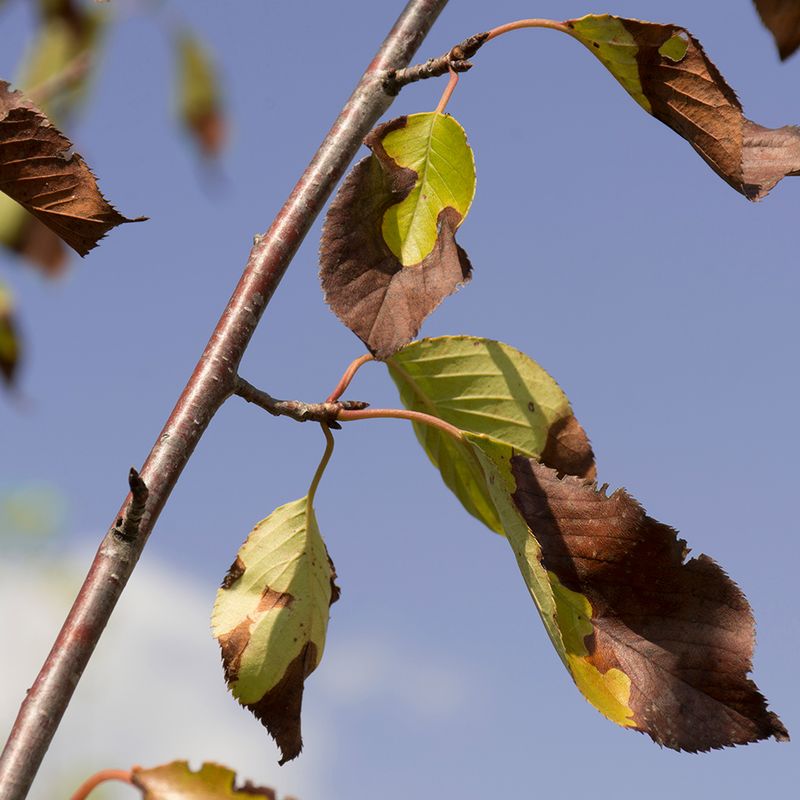
Deciduous trees are supposed to lose their leaves in fall. What matters is timing and pattern.
A tree dropping leaves in late October along with its neighbors is doing what trees do, while one shedding crispy leaves in late summer deserves a closer look.
NC State lists several possible drought-stress signs in its guidance on helping landscapes survive drought. These include leaves that are still wilted in the morning, curling, odd yellow or brown patches, scorched edges and leaf drop.
The Extension Gardener Handbook also names premature color and leaf drop as possible symptoms.
Still, none of these signs is a diagnosis. As NC State Extension explains, early leaf loss can also come from pests, disease, root problems or other environmental stress.
A practical way to sort it out is to look for company. Do other trees nearby show the same thing?
Is the soil bone dry a few inches down? Are there spots, holes, or damaged roots or bark?
One clue alone rarely settles the question, but a handful together can point you in a useful direction.
Give a dry-stressed tree measured care, not quick fixes
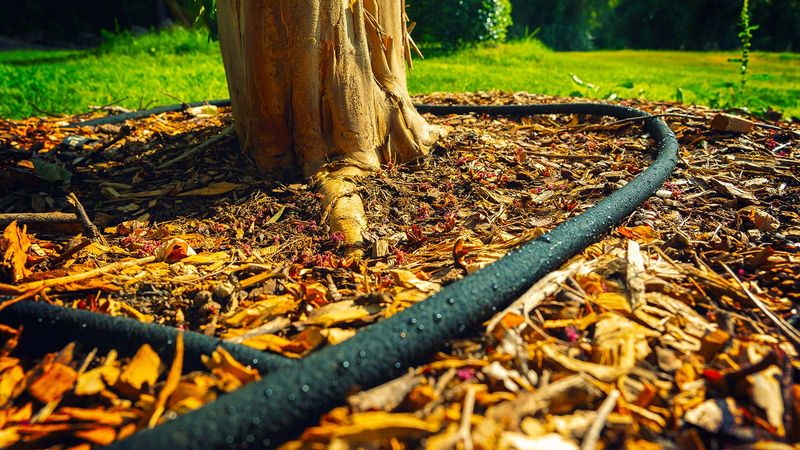
Before reaching for the hose, push a finger or a trowel several inches into the soil. If it is damp, the tree may not need water, and soggy ground can harm roots.
If it is dry and there has been no meaningful rain, watering may help.
When you do water, go slow and deep. NC State’s August 2026 drought guidance favors a long soaking over light daily sprinkling, and suggests roughly every 7 to 10 days as a general drought-care interval.
Treat that as a starting point, not a rule, and adjust for rain, soil type and how exposed the site is.
Newly planted trees come first. Their roots are small or recently disturbed, so they struggle in dry spells more than established trees do, a point NC State Extension also makes.
Extra watering while they settle in is a sensible habit.
Mulch helps hold moisture. Spread a moderate layer and keep it back from the trunk, because piles against the bark can cause damage, as the Extension Gardener Handbook cautions.
Skip the fertilizer and the pruning shears for now. NC State advises against both on a drought-stressed tree, and yellow leaves can have many causes, so figure out the problem first.
Also keep in mind that watering supports the tree, but it cannot promise brighter color or stop every leaf from dropping.
One autumn cannot predict a tree’s long-term health
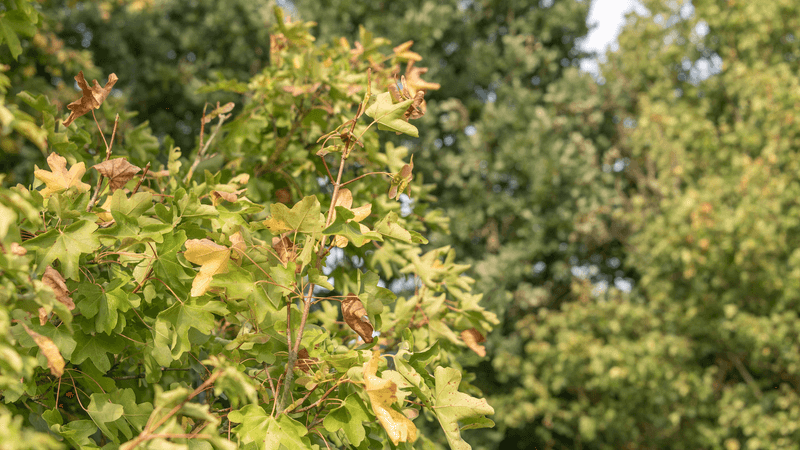
A dry season can leave marks that outlast the dry weather. NC State notes in its drought stress guidance that trees may stay affected even after rain returns.
How well one bounces back depends on how severe the drought was, how old the tree is and how healthy it was going in.
That means a tree with faded or early-dropping leaves this year is not automatically headed for decline. Premature leaf loss after drought does not necessarily mean the tree is dying, and NC State Extension stresses that causes vary.
The reverse is true as well. A tree with glowing color this fall may still be carrying hidden stress.
One season of foliage is a snapshot, and color alone cannot sort recovering trees from struggling ones.
The real answers show up over time. Watch what happens next spring: Do buds open on schedule, do leaves reach a normal size, and do branches fill in?
Patterns across a year or two tell you far more than a single October.
Read the whole tree, not just its fall color
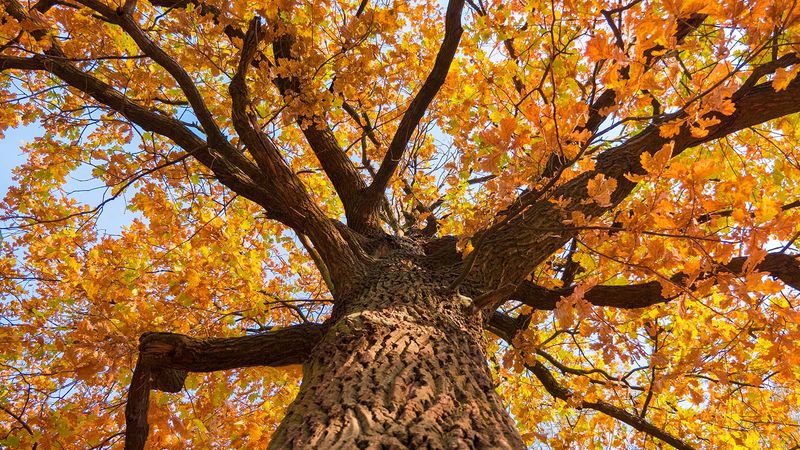
The 2026 forecast pointed to possible variation, and patchy color alone does not prove a tree is unhealthy. Early browning or leaf loss calls for context, as NC State Extension advises, rather than a quick treatment.
Check the soil, look at the whole canopy and take your time.
Leaves put on a show for a few weeks, but the tree is working all year.