
17 Shrubs You Plant Once And Never Have To Prune, Spray, Or Baby Again
Some shrubs act like needy houseguests, always asking for trimming, spraying, and extra water. Others just settle in and quietly look great year after year.
If you are tired of worrying that you are cutting at the wrong time or missing a bug problem, picking the right shrub can fix that before it starts. Here are 17 tough, good-looking shrubs that mostly take care of themselves once they are in the ground.
1. Sunjoy Todo Mini Salsa Barberry
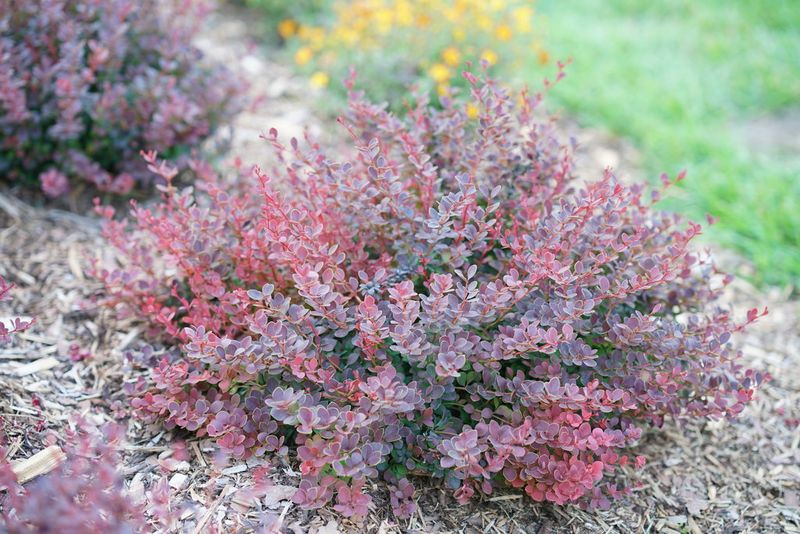
Picture a shrub that shapes itself into a neat little ball like it went to finishing school. Sunjoy Todo Mini Salsa Barberry stays around 1.5 to 2 feet tall and wide with zero clipping from you.
Its rich red foliage brings color all season, and in many areas it holds onto some leaves through winter. Give it full sun in zones 6 to 8 and it stays happy.
Deer usually leave barberry alone thanks to its prickly stems. Wear gloves once at planting time, then put the pruners away for good.
2. Bird’s Nest Spruce
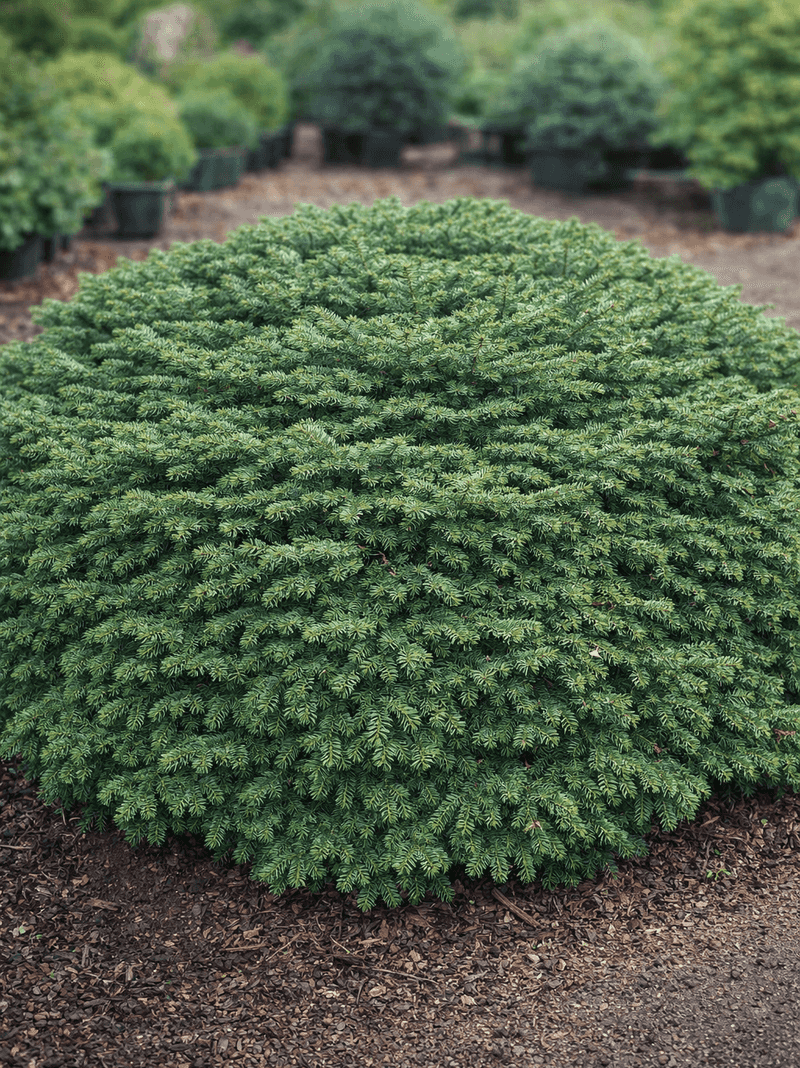
Look down at the top of a Bird’s Nest Spruce and you will see a little hollow, just like a nest. That cute dip is how it got its name back in Germany centuries ago.
Picea abies ‘Nidiformis’ grows slowly into a dense mound up to about 4 feet tall. It handles cold winters in zones 3 to 8 and is not fussy about soil.
Pests and diseases rarely bother it. You get green color in January without lifting a finger, which is a pretty good deal for a plant you bought once.
3. American Beautyberry
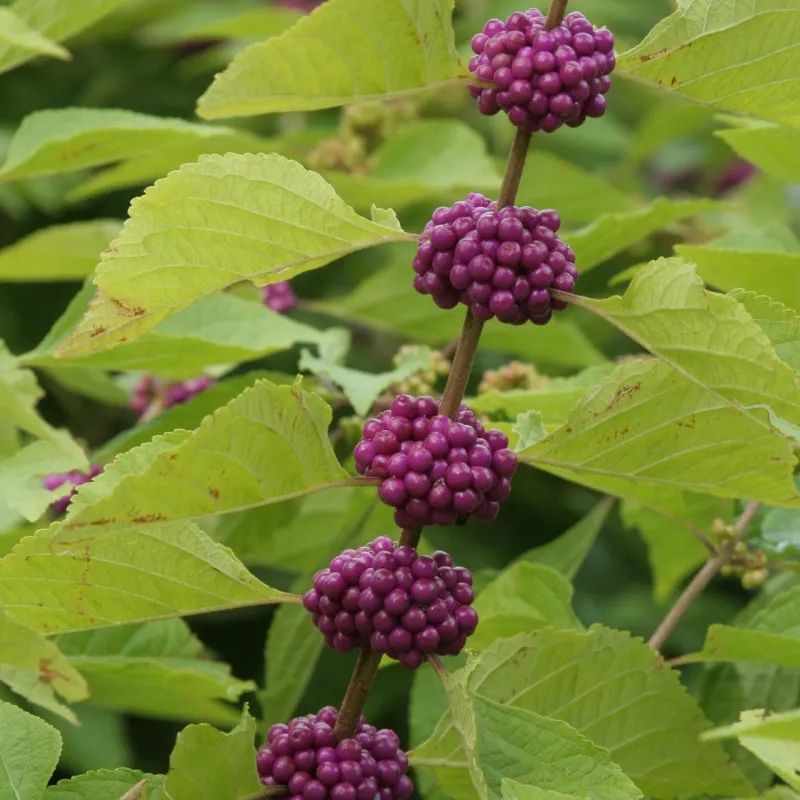
Neighbors will ask if those purple berries are real. They are, and they look almost painted on when American Beautyberry hits its fall show.
Callicarpa americana is a native shrub that grows up to 8 feet in zones 5 to 10. Small summer flowers feed bees, and birds snack on the berries later in the season.
Disease is rarely a problem. In colder spots it may die back in winter, but it simply sprouts fresh from the base in spring and still berries the same year.
4. Crape Myrtle
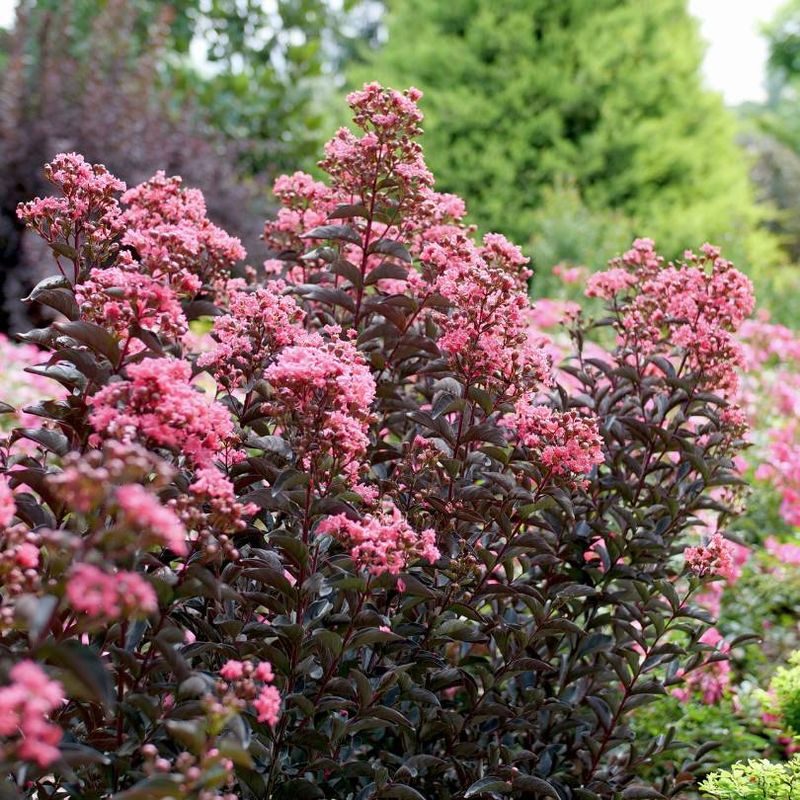
Southern summers can scorch a petunia bed in a week, yet crape myrtle laughs at the heat. It blooms from summer into fall when many shrubs have given up.
Here is a secret: you do not need to chop crape myrtles into stubs every winter. That habit, sometimes called crape murder, actually weakens the plant.
Pick a variety sized for your space and let it grow naturally.
Modern varieties resist powdery mildew well. In winter, the peeling, mottled bark gives you something pretty to look at too.
5. Potentilla
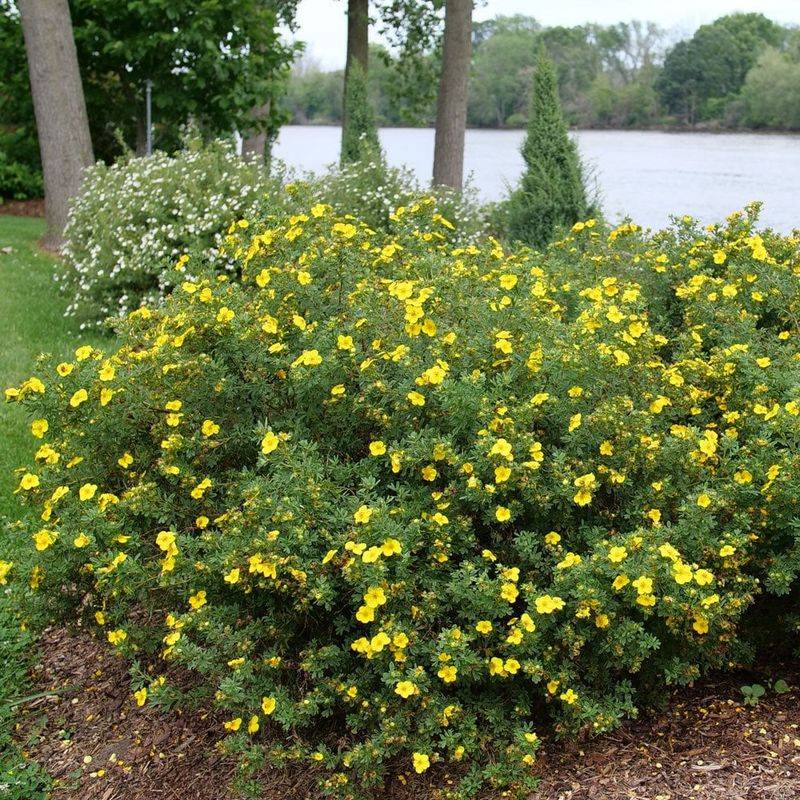
Tough as old boots and twice as cheerful. Potentilla fruticosa blooms from late spring right through fall, covered in small yellow, white, pink, or orange flowers.
It stays about 2 to 3 feet tall and wide. Once its roots settle in, it handles dry spells, and deer tend to skip it.
Gardeners in cold areas love it most, since it is hardy in zones 2 to 6. If you have a hot, dry corner where other plants fry, this one may be your answer.
6. Rose of Sharon
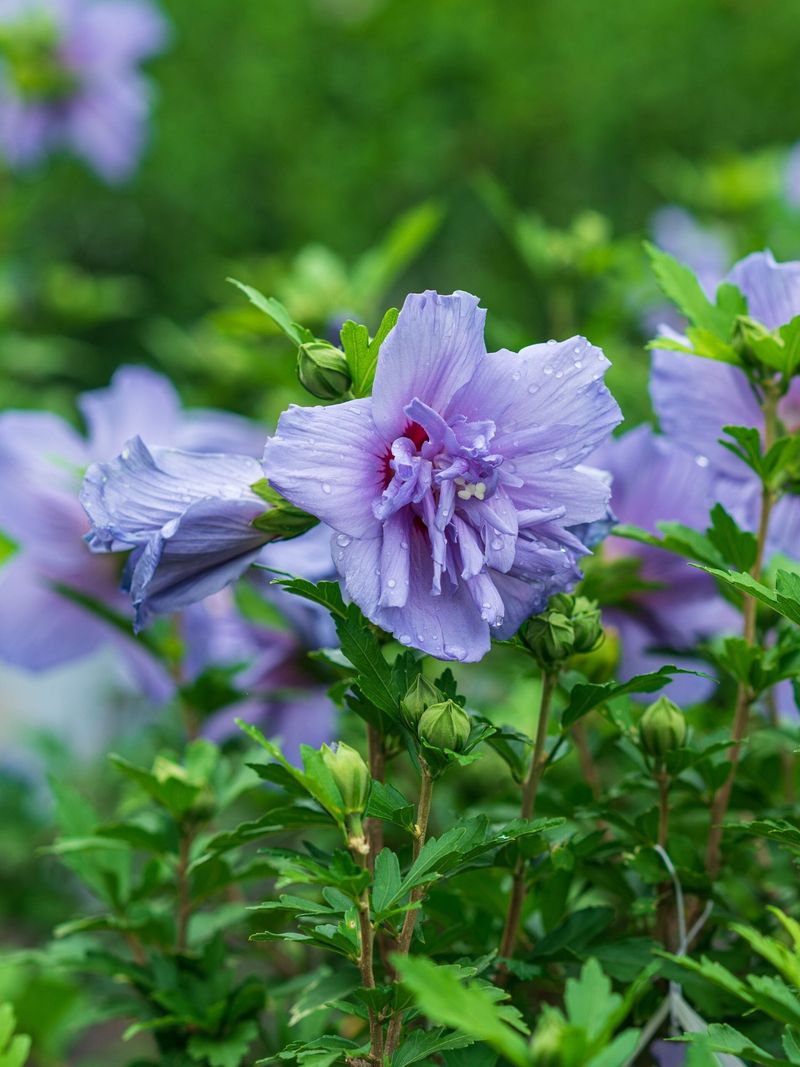
Grandma probably had one by the back porch. Rose of Sharon has been a backyard favorite for generations because it blooms in late summer, when gardens often look tired.
The one complaint is seedlings popping up everywhere. Choose a sterile variety, such as the Chiffon series or ‘Azurri Blue Satin’, and that problem mostly disappears.
Big hibiscus-style flowers draw hummingbirds and bees. Plant it in sun, water while it gets started, and then let it do its thing.
7. Spirea
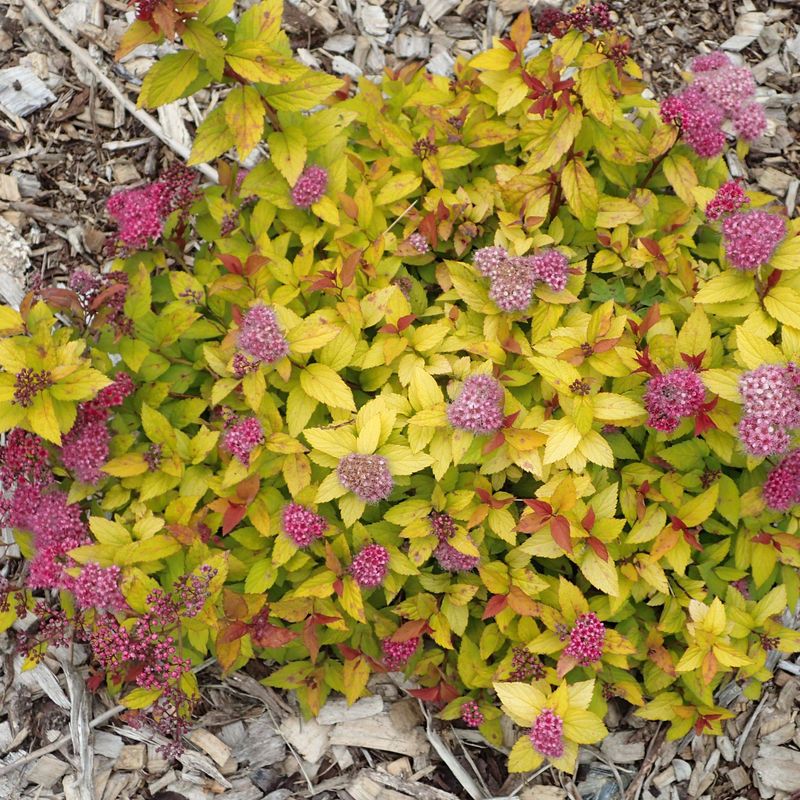
Few shrubs give you this much color for so little effort. Spirea comes in many forms, and the compact types are the easiest of all.
‘Magic Carpet’ stays just 18 to 24 inches high, with bright gold and red leaves topped by pink flowers in late spring. ‘Double Play Gold’ offers a similar mix of glowing leaves and blooms.
These little spireas keep a natural mound shape on their own. They also shrug off most pests, so you can skip the spray bottle entirely.
8. Weigela
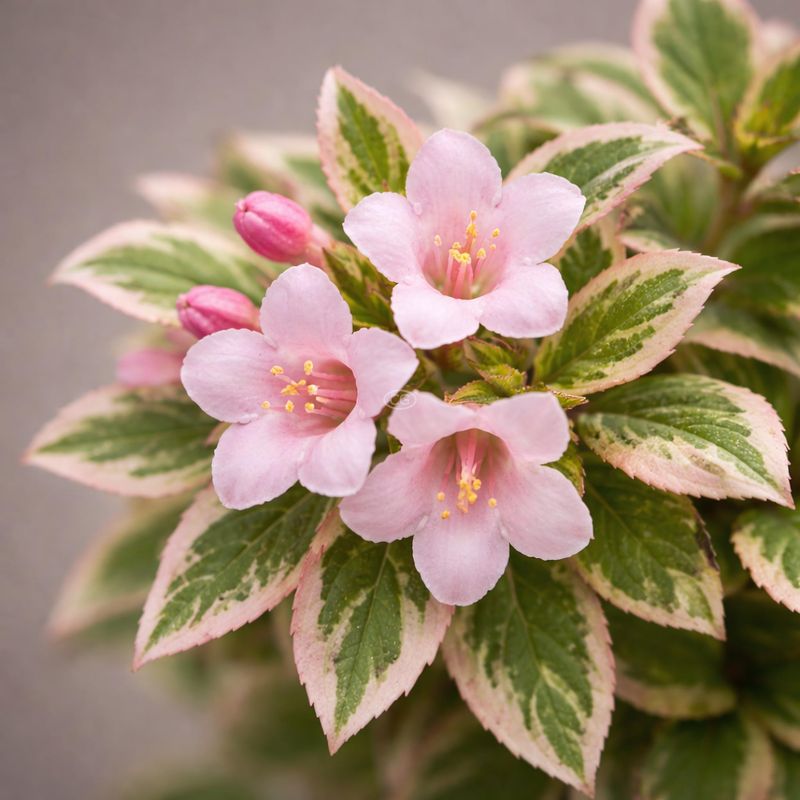
Hummingbirds treat weigela like a drive-through. Its tube-shaped flowers are perfect for tiny beaks.
Older weigelas got big and floppy, but newer types fix that. ‘My Monet’ stays small with pretty variegated leaves, and the Sonic Bloom series reblooms through summer.
Choose a size that fits your spot, and you will not need to cut it back. Weigela handles cold well and seldom has pest trouble.
9. Boxwood ‘Franklin’s Gem’
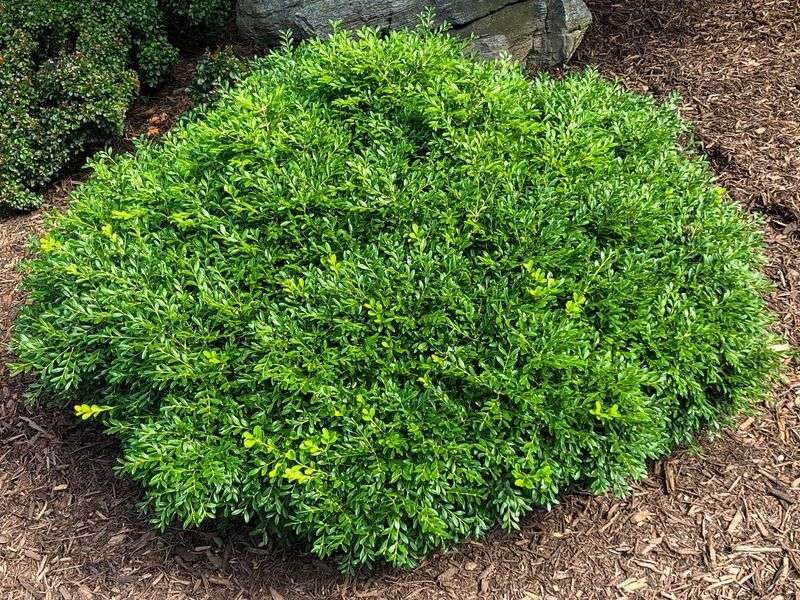
Boxwood earned the nickname king of evergreens for good reason. It stays green all year and gives a garden a tidy backbone.
Most people think boxwood needs constant shearing. ‘Franklin’s Gem’ naturally grows into a rounded shape around 2 feet tall, so you can skip the hedge trimmer.
Deer avoid it, and it shows good resistance to common diseases and insects. Plant it where water drains well, since soggy roots are its one real weakness.
10. Fothergilla ‘Blue Shadow’
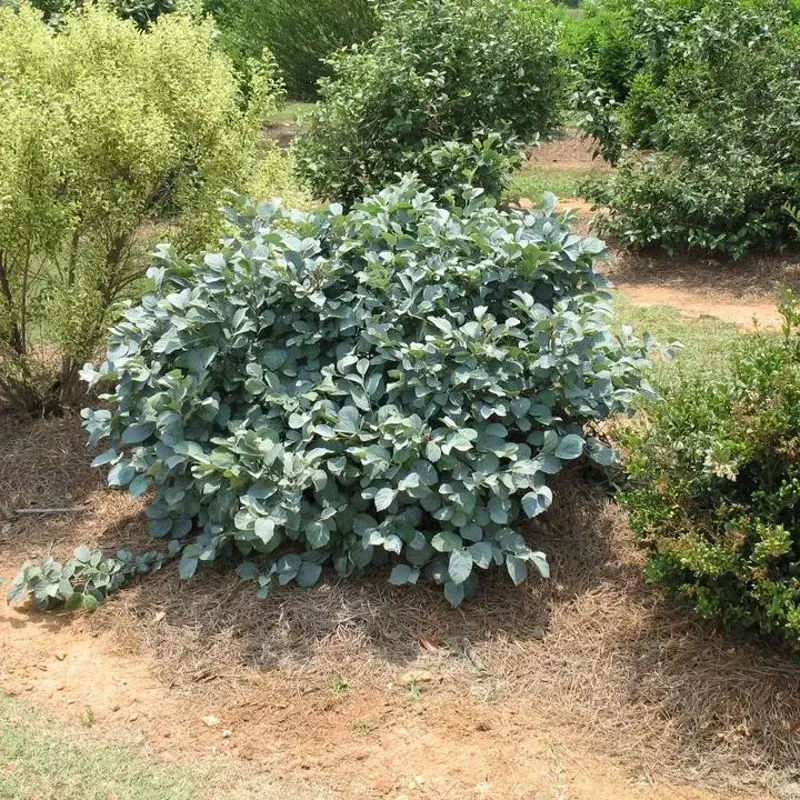
In spring, it smells like honey. In fall, it looks like it caught fire.
Fothergilla ‘Blue Shadow’ packs two big moments into one easy shrub.
White bottlebrush flowers come first, then powder-blue leaves all summer. When cool weather arrives, those leaves turn yellow, orange, and red.
This native plant grows into a graceful shape all by itself. No cutting needed, and pests rarely pay it any mind.
11. Itea ‘Little Henry’
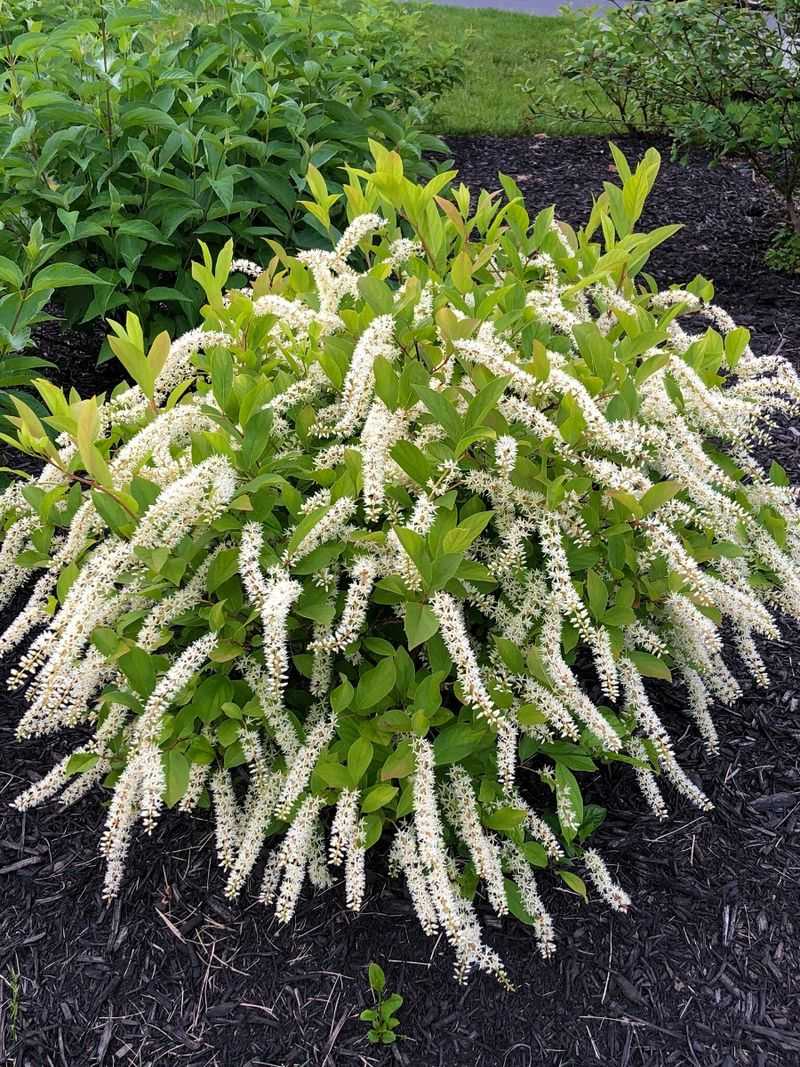
Got a damp spot where other shrubs sulk? Virginia sweetspire actually likes it there.
‘Little Henry’ is a compact form that stays small and fills out naturally. In early summer it sends out white, fragrant flower spikes that bees adore.
Then fall brings rich red and purple leaves. It handles sun or part shade, and it never asks you to reach for the pruners.
12. Ninebark ‘Tiny Wine’
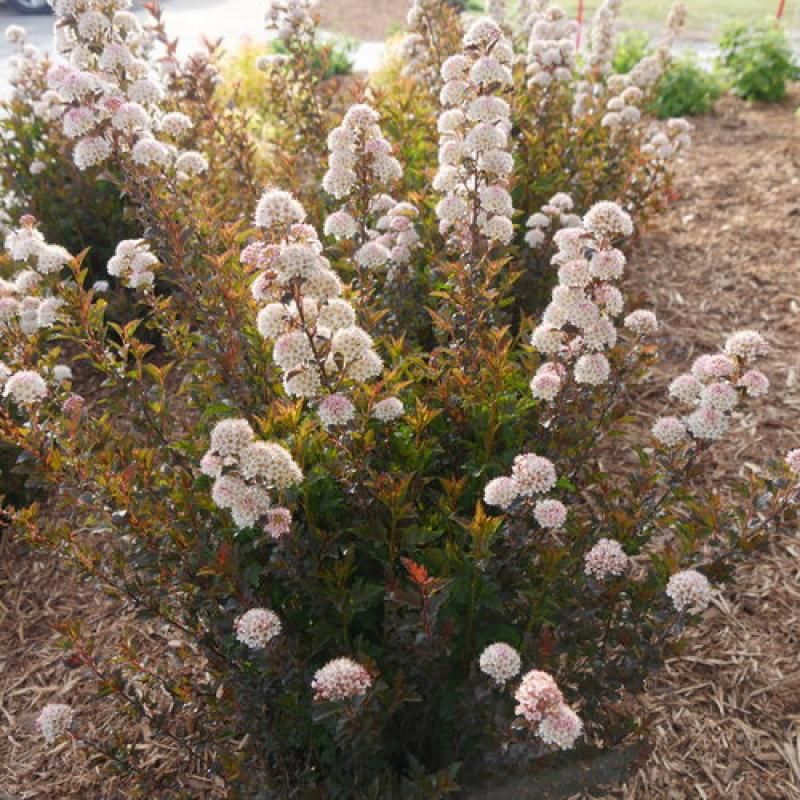
Call it the workhorse of the shrub world. Ninebark ‘Tiny Wine’ is a native plant that handles cold, heat, and poor soil without complaining.
Its dark burgundy leaves give strong contrast next to green plants. In late spring, small pink and white flowers cover the branches.
Older ninebarks could grow huge, but this one stays compact and keeps its best shape without trimming. Fun fact: the name comes from the bark, which peels in many thin layers.
13. Mahonia ‘Soft Caress’
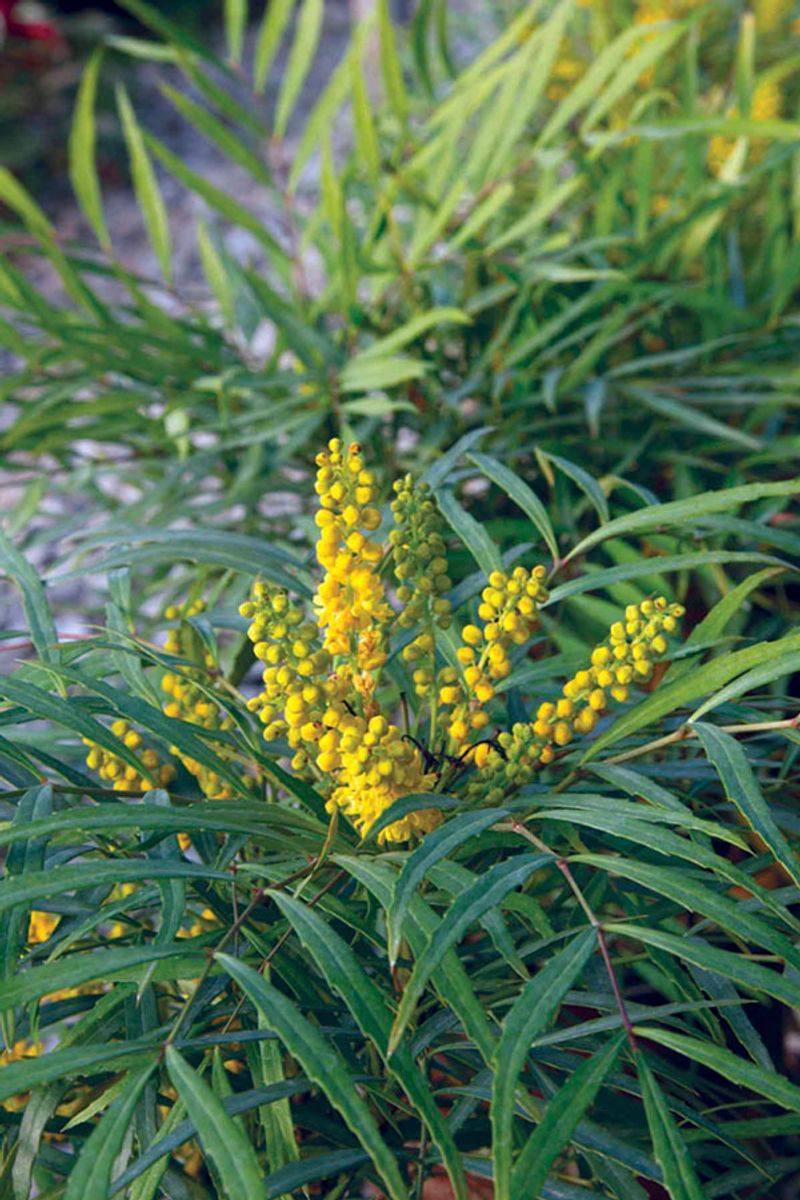
Shade gardens often feel like the hardest spot to fill. Mahonia ‘Soft Caress’ steps in with lacy, fern-like leaves that look almost tropical.
Unlike older mahonias, this one has soft leaves with no sharp spines. Yellow flower spikes appear in fall or winter, feeding bees when little else blooms.
It grows into a neat shape all on its own. Give it shade and decent soil, and that is about the end of your job.
14. Abelia
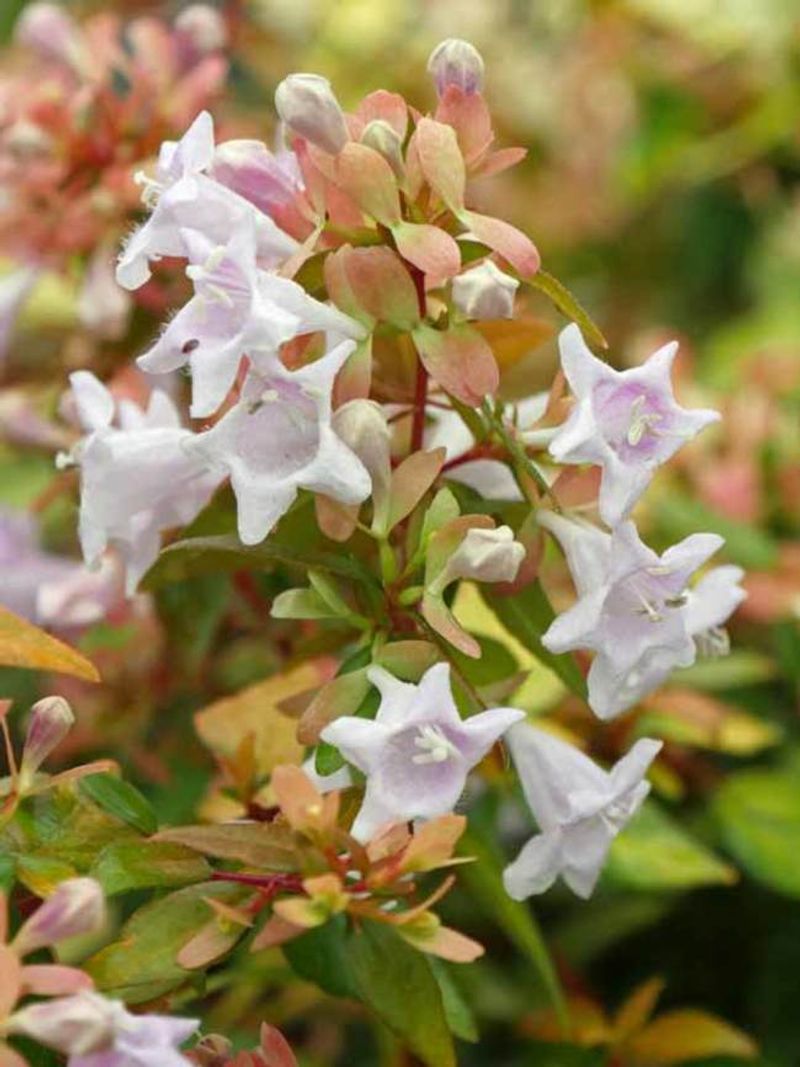
Butterflies seem to have abelia on speed dial. Its small, fragrant, tube-shaped flowers keep coming for months.
Once established, abelia is close to carefree. ‘Funshine’ offers bright golden leaves, while other types bring glossy green, evergreen, or colorful foliage.
It handles heat well, which makes it a smart swap for hot spots where flowers like petunias fade by July. Plant it, water it the first season, and enjoy.
15. Oakleaf Hydrangea
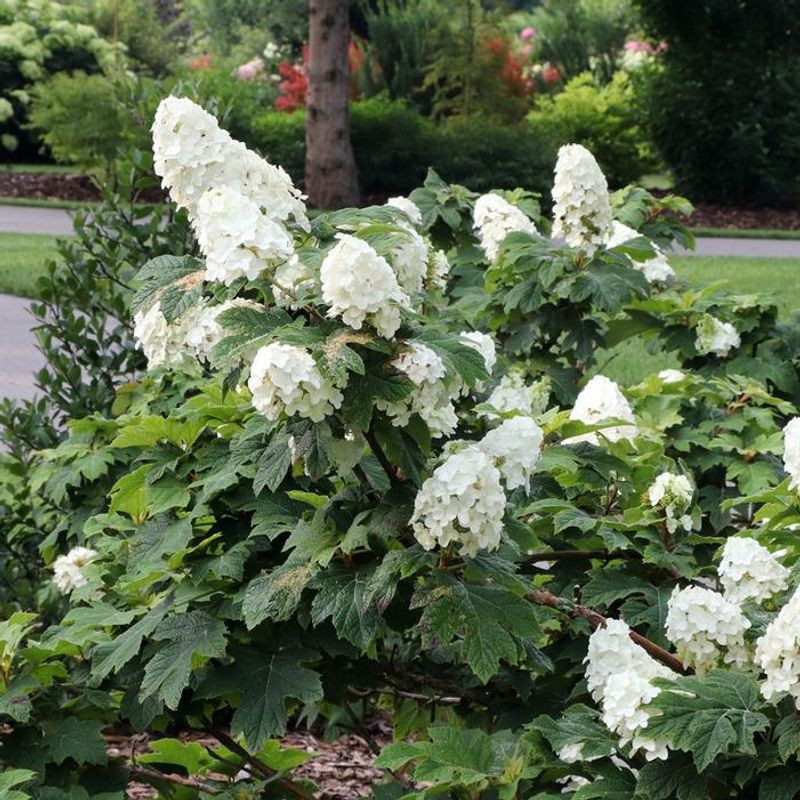
If your bigleaf hydrangea wilts every hot afternoon or skips blooming after a hard winter, meet its tougher cousin. Oakleaf hydrangea is far more forgiving.
Native to the Southeast US, it handles dry spells once settled. Big cone-shaped white flowers show up in summer, and the oak-like leaves turn deep red in fall.
Pests are rare, and it blooms on its own natural shape. Skip the pruning, since cutting at the wrong time is the top reason hydrangeas fail to flower.
16. Blue Balloon Bluebeard
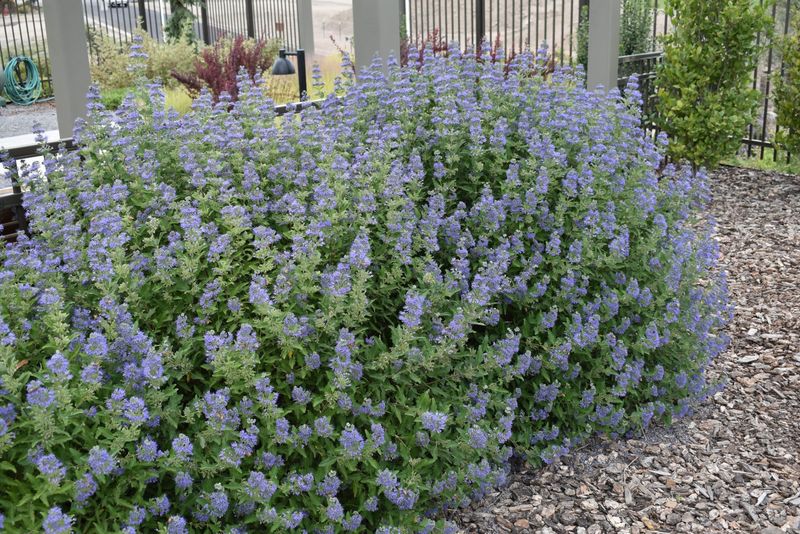
True blue flowers are hard to find, and pollinators know it. Blue Balloon Bluebeard pulls in bees and butterflies from early summer into fall.
This caryopteris stays around 30 inches tall and 24 inches wide. Deer usually pass it by, and it handles drought once its roots grow in.
It loves sun and well-drained soil. Some gardeners give it a quick spring trim, but it can still bloom well if you leave it be.
17. Witch Hazel
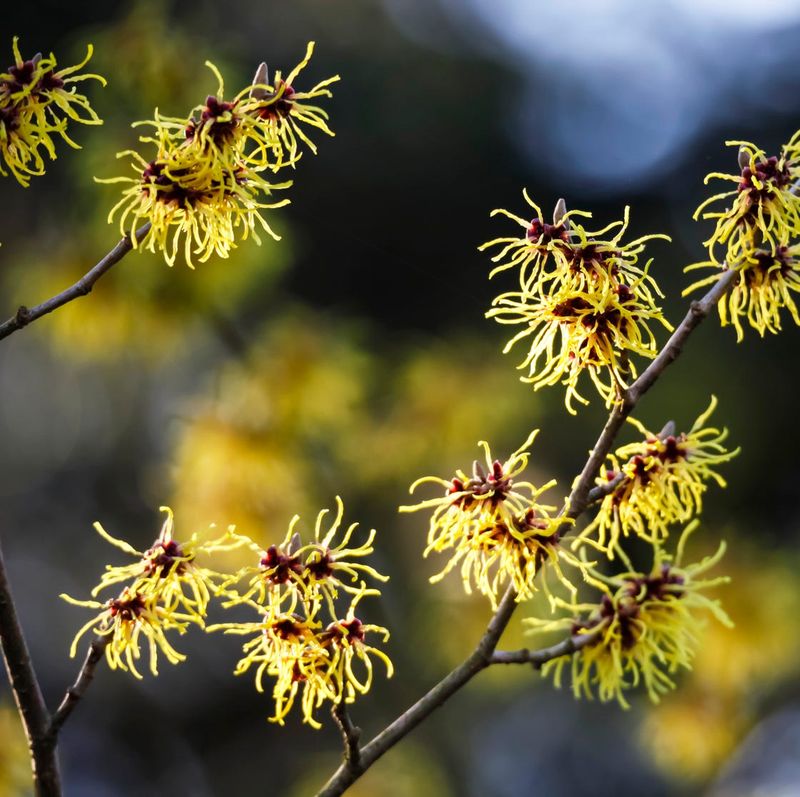
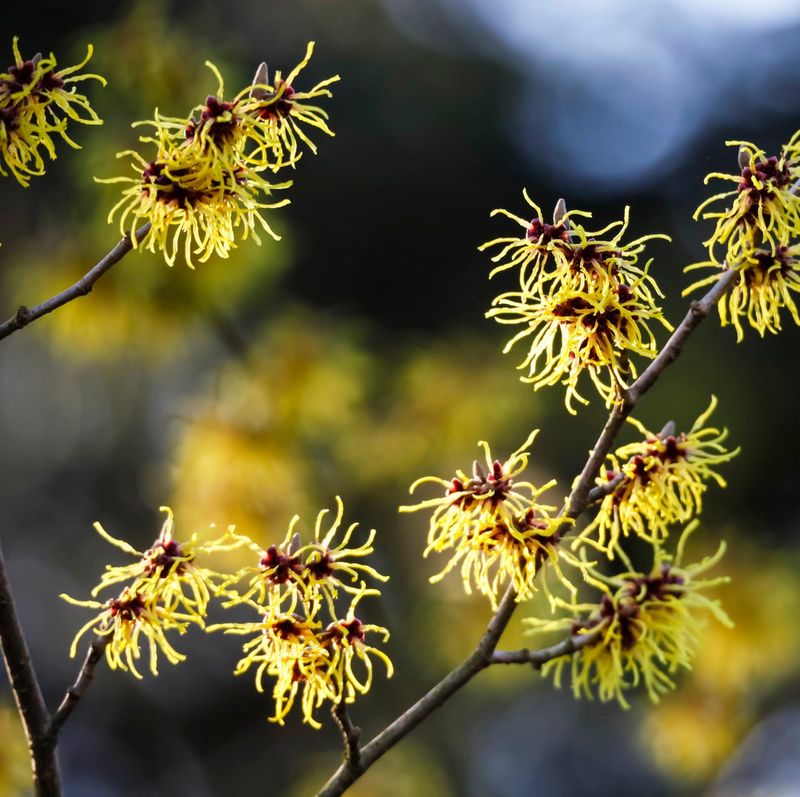
Flowers in February? Witch hazel pulls off that trick, opening spidery yellow, orange, or red blooms on bare branches while snow is still around.
Hamamelis is hardy and mostly problem-free. It prefers moist, slightly acidic soil and rewards you with bright fall leaves too.
Fun bit of history: early settlers used its forked branches to search for underground water. Today, it simply makes winter feel a lot less gray without any fuss.