
Do Fertilizers Make Fall Collards Sweeter After Frost? What North Carolina Gardeners Should Know
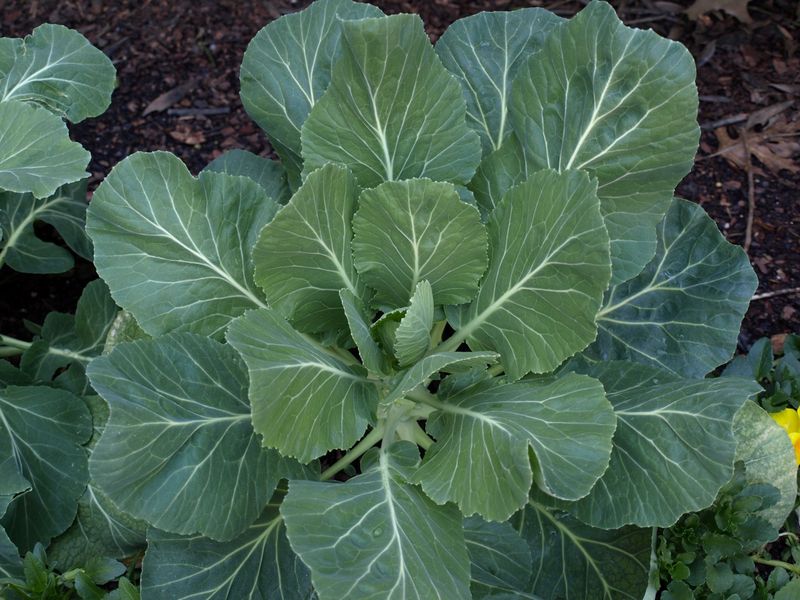
Pull a leaf from a fall collard plant on a chilly morning and you might wonder if the cold made it sweeter. Plenty of gardeners hope a special feed can boost that flavor.
The truth is more careful than the rumor, and it can save you money and effort. Here is what North Carolina guidance and research really say about feeding and enjoying your collards.
What the evidence says about fertilizer and sweetness
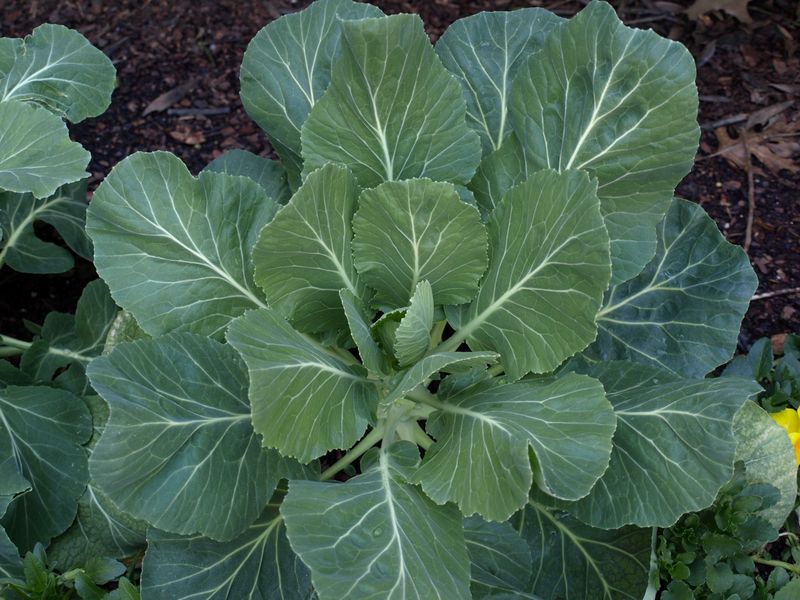
Here is the straight answer: the sources reviewed for this article do not point to any fertilizer that reliably makes collards sweeter after the first frost. They also do not show that North Carolina gardeners widely swear by one.
If someone tells you a secret feed is the key, there is nothing in the research or Extension advice to back that up.
What North Carolina guidance does cover is feeding for plant growth. NC State Extension’s home garden collard guidance recommends fertilizing based on a soil test, and Pamlico County Extension offers fall collard advice with nitrogen in mind.
Those recommendations are about healthy leaves and a good harvest, not about flavor.
Cold and sweetness is a separate question, and it is still unsettled. A study on kale, a close relative, found higher sugars after cold acclimation.
But a University of Tennessee field comparison of kale, radish, and turnip found only slight or inconsistent sugar changes after several frosts.
So keep the two ideas apart. Feeding helps plants grow well.
Whether cold changes taste is a possibility, not a promise, and no added product has been shown to boost it.
Nitrogen supports leaf growth, not a proven sweetness effect
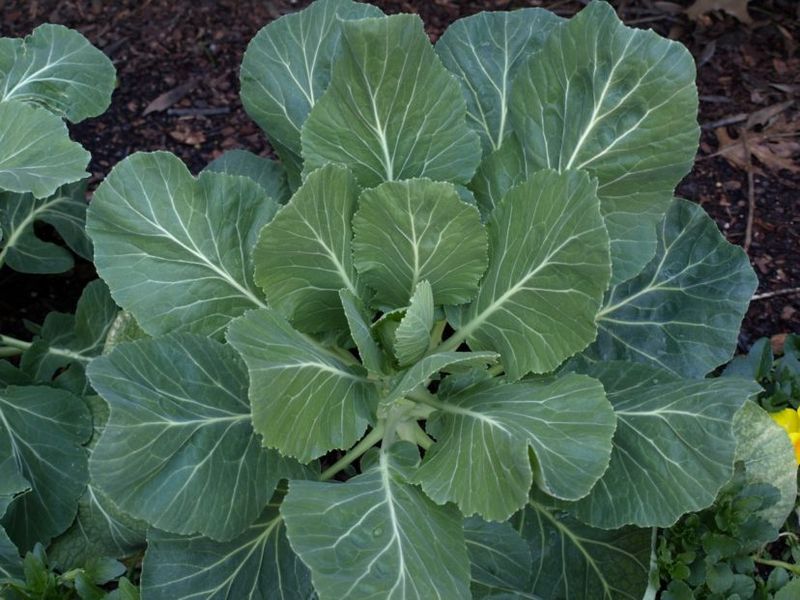
Collards are leaf crops, so they use plenty of nitrogen to keep making big, green, tender leaves. Without enough of it, plants can look pale and stunted.
That is the real job of nitrogen in the collard bed.
NC State Extension recommends fertilizing collards according to soil test results. Its general guidance for average soil lists preplant and side-dress amounts.
A 2026 article from Pamlico County Extension also gives rates for gardeners with no soil test on hand.
Treat any number as conditional. Your soil test report, local Extension advice, and the product label should decide how much you apply, since a rate that suits one garden may not suit yours.
Notice what these sources leave out: sweetness. Tender, healthy growth is a good goal, but it is not the same as a sugary flavor.
A well-fed plant is a strong plant. It is not a guaranteed sweet one.
A practical clue: if leaves are yellowing at the bottom and growth is slow, a nitrogen shortfall may be the cause. If plants look healthy, more feed will not turn them into candy.
Start with a representative soil test
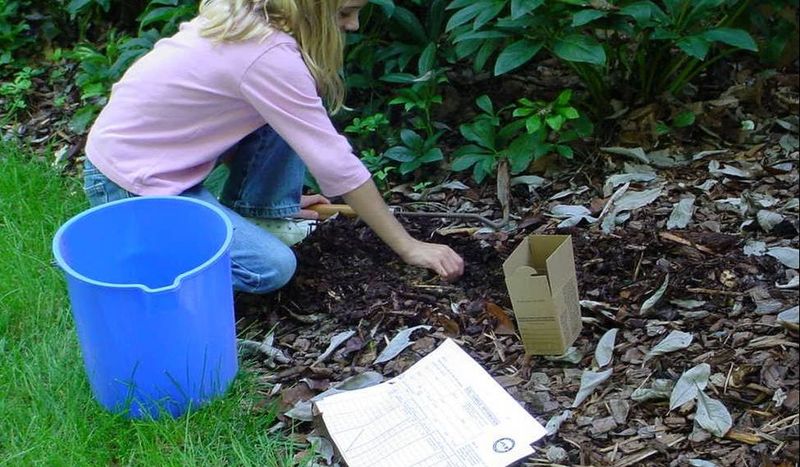
Before buying any bag of fertilizer, test your soil. It is the one step that tells you what your garden actually needs, and in North Carolina it is simple to do through the state agriculture department.
The NCDA&CS sampling instructions say to collect 8 to 10 samples from a vegetable garden, each about 6 to 8 inches deep. Mix them together in a clean container to make one representative sample, then send in that mix.
Use the report to guide what you add. NC State’s collard guidance points gardeners to soil-test-based fertilizing, so the report is your starting line for fertilizer type and amount.
Skip the add-ons you have no proof you need. Epsom salt is a popular example.
Clemson Extension notes that too much can add unneeded salts, and that a soil test is how you learn whether magnesium is lacking at all.
If the report says your levels are fine, you save money and avoid stressing the soil life in your yard.
Could cool weather change collard flavor?
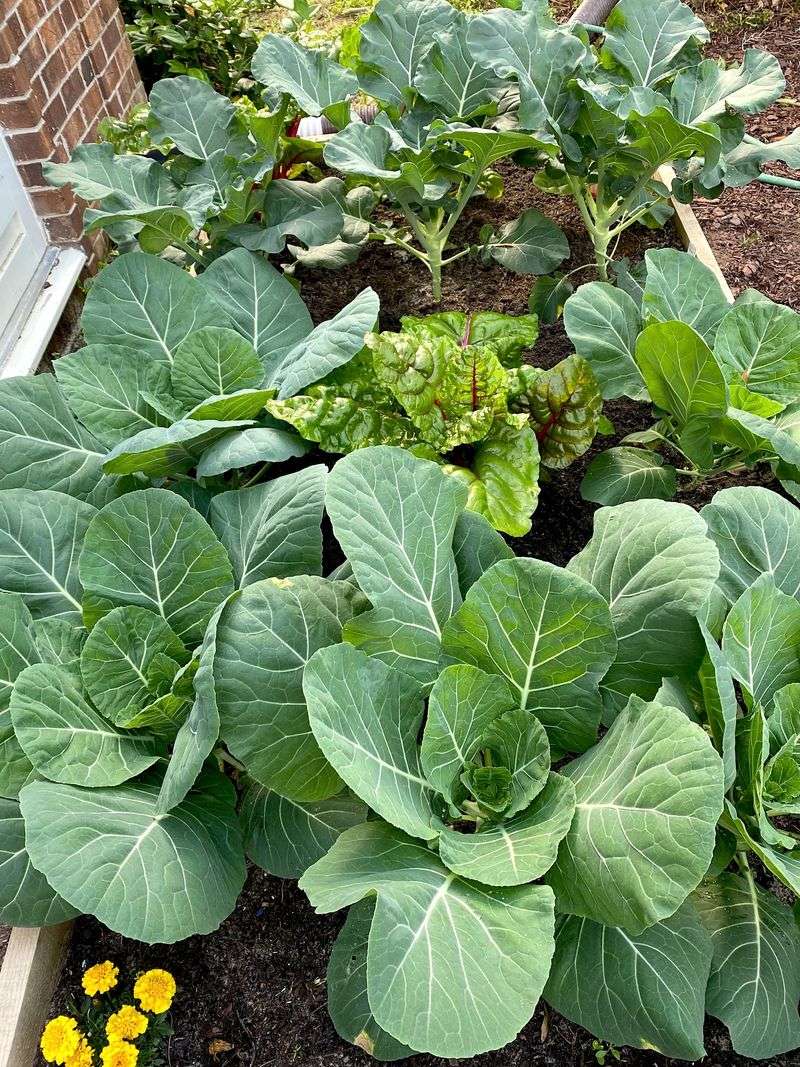
The idea that cold sweetens greens has some science behind it, but not the kind that settles the question for collards. Cold acclimation means plants are exposed to cool conditions over time.
That is not necessarily the same as one chilly night.
A Food Chemistry study found higher soluble sugars in kale after cold acclimation, using controlled growth-temperature conditions. An older mustard greens study also reported cold-induced sweetening.
Both involve relatives of collards, not collards themselves.
Field results look messier. The University of Tennessee comparison checked kale, radish, and turnip before and after several frosts and found only slight or inconsistent sugar changes.
Collards were not tested there either.
Put together, the picture is a maybe. Cool weather may shift sugars in some brassicas, and some gardeners do notice a milder taste in late fall.
But nothing here lets you predict that one frost will sweeten every collard plant, or every variety.
The fair way to use this: enjoy any sweetness as a bonus, and taste a leaf yourself before deciding how to cook the batch.
Collards tolerate frost, but freezing can damage leaves
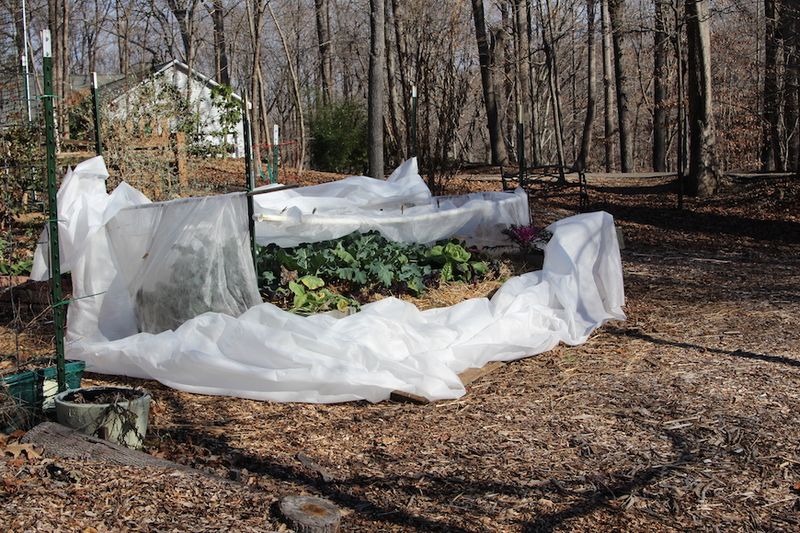
Frost-tolerant and frost-proof are not the same thing. Collards handle chilly nights better than tomatoes or peppers, yet a hard freeze can still leave burned, limp, or browned leaves.
Pamlico County Extension describes collards as a fall crop that stands up to cold, and the NC State Plant Toolbox lists them as cool-season plants. Both fit with the warning that freezing weather can damage foliage.
For a rough temperature guide, Iowa State Extension lists collards among hardy vegetables that usually take only minor damage around 28 to 26 degrees Fahrenheit. Treat that as general guidance.
It is not a North Carolina promise for every cultivar, and a stressed or young plant may fare worse.
If a hard freeze is in the forecast, a light row cover is a simple precaution. Afterward, harvest firm, healthy leaves and remove mushy ones.
Damage and flavor are separate topics. A burned leaf is not a better-tasting leaf, and plant toughness tells you nothing about sugar levels.
Cooking can mellow collard flavor
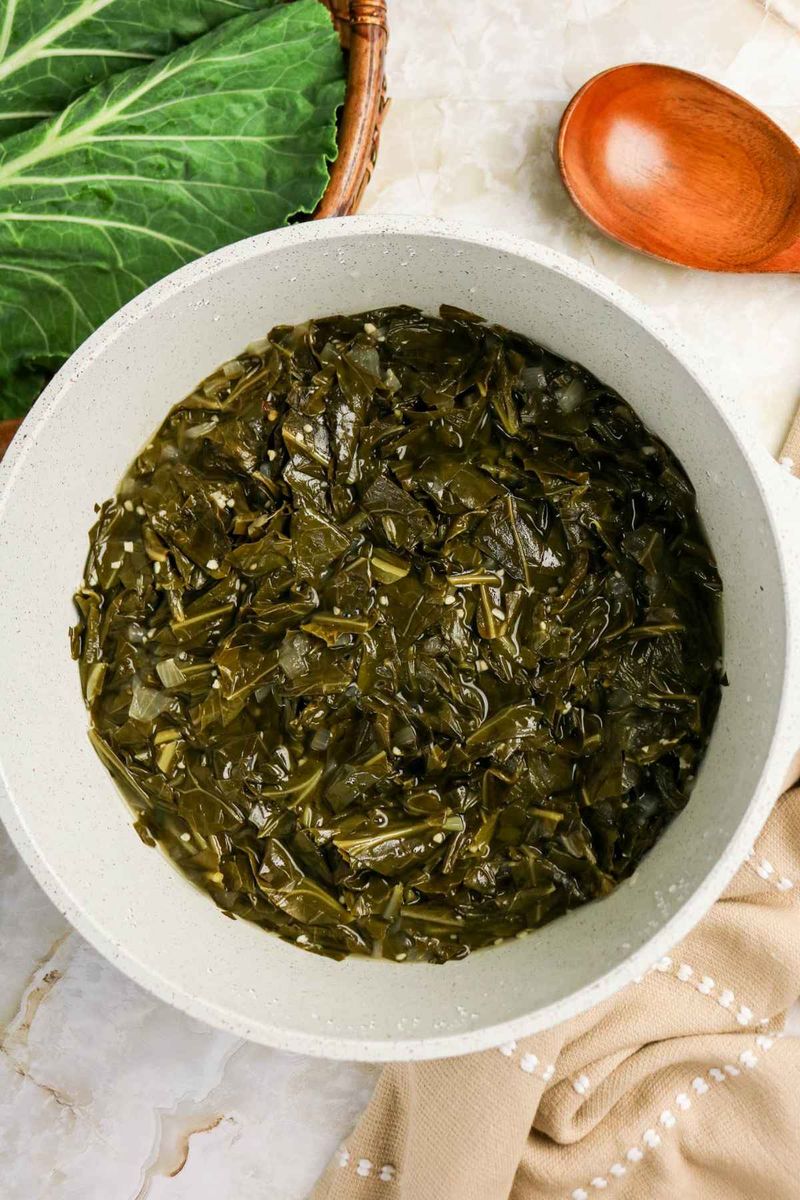
Raw collards have a reputation for a sharp bite. The NC State Plant Toolbox describes their raw flavor as ranging from bitter to tangy, and notes that cooking mellows them.
That is the most dependable flavor tool you have. Long simmering, braising, or sauteing softens the edge in ways a fertilizer or a single frost cannot guarantee.
Your growing choices still matter for quality. Steady moisture, healthy feeding based on a soil test, and picking leaves at a good size help you harvest greens that cook up tender.
Taste a small raw piece from different plants and from different weeks. Flavor can vary from plant to plant, so your own tongue is a better guide than a rumor.
If a batch seems strong, cook it a little longer or pair it with something rich or acidic, as many cooks do. If it tastes mild and pleasant, a quick saute may be plenty.
A dependable plan for fall collards
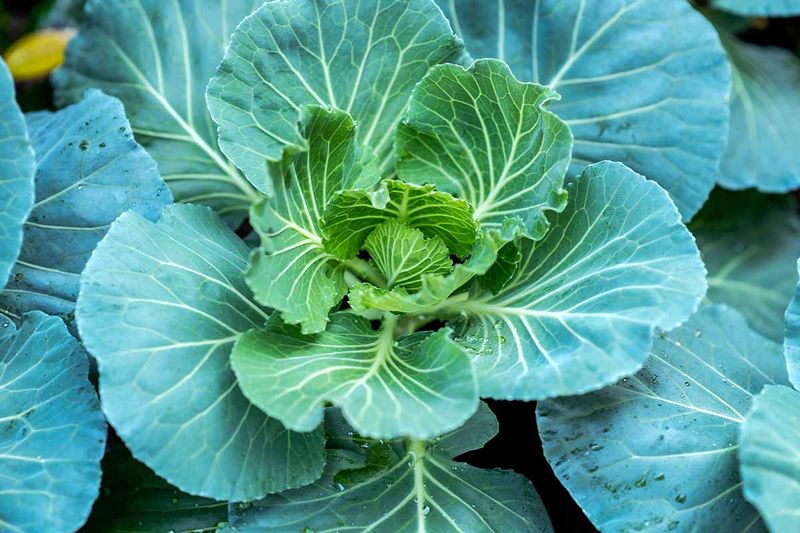
Start with a soil test using the NCDA&CS sampling steps, then follow the results and the product label, along with guidance like NC State’s collard advice and Pamlico County’s fall tips.
Protect plants during hard freezes, and cook the harvest to suit your taste.
Sweetness after cold is a nice maybe, not a plan. The best flavor secret may be a well-fed plant and a patient pot.