
These North Carolina Native Evergreens Hide Your Neighbor’s Yard Without Ever Turning Brown Like Leyland Cypress
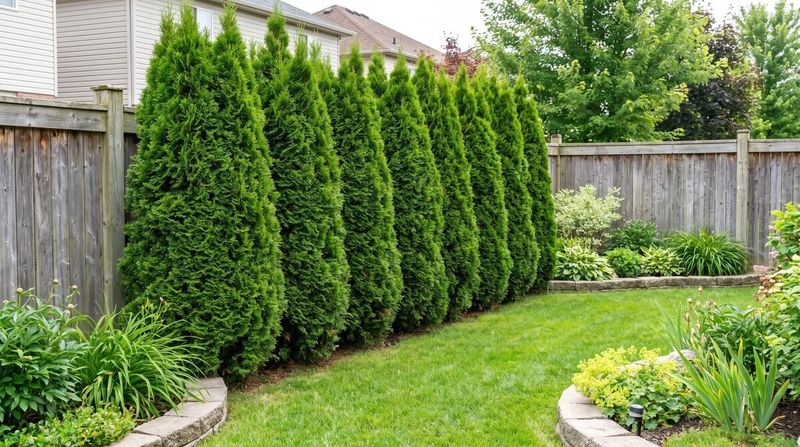
Leyland cypress grows fast, but across North Carolina those tall green walls are turning brown, thin, and patchy from blight and cankers. When one tree dies, your privacy gets a hole you can see right through.
The good news is that our own native evergreens can block the view next door and stay green all year. They also feed the birds, bees, and butterflies that make your yard feel alive.
1. Carolina Cherry Laurel
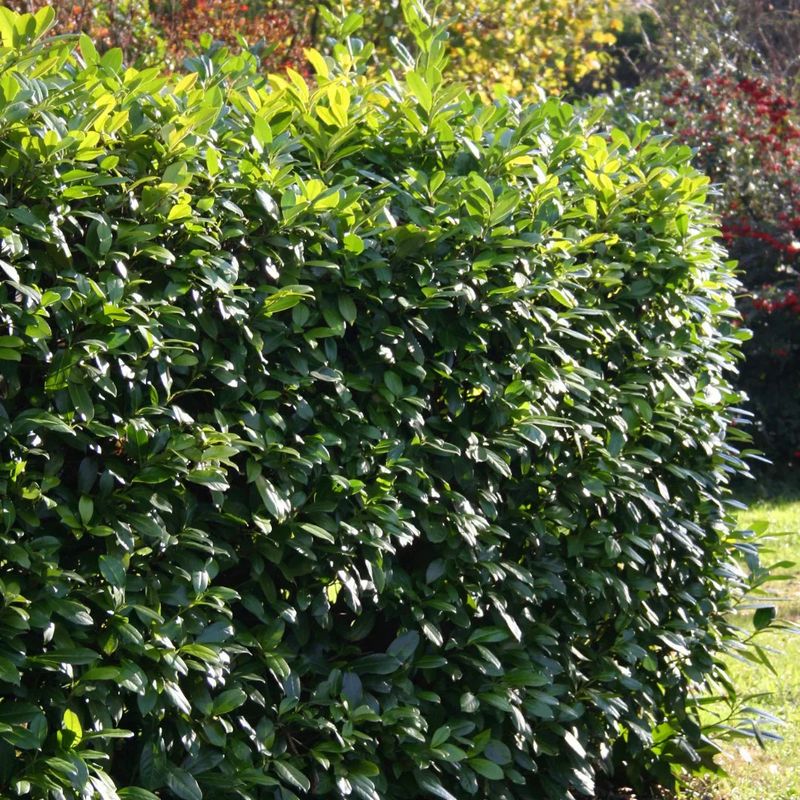
Need privacy by next summer, not next decade? Carolina cherry laurel is the sprinter of the native screen world.
Many homeowners see a solid wall of glossy leaves within two or three growing seasons.
It reaches 15 to 30 feet tall and 10 to 20 feet wide, so plant it 6 to 8 feet apart for a tight screen. Red clay, sandy Coastal Plain soil, or loam all work, and it handles full sun to part shade.
Early spring brings fragrant white flowers that pull in bees when little else is blooming. Later, birds snack on the dark fruit.
Deer usually leave it alone, which is a real win in most NC suburbs.
One honest heads-up: it can seed around a bit, so pull stray seedlings from beds a couple of times a year. A little tidying is a small price for a hedge that will not brown out like Leyland.
2. American Holly
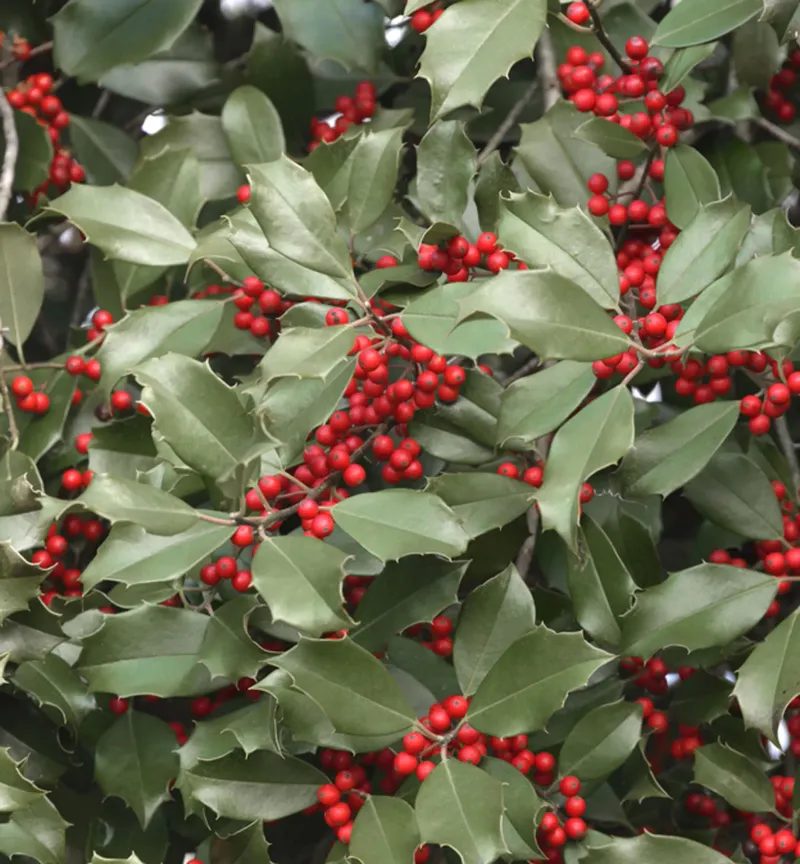
Picture a gray January morning and a flock of cedar waxwings stripping red berries off a holly by your property line. That scene is reason enough to plant American holly.
It grows slowly, but it keeps its branches all the way to the ground. That makes it one of the best full-height screens you can buy, with no bare legs at eye level.
Over decades it can climb 40 to 60 feet.
Berries form only on female trees, and they need a male nearby. Ask your nursery for both, or check if a neighbor already has one.
Robins, bluebirds, and mockingbirds depend on those berries in late winter, and the leaves host the little Henry’s elfin butterfly.
Deer avoid the prickly leaves. Clay and damp spots are fine, so it fits many Piedmont lots.
3. Eastern Red Cedar
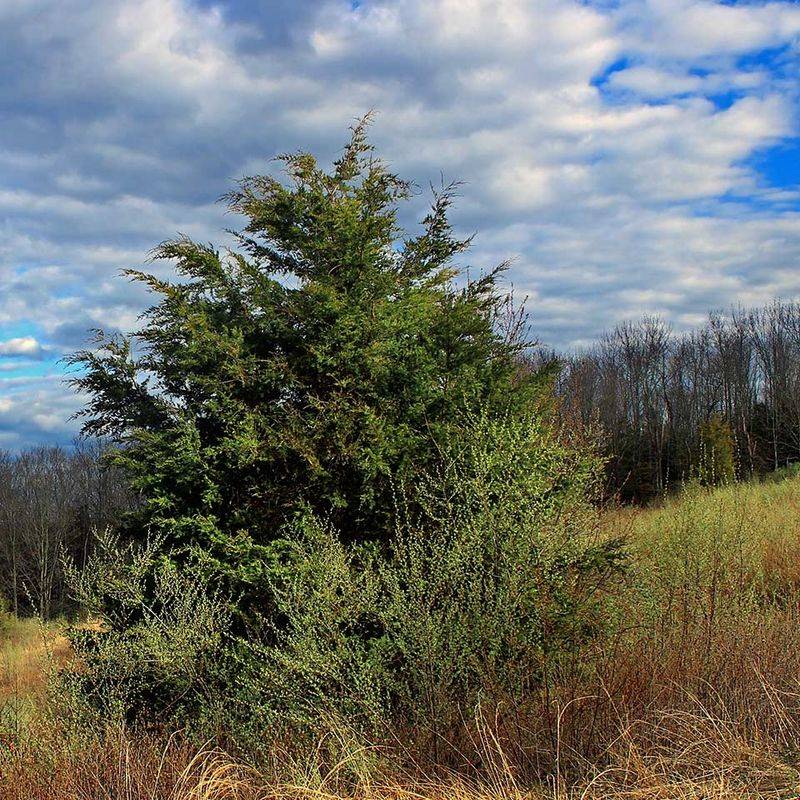
Old farm fencerows across North Carolina are lined with eastern red cedar for a reason. Birds dropped the seeds there, and the trees thrived with zero help.
That toughness is exactly what you want on a hot, dry slope.
Despite the name, it is a juniper. The dense, scented, blue-green foliage grows 40 to 50 feet tall and shrugs off drought once roots settle in.
Female trees carry frosty blue berries that cedar waxwings love, and the thick branches give songbirds a safe winter roost. Deer tend to skip the aromatic needles.
Fun fact: the bird name cedar waxwing comes from this tree.
Keep it away from apple trees if you can, since it shares cedar-apple rust with them. Otherwise, few plants ask for less.
4. Rosebay Rhododendron
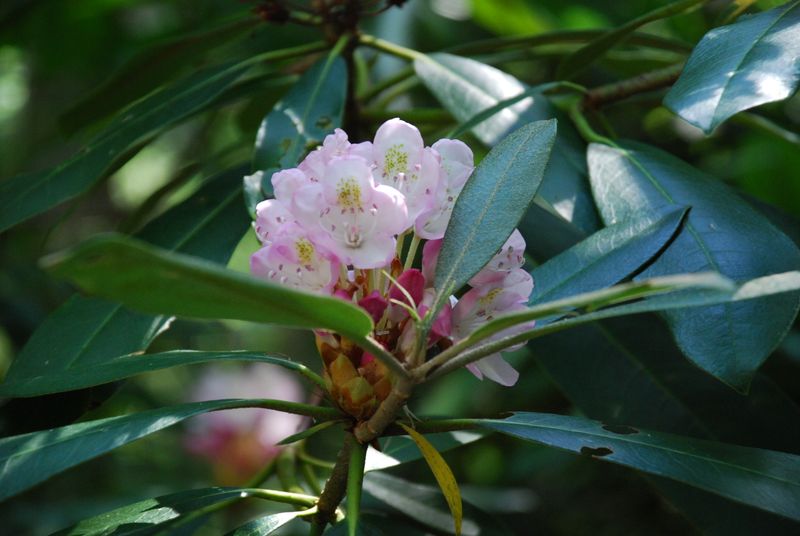
Hike any shady creek in the Blue Ridge and you will push through tunnels of rosebay rhododendron. Mountain gardeners can borrow that same thicket effect at home.
Big leathery leaves form a screen 10 to 20 feet tall and wide. It wants shade, moist acidic soil, and plenty of organic matter, so it shines under oaks where most screens sulk.
Pale pink to white blooms open from June into August, feeding hummingbirds, bumblebees, and butterflies. Nesting birds tuck into the dense branches during storms.
Skip it in hot, sunny Piedmont spots. Mulch well and water during dry spells the first two years.
5. Inkberry Holly
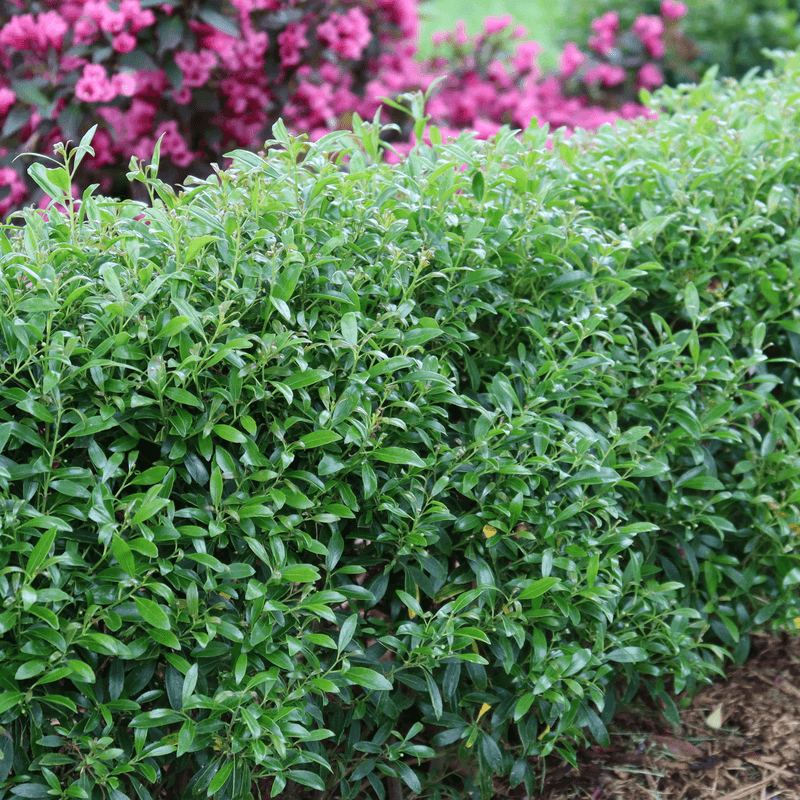
Got a soggy corner where boxwoods keep dying? Inkberry holly might be the fix you have been waiting for.
The leaves are small, smooth, and spineless, so kids and dogs can brush past without a yelp. It handles wet feet better than most evergreens and is a natural fit near rain gardens or low spots in the Coastal Plain.
Inkberry stays shorter than the trees on this list, so use it as a lower layer under holly or cedar. Compact picks like ‘Shamrock’ and ‘Gem Box’ work along patios.
Its small flowers feed native bees, and the black berries help birds through winter. Layering it at ground level closes the gaps that tall trees leave behind.
6. Eastern Arborvitae
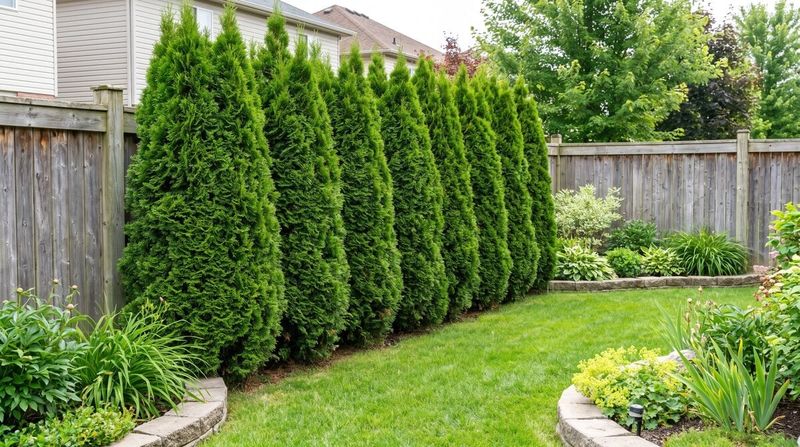
Here is the one plant on the list that looks most like a Leyland swap on paper. Narrow, tidy, and dense, eastern arborvitae fits tight side yards where wide shrubs crowd the walkway.
Small wild populations grow in the North Carolina mountains and wetlands, so it is truly local. It tolerates clay and wet ground and grows into a slim column up to 40 feet tall.
Be realistic, though. Deer love to browse it, and dry, windy spots can cause winter burn.
It does best in cooler mountain yards with steady moisture.
Songbirds nest in the tight foliage, and moths and butterflies use it too.
7. Wax Myrtle
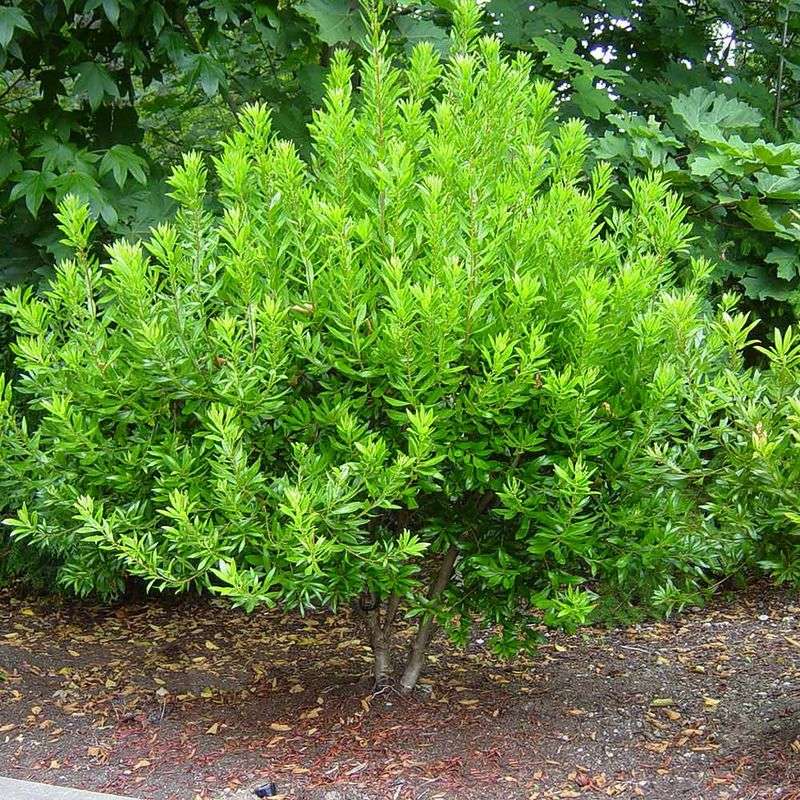
Crush a wax myrtle leaf and you get a spicy, bayberry scent that colonial families used for candles. Today it is a go-to quick screen, especially near the coast.
It grows fast to 15 to 25 feet tall and wide and handles sand, salt spray, and poor soil. The look is loose and natural, not a sheared wall.
Yellow-rumped warblers flock to the waxy gray berries in winter. Its roots also fix nitrogen, helping poor soil.
Heavy ice can split older stems, so prune lightly after storms.
8. Mixed Native Hedgerow
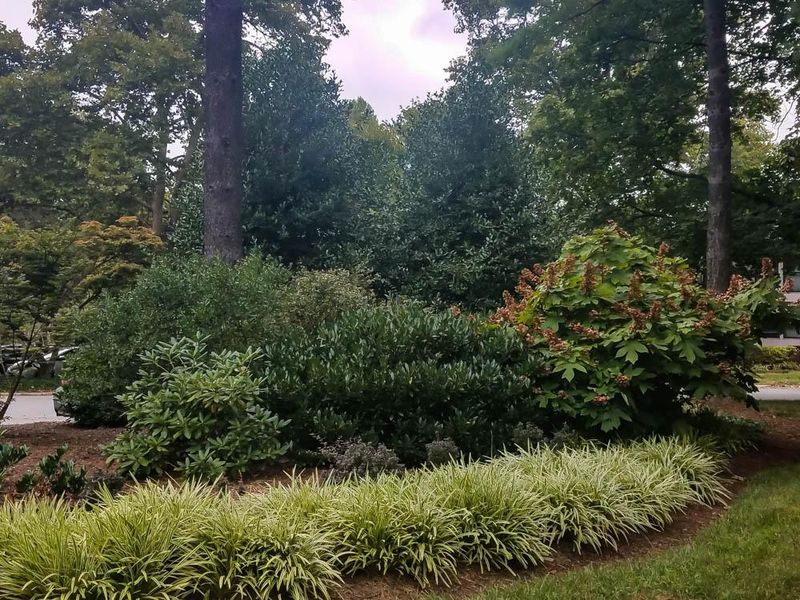
Leyland cypress failed for many homeowners because every tree was the same. When blight showed up, it swept down the whole row.
The smarter move is mixing species. Stagger holly and cedar in back, cherry laurel or wax myrtle in the middle, and inkberry along the front.
If one plant struggles, the others keep your view blocked.
Plant in fall, from September through November, so roots grow while the soil is warm. Leave a mulched strip between the hedge and your lawn to help reduce tick-friendly tall grass at the edge.
Already have browning Leylands? Replace them in phases so you never lose all your privacy at once.
Your yard gains year-round cover and a wildlife corridor for goldfinches, bluebirds, and pollinators.