
17 Spring Bulbs You Still Have Time To Plant Before The Ground Freezes Solid
Found a forgotten bag of bulbs in the garage and figured you missed your chance? Good news: most spring bulbs can still go in the ground as long as you can dig a hole.
A bulb planted in cold soil has a real shot at blooming, while one left in a bag will likely dry out and die. Here are 17 bulbs that forgive a late start, plus simple tips to help them root before winter locks up the soil.
1. Tulips
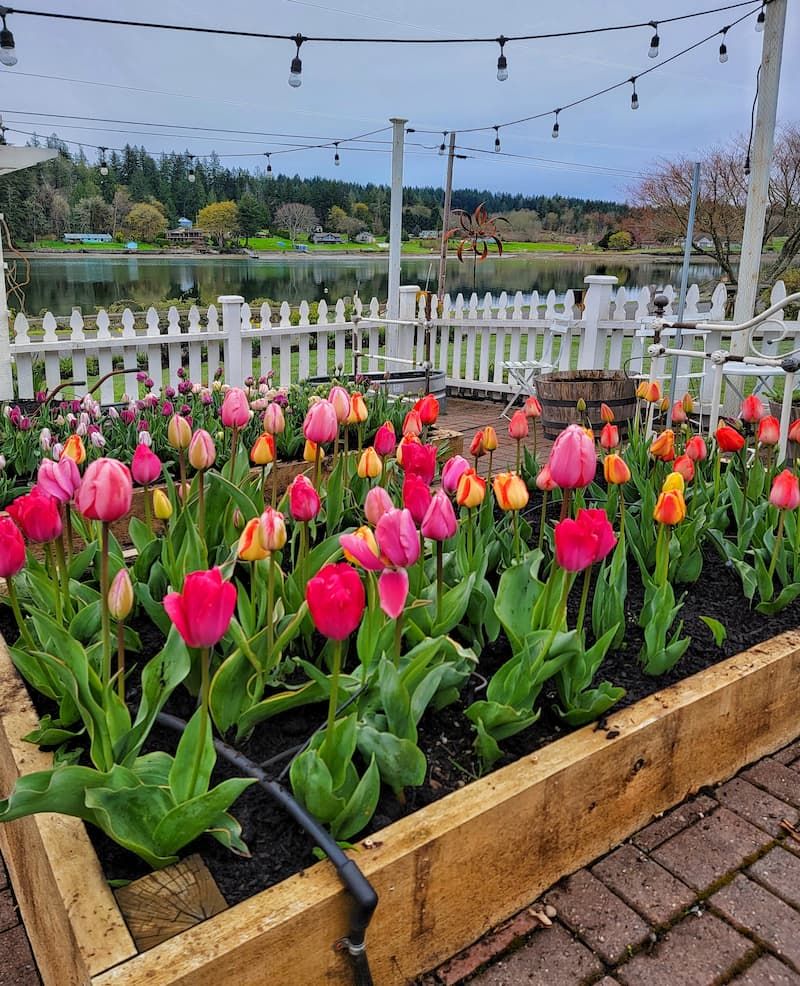
Here is a twist most gardeners never hear: tulips actually like a late start. Planting in November or even early December can reduce the risk of tulip fire, a fungal disease that leaves ugly spots on leaves and petals.
Cold soil keeps that fungus quieter.
Dig each hole about 6 to 8 inches deep, set the bulb pointy end up, and cover it. Water once to settle the soil, then walk away.
Too much water is what rots tulips, not the cold.
Living in Zone 8 or warmer? Your winters may not be cold enough.
Chill tulip bulbs in the fridge for 10 to 12 weeks, away from fruit, then plant in December or January.
2. Daffodils
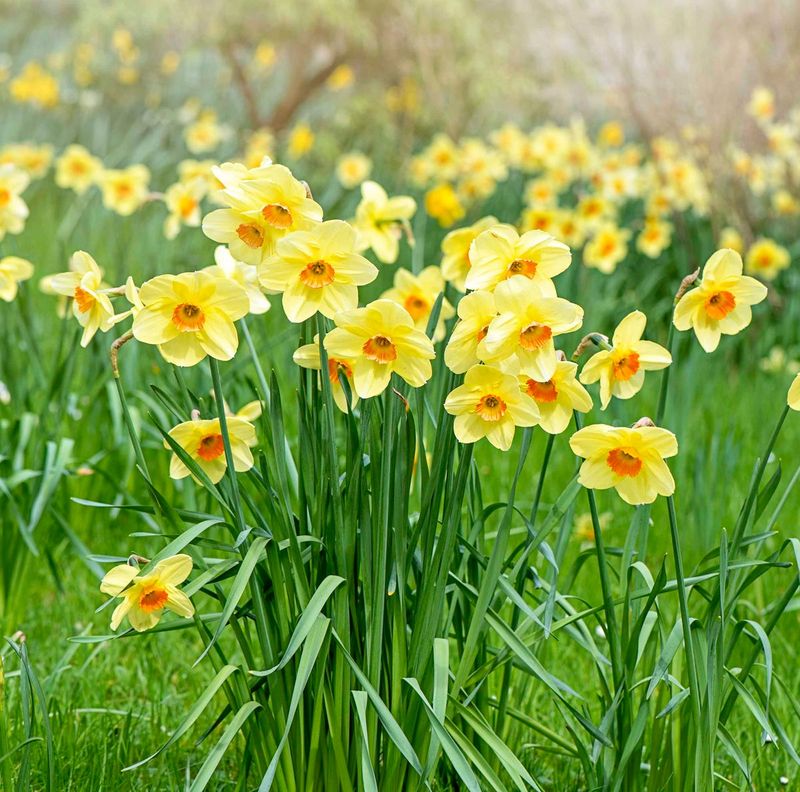
If you only plant one bulb this late, make it a daffodil. They shrug off cold, root fast, and come back year after year with almost no fuss.
Squirrels and deer leave them alone because the bulbs are toxic to them. That alone saves a lot of heartbreak if critters dug up your crocus last year.
Plant about 6 inches deep in a spot that drains well. Clumps of five or seven look more natural than straight rows.
Next spring, let the leaves yellow on their own before cutting them, since that is how the bulb refuels for the following year.
3. Crocus
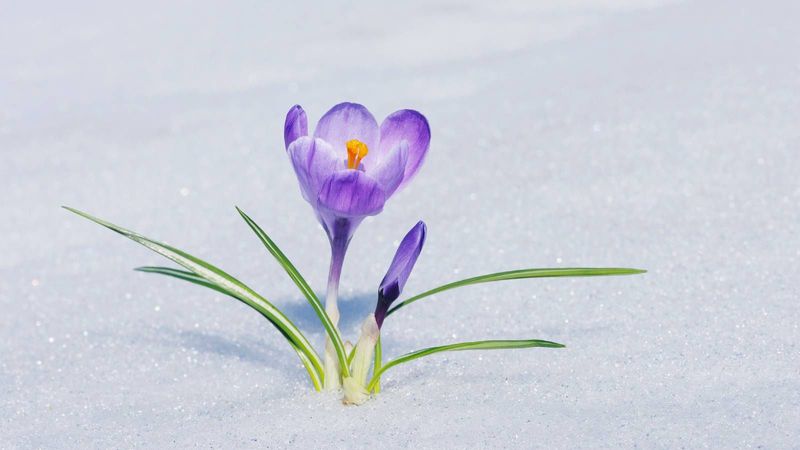
Few sights beat a purple crocus popping up while snow still hangs around. They are tiny, cheap, and one of the easiest late bulbs to tuck in.
Since they only need 3 to 4 inches of depth, you can plant them even when the top layer of soil is getting stiff. Many people scatter them right in the lawn.
Just skip mowing until their leaves fade in late spring.
One honest warning: squirrels love them. Laying a piece of chicken wire over the planting spot, then covering it with mulch, may help keep diggers out until roots take hold.
4. Hyacinths
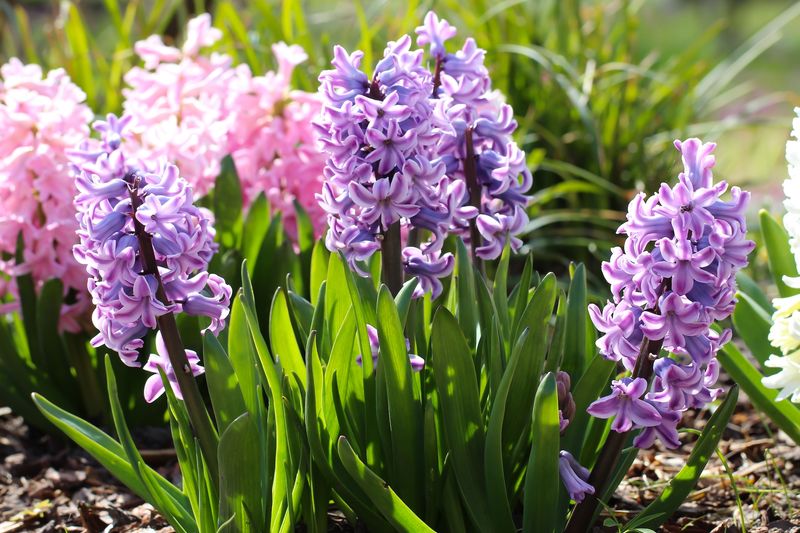
Plant hyacinths near the front door and you will smell spring before you see it. Their thick flower spikes pack more perfume than almost any other bulb.
Set them about 6 inches deep and 5 inches apart. Wear gloves while handling them, because the papery skins can itch bare hands.
Like tulips, hyacinths need a long cold spell. Southern gardeners should chill them in the refrigerator for 10 to 12 weeks first.
In colder zones, a layer of mulch after planting can keep the soil workable a bit longer so roots grow.
5. Alliums
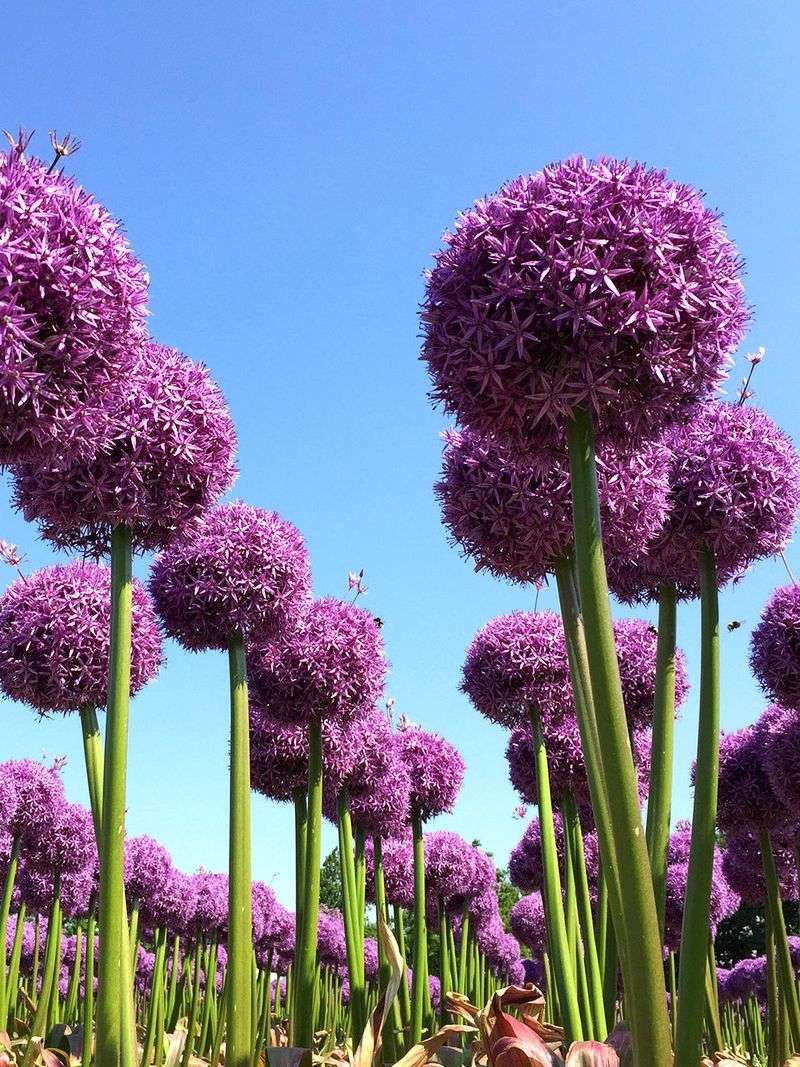
Picture purple balls floating on tall stems, like lollipops in your flower bed. Alliums are ornamental onions, and they fill the gap between spring tulips and summer flowers.
That onion smell is a bonus. Deer and rabbits tend to skip them, which makes alliums a smart pick if your hostas get chewed every year.
Plant bigger bulbs about 8 inches deep in full sun. They hate wet feet, so add compost to heavy clay first.
Even if you plant in late November, most will still show up right on schedule.
6. Snowdrops
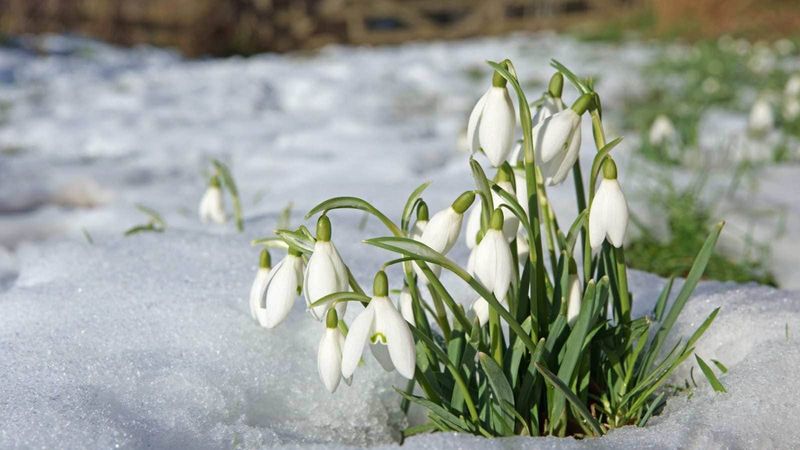
Snowdrops are the early risers of the bulb world. They push through frozen soil and sometimes right through snow, often in late winter when nothing else dares to grow.
Their dangling white bells look delicate, yet they are tough as nails. Tuck them under deciduous trees, where they soak up sun before leaves fill in.
Dry snowdrop bulbs can be slow to settle, so plant them as soon as you get them, about 3 inches deep. Over the years, they slowly spread into a white carpet that looks like it has always been there.
7. Grape Hyacinths
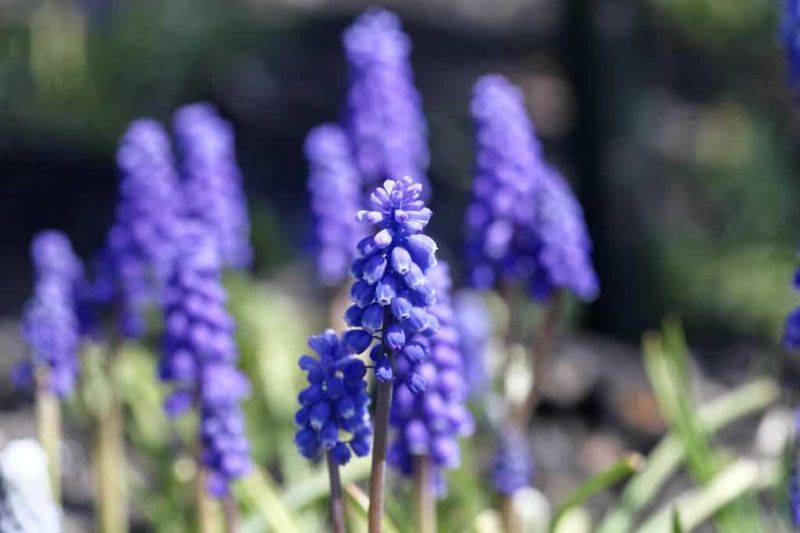
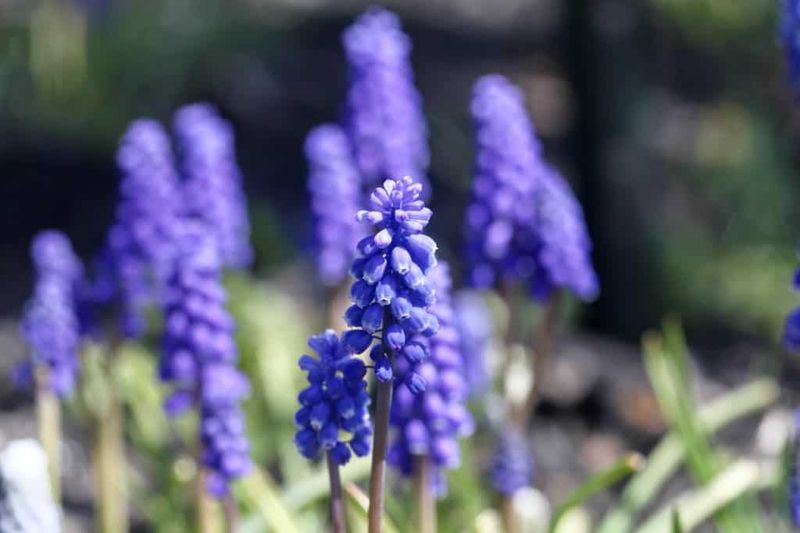
Think of muscari as the blue ribbon that ties a spring garden together. Their tiny clustered flowers look like miniature bunches of grapes.
They spread happily on their own, so a handful planted this fall can become a river of blue in a few years. Line them along paths or under taller tulips for a two-layer show.
Plant them 3 inches deep. Some send up grassy leaves in fall, which is normal.
Do not panic and dig them up, because the cold will not hurt them.
8. Scilla
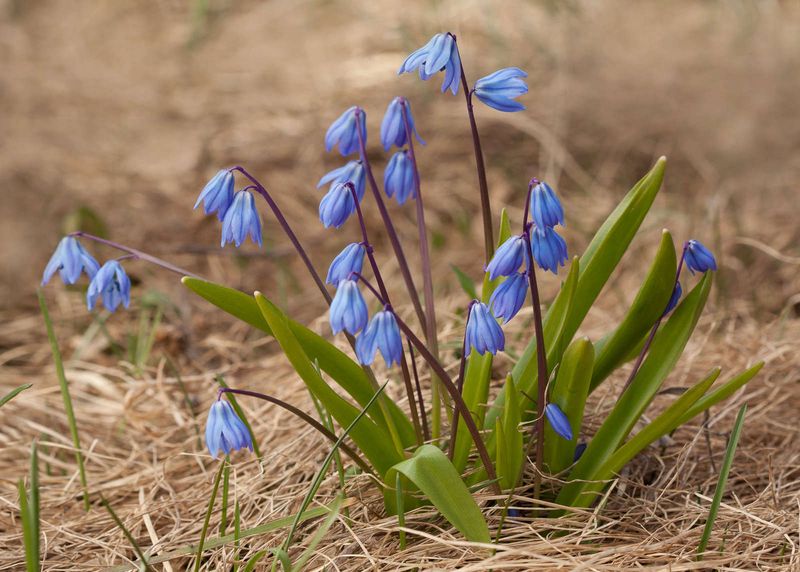
Ever seen a lawn that turns electric blue in March? That is usually scilla, also called squill, and it may be the most forgiving bulb on this list.
Scilla handles late planting better than almost anything. Even bulbs planted right before freeze-up often bloom fine.
Plant them 3 to 4 inches deep in sun or light shade. They seed themselves and spread, so give them a corner where wandering is welcome.
9. Fritillaries
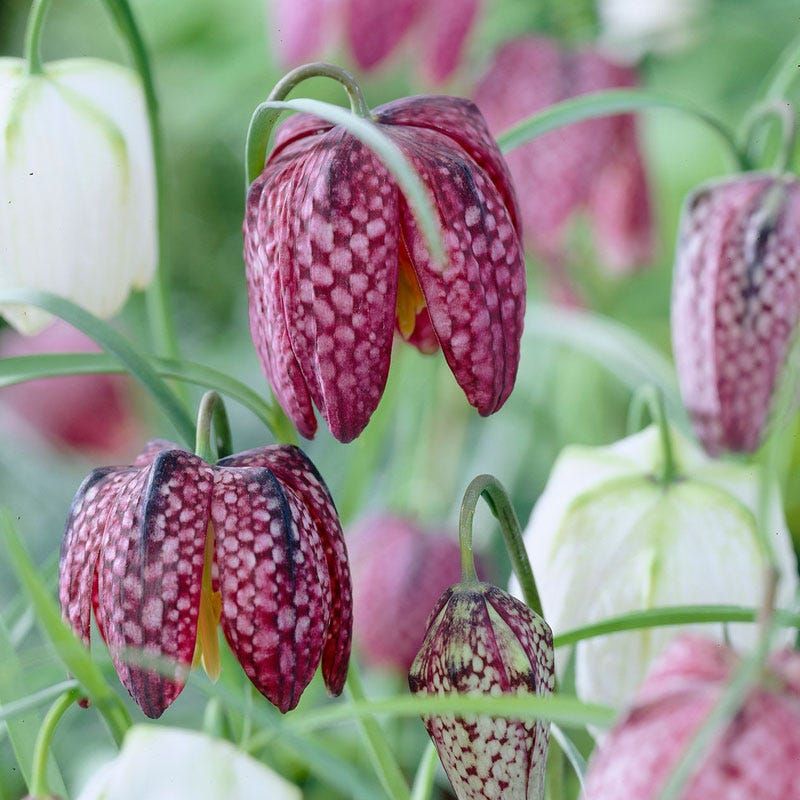
Want neighbors to stop and ask what that flower is? Fritillaries do the trick.
The crown imperial stands tall with a ring of orange bells, while the snake’s head shows off checkered purple petals.
Many have a musky scent that may help keep rodents and deer away. Crown imperial bulbs have a hollow center, so plant them tilted on their side to stop water collecting and causing rot.
Big ones go about 8 inches deep, small ones 4 inches. Good drainage matters more than timing here.
10. Spring Iris
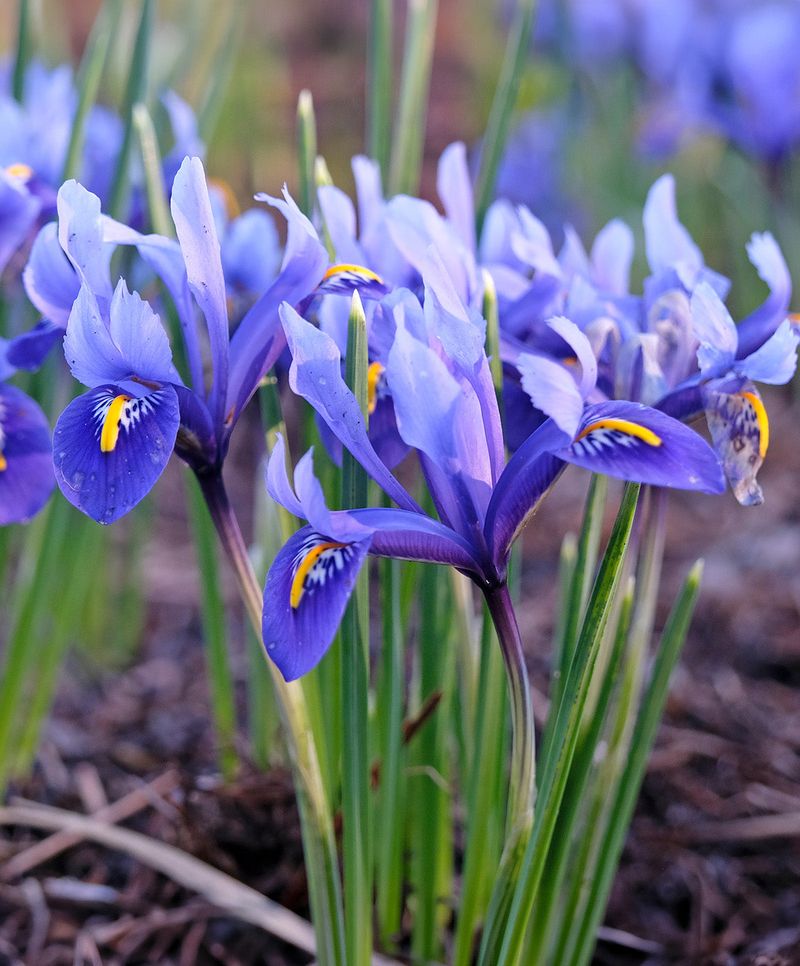
Not every iris is a big summer bearded type. Dwarf iris and Dutch iris grow from small bulbs planted in fall, and they adapt well to a late schedule.
Dwarf iris bloom super early, just a few inches tall, with rich violet petals. Dutch iris come later on tall stems and make great cut flowers.
Plant both about 4 inches deep in sunny, well-drained soil. Rock gardens and raised beds suit them nicely.
11. Glory of the Snow
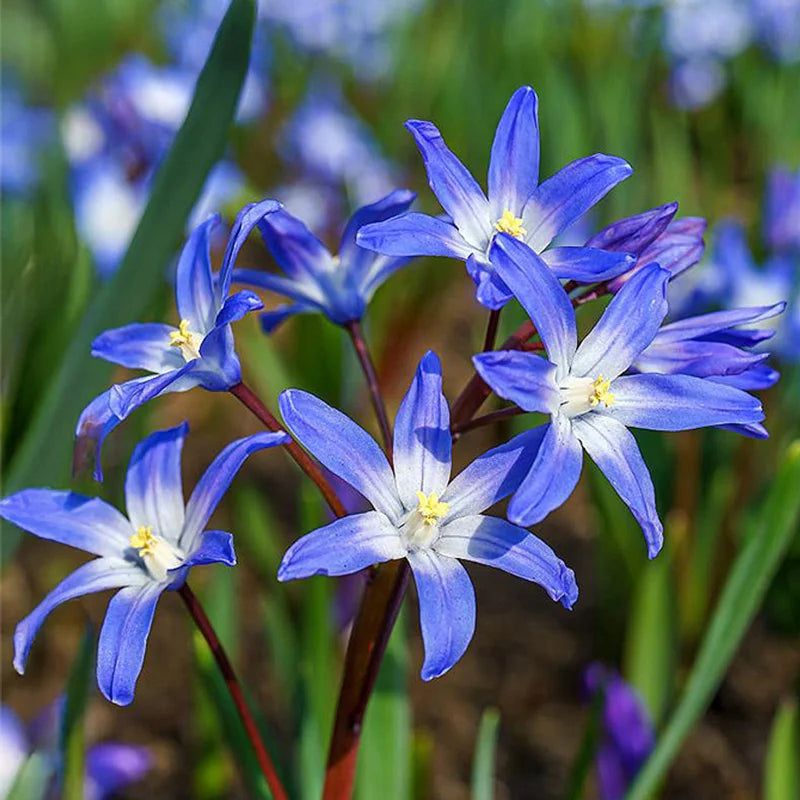
The name says it all. Chionodoxa opens star-shaped flowers in blue, pink, or white just as winter loosens its grip.
Each bloom faces upward, so you see its bright white center instead of the back of the petal. That makes a small patch look surprisingly showy.
Plant them about 3 inches deep in groups of 20 or more. They cost little, spread easily, and pair nicely with daffodils.
12. Winter Aconite
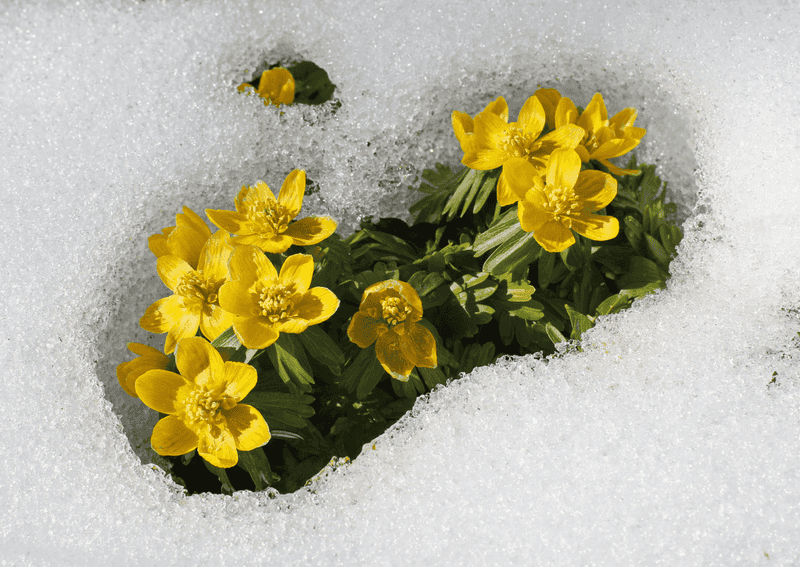
Winter aconite looks like tiny buttercups wearing green collars. They often bloom in February, popping up yellow through snow.
Here is the catch: the small tubers dry out easily. Soak them in water overnight before planting to wake them up.
Plant about 2 to 3 inches deep in a shady spot that stays a bit moist. Expect patchy results the first year, then a better show once they settle.
13. Camassia
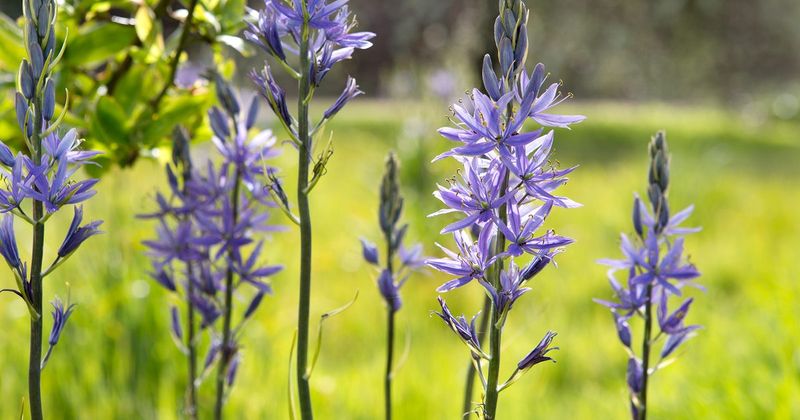
Camassia is an American native, once a food source for Indigenous peoples in the Pacific Northwest. Today it brings tall spikes of blue starry flowers to backyard gardens.
Unlike most bulbs, camassia tolerates heavier, damp soil. If your yard stays soggy and tulips keep rotting, this could be your fix.
Plant about 5 inches deep. Pollinators visit in late spring, filling the gap after early bulbs fade.
14. Anemone Blanda
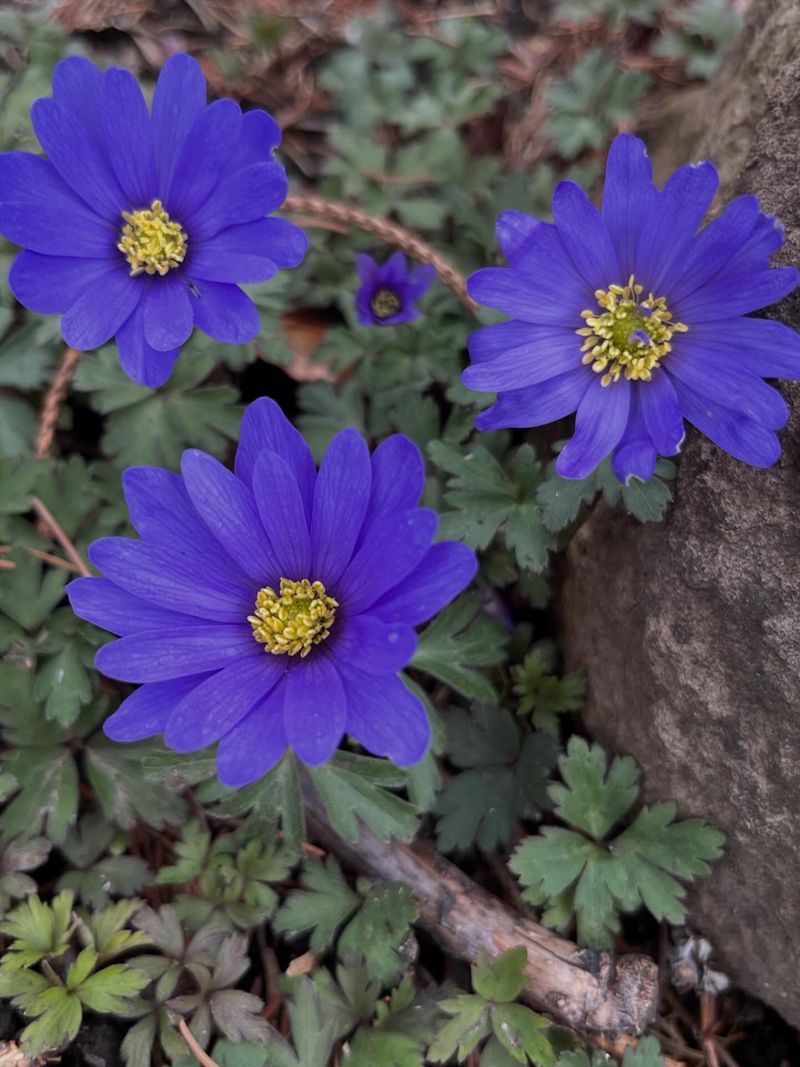
Grecian windflowers look like little daisies scattered across the ground. Blue, pink, and white blooms open on sunny days and close when clouds roll in.
The tubers look like dry, wrinkled pebbles, which confuses many people. Soak them a few hours first, and do not worry about which side is up.
Plant 2 inches deep. Mass them under shrubs for a soft spring carpet.
15. Snowflakes
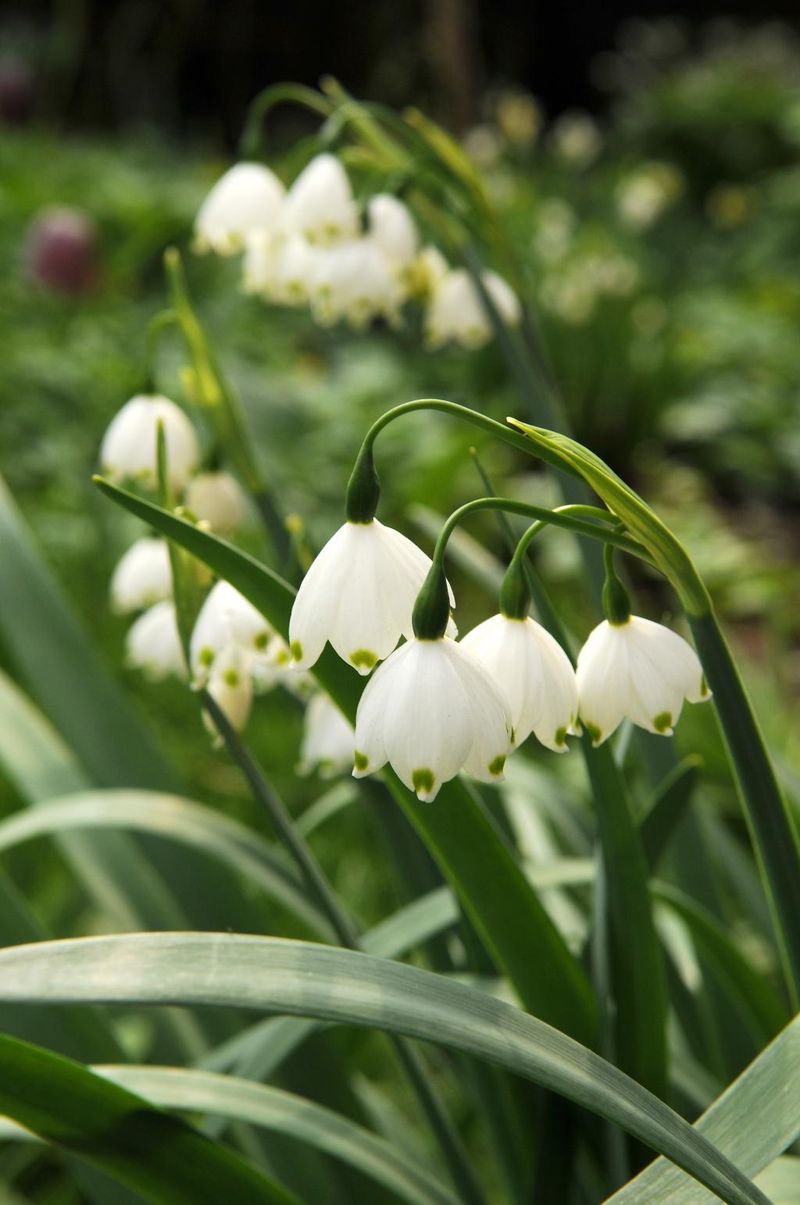
Snowflakes often get mistaken for snowdrops, but look closer. They grow taller, and each white bell has a neat green dot at the tip, like someone painted it by hand.
They also bloom later, stretching the white show into mid-spring. They handle damp spots well too.
Plant about 4 inches deep. Deer and voles usually skip them, so they last for years.
16. Puschkinia
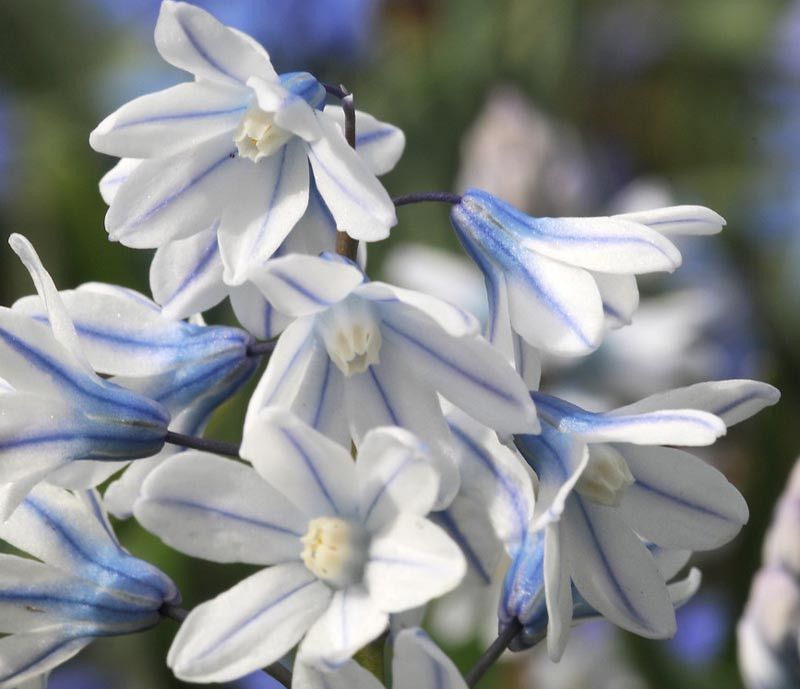
Get down on your knees to admire puschkinia, also called striped squill. Each pale blue petal carries a thin darker stripe, like a pinstripe suit.
They are tiny but tough, cold hardy, and fine with late planting. Use them along borders or in rock gardens where you can see them up close.
Plant 3 inches deep in clusters. They slowly multiply each year.
17. Erythronium
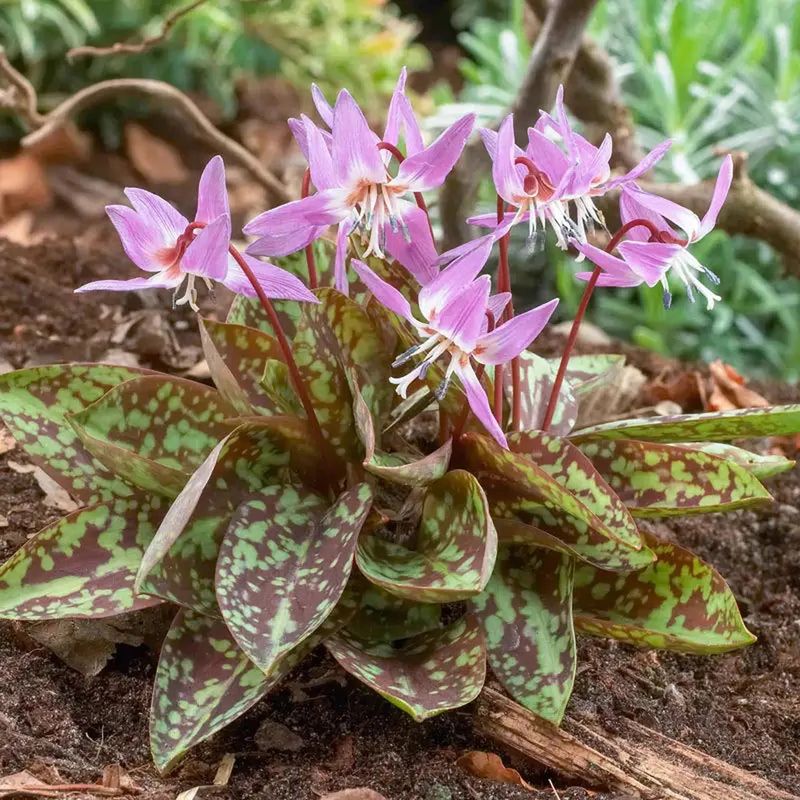
Got a shady spot where nothing seems happy? Erythronium, or dogtooth violet, loves woodland shade.
Despite the name, it is no violet at all.
Leaves come spotted like a trout, and flowers nod down with petals curled back like tiny lilies. The name comes from the bulb, which looks like a dog’s tooth.
These bulbs dry out fast, so plant right away, about 4 inches deep in rich, moist soil. Then finish up the season: water once, mulch, and let winter do the rest.